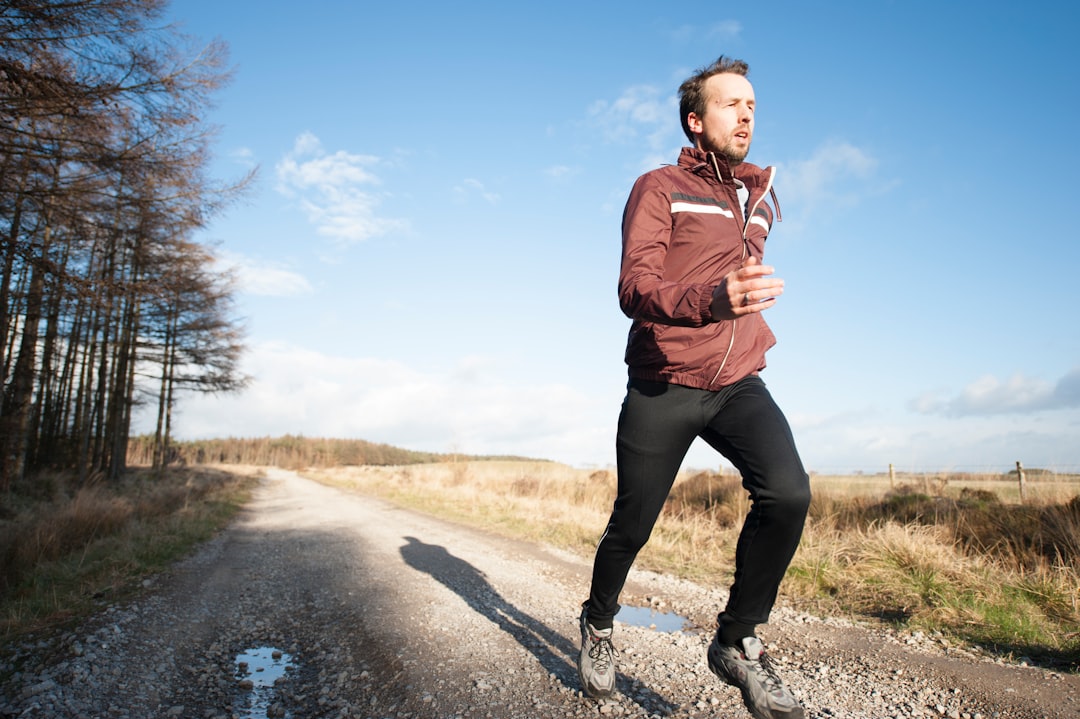
I never thought about my breathing muscles until I couldn’t catch my breath on a hill sprint last spring. I’d been training consistently — strength work, intervals, mobility sessions — but there I was, hands on knees, gasping like a beginner. My legs felt fine. My heart rate wasn’t the problem. It was my lungs. Or more specifically, the muscles powering them.
That moment sent me down a rabbit hole I didn’t expect. It turns out your diaphragm and intercostal muscles — the ones between your ribs — respond to training just like your quads, glutes, and biceps. You can strengthen them. You can increase their endurance. And when you do, everything from your 5K time to your stress levels improves. I spent thirty days using a dedicated breathing trainer, and the results caught me completely off guard.
What Respiratory Muscle Training Actually Does to Your Body
Respiratory muscle training, or RMT, works on a simple principle: create resistance against your breath, and the muscles responsible for breathing get stronger. There are two main flavors — inspiratory training (strengthening the muscles you use to inhale) and expiratory training (the ones you use to exhale). Most quality devices target both.
Here’s what surprised me: research published in Frontiers in Physiology earlier this year confirmed that RMT not only improves respiratory muscle function but may also enhance diaphragmatic and abdominal stability, which translates directly to better athletic performance. Swimmers, runners, cyclists, and team-sport athletes have all shown measurable gains in studies. Even more compelling, a 2025 systematic review found improvements in exercise tolerance at altitude — something that would have saved me during that hill sprint.
The diaphragm is a dome-shaped muscle that contracts when you breathe in. When it’s weak — and for most people who sit all day, it is — you compensate by using accessory muscles in your neck and shoulders. That creates tension, shallow breathing patterns, and a cascade of issues from poor oxygen delivery to elevated stress hormones. Strengthening it through targeted resistance training reverses all of that.
If you’re curious where to start, there’s a solid range of resistance breathing trainer devices that let you adjust the difficulty as your lung strength improves. Think of it like progressive overload for your chest — start light, build gradually.
The Device That Changed My Mornings
After researching every option I could find — and I mean every option — I settled on the Airofit Pro for my thirty-day experiment. What sold me was the app integration. The device connects via Bluetooth and walks you through guided sessions targeting lung capacity, accessible lung volume, and exhalation strength. It tracks your progress over time, which scratched that data-obsessed itch I’ve had since my track and field days.
The Airofit ecosystem offers two main models: the full-featured Airofit Pro with its companion app and training programs, and the more budget-friendly Airofit Active which covers the basics without the digital coaching. I went with the Pro because I wanted the data. But honestly, both deliver the same core benefit: resistance-based training for your breathing muscles.
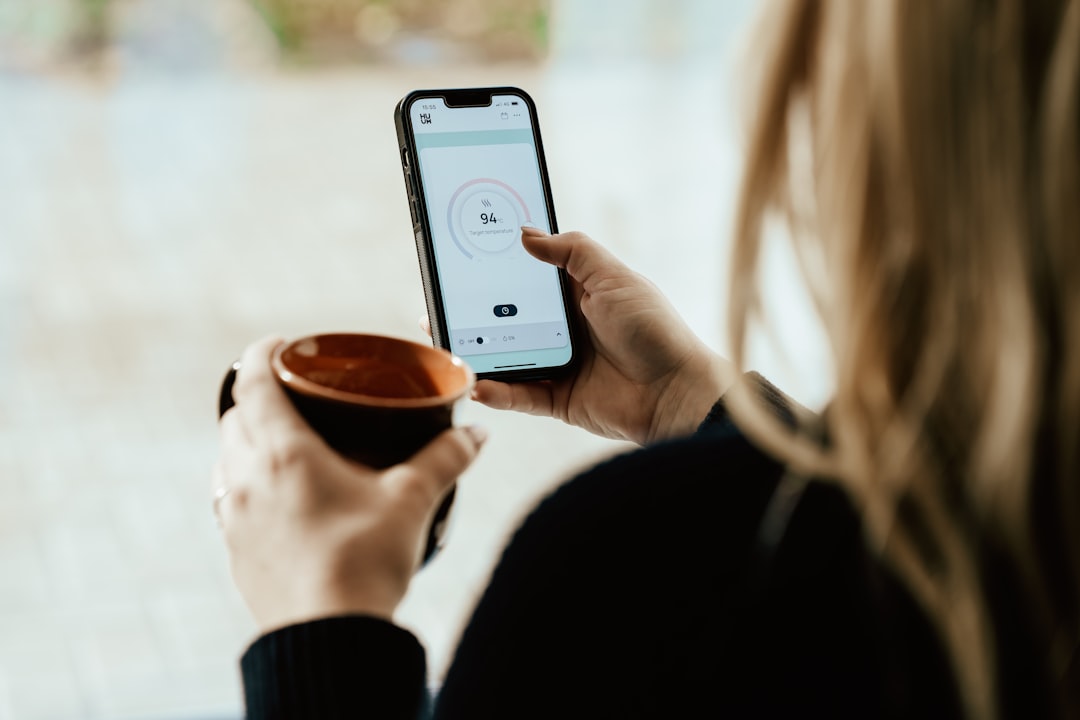
Each morning, I’d spend five to eight minutes with the device before my coffee. The sessions felt strange at first — deliberately restricted breathing will do that — but within a week, the protocol started feeling as natural as stretching. The app measured my vital lung capacity, and by day ten, I’d already gained 200 milliliters. That might not sound like much, but in the world of pulmonary function, it’s significant.
POWERbreathe: The Mechanical Workhorse
While the Airofit is the tech-forward option, I’d be remiss not to talk about POWERbreathe, which takes a different approach. No Bluetooth, no app, no charging cable. Just a precision-engineered mechanical device with ten resistance levels that you adjust manually. It’s been used in clinical studies for decades, and researchers consistently cite it as the gold standard for inspiratory muscle training.
I actually bought one mid-experiment because I wanted to compare the experience. The POWERbreathe feels more like a serious piece of medical equipment. You load it, seal your lips around the mouthpiece, and inhale against the resistance. Each session is thirty breaths, done twice daily. Simple, repeatable, effective. If you’re someone who gets annoyed by apps and subscriptions, this is your device.
For people on a tighter budget, options like The Breather and the classic Expand-A-Lung offer similar resistance-based training at a fraction of the cost. They lack the polish and tracking features, but the underlying mechanism — making your breathing muscles work harder — is exactly the same. I’ve tested all four, and honestly, consistency matters more than which device you choose. Five minutes daily with a twenty-dollar tool will outperform sporadic sessions with a three-hundred-dollar one.
What Thirty Days Actually Changed
By the end of the month, three things had shifted in ways I could measure and feel.
First, my breathing economy during hard efforts improved dramatically. I tested myself on that same hill sprint that had wrecked me, and the difference was night and day. My respiratory rate stayed controlled, I recovered between intervals faster, and that panicked gasping sensation never arrived. My breathing muscles had genuine endurance now, and they stopped becoming the limiting factor in my training.
Second, my stress levels dropped. This one surprised me most. I track my heart rate variability — something I wrote about extensively in my fitness tracker comparison — and my overnight HRV scores climbed an average of eight percent during the thirty days. Stronger breathing muscles translate to slower, deeper resting breathing patterns, which activates the parasympathetic nervous system. I wasn’t just training my lungs. I was training my body’s ability to relax.
Third, my sleep deepened. This makes sense in retrospect — if your breathing muscles are stronger, you breathe more efficiently at night, which means fewer micro-arousals and more time in restorative sleep stages. I’ve spent a lot of time optimizing my sleep setup, and I wrote about that whole journey in my sleep tech deep dive. Breath training turned out to be the missing piece I didn’t know I needed.
The Stress-Breath Connection Nobody Talks About

Most people think of breathing trainers as athletic performance tools, but I’d argue their impact on daily stress management is equally important — maybe more so. When your respiratory muscles are weak, your body defaults to shallow, rapid chest breathing, which signals to your nervous system that something is wrong. It’s a subtle but persistent fight-or-flight trigger that runs in the background all day.
Training your breathing muscles makes deep, diaphragmatic breathing — the kind that activates your vagus nerve and calms your system — feel effortless rather than effortful. There’s a reason breathwork has exploded in popularity, and while you can absolutely do box breathing or Wim Hof style protocols without any equipment, there’s something about the resistance training that accelerates the benefit.
If you want to explore guided breathing techniques alongside a trainer, Wim Hof’s method and breathing guides pair beautifully with device-based training. And for on-the-go stress relief between sessions, I’ve been testing a breathing necklace that provides subtle resistance throughout the day. It looks like jewelry and quietly trains extended exhalations, which is the specific breathing pattern that triggers your relaxation response.
How to Build Breath Training Into Your Routine

The beauty of respiratory muscle training is that it requires almost no time and no physical fatigue. Five to ten minutes a day is all you need. Here’s the protocol I developed over thirty days, refined into something you can start tomorrow:
- Morning (5 minutes): Grab your device before coffee. Do two sets of fifteen resisted inhalations at moderate resistance. Focus on full diaphragmatic breaths — your belly should expand, not your shoulders. This wakes up your respiratory system and sets a calm breathing pattern for the day.
- Post-workout (3 minutes): Use your trainer during your cool-down. The resisted breathing helps flush carbon dioxide and trains your recovery breathing mechanics. If you’re already using a foam roller for recovery, breath training pairs perfectly with it.
- Evening (optional, 5 minutes): Light resistance exhalation work before bed. This downshifts your nervous system and preps your body for deeper sleep. I noticed the difference within three nights.
The key — and I can’t stress this enough — is consistency over intensity. Just like you wouldn’t max out your deadlift every day, you shouldn’t crush your breathing muscles to failure each session. Moderate resistance, full range of motion (deep, complete breaths), and daily practice. That’s the formula.
Which Device Is Right for You?
After testing nearly every breathing trainer on the market, here’s my honest breakdown:
For data-driven athletes: The Airofit Pro is hard to beat. The app tracks lung capacity, creates personalized training programs, and gives you measurable progress data. If you already wear a fitness tracker and geek out on metrics, this is your device.
For minimalists: POWERbreathe all the way. No apps, no charging, no nonsense. Just precision resistance training that’s backed by decades of clinical research. It’s the device I’d trust for long-term, no-maintenance consistency.
For budget-conscious beginners: Start with The Breather or an Expand-A-Lung. Both cost less than dinner out and deliver the same fundamental training stimulus. You can always upgrade later if you want tracking features.
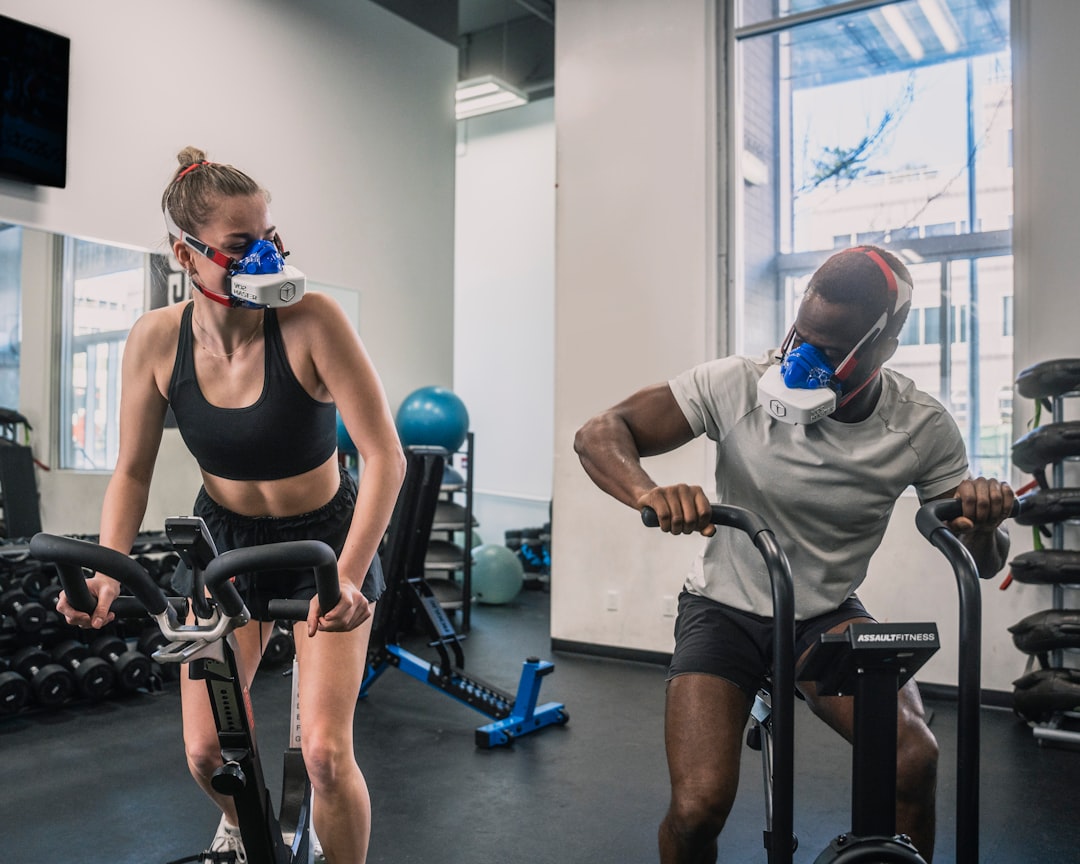
For training-mask enthusiasts: If you prefer wearable resistance during actual workouts, training masks provide a different experience — they restrict airflow during exercise rather than in dedicated sessions. The research is more mixed on these, but some athletes love the added challenge. I’d recommend them as a supplement to, not a replacement for, dedicated RMT sessions.
For general lung health: A simple lung exerciser device — the kind used in respiratory therapy — offers a no-frills way to maintain breathing capacity. These are especially valuable if you’re recovering from illness or dealing with age-related lung function decline.
The Unexpected Gateway to Better Recovery

Here’s what I didn’t anticipate when I started this experiment: breath training became the connective tissue between all my other recovery practices. It complemented my cold plunge sessions — controlled breathing is essential for cold water tolerance. It enhanced my red light therapy routine — deep, slow breathing amplifies the parasympathetic shift that makes recovery modalities effective. It even improved my mobility work, because breath awareness during stretching is the difference between fighting your nervous system and coaxing it to release.
The fitness industry loves to chase the newest, flashiest trend. But breathing has been quietly underpinning every physical performance metric since the beginning of human movement. We just never thought to train it directly. I’ve spent two decades optimizing my training, nutrition, and recovery — adding respiratory muscle training felt like finding a lever I didn’t know existed. And once I pulled it, everything else got a little easier.
If you’ve hit a plateau that no amount of programming tweaks or supplement changes can fix, look at your breathing. It might be the missing variable you’ve been searching for.