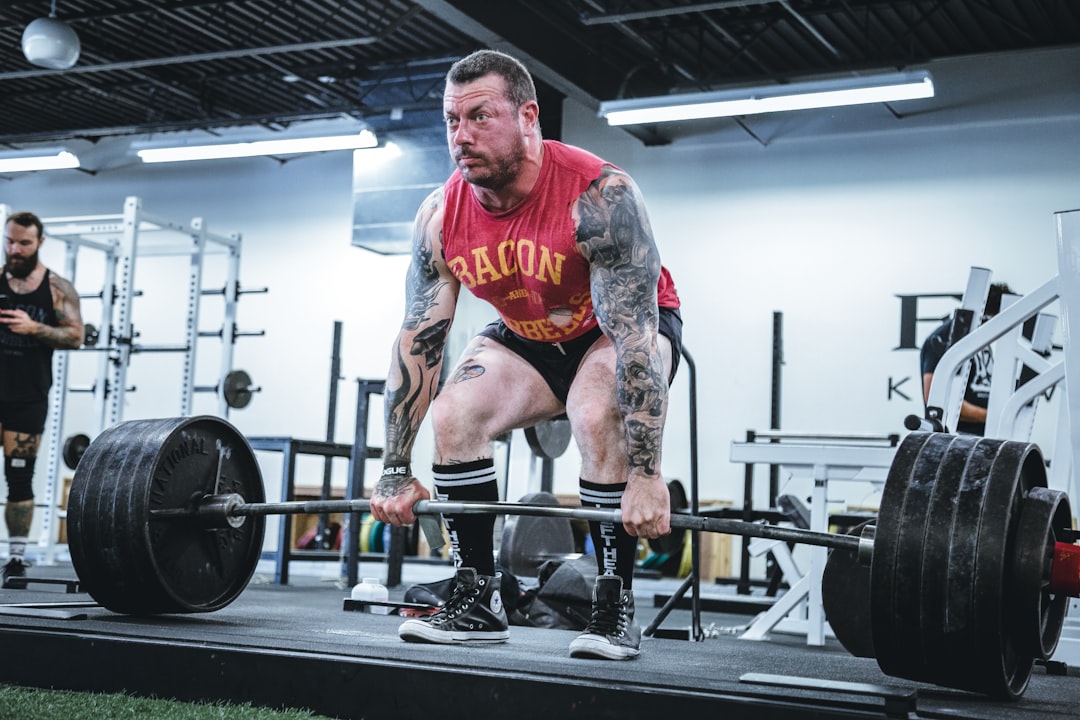
Renee walked into my studio last spring with a marathon medal in her tote bag and a bone density report that read like a rejection letter. Fifty-four years old, twenty-plus years of distance running, yoga three mornings a week, a garden she tended better than most nurseries. Osteopenia. She handed me the scan, folded her arms, and asked the question I’ve now heard a dozen times in my coaching career: “How? I do everything right.” Here’s the uncomfortable answer. She did do everything right — for her heart, her hips’ range of motion, and her sanity. But her skeleton had…
-
-
The text came in at 3:14 a.m. My client Dana — 48, marathoner, more disciplined than half the college athletes I’ve coached — had woken up soaked for the fourth night that week. Her smartwatch, meanwhile, insisted she’d logged “excellent sleep, 96% recovery.” She sent me a screenshot with three words: “Make this make sense.” I stared at it for a long moment, because I’ve lived some version of that same mismatch myself. For years, the wearable industry built its algorithms around bodies that run like metronomes — predictable cycles, stable temperatures, textbook sleep architecture. Then perimenopause arrives and quietly…
-
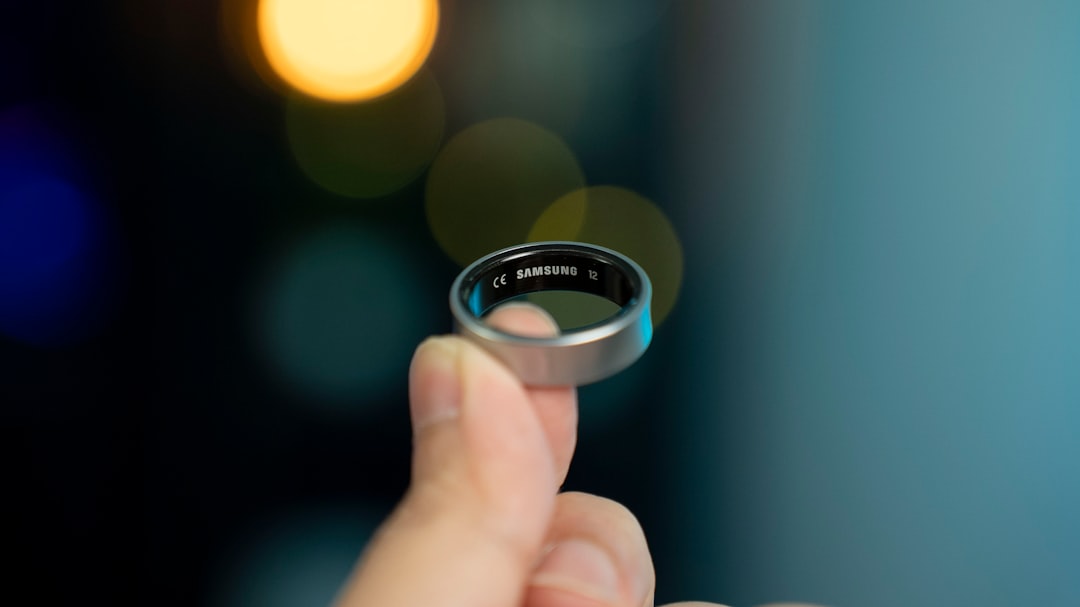
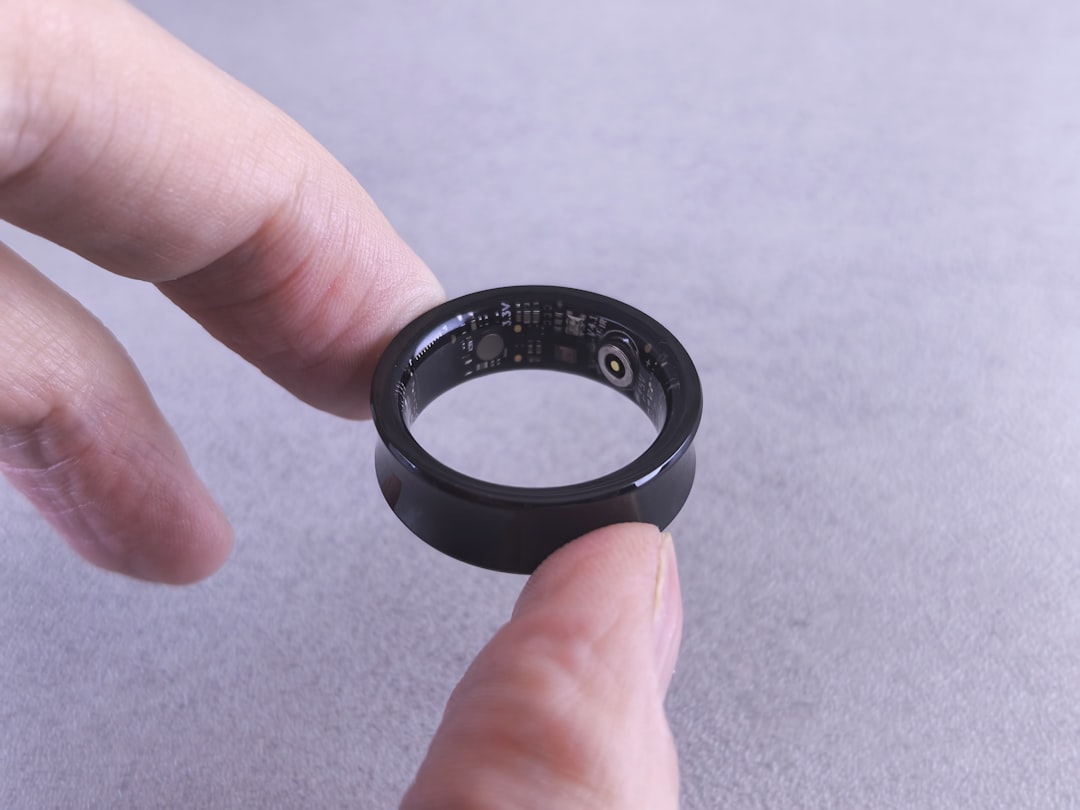
Six months ago, my nightstand looked like a small electronics store. A fitness watch, a sleep tracking mat, a heart rate strap for training, a separate HRV logger, and a recovery scoring band that I wore on my wrist. Each device did one job reasonably well, and together they painted a complete picture of my health — at the cost of about $2,000 and a nightly ritual of charging, syncing, and calibrating that took longer than brushing my teeth. Then a five-gram piece of titanium showed up in a tiny box and quietly made all of them obsolete. I have…
-
I held out for years. Every time a client asked me about creatine, I’d give them the same cautious answer: “It’s great for athletes, but let’s focus on the basics first.” Translation? I hadn’t done my homework. I’d absorbed the same myths everyone else had — that creatine makes you bloated, that it’s only for bodybuilders, that women don’t really need it. Then I actually read the research, and everything changed. Now I take it daily, and I recommend it to almost every woman I coach. Here’s why I stopped side-eyeing one of the most studied supplements on the planet…
-
When My Fitness Tracker Finally Got Me (And Why Yours Probably Doesn’t Yet) For years, my fitness tracker gave me the same generic advice every single day. “Walk 10,000 steps.” “Burn 500 calories.” “Get 8 hours of sleep.” It didn’t matter that I was on day 22 of my cycle, feeling sluggish, bloated, and barely able to drag myself through a workout. It didn’t care that my basal body temperature was half a degree higher than usual, or that my resting heart rate had been climbing for three days straight. It just kept cheerfully suggesting the same one-size-fits-all goals, like…