I used to think hydration was the most boring topic in wellness. Drink water. Add some salt. Move on. But then my team and I spent the first two weeks of July tracking my actual sweat loss during outdoor sessions — weighing in before and after workouts, measuring fluid intake to the ounce, and logging every electrolyte that crossed my lips — and what we found completely rearranged how I approach summer training. Here’s the headline: I was losing nearly two liters of fluid per hour in 95-degree heat. My sodium loss alone was enough to populate a small pretzel…
-
-
I thought I had my nutrition dialed in. After two decades of competitive athletics, coaching, and writing about wellness, I could recite my macros in my sleep. Protein? Covered. Carbs? Timed to perfection around training. Fats? Avocado, olive oil, almonds — all the right sources. But there was one number on my daily tracker that I kept glossing over, week after week, the same way you skip a stretch you know you should do. Fiber. And it turns out, that single oversight was quietly shaping how my body processed everything else I was putting into it. It wasn’t until a…
-
Something strange happened to me at the track last Tuesday. I was mid-interval — 400 meters in, legs burning, lungs doing their job — when I instinctively glanced at my wrist for my split time. There was nothing there. No glowing screen. No digits. Just a slim band of matte black polymer against my sweaty skin. And for the first time in fifteen years of training with a screen bolted to my body, I didn’t feel like I was missing anything. That band on my wrist was the new Google Fitbit Air, and it represents something I think is the…
-
I’ll be honest — when a friend slid a pair of Bala Bangles across the table at brunch and said, “Just wear these around,” I laughed. Two pounds. On my wrists. During normal life. I’ve deadlifted twice my body weight and sprinted alongside near-Olympic-level athletes. What could a wrist weight the heft of a bag of coffee beans possibly do for someone like me? Thirty days later, I’m writing this with slightly sore deltoids and a completely different relationship with the concept of “incidental fitness.” Let me explain. The Science I Should Have Respected Sooner NEAT — Non-Exercise Activity Thermogenesis…
-
I’ll be honest — when a friend slid a pair of Bala Bangles across the table at brunch and said, “Just wear these around,” I laughed. Two pounds. On my wrists. During normal life. I’ve deadlifted twice my body weight and sprinted alongside near-Olympic-level athletes. What could a wrist weight the heft of a bag of coffee beans possibly do for someone like me? Thirty days later, I’m writing this with slightly sore deltoids and a completely different relationship with the concept of “incidental fitness.” Let me explain. The Science I Should Have Respected Sooner NEAT — Non-Exercise Activity Thermogenesis…
-
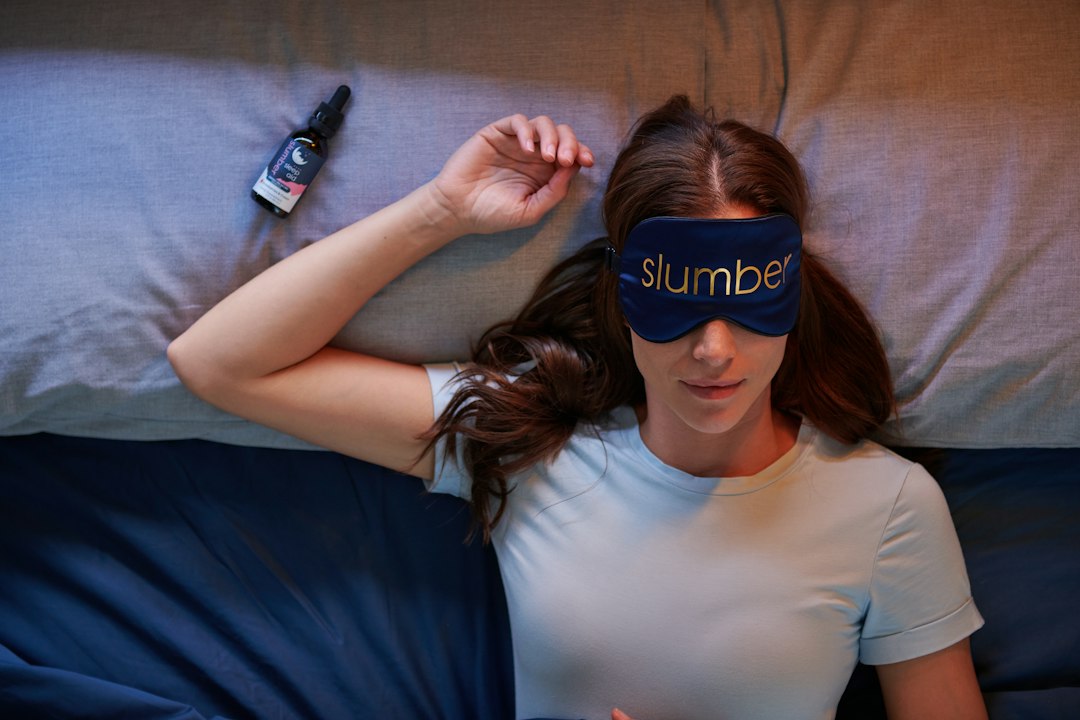
Last July, I hit a wall. Not the kind where you push through a tough workout and feel accomplished — the kind where your body simply stops responding. My reaction time was sluggish, my lifts felt fifty pounds heavier than they should have, and I was waking up at 3 AM with the sheets twisted around me like a soggy burrito. For two straight weeks, I chalked it up to overtraining. Then I looked at my sleep tracker. I was getting maybe five hours of real rest per night. Not because I was staying up late or stressing about anything…
-
I’ll be honest — the first time someone handed me a pair of inflatable recovery boots at a triathlon expo, I laughed. They looked like something out of a sci-fi movie, these bulky sleeves that zip up both legs and start rhythmically squeezing like a blood pressure cuff on steroids. But I’d just finished a brutal track session — eight 400-meter repeats at race pace — and my quads were screaming. So I zipped in, hit the power button, and sat there for twenty minutes while the boots did their thing. By the time I unzipped and stood up, I…
-
The first time my physical therapist wrapped electrodes around my quads, I nearly laughed out loud. Little sticky pads? A battery pack? This was going to help me recover from two decades of hammering my body on the track? I’d spent years trusting ice baths, compression boots, and massage guns — equipment that cost thousands and took up half my living room. Now this tiny device was supposed to compete? Two weeks of daily use later, I wasn’t laughing anymore. I was walking down stairs without wincing for the first time in months. My muscles felt flushed, loose, almost brand…
-
The first time my physical therapist wrapped electrodes around my quads, I nearly laughed out loud. Little sticky pads? A battery pack? This was going to help me recover from two decades of hammering my body on the track? I’d spent years trusting ice baths, compression boots, and massage guns — equipment that cost thousands and took up half my living room. Now this tiny device was supposed to compete? Two weeks of daily use later, I wasn’t laughing anymore. I was walking down stairs without wincing for the first time in months. My muscles felt flushed, loose, almost brand…
-
The first time my physical therapist wrapped electrodes around my quads, I nearly laughed out loud. Little sticky pads? A battery pack? This was going to help me recover from two decades of hammering my body on the track? I’d spent years trusting ice baths, compression boots, and massage guns — equipment that cost thousands and took up half my living room. Now this tiny device was supposed to compete? Two weeks of daily use later, I wasn’t laughing anymore. I was walking down stairs without wincing for the first time in months. My muscles felt flushed, loose, almost brand…