When My Fitness Tracker Finally Got Me (And Why Yours Probably Doesn’t Yet)
For years, my fitness tracker gave me the same generic advice every single day. “Walk 10,000 steps.” “Burn 500 calories.” “Get 8 hours of sleep.” It didn’t matter that I was on day 22 of my cycle, feeling sluggish, bloated, and barely able to drag myself through a workout. It didn’t care that my basal body temperature was half a degree higher than usual, or that my resting heart rate had been climbing for three days straight. It just kept cheerfully suggesting the same one-size-fits-all goals, like a clueless personal trainer who’d never actually met me.
Then came 2026, and suddenly everything changed. The latest generation of wearables isn’t just counting steps anymore—they’re using artificial intelligence to track hormonal fluctuations, predict menstrual cycles, and actually provide personalized advice that changes with your body. I recently tested the Oura Ring 4, which launched this year with a proprietary AI model trained specifically on female physiology, and it finally understood what I’d been trying to tell my fitness tracker for years: my body doesn’t work the same way every day, and my fitness routine shouldn’t either.
The Problem With One-Size-Fits-All Fitness Tracking
Here’s the thing most fitness tracker companies don’t like to admit: their algorithms were built on male physiology. The original research behind step counts, calorie burn estimates, and recovery scores? Mostly men. The “optimal” training zones and sleep recommendations? Based on male averages. Even today, many devices still treat women’s cycles as an afterthought—if they acknowledge them at all.
This isn’t just annoying. It’s actively counterproductive. When your fitness app pushes you to hit a personal record on day 1 of your period, when your body is naturally producing less progesterone and your temperature is at its lowest, it’s setting you up for frustration. When it tells you to “push harder” during the luteal phase, when your body is working overtime to prepare for a potential pregnancy, it’s ignoring basic biology. You end up feeling like you’re constantly failing at fitness, when really, you’re just working against your own hormones.
I’ve been there. I spent years trying to force my body into the same workout routine week after week, wondering why some weeks I felt invincible and others I could barely lift my arms. My fitness tracker thought I was being inconsistent. I thought I was being lazy. Turns out, I was just being a woman with a normal menstrual cycle, and my tracker had absolutely no idea how to handle it.
That’s why this new wave of AI-powered hormonal health tracking feels so revolutionary. We’re finally moving beyond generic fitness advice and into personalized insights that actually understand how women’s bodies work. If you’re looking for fitness trackers with cycle tracking, there are more options than ever before, though many still treat women’s health as an afterthought rather than a core feature.
How AI Is Changing the Game for Women’s Health
The key difference between old-school cycle tracking and the new AI-powered approach? Prediction instead of just documentation. Traditional apps like Clue or Flo were basically digital calendars—you told them when your period started, and they estimated when the next one would come based on averages. Helpful, sure, but not exactly cutting-edge.
The new generation of AI-powered devices is doing something much more sophisticated. They’re analyzing multiple data points continuously—heart rate variability, skin temperature trends, resting heart rate, respiratory rate, sleep patterns—and using machine learning to detect the subtle shifts that happen throughout your cycle. Instead of just noting “period started today,” they’re predicting “period will start in three days, based on the 0.3-degree temperature increase and elevated resting heart rate we’re seeing.”
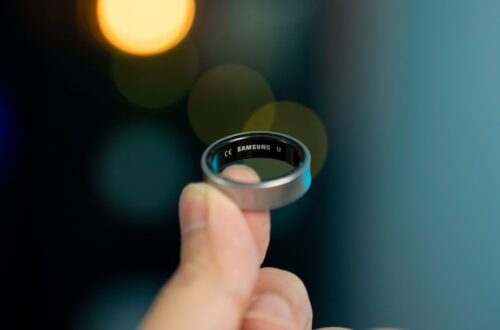
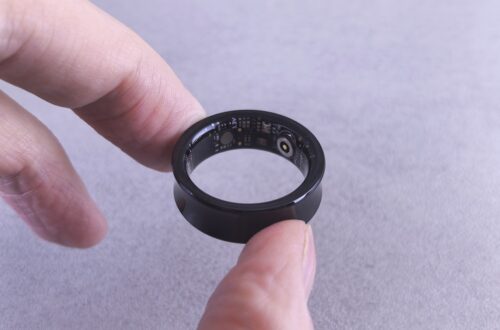
The Oura Ring 4 is leading this charge with its new AI model, launched this year, specifically trained on clinical research about female physiology. It’s not just tracking your cycle—it’s providing insights about how each phase affects your training, recovery, and overall wellness. While the Oura Ring 4 is currently at the forefront of this revolution, other companies are racing to catch up with similar AI-powered features. I’ve also been testing other smart rings that promise comparable functionality, though Oura’s specialized focus on women’s health gives it a distinct advantage.
When I tested it, the app told me my “readiness score” would naturally dip during the luteal phase and suggested lighter workouts. During the follicular phase, when estrogen levels rise and energy typically increases, it nudged me toward higher-intensity training.
But here’s what really blew me away: it started detecting patterns I hadn’t even noticed myself. After a couple of months of data, it flagged that my sleep quality consistently dropped two days before my period started, and suggested adjusting my bedtime accordingly. It noticed my resting heart rate spiked during ovulation and recommended extra hydration. It was like having a coach who actually understood my body’s monthly rhythm. This level of personalized insight is something I’ve never experienced with traditional women’s fitness watches, which still tend to rely on generic algorithms that don’t account for hormonal fluctuations.
Beyond Cycle Tracking: Stress, Sleep, and Recovery
While menstrual cycle tracking is getting the most attention, AI-powered wearables are also transforming how we understand other aspects of women’s health. Stress tracking, for example, has historically been pretty simplistic—most devices just measure heart rate and call it a day. But newer systems are analyzing heart rate variability (HRV) patterns over time to detect chronic stress versus acute stress, and they’re adjusting their recommendations accordingly.
The Oura app, for instance, distinguishes between “good stress” (like a tough workout that elevates your HRV temporarily) and “bad stress” (like prolonged work stress that suppresses HRV over days). This nuanced approach to stress monitoring devices is relatively new, and it’s making a huge difference in how I approach training. Instead of pushing through when my body is already overwhelmed, I’ve learned to respect these signals and adjust accordingly.
It’s a nuanced approach that recognizes not all stress is created equal, and women’s bodies may respond differently to stress at different points in their cycle. Research shows hormonal fluctuations can affect how we process stress, with the luteal phase often bringing increased anxiety for many women. The AI models are starting to account for this, rather than treating stress as a static metric.

Sleep tracking has gotten similarly sophisticated. Instead of just giving you a single sleep score, newer algorithms analyze sleep architecture—how much time you spend in deep sleep versus REM, how your sleep efficiency changes throughout your cycle, and how factors like temperature and timing affect your rest. I’ve even invested in specialized sleep tracking devices that integrate with my cycle data, helping me understand how my hormonal changes affect my rest quality.
I’ve learned, for example, that my body temperature naturally rises during the luteal phase, making it harder to fall asleep. My tracker now suggests cooling strategies and earlier bedtimes during that week, which has honestly been a game-changer for my energy levels. This insight led me to try cooling sleep products like temperature-regulating sheets and a cooling mattress pad, which have made a noticeable difference during those challenging luteal phase nights.
Recovery is another area where AI is providing new insights. Traditional fitness trackers would tell you to rest if your heart rate was elevated. But AI-powered systems can distinguish between different types of recovery needs—whether your body needs active recovery, complete rest, or nutritional support. They’re looking at the full picture: your HRV trends, your sleep quality, your cycle phase, and your recent training load. It’s a holistic approach that recognizes women’s bodies don’t recover the same way at every point in their cycle. For more on cycle-based recovery strategies, check out my guide to the best recovery tools for 2026.
The Privacy Question: What Happens to Your Health Data?
Here’s the uncomfortable reality: when you’re wearing a device that tracks your menstrual cycle, sleep patterns, and stress levels, you’re sharing incredibly intimate data with a tech company. And in the post-Roe landscape, that’s not something to take lightly. Women’s health data could theoretically be used to identify pregnancy patterns or other sensitive information.
The companies leading this space are aware of these concerns—at least publicly. Oura emphasizes that its AI model runs locally on your device when possible, minimizing the amount of raw data sent to the cloud. They’ve also been transparent about their data retention policies and encryption practices. But the truth is, any connected device is collecting data, and it’s important to read the privacy policies carefully before you start sharing your cycle information with a corporate server.
For me, the tradeoff has been worth it—the insights I’ve gained about my body have genuinely improved my health and fitness. But I’m thoughtful about what I share and where. I recommend doing your research, choosing companies with strong privacy track records, and being mindful of what health information you’re putting out there.
Practical Tips for Getting Started with AI-Powered Cycle Tracking
If you’re ready to upgrade from basic step counting to AI-powered hormonal health tracking, here’s what I recommend based on my experience testing these devices:
Start with baseline data: Most AI-powered devices need at least 2-3 cycles of data before they can start making accurate predictions. Don’t expect day-one magic—wear the device consistently, log your period start and end dates accurately, and be patient while the algorithm learns your patterns. Whether you choose a smart ring or traditional fitness watch, consistency is key to getting accurate, actionable insights.
Use the insights, don’t just collect them: It’s fascinating to see your temperature curve and HRV patterns, but the real value comes from actually using that information. If your tracker suggests lighter workouts during the luteal phase, try adjusting your home workout routine with lower-impact exercises. If it flags sleep disruptions before your period, experiment with adjusting your bedtime or sleep environment. The data is only useful if you act on it.
Track symptoms alongside the data: Most devices allow you to log symptoms like cramps, headaches, mood changes, or energy fluctuations. This helps the AI correlate your subjective experience with the objective data it’s collecting. Over time, you’ll start to see patterns—like how your energy consistently crashes on day 21 of your cycle, or how certain foods affect your bloating during the follicular phase.
Remember it’s a tool, not a replacement for medical care: AI-powered wearables can provide amazing insights, but they’re not medical devices. If you’re experiencing irregular cycles, severe symptoms, or sudden changes, talk to a healthcare provider. These trackers are great for optimization and awareness, but they don’t replace professional medical advice.
Be kind to yourself during the adjustment period: When you first start seeing how dramatically your cycle affects your performance, it can be discouraging. You might realize you’ve been pushing too hard during low-energy phases or missing opportunities during high-energy phases. Use this awareness to adjust your training, not to beat yourself up. The goal is working with your body, not against it.
The Future of Women’s Health Tech
What excites me most about this space is how quickly it’s evolving. The Oura Ring 4’s AI model is just the beginning—other companies are racing to develop similar women-focused algorithms, and researchers are publishing new studies on female physiology and fitness performance. We’re moving from an era of “shrink it and pink it” product design to genuinely thoughtful technology designed for women’s bodies.
In the next few years, I expect we’ll see even more sophisticated hormonal health tracking—possibly including continuous glucose monitoring integrated with cycle data, more advanced prediction capabilities for conditions like PCOS, and AI models that can provide personalized nutrition and supplement recommendations based on your cycle phase. We might even see fertility tracking that’s accurate enough to serve as birth control (though that’s still a ways off, and I wouldn’t recommend relying on any device for that just yet).
The most important shift, though, is cultural. For too long, women’s health has been treated as a niche topic, a specialty concern, an afterthought in the broader fitness industry. These AI-powered wearables are part of a larger movement recognizing that women’s bodies aren’t just “men’s bodies plus some hormones”—they’re fundamentally different, with different needs, different patterns, and different optimal approaches to fitness and wellness.
When my fitness tracker finally started understanding my cycle, it wasn’t just a cool tech upgrade—it was validation. All those years I spent wondering why some weeks felt easy and others felt impossible? I wasn’t imagining it. My body was doing something different, and finally, my technology was sophisticated enough to notice. That’s not just convenient—it’s revolutionary.
Making the Switch: What to Consider Before You Buy
If you’re thinking about upgrading to an AI-powered wearable for cycle tracking, there are a few practical considerations to keep in mind. Before making the investment, I’d recommend checking out my complete guide to smart rings and health trackers for a detailed comparison of the top options on the market.
First, budget: these devices aren’t cheap. The Oura Ring 4 starts at $349, and that’s without the subscription for advanced analytics. However, if you’re serious about cycle-based training, there are more affordable cycle-tracking options entering the market that still offer solid AI-powered insights. Think about what features matter most to you—are you primarily interested in cycle tracking, or do you want comprehensive fitness and health monitoring?
Comfort and wearability are also important factors, especially if you’re someone who struggles with wearing devices 24/7. Rings are less obtrusive than watches, but some people find they take getting used to. Watches offer more features but can be annoying to sleep in. Consider your lifestyle and what you’ll actually wear consistently—because the data is only useful if you’re actually collecting it.
Battery life is another practical consideration. Most rings need to be charged every few days, while smartwatches typically require daily charging. If you’re someone who forgets to charge devices, look for options with longer battery life or quick-charging capabilities. Nothing’s worse than missing crucial cycle data because your tracker died.
Finally, think about the ecosystem. If you already use other fitness apps or smart home devices, check whether the wearable integrates with them. Some devices play nicely with Apple Health or Google Fit, while others have more limited integration. If you’re deeply invested in a particular fitness ecosystem, you’ll want a device that works seamlessly with it. For more on the differences between traditional wearables and these new AI-powered options, check out my comparison of the best fitness smartwatches—it breaks down which features actually matter for women’s health versus which are just marketing fluff.
The Bottom Line: Is AI-Powered Cycle Tracking Worth It?
After months of testing these devices and tracking my cycle with AI-powered insights, I can say this: if you’re a woman who works out and you’ve ever felt frustrated by generic fitness advice that doesn’t account for your cycle, this technology is absolutely worth considering. The difference between a fitness tracker that tells you to “push harder” every day and one that says “you’re in the luteal phase, your energy will be lower this week, let’s adjust your training accordingly”—it’s night and day.
That said, these devices aren’t magic. They’re tools, and like any tool, their value depends on how you use them. The AI is getting impressively good at detecting patterns and providing insights, but you still need to do the work of acting on those insights. You still need to listen to your body, adjust your training, and make lifestyle changes based on what the data is telling you.
For me, the biggest benefit has been the cessation of self-blame. All those years I spent feeling like I was failing at fitness because I couldn’t maintain the same intensity week after week? Turns out, I was just being a human woman with a normal menstrual cycle. My fitness tracker finally understands that, and honestly? It’s about time.
If you’re ready to stop fighting your hormones and start working with them, this new generation of AI-powered wearables might be exactly what you’ve been waiting for. Welcome to the future of women’s fitness—finally, it’s designed for women.