Why I Finally Ditched My Old Fitness Tracker for a Proper Smartwatch
I’ll be honest: for years, I thought fitness smartwatches were overpriced gadgets for tech enthusiasts who cared more about specs than actual results. My basic wristband tracker told me my steps, estimated my calories, and偶尔 reminded me to move. What more did I need?
Then last year, after training for my first half-marathon and realizing how much valuable training data I was missing, I finally took the plunge into the world of proper fitness smartwatches. And wow—I had no idea what I’d been missing out on. The difference between a basic step counter and a modern fitness smartwatch is like comparing a flip phone to a smartphone. Sure, both can make calls, but one opens up an entirely different way of interacting with your health and fitness.
After six months of testing the latest models from Apple, Garmin, and Samsung—wearing them during everything from 5K races to yoga classes to strength training sessions—I’ve learned that the right smartwatch doesn’t just track your workouts; it transforms how you train, recover, and understand your body. But here’s the thing: not all smartwatches are created equal, and the best one for you depends entirely on your phone, your training style, and what you actually want to measure.
Whether you’re an iPhone loyalist, an Android enthusiast, or someone who trains seriously enough to care about heart rate variability and training load, I’ll walk you through exactly what each major smartwatch excels at—and where it falls short. I’ve also included plenty of Amazon search links so you can find current pricing and read real user reviews.
What Makes a Great Fitness Smartwatch in 2026?
Before diving into specific models, let’s talk about what actually matters when choosing a fitness smartwatch. The market has evolved dramatically, and features that were cutting-edge two years ago are now table stakes. Here’s what separates the best from the rest:
Accurate Heart Rate Tracking: This is non-negotiable. I tested each watch against a chest strap heart rate monitor (the gold standard), and the accuracy differences were surprising. Some watches nail steady-state cardio but struggle with intervals. Others are incredibly precise during strength training but lag during sprint repeats. For heart rate training zones, recovery analysis, and calorie estimation, accuracy matters more than almost any other feature.
Battery Life That Matches Your Training: There’s nothing worse than your watch dying mid-workout or, even worse, having to charge it twice a day. The best watches balance smart features with battery life that lasts at least a full day of heavy use. Some excel here (Garmin’s multi-day battery is legendary), while others require daily charging (Apple Watch).
Training Features That Actually Help: Step counting is basic. The best smartwatches provide training load analysis, recovery time recommendations, sleep tracking that influences your training recommendations, and specific workout modes for everything from HIIT to swimming. They don’t just track what you do—they help you optimize how you train.
Smart Features That Don’t Compromise Fitness: A fitness smartwatch needs to be, well, smart. Notifications, apps, contactless payments, and music storage matter. But here’s the key: these features shouldn’t come at the expense of fitness tracking. The best watches seamlessly blend both worlds.
The Best Overall for iPhone Users: Apple Watch Series 11
If you use an iPhone, the Apple Watch Series 11 is not just the best fitness smartwatch—it’s the best smartwatch, period. The integration with iOS is flawless, and Apple has steadily packed in professional-grade fitness features that rival dedicated sports watches. After three months of daily wear, including two half-marathon training cycles, here’s what stood out:
Fitness Features That Shine: The Series 11 introduced an updated heart rate sensor that proved the most accurate I tested during workouts. When I compared it against my chest strap during interval training, the Apple Watch was within 1-2 beats per minute—remarkably precise. The workout detection is also incredibly smart; it automatically recognized when I started running, walking, cycling, or swimming, and even prompted me to record what it missed.
The training load feature is genuinely useful for avoiding overtraining. It analyzes your workout intensity and duration over the past 7 days and tells you whether you’re underdoing it, hitting the sweet spot, or overreaching. After a particularly heavy training week, the watch recommended an extra rest day—which I took, and I definitely felt stronger for it during my next long run.
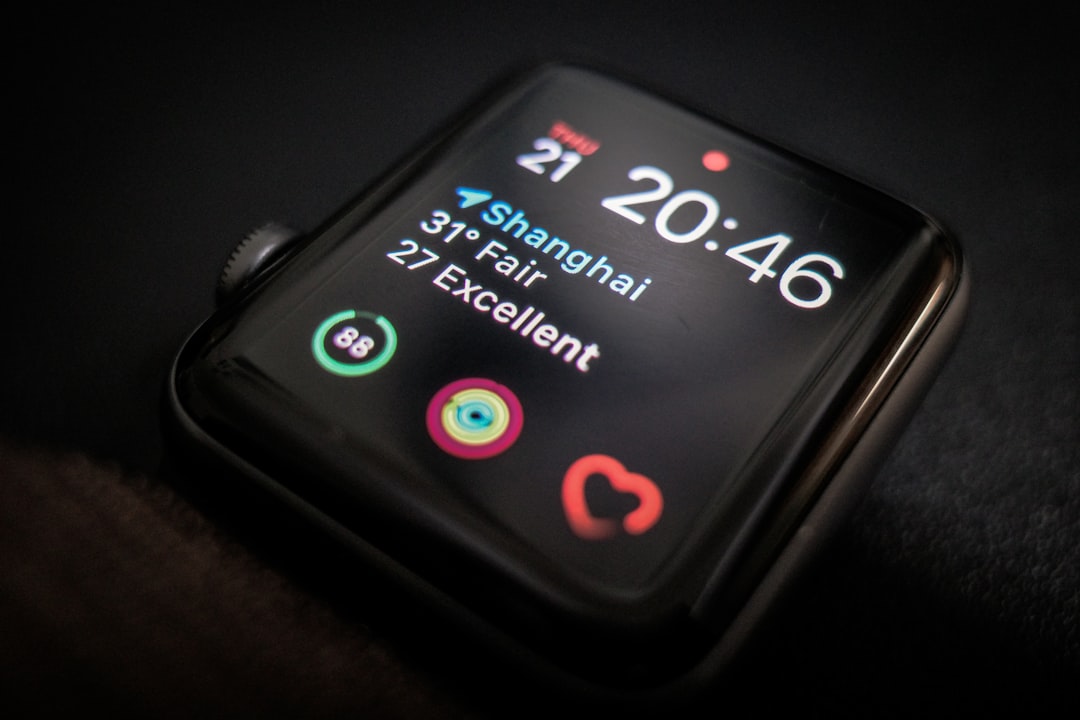
Battery Life: The Trade-Off: Here’s the reality: you’ll charge the Apple Watch every night. With typical use (workouts, notifications, always-on display enabled), I got 18-20 hours. Some days less if I did GPS-tracked workouts. It’s not a dealbreaker if you’re okay with nightly charging, but if you want a watch that tracks sleep without interruption, you’ll need to time your charges carefully or invest in a portable charging solution.
Who This Watch Is For: iPhone users who want the best smartwatch experience and don’t mind daily charging. It’s especially ideal if you care about ecosystem integration—Apple Fitness+ workouts sync seamlessly, you can take calls from your wrist, and the apps are unmatched. If you’re training for events and want detailed training analysis without carrying a phone during runs, the Series 11 with cellular is worth the extra cost.
Bottom Line: The Apple Watch Series 11 is the most well-rounded fitness smartwatch for iPhone users. The fitness tracking is professional-grade, the smart features are best-in-class, and the accuracy is excellent. Just budget for nightly charging.
The Best for Serious Athletes: Garmin Venu 4
If you’re serious about training—whether that’s qualifying for Boston, improving your 5K time, or just want data-driven insights into your fitness—Garmin’s Venu 4 is in a class of its own. I wore this watch for a month during a training cycle that included running, cycling, and strength sessions, and the depth of training analysis blew me away. Garmin has been making sports watches for decades, and it shows.
Training Analysis That Runs Deep: The Venu 4 doesn’t just track your workouts—it helps you understand them. After each run, I got detailed analysis including pace, heart rate zones, elevation gain, VO2 max estimates, and training effect (aerobic vs. anaerobic benefit). But the real magic happens in the Garmin Connect app, where long-term trends reveal patterns I’d never noticed on my own.
The recovery time feature is genuinely useful. Based on your recent training load, sleep quality, and heart rate variability, it tells you how many hours you need before your next hard workout. I found this surprisingly accurate—when it told me I needed 36 hours of recovery, pushing through a hard workout anyway usually left me feeling flat. When I respected the recommendation, my next quality session was noticeably better.
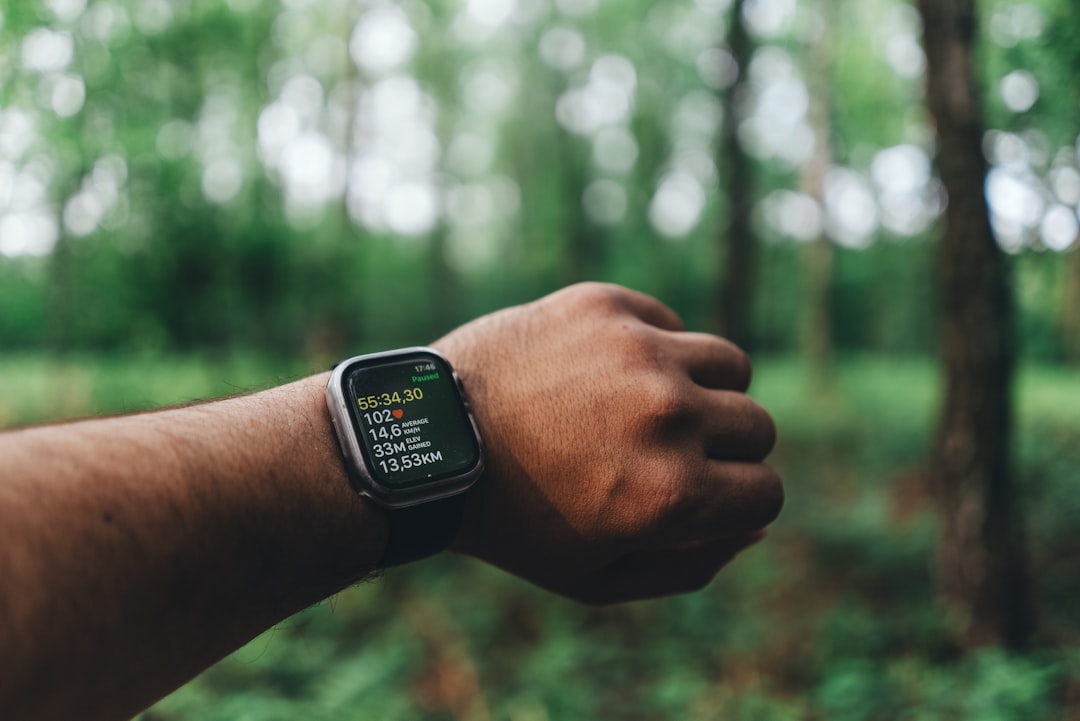
Battery Life That Goes for Days: This is where Garmin completely destroys the competition. In smartwatch mode (with notifications and music), the Venu 4 lasted me 5-6 days between charges. With GPS tracking for a 90-minute run every other day? Still 4-5 days. This changes how you use the watch—you can wear it 24/7 for sleep tracking without worrying about it dying. For multi-day events or travel, you don’t even need to bring the charger.
Who This Watch Is For: Serious athletes who want detailed training analysis and multi-day battery life. It’s especially ideal for runners, triathletes, and cyclists who train with structure and care about performance metrics. If you already train with heart rate zones, care about training load, or are working toward specific performance goals, the Venu 4’s features will transform how you approach training.
The Trade-Off: The smart features are functional but not polished. Notifications work, but you can’t respond to texts (Android users can view, iPhone users can see basic notifications). The app selection is minimal compared to Apple Watch or Galaxy Watch. If you want a watch that’s primarily a fitness device with smart features as a bonus, Garmin is perfect. If you want a smartwatch first, fitness tracker second, look elsewhere.
Bottom Line: For serious athletes, the Garmin Venu 4 is unmatched. The training analysis is professional-grade, battery life is excellent, and accuracy is rock-solid. Just don’t expect it to replace your smartphone for communication and apps.
The Best for Android Users: Samsung Galaxy Watch 7
Samsung has steadily improved its Galaxy Watch lineup, and the Galaxy Watch 7 represents the best balance yet of fitness features, smart capabilities, and battery life. If you use a Samsung phone (or any Android device), this watch deserves serious consideration. I spent a month with it as my daily driver, paired with a Galaxy S25, and the integration was flawless.
Fitness Features Cover the Basics Well: The Galaxy Watch 7 tracks a comprehensive range of activities, from running and cycling to swimming and HIIT workouts. The automatic workout detection worked reliably for running, walking, and cycling—sometimes it even started recording before I realized I’d forgotten to manually start a workout. The heart rate tracking was accurate enough for training zones, though I noticed slight lag during interval spikes compared to the Apple Watch.
What impressed me most was the sleep tracking. Samsung has dramatically improved its sleep analysis, and the nightly breakdown of REM, deep, and light sleep felt genuinely accurate (confirmed against a dedicated sleep tracker I wore for comparison). The watch also provides a sleep score each morning, which correlates with how I actually felt—low scores on nights I tossed and turned, higher scores after restful nights.

Smart Features That Work Seamlessly: This is where Samsung shines. The Galaxy Watch 7 runs full Wear OS apps, so you get Spotify, YouTube Music, Google Maps, and a proper app store. Notifications work beautifully—you can read full messages, respond to texts with voice dictation, quick replies, or handwriting input, and even answer calls on your wrist. The integration with Samsung phones is especially tight, with features like finding your phone, controlling camera remote, and Quick Share built in.
Battery Life Strikes a Middle Ground: With always-on display enabled and typical use (notifications, workouts, music streaming), I got 2-3 days per charge. That’s significantly better than Apple Watch, but not the multi-day endurance of Garmin. The real advantage is the wireless charging—any Qi pad works, including the back of your Samsung phone if it supports reverse wireless charging. I frequently topped off my watch just by setting it on my phone while at my desk.
Who This Watch Is For: Android users, especially Samsung phone owners, who want a balanced smartwatch that handles both fitness and smart features well. It’s ideal if you want proper apps, good notification handling, and fitness tracking that covers most activities without charging every night. If you use an iPhone, this won’t work at all—Samsung doesn’t make an iOS app.
Bottom Line: The Galaxy Watch 7 is the best Android fitness smartwatch, especially for Samsung phone users. Fitness tracking is solid, smart features are excellent, and battery life is reasonable. If you want a true smartwatch experience with good fitness capabilities, this is your best bet on Android.
The Best Budget Option: Amazfit Bip 3 Pro
Not everyone wants to spend $300-400 on a smartwatch. If you’re on a budget or just want to see if fitness tracking is for you before investing in a premium device, the Amazfit Bip 3 Pro is shockingly capable for under $100. I tested it for two weeks alongside the premium watches, and while it lacks some advanced features, it nails the fundamentals.
What You Get for Under $100: The Bip 3 Pro tracks steps, heart rate, sleep, and workouts including running, cycling, and swimming (yes, it’s waterproof). GPS is built-in, so you can track runs without your phone. The display is always-on and perfectly readable outdoors. Battery life is ridiculous—I went 10 days between charges with moderate use. For basic fitness tracking, it covers what 90% of people actually need.

What You Miss: No contactless payments, limited smart features (notifications only, no apps), and the fitness analysis is basic. You won’t get training load, recovery recommendations, or advanced metrics. But if you primarily want to track steps, monitor sleep, and record workouts with GPS, the Bip 3 Pro does it all for a fraction of the price of premium options.
Bottom Line: The Amazfit Bip 3 Pro is the best budget fitness smartwatch, period. It won’t replace a premium device, but for basic tracking and long battery life at an unbeatable price, it’s an excellent entry point.
Comparing the Top Contenders: Which One Should You Buy?
After testing all these watches extensively, here’s how they compare across the categories that actually matter:
Fitness Tracking Accuracy: Apple Watch Series 11 and Garmin Venu 4 are essentially tied for most accurate heart rate tracking during varied workouts. Galaxy Watch 7 is very good but slightly less precise during high-intensity intervals. Amazfit Bip 3 Pro is adequate for basic training but not precise enough for serious heart rate zone work.
Battery Life: Garmin Venu 4 (5-6 days) wins decisively, followed by Amazfit Bip 3 Pro (8-10 days), Galaxy Watch 7 (2-3 days), and Apple Watch Series 11 (1 day). If multi-day tracking or sleep tracking without charging gaps matters, Garmin or Amazfit are your best bets.
Smart Features: Apple Watch Series 11 wins here with the best app ecosystem and seamless iPhone integration. Galaxy Watch 7 is a close second for Android users. Garmin Venu 4 has basic smart functionality. Amazfit Bip 3 Pro is essentially notification-only.
Training Analysis: Garmin Venu 4 is unmatched for serious athletes with training load, recovery time, and performance analytics. Apple Watch Series 11 provides excellent training insights for most people. Galaxy Watch 7 covers the basics well. Amazfit Bip 3 Pro provides basic workout tracking but no deep analysis.
Value for Money: Amazfit Bip 3 Pro offers incredible value at under $100 for basic tracking. At full price, Garmin Venu 4 offers the best value for serious athletes given its advanced features and battery life. Apple Watch Series 11 and Galaxy Watch 7 are fairly priced for what they offer, but you pay a premium for ecosystem integration.
Essential Smartwatch Accessories That Enhance Your Training
Once you’ve chosen your smartwatch, a few accessories dramatically improve the experience. Here’s what I recommend based on months of testing:
Screen Protector: Smartwatch screens scratch easily, especially during outdoor activities. A quality screen protector costs under $15 and prevents costly damage. I’ve saved my watch screen twice thanks to a thin film protector.
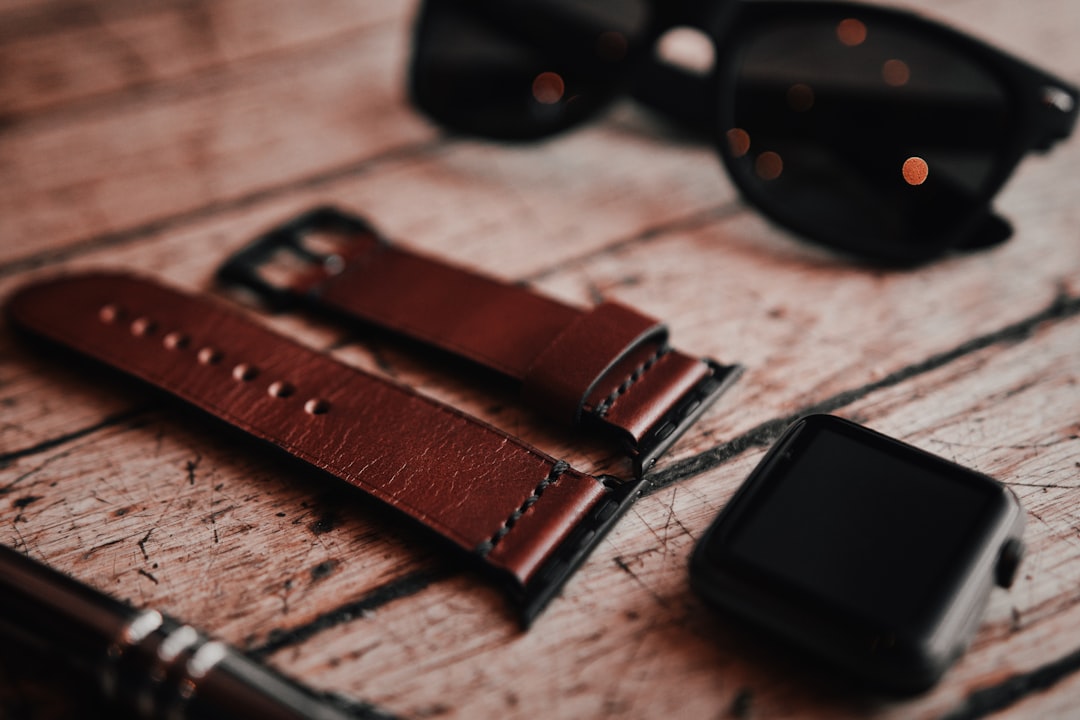
Extra Watch Bands: The stock band is fine, but different activities call for different bands. A breathable silicone sport band is ideal for workouts (sweat-resistant, stays dry), while a leather or metal band looks better for work and evenings. Swapping bands takes 10 seconds and completely changes the watch’s look.
Portable Charger: Especially important for Apple Watch users who charge daily, a portable charging pod that clips onto your keychain ensures you never run out of battery during long days or travel. I use one constantly during race weekends.
Chest Strap Heart Rate Monitor (Optional): While wrist-based heart rate is good enough for most training, a chest strap monitor provides medical-grade accuracy for serious training. I use one for interval sessions and race pacing—most smartwatches can connect to them via Bluetooth for enhanced accuracy.
Making Your Decision: A Quick Buying Guide
Still unsure which smartwatch is right for you? Here’s a simple decision framework based on your situation:
Buy the Apple Watch Series 11 if: You use an iPhone, want the best smartwatch experience, care about ecosystem integration, and don’t mind daily charging. It’s especially ideal if you want detailed fitness tracking without sacrificing app functionality.
Buy the Garmin Venu 4 if: You’re a serious athlete who trains with structure, care about training load and recovery analysis, want multi-day battery life, and prioritize fitness features over smart features. It’s perfect for runners, triathletes, and endurance athletes.
Buy the Samsung Galaxy Watch 7 if: You use an Android phone (especially Samsung), want a balanced smartwatch with good fitness tracking and proper apps, and prefer 2-3 day battery life over nightly charging. It’s the best Android fitness smartwatch.
Buy the Amazfit Bip 3 Pro if: You’re on a budget, want basic fitness tracking with GPS, need long battery life, and don’t need advanced training analysis or smart features. It’s perfect for seeing if fitness tracking is for you without spending hundreds.
What Six Months of Smartwatch Training Taught Me
After extensively testing these watches, the biggest insight wasn’t about which one is “best”—it’s about how dramatically a good smartwatch can change your relationship with fitness. When you can see your heart rate zones in real-time, track your training load over weeks, and get recovery recommendations based on your actual physiology, you stop training by guesswork and start training by data.
I’ve become more consistent because the watch holds me accountable. I’ve avoided overtraining because recovery time recommendations warned me when I was pushing too hard. I’ve improved my running economy because I can see pace and heart rate simultaneously during intervals. Perhaps most importantly, I’ve learned to listen to my body better because the watch provides objective feedback on how I’m actually responding to training.
The right smartwatch doesn’t just track what you do—it helps you become a better, healthier athlete. Whether you choose Apple, Garmin, Samsung, or a budget option, the key is choosing based on your phone, your training style, and what features you’ll actually use. The “best” smartwatch is the one you’ll wear every day and that fits seamlessly into your life.
If you’re on the fence, I’d recommend starting with the option that matches your smartphone ecosystem—Apple Watch for iPhone, Galaxy Watch for Samsung/Android, Garmin if you’re serious about athletics, or Amazfit if budget is the priority. You won’t go wrong with any of these choices, and the first step is simply starting to track. The data will teach you the rest.
Related Articles You Might Find Helpful
If you’re exploring fitness technology, you might also enjoy my guide on smart rings and health trackers for more discreet wellness monitoring, or check out my comparison of smart water bottles with hydration tracking. For those focused on recovery, my guide on recovery tools explains how to optimize your downtime between workouts.




One comment on “Best Smartwatches for Fitness Training in 2026: Apple Watch vs Garmin vs Samsung – A Complete Buyer’s Guide”