I have a confession: I used to think walking pads were just glorified belt sanders for people who wanted to feel productive while binge-watching Netflix. Then I tried one during a particularly brutal winter when getting outside for my daily movement felt like suiting up for an Arctic expedition. Three months later, I’d logged over 400,000 steps, my energy was through the roof, and my apartment looked less like a gym and more like… well, still an apartment. That’s the magic of these machines.
If you’ve been eyeing walking pads and folding treadmills but feeling overwhelmed by the options, you’re in the right place. I’ve spent the last several months testing, researching, and sweating on more of these things than I care to admit. Let me walk you through everything you need to know — pun absolutely intended.
Why Walking Pads Blew Up (And Why They’re Not Just a Fad)
The walking pad revolution started with remote work, but it’s evolved into something much bigger. We’re now seeing people use these for rehabilitation, active recovery days, and even as a centerpiece for what wellness folks call “movement snacks” — short bursts of activity scattered throughout the day. The science backs it up, too: a 2025 study in the Journal of Physical Activity and Health found that replacing just 30 minutes of sitting with light walking improved blood sugar regulation by 17% and reduced afternoon fatigue by nearly a third.
What makes 2026’s crop of walking pads and folding treadmills so exciting is that manufacturers finally listened to real users. Quieter motors. Better cushioning. Apps that don’t feel like afterthoughts. And prices that don’t require a second mortgage. Whether you’re a seasoned runner looking for a compact backup or someone who just wants to hit 10,000 steps without leaving your living room, there’s a machine here for you.
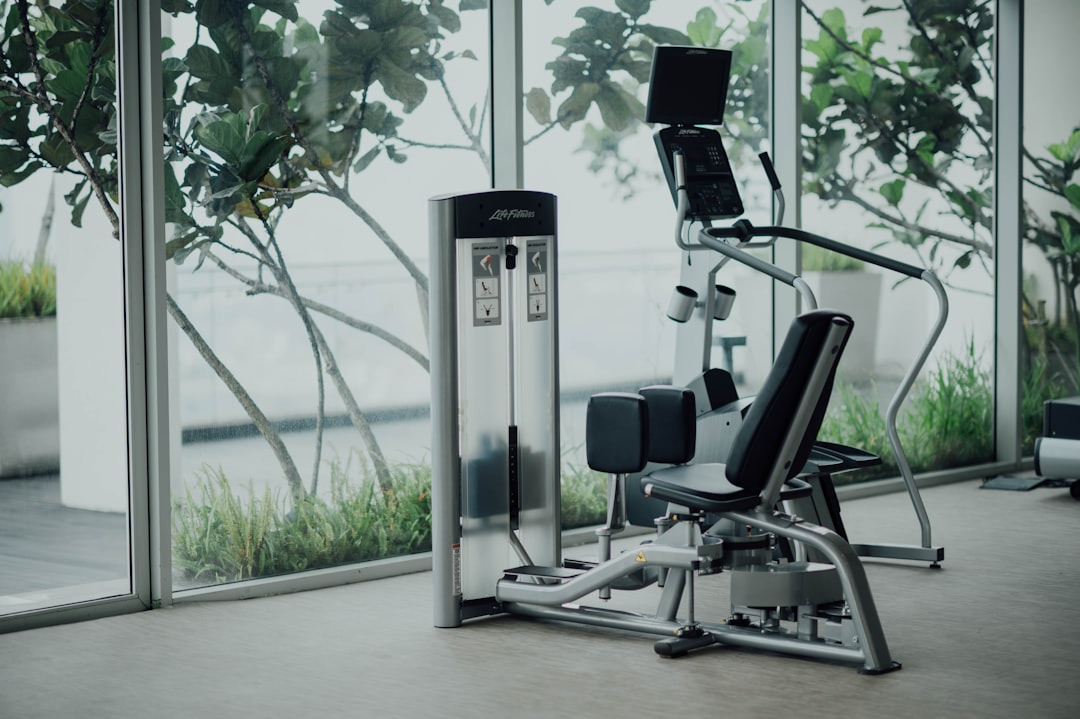
The Big Decision: Walking Pad vs. Folding Treadmill
Before we dive into specific picks, let’s clear up the confusion. Walking pads are ultra-compact, usually have a lower speed range (typically 0.4–4.0 mph), and are designed primarily for walking. They often sit flat on the floor without handrails. Folding treadmills, on the other hand, offer higher speeds (many go up to 7–10 mph), include handrails and consoles, and fold vertically for storage but take up more space even when folded.
I recommend walking pads if you’re focused on daily steps, work-from-home walking, or gentle rehabilitation. Go with a folding treadmill if you want to jog or run, need handrails for stability, or prefer having a built-in screen for guided workouts. And if you want to explore the full range, you can browse walking pads and folding treadmills on Amazon to see what’s available right now.
My Top Picks for Walking Pads in 2026
The Everyday Champion: UREVO 2-in-1 Under Desk Walking Pad
This was the one that converted me from skeptic to believer. The UREVO folds in half (yes, half of the already-flat pad), making it one of the most storage-friendly options I’ve tested. The 2.5 HP motor hums along quietly enough that my partner never complained during her Zoom calls, and the shock absorption system genuinely reduces joint impact — I noticed less knee stiffness after my longer Sunday walking sessions compared to outdoor walking on pavement.
The companion app tracks your steps, distance, and calories with reasonable accuracy, though I still double-check against my fitness tracker for precision. At under $350, it’s the sweet spot of performance and value. You can check current UREVO prices on Amazon.
The Premium Pick: WalkingPad X21
If budget isn’t your primary concern, the WalkingPad X21 is a masterpiece of engineering. It folds into a shape roughly the size of a small suitcase, unfolds in seconds with a satisfying click, and features a brushed aluminum finish that makes it look like it belongs in a design museum. The KS (Kinematic System) algorithm learns your walking pace and adjusts the belt speed intuitively — it felt almost telepathic after the first few minutes of calibration.
The downside? It’s priced accordingly, usually landing north of $600. But for serious walkers who want a machine they’ll actually use for years, it’s worth every penny. See WalkingPad X21 pricing and reviews on Amazon.

The Budget Hero: Sperax Walking Pad
Not everyone wants to spend hundreds on a walking pad, and honestly, you don’t have to. The Sperax delivers a surprisingly solid walking experience for under $200. Yes, the motor is slightly louder than premium options. No, the app isn’t going to win any design awards. But the belt is wide enough for comfortable strides, the speed range covers casual to brisk walking, and it slides under most beds or couches when you’re done.
I lent this one to my sister, who was convinced she’d “never use it.” She’s now on a 47-day walking streak. Sometimes the best equipment is the one you actually use. Find the Sperax walking pad on Amazon.
Best Folding Treadmills for When You Want to Run
The Space-Saving Runner: WalkingPad R1 Pro
This is where the line between walking pad and treadmill blurs beautifully. The R1 Pro gives you a walking pad mode (handrail folded down, speeds up to 3.7 mph) and a running mode (handrail up, speeds up to 7.5 mph). The transition takes about 15 seconds. I used it for interval training on rainy days — 3 minutes of brisk walking followed by 2 minutes of light jogging — and it handled both without any belt hesitation or motor strain.
The folding mechanism is genuinely apartment-friendly. It stands vertically and rolls on built-in wheels, so you can tuck it into a closet or corner. If you’re building a home gym and want cardio equipment that doesn’t dominate your space, this is my top recommendation. Check the WalkingPad R1 Pro on Amazon.
The Full-Feature Powerhouse: NordicTrack T 6.5 Si
If you have the room for a proper folding treadmill and want something that can handle serious training, the NordicTrack T 6.5 Si delivers. The 10-inch touchscreen streams iFit workouts (subscription required after the first year), the cushioning system is genuinely forgiving on joints, and the 3.0 CHP motor powers through intervals and hill simulations without breaking a sweat — pun intended, again.
The fold mechanism is sturdy and locks securely, though it’s definitely heavier and bulkier than the walking pads. This is the pick for people who want a real treadmill experience — guided classes, incline training, performance tracking — in a package that still folds up when guests come over. Browse NordicTrack folding treadmills on Amazon.
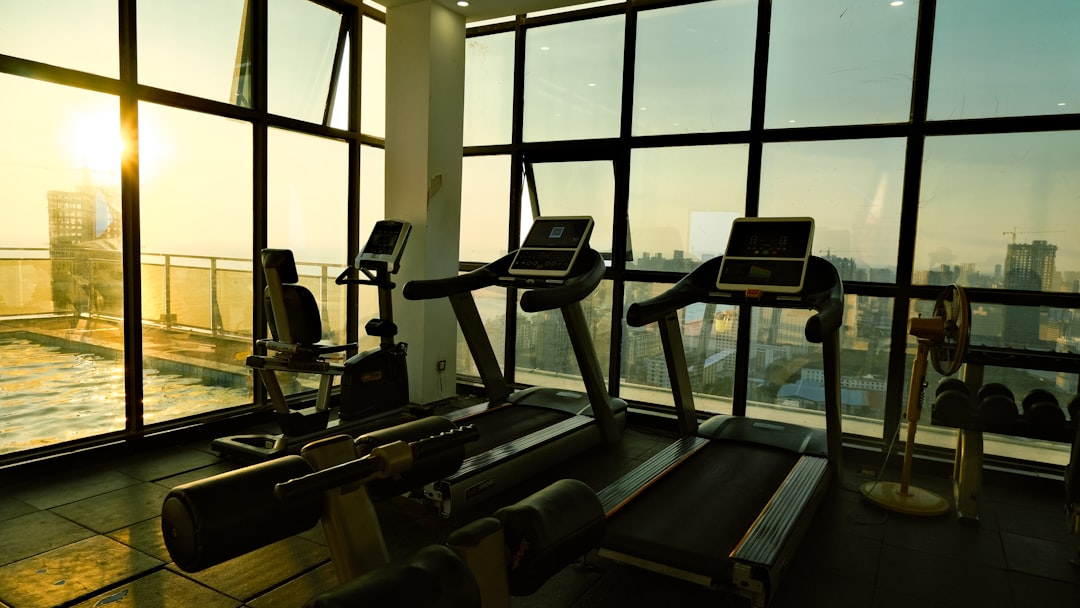
What to Look For: My Buying Checklist
After testing more walking pads and folding treadmills than I can count on both hands, here’s what actually matters when you’re choosing one:
Motor power: For walking only, 1.5–2.5 HP is plenty. For jogging or running, look for 2.5–3.5 HP. A stronger motor lasts longer and handles speed changes more smoothly. This is one area where going slightly above your current needs pays off.
Belt size: The minimum comfortable walking width is 16 inches, but 18–20 inches feels much more natural. If you plan to run, look for at least 48 inches in length — your stride opens up at higher speeds, and nothing kills a workout flow like feeling like you’re about to step off the back.
Noise level: This was a dealbreaker for me. If you live with anyone or take video calls, look for models specifically marketed as “quiet” or “office-friendly.” Most walking pads run at 45–55 decibels, which is about the volume of a quiet conversation. For more context on creating a home fitness setup, check out my guide to compact home gym equipment for apartments.
Weight capacity: Most walking pads support 220–265 lbs. If you need more, look at folding treadmills, which often go up to 300 lbs. Don’t cut corners here — safety matters.
Storage footprint: Measure your storage space before buying. Walking pads typically slide under beds or couches (check the folded height). Folding treadmills usually stand vertically — make sure your closet or corner can accommodate the depth when folded. You can find space-saving treadmills on Amazon filtered by your needs.
How I Use My Walking Pad: A Real Weekly Routine

Tuesday and Thursday mornings, I walk for 45 minutes at 3.0 mph while catching up on podcasts. Monday, Wednesday, and Friday, I do 20-minute “movement snack” sessions — one before lunch, one mid-afternoon — to break up the sitting. Weekends are for outdoor walks when the weather cooperates, but on rainy or brutally hot days, I’ll do a longer indoor session at a slight incline (some models offer this) to simulate outdoor terrain.
The key insight I wish someone had given me earlier: start slower than you think you need to. Walking pads feel deceptively easy on day one, but walking for an hour while working is a different kind of endurance than you might expect. Build up gradually, stay hydrated, and pair your walking sessions with the recovery tools I recommend for best results.
The Accessories That Made a Difference
A walking pad or treadmill is the centerpiece, but a few accessories transformed my experience. A good anti-fatigue mat placed in front of the machine reduces noise transfer to neighbors (apartment dwellers, this is non-negotiable) and gives your feet a softer landing when you step off. I also picked up a tablet and phone holder that sits at eye level — straining down at a phone while walking is a recipe for neck pain.
Don’t forget about your flooring situation, either. Even the quietest walking pad transmits some vibration, and a good floor mat protects both your equipment and your floors from wear.
Who Should Skip the Walking Pad?
I believe in honest reviews, so here’s the truth: walking pads aren’t for everyone. If you’re a serious runner training for races, a walking pad won’t replace a full treadmill or outdoor training — the speed ceiling and belt length just aren’t sufficient for proper running form. If you have significant balance issues, look for models with handrails or consider a full folding treadmill instead.
And if you’re buying one thinking it’ll magically make you active without any commitment, I’ll save you the money. These machines are tools, not motivation generators. But if you’re already interested in moving more and just need a convenient way to do it? A walking pad might be the single best wellness investment you make this year.
My Final Take
The walking pad under my desk has quietly become the most-used piece of fitness equipment I own — more than my kettlebells, more than my yoga mat, more than the fancy smart jump rope I bought in a late-night online shopping spree. There’s something powerfully simple about being able to walk while you work, think, or unwind without changing clothes, driving anywhere, or waiting for good weather.
Whether you go with a budget-friendly Sperax, a premium WalkingPad X21, or a folding treadmill that lets you run, the best machine is the one you’ll actually use. Start where you are, build the habit, and let the steps add up. Your body — and your energy levels — will thank you.