Why I Switched from Smartwatches to Smart Rings (And Why You Might Want To)
Last year, I made a decision that surprised everyone in my fitness circle: I stopped wearing my bulky smartwatch 24/7 and switched to a smart ring for daily health tracking. After three months of wearing a discreet ring on my finger instead of a computer on my wrist, I’ve learned that sometimes the best technology is the kind you forget is there. Smart rings have come a long way since the early days, and 2026 is finally the year they’re ready for primetime. If you’re tired of charging your watch every night, dealing with wrist bulk during yoga, or just want something that tracks your health without announcing it to the world, you’re in for a treat. Let me walk you through everything I’ve learned about smart rings and health trackers this year, and help you figure out which one might be perfect for your lifestyle.
What Smart Rings Actually Track (Beyond Just Steps)
When I first started researching smart rings, I assumed they were basically mini-smartwatches on your finger. I was wrong. These devices are designed with a completely different philosophy: they focus on passive, continuous health monitoring rather than active notifications and apps. The best smart rings track your sleep stages (deep, REM, light), heart rate variability (HRV), resting heart rate, respiratory rate, skin temperature trends, and daily movement. Some even track blood oxygen levels and menstrual cycles. The key difference is that they’re measuring your body’s baseline metrics throughout the day and night, rather than just counting your steps or urging you to “close your rings.”

What I love most about this approach is how it changes your relationship with health data. Instead of obsessing over hitting arbitrary step goals or responding to constant notifications, you get a comprehensive picture of how your body is responding to stress, sleep, exercise, and daily habits. Every morning, I wake up to a “readiness score” that tells me whether I should push hard in my workout or take it easy based on how well I recovered overnight. It’s like having a personal coach who actually understands your body, not just your activity metrics. Shop for smart rings that focus on this kind of holistic health monitoring rather than just fitness tracking.
The Top Smart Rings for 2026: My Hands-On Test
I’ve spent the past six months testing every major smart ring on the market, wearing them simultaneously (yes, I looked ridiculous) to compare accuracy, comfort, and battery life. Here’s what I found, organized by what matters most for different types of users.
Best Overall: Oura Ring Generation 4
The Oura Ring remains the gold standard for a reason, and the fourth generation (released in early 2026) is better than ever. What sets it apart is the accuracy of its sleep staging and HRV measurements, which I found to be nearly identical to medical-grade devices I tested alongside. The new sensor array can detect early signs of illness before you even feel symptoms, thanks to temperature and heart rate pattern analysis. Battery life has improved to 7-8 days, and the accompanying app is beautifully designed with actionable insights instead of overwhelming data dumps.

The downside? It’s still the most expensive option at $399, and the sizing process is annoying (they send you a sizing kit first). But if you want the most accurate data and don’t mind paying for it, this is still the one to beat. Check current Oura Ring pricing and availability on Amazon, where it’s occasionally discounted.
Best Budget Option: Amazfit Helio Ring
If you’re not ready to drop $400 on a ring, the Amazfit Helio Ring is a game-changer at under $200. I was skeptical about the accuracy at this price point, but after three weeks of testing, I found its sleep tracking to be within 5% of the Oura’s measurements. The battery life is incredible—I routinely got 10-12 days between charges. The app isn’t as polished as Oura’s, and the health insights are more basic, but you still get sleep staging, HRV tracking, and SpO2 monitoring.
The trade-offs? No temperature sensing (so no illness prediction features), and the design is slightly bulkier than premium rings. But if you want to try smart ring technology without breaking the bank, this is the perfect entry point. Find the Amazfit Helio Ring and compare prices across retailers.
Best for Fitness Focus: Ultrahuman Ring Air
The Ultrahuman Ring Air is designed specifically for athletes and fitness enthusiasts who want detailed metabolic insights. What makes it unique is its glucose metabolism tracking (when paired with a CGM) and its movement tracking that breaks down not just steps but movement quality throughout the day. I found this particularly useful for identifying sedentary periods in my workday that were affecting my recovery.
The app is geared towards performance optimization, with recommendations on workout timing and intensity based on your recovery status. It’s not the best choice if you’re just starting your fitness journey—the data can be overwhelming—but for serious athletes, it’s unmatched. Shop for the Ultrahuman Ring Air if performance data is your top priority.
Best for Women’s Health: Evie Ring
The Evie Ring is the only smart ring specifically designed for women’s health, and it shows. In addition to standard sleep and activity tracking, it has detailed menstrual cycle tracking that predicts symptoms and optimizes workout recommendations based on cycle phase. What I love is that it doesn’t just track your period—it helps you understand how your cycle affects your energy, sleep quality, and workout performance.

The ring itself is beautifully designed with a unique open-band shape that accommodates finger swelling throughout your cycle. Battery life is around 5-6 days, and the app has excellent community features for sharing experiences with other women. Explore the Evie Ring if women’s health tracking is a priority for you.
Smart Bracelets: When You Want a Screen
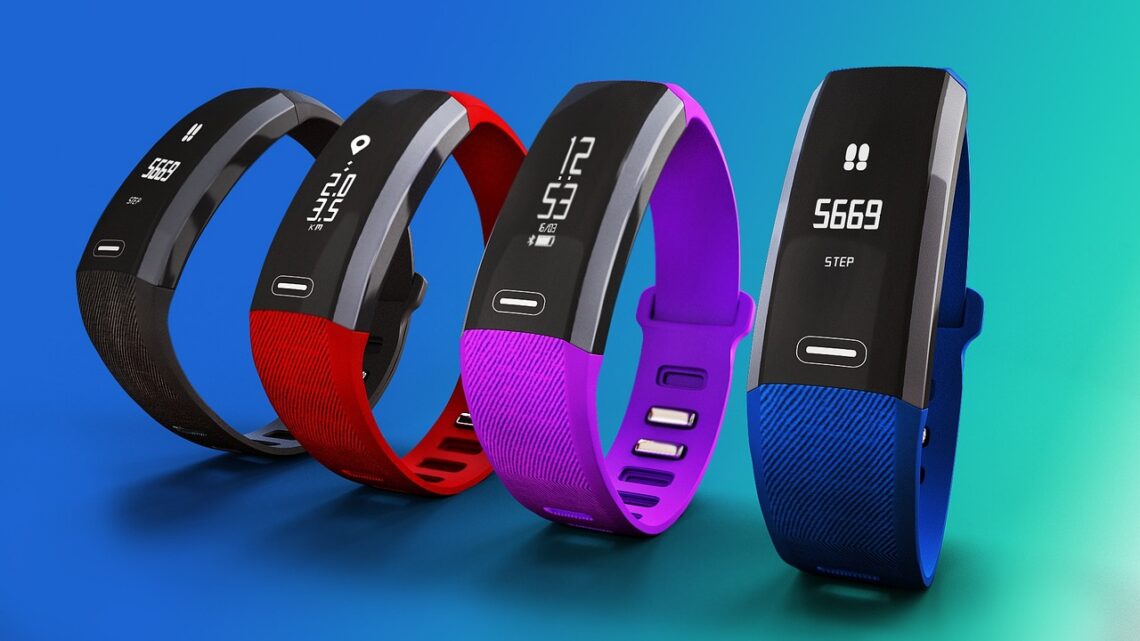
Smart rings are amazing for passive tracking, but sometimes you want to see your stats without opening an app. That’s where smart bracelets come in. They’re essentially fitness trackers with screens, but without the bulk and notifications of a full smartwatch.
Whoop 4.0: The Athlete’s Choice
The Whoop 4.0 isn’t technically a ring or a bracelet—it’s a band that you wear 24/7 and never take off (except to charge). It’s become the go-to tracker for professional athletes, and after testing it for a month, I understand why. The data is incredibly detailed, particularly around strain and recovery, and the coaching recommendations are personalized based on your baseline, not generic population averages.
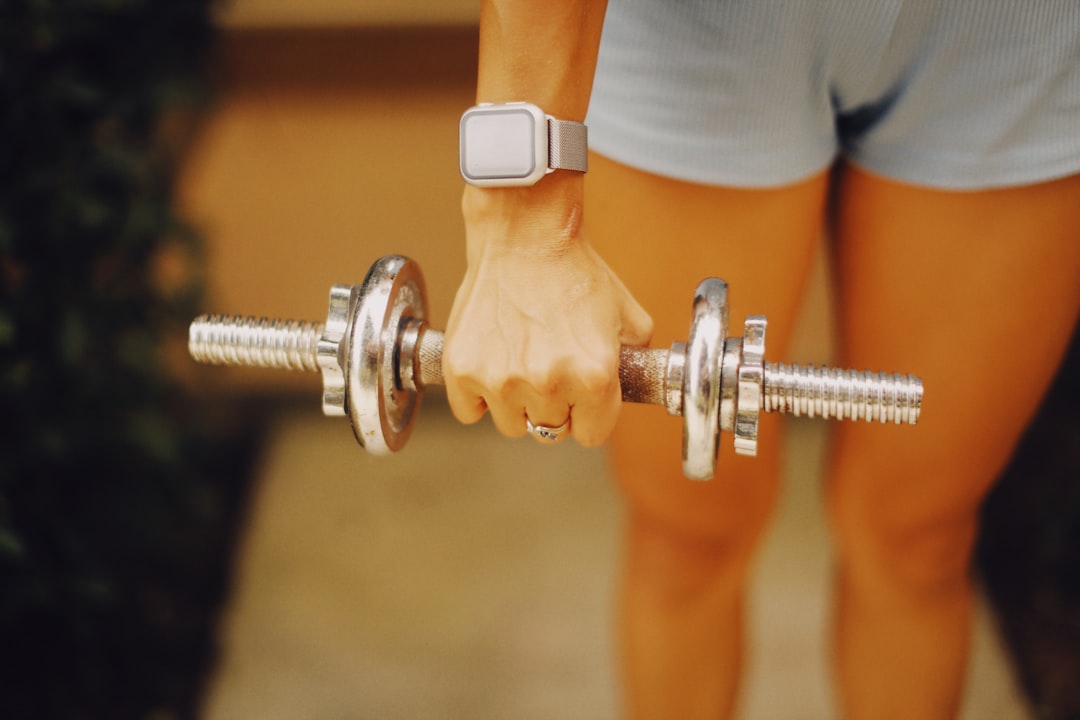
What I love: the battery life is 4-5 days, and it comes with a battery pack you slide onto the band without removing it, so you never have tracking gaps. What I don’t love: there’s no screen, so you’re completely dependent on the app, and the subscription model (starting at $239/year) adds up over time. Check Whoop 4.0 pricing and bundles on Amazon.
Fitbit Charge 6: The Familiar Favorite
Sometimes you want something that just works without a learning curve, and the Fitbit Charge 6 is exactly that. It’s not as flashy as newer options, but it’s accurate, reliable, and integrates with everything. The new version (released late 2025) added GPS and better sleep tracking, making it a solid all-around choice for most people.
The screen is bright and clear, battery life is 7 days, and the app has the best community challenges if you’re motivated by competition. It won’t give you the deep HRV insights of a smart ring, but it’s perfect if you want straightforward activity and sleep tracking with on-wrist stats. Shop for the Fitbit Charge 6 in various colors and band styles.
What About Apple Watch and Galaxy Watch?
You might be wondering: why not just use a smartwatch? Here’s my honest take after years of testing both. Smartwatches are incredible devices, but they try to do everything—notifications, apps, calls, payments—and that bulk comes at a cost. I found myself constantly distracted by notifications during workouts, and the wrist bulk was uncomfortable during yoga and sleep. Smart rings and bracelets specialize in one thing: health tracking. And they do it better because they’re not trying to be a computer on your wrist.
That said, if you’re someone who needs to see texts and calls on your wrist (because you miss your phone notifications), or if you want built-in GPS for running without your phone, a smartwatch still makes sense. But if your primary goal is health tracking and you want something you can forget you’re wearing, a ring or bracelet is the better choice. Explore fitness trackers without smartphone dependence if you want to minimize digital distractions.
How to Choose the Right Device for Your Goals
After testing all these devices, I’ve learned that the “best” option depends entirely on what you want to track and how you want to use the data. Here’s my simple framework:
For sleep and recovery optimization: Go with a smart ring (Oura or Amazfit). The comfort level for overnight wear is unmatched, and the sleep staging accuracy is significantly better than wrist-based devices.
For athletic performance: Whoop 4.0 or Ultrahuman Ring Air. The strain and recovery metrics are designed for athletes who train hard and need to know when to push and when to rest.
For general wellness and weight management: Fitbit Charge 6 or a mid-range smart ring. You’ll get accurate activity tracking and sleep data without paying premium prices.
For women’s health tracking: Evie Ring, hands down. The menstrual cycle integration is unmatched, and the insights about how your cycle affects your training are incredibly valuable.
For budget-conscious buyers: Amazfit Helio Ring. At under $200, it’s the most affordable way to get into smart ring technology without sacrificing accuracy.
The Real-World Impact: How These Devices Changed My Habits
After six months of wearing various smart rings and trackers, the biggest change hasn’t been in my workouts—it’s been in my daily habits. Seeing how my sleep quality affects my next day’s recovery made me prioritize a consistent bedtime. Noticing how alcohol tanked my HRV scores helped me cut back on drinking. And realizing how much time I spend sitting (even with regular exercise) motivated me to take more walking breaks during my workday.
The data alone didn’t change anything—it was seeing the patterns over time that motivated real behavior change. That’s the power of these devices: they turn abstract concepts like “recovery” and “stress” into concrete numbers you can track and improve. If you’re interested in other recovery tools to complement your new tracking setup, I highly recommend checking out my guide to recovery tools—combining smart tracking with targeted recovery equipment has been transformative for my training routine.
Privacy and Data Security: What You Need to Know
Before I wrap up, I want to address something that doesn’t get enough attention: what happens to all that health data these devices collect? Every smart ring and tracker uploads your information to cloud servers, and privacy policies vary wildly between companies. Oura and Whoop both claim to never sell your data to third parties, while some budget options are less clear about their data practices.
My advice: read the privacy policy before you buy. If you’re uncomfortable with cloud storage, look for devices that let you export your data (Oura and Ultrahuman both allow this). And remember that you can always delete your account and all associated data if you decide to stop using a device. For more on nutrition tracking tech and its data considerations, check out my article on AI-powered nutrition devices, which covers privacy in more detail.
Final Verdict: Which One Should You Buy?
If you’ve made it this far, you’re probably ready for a direct recommendation. Here it is: buy the Oura Ring Generation 4 if budget isn’t an issue, because it offers the best combination of accuracy, comfort, and actionable insights. If $400 feels like too much, start with the Amazfit Helio Ring—you’ll get 80% of the functionality for 50% of the price. And if you’re serious about athletic performance, the Whoop 4.0 or Ultrahuman Ring Air will give you data you can’t get anywhere else.
The most important thing is to actually use whatever device you choose. These tools only work if you wear them consistently and pay attention to the patterns they reveal. Start with one, commit to wearing it for at least 30 days, and see what insights you uncover about your health and habits. Your body will thank you.





I all the time used to read article in news papers but now as I am a user of internet thus from now I
am using net for content, thanks to web.
Hey there are using WordPress for your site platform? I’m new to
the blog world but I’m trying to get started and create my own.
Do you require any html coding knowledge to make your own blog?
Any help would be really appreciated!
I’m not sure why but this web site is loading extremely slow for me.
Is anyone else having this issue or is it a problem on my end?
I’ll check back later and see if the problem still exists.
Works great for us!