
The 15-Minute Movement Revolution That Changed How I Feel Every Day
Last year, I hit a wall that probably sounds familiar. Despite my regular gym sessions and weekend hikes, I spent most of my workday feeling stiff, sluggish, and mentally foggy. My shoulders were perpetually rounded from desk posture, my hips felt locked up from hours of sitting, and by 3 PM, my energy would crash so hard that I’d reach for caffeine just to power through. Sound familiar?
Then I discovered something that completely transformed how I approach movement—not as another workout to squeeze into an already packed schedule, but as a series of small, intentional breaks scattered throughout my day. The concept is called “movement snacks,” and it’s exactly what it sounds like: bite-sized portions of physical activity that keep your body engaged, your blood flowing, and your energy steady from morning until night.
What surprised me most wasn’t just how much better my body felt—it was how these mini movement breaks completely reshaped my relationship with exercise. Instead of viewing movement as an all-or-nothing commitment (either crushing an hour-long workout or doing nothing), I learned to weave it seamlessly into my routine. Six months later, the difference is profound. My chronic shoulder tension has vanished, my afternoon energy crashes are rare, and I’m actually more consistent with my traditional workouts because I never feel that “I haven’t moved in days” stiffness.
What Are Movement Snacks (And Why Do They Work?)
Movement snacks are short bursts of physical activity—typically 2-5 minutes—that you sprinkle throughout your day. Unlike formal workouts, they don’t require changing clothes, showering afterward, or blocking out dedicated time. They’re designed to counteract the cumulative stress of prolonged sitting, maintain joint mobility, and keep your metabolism humming.
The science behind this approach is compelling. Research shows that prolonged sitting negatively impacts insulin sensitivity, cardiovascular health, and musculoskeletal function—even if you exercise regularly. Breaking up sedentary time with frequent movement interruptions can significantly reduce these risks. Think of it this way: your body evolved to move continuously throughout the day, not sit motionless for eight hours and then attempt to compensate with one intense workout.
What makes movement snacks different from simply “taking breaks” is intentionality. Instead of scrolling through your phone during a pause, you’re deliberately engaging your muscles, mobilizing your joints, or elevating your heart rate. These micro-doses of movement add up to substantial benefits: improved circulation, better focus and productivity, reduced pain and stiffness, and enhanced mood.
My Daily Movement Snack Routine (And The Tools That Make It Stick)
When I first started experimenting with movement snacks, I relied on willpower alone. That lasted about three days. What made this habit stick was creating a simple system with tools that removed friction and made movement the path of least resistance. Here’s the exact routine that works for me, plus the products that transformed consistency from a struggle into a given.
The Morning Mobility Wake-Up
Before I even touch coffee, I spend 5 minutes on my living room floor doing simple joint rotations and gentle stretches. This isn’t a workout—it’s a conversation with my body, checking in with how everything feels after sleep. I start with neck rotations, move through shoulder circles, spinal twists, hip openers, and ankle rolls. Nothing intense, just purposeful movement that signals to my nervous system that it’s time to be awake and active.
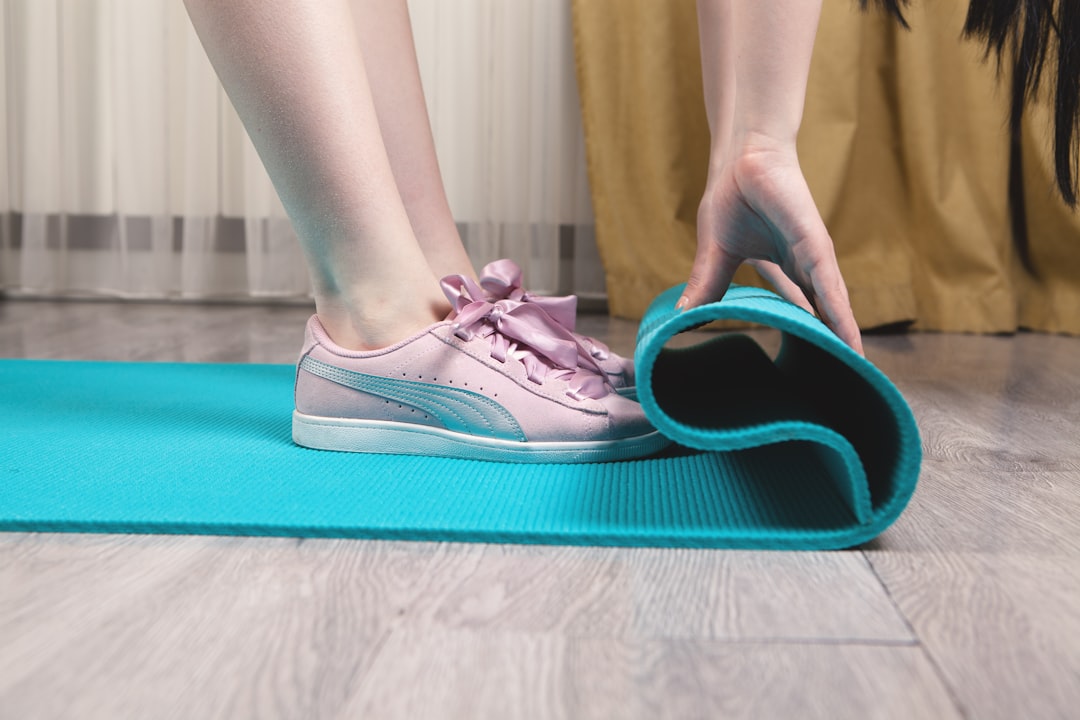
The tool that made this habit effortless: a high-quality yoga mat that lives permanently in my living room. Having it always visible and ready means I never have to set anything up—I just roll out of bed and onto the mat. I also keep a foam roller nearby for days when my muscles need extra attention, particularly after heavy training sessions.
The Mid-Morning Reset
Around 10:30 AM, I take my first movement break of the workday. This is when I typically start feeling that computer posture settling in—shoulders creeping forward, hips tightening from sitting. My reset routine involves 3 minutes of mobility work: doorway stretches for my chest, thoracic spine rotations, and hip flexor stretches.
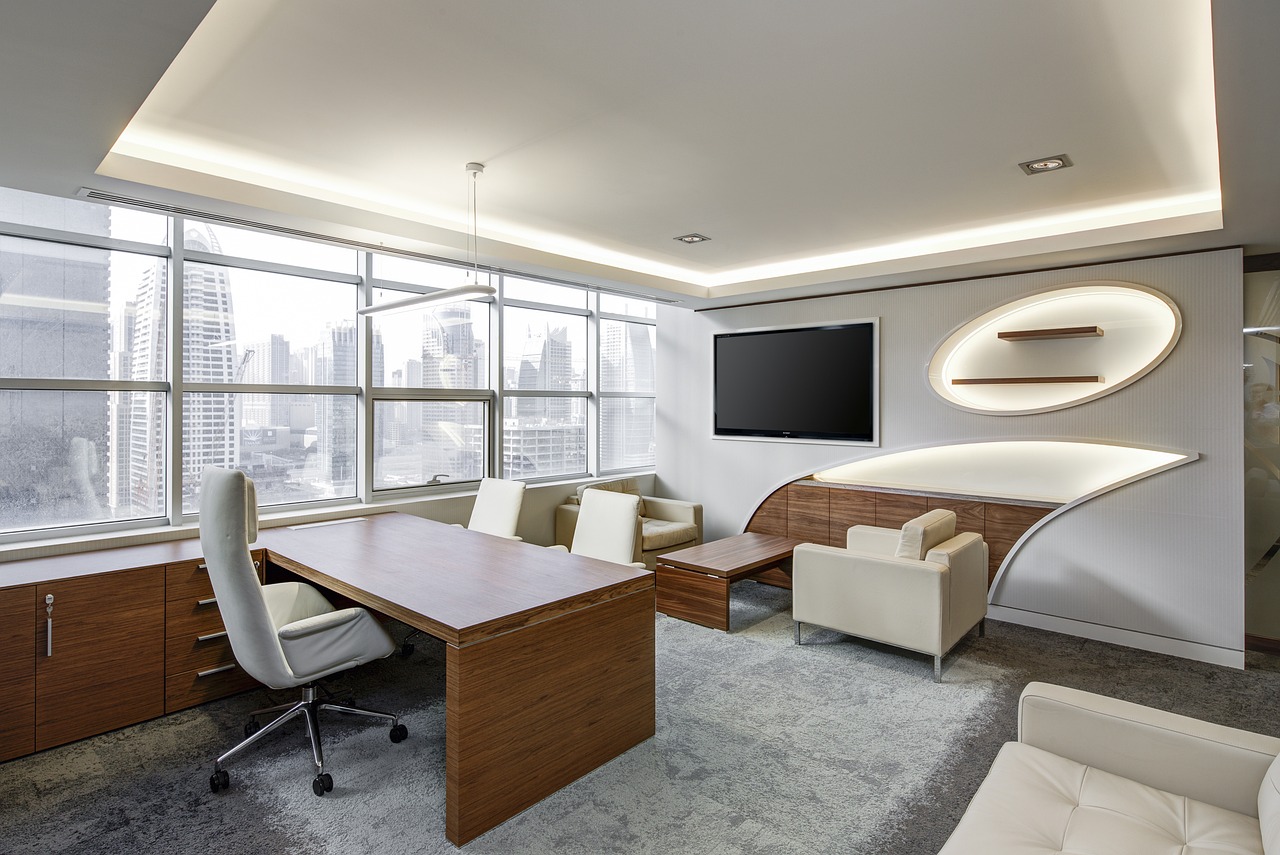
What made this consistent was placing resistance bands on my desk handle. They’re impossible to ignore, and seeing them triggers the habit. I’ll use them for pull-aparts (excellent for posture), external rotation work for shoulder health, or simple bicep curls if I need a blood flow boost. The bands are perfect for office movement because they’re silent, don’t require much space, and can be used while I’m thinking through a problem or listening to a podcast.
The Post-Lunch Digestive Walk
After lunch, I take a 10-15 minute walk outside. This isn’t just about movement—it’s about mental reset, digestive support, and getting natural light exposure at the right time for circadian rhythm alignment. Some days I walk briskly; other days I meander and let my mind wander. Both are valuable.
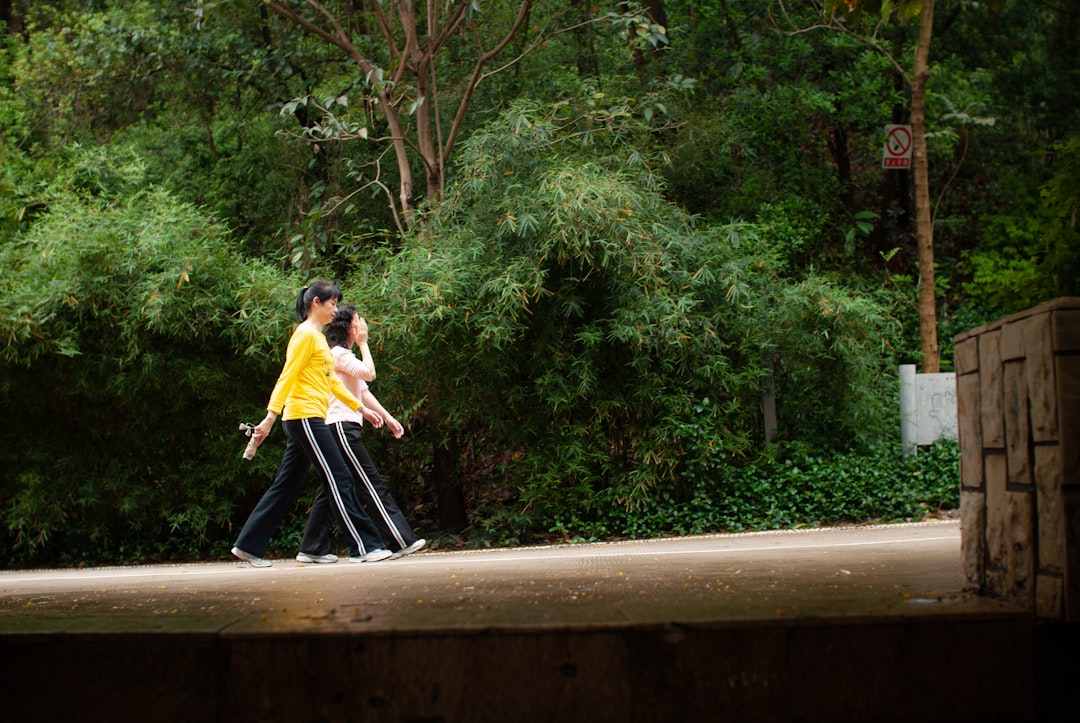
The product that elevated this habit: comfortable walking shoes I keep specifically for this purpose. I also invested in a fitness tracker that reminds me when I’ve been sedentary too long. The gentle vibration on my wrist is much more effective than a phone alarm because it doesn’t interrupt my workflow—it just nudges me to take a break.
The Afternoon Energy Recharge
By 3 PM, when my energy naturally dips, I do 5 minutes of more dynamic movement to wake up my nervous system. This might be bodyweight squats, jumping jacks, or dancing to one favorite song. The goal is slight cardiovascular elevation—not a full workout, just enough to shake off the mental fog and physical stagnation.

For this break, I keep a mini massage gun nearby. On days when I’m feeling particularly tight or sore, I’ll spend 30 seconds on each major muscle group before doing my movement. The combination of targeted release and active movement is incredibly effective for resetting both body and mind.
The Evening Wind-Down
After dinner, I do 10 minutes of gentle stretching and mobility work while listening to music or a podcast. This serves as a transition from the day’s busyness to evening rest. I focus on areas that tend to accumulate tension—hips, shoulders, neck—and incorporate breathing exercises to downshift my nervous system.

The tools that support this routine: a yoga block set for supported stretches, and sometimes a massage ball set for targeted trigger point release. Having props makes the practice feel like a treat rather than a chore, and the variety keeps me engaged.
Building Your Own Movement Snack System
The beauty of movement snacks is that they’re infinitely customizable to your schedule, fitness level, and preferences. Here’s how to create a system that actually works for your life, not against it.
Start with trigger stacking: Attach movement snacks to habits you already have. Coffee brewing, between meetings, while waiting for water to boil, during commercial breaks if you watch TV. By linking movement to existing triggers, you eliminate decision fatigue and willpower reliance.
Focus on areas that bother you: If your lower back gets stiff from sitting, prioritize hip flexor stretches and glute activations. If your neck and shoulders suffer from desk posture, focus on thoracic spine mobility and chest opening. When movement snacks directly address your pain points, you’ll feel immediate benefits that reinforce the habit.
Keep equipment visible: The products that support your routine should be in plain sight, not tucked away in a closet. I keep resistance bands on my desk, my foam roller next to the couch, and my massage gun on my kitchen counter. Out of sight, out of mind—make movement the path of least resistance.
Track for two weeks: Use a simple app or notebook to log your movement snacks for 14 days. You don’t need anything elaborate—just checkmarks when you complete them. This data serves two purposes: it builds accountability, and it helps you identify patterns in your schedule where movement snacks fit naturally.
Start ridiculously small: If the idea of adding movement snacks feels overwhelming, commit to just one per day for the first week. One 3-minute break. Once that feels automatic, add a second. Build momentum gradually rather than overhauling your entire routine overnight. Sustainable habits grow from small wins, not dramatic transformations.
The Products That Made Movement Snacks Stick
While you absolutely can do movement snacks with zero equipment, having the right tools removed friction and made consistency effortless for me. Here’s what I recommend starting with, based on what I use every single day.
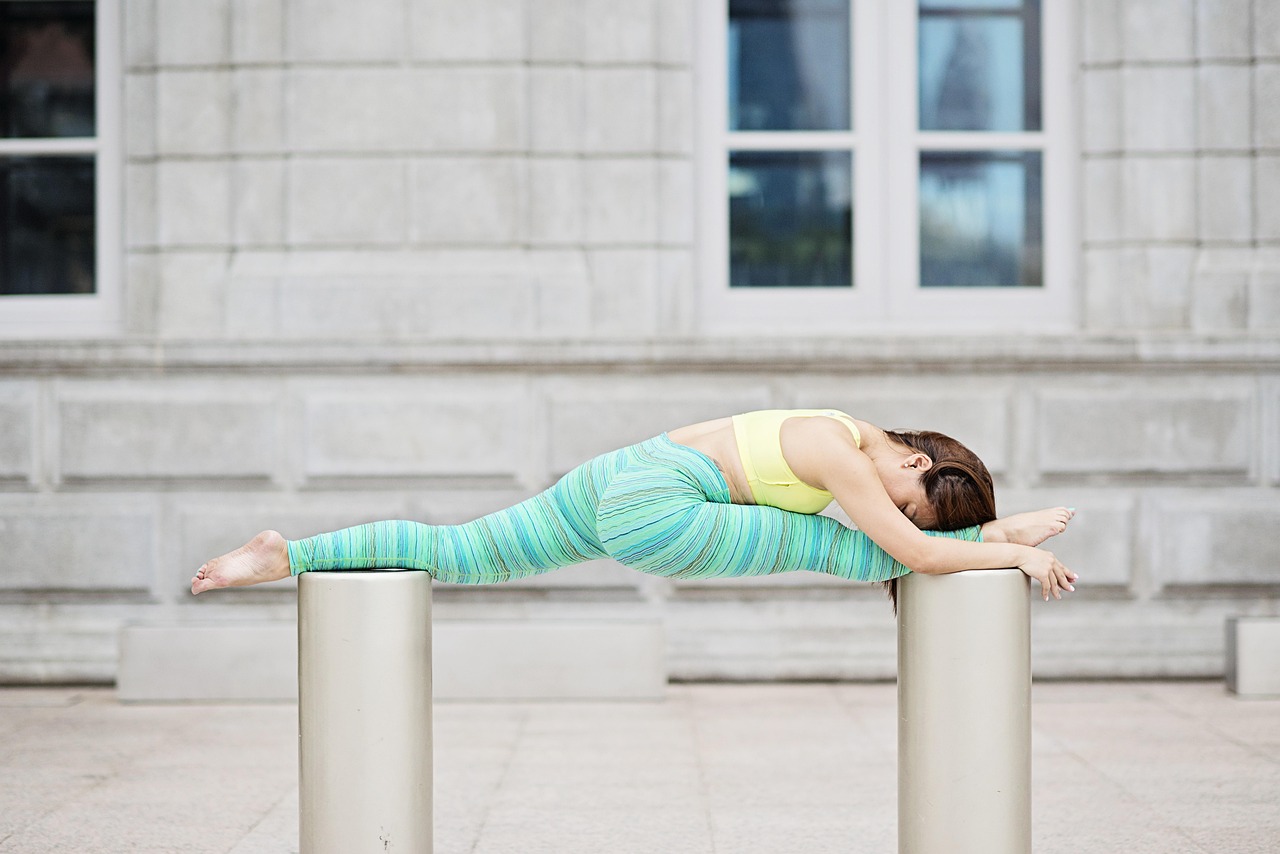
Resistance Bands Set: These are my most-used tool because they’re versatile, portable, and incredibly effective for both strength and mobility. I use them for posture work, warm-ups, and quick strength breaks. A set with multiple resistance levels lets you progress as you get stronger. Shop resistance bands.
Foam Roller: Essential for releasing tension in large muscle groups. I use mine daily for my back, hips, and legs. The feedback it provides about where you’re holding tension is invaluable, and the myofascial release benefits are immediate. Shop foam rollers.
Yoga Mat: Having a designated space for floor-based movement makes it more likely you’ll actually do it. Mine lives in my living room, serving as a constant visual reminder. Look for one with good cushioning if you have sensitive joints. Shop yoga mats.
Massage Ball Set: These small, dense balls are perfect for targeted trigger point release in hard-to-reach areas like the shoulders, glutes, and feet. I use mine while working at my desk—rolling my foot on a ball while typing feels surprisingly good. Shop massage balls.
Mini Massage Gun: While not essential, a compact massage gun is incredibly useful for quick muscle relief between movement snacks. The convenience of grabbing it for 30 seconds during a break can’t be overstated. Shop mini massage guns.
Common Obstacles (And How To Work Around Them)
“I don’t have time.” Movement snacks aren’t about finding time—they’re about using the time you already have differently. A 3-minute break between tasks isn’t “extra” time, it’s just a different use of existing downtime. The energy and focus boost you get means you’ll likely be more productive, not less.
“I’ll feel silly doing this at work.” Most movement snacks can be done subtly. Resistance band pull-aparts, calf raises while standing, or gentle neck rotations draw zero attention. If you’re worried about being observed, choose less visible movements or close your office door for a few minutes.
“I’m already fit—do I really need this? Yes, and here’s why: even if you exercise regularly, prolonged sitting still takes a toll. Movement snacks aren’t replacements for workouts—they’re complementary. Think of them as brushing your teeth: you do it multiple times a day for maintenance, not because one intense brushing session per week would suffice.
“I can never remember to do them.” Start with phone alarms or calendar reminders, but aim to replace them with environmental triggers over time. Place equipment where you’ll see it, set visual cues, or pair movement snacks with things you already do habitually. The goal is automaticity, not reliance on reminders.
What Six Months of Movement Snacks Taught Me
The most surprising insight from this practice wasn’t physical—it was psychological. Movement snacks shifted my relationship with exercise from something I “should” do to something that feels like self-care. Instead of viewing movement as a transactional exchange (workout → calories burned → guilt relieved), I now see it as an ongoing conversation with my body.
Physically, the changes have been remarkable. My chronic shoulder pain is gone. My hip mobility has improved to the point that I can sit cross-legged comfortably for the first time in years. My energy is consistent throughout the day, no more afternoon crashes. Perhaps most importantly, when I do my formal workouts, I move better and feel stronger because I haven’t spent the preceding hours locked in the same position.
Movement snacks also revealed how much of my previous stiffness and fatigue wasn’t inevitable aging or lack of fitness—it was simply the cumulative effect of sedentary behavior. Our bodies are designed for near-continuous movement, and when we deny them that, problems emerge. Small, frequent movement isn’t just beneficial—it’s arguably how we’re meant to live.
Your Starting Point: A 7-Day Movement Snack Challenge
Ready to try this yourself? Here’s a simple 7-day challenge to dip your toes in without overwhelm. Each day, commit to just THREE movement snacks. That’s it. If you want to do more, great—but the minimum is three.
Day 1: Morning: 5 minutes of gentle stretching on the floor. Midday: 3 minutes of shoulder circles and neck stretches. Evening: 5 minutes of walking while talking on the phone.
Day 2: Morning: 3 minutes of hip circles and ankle rolls. Midday: 2 minutes of standing desk stretches (side bends, forward fold). Evening: 5 minutes of gentle yoga.
Day 3: Morning: 5 minutes of joint rotations (start at toes, work up to neck). Midday: 3 minutes of resistance band pull-aparts. Evening: 10-minute walk after dinner.
Day 4: Morning: 3 minutes of cat-cow stretches on the floor. Midday: 2 minutes of calf raises while standing. Evening: 5 minutes of foam rolling major muscle groups.
Day 5: Morning: 5 minutes of sun salutations (even if you don’t know yoga, just flow through reaching up, folding forward, stepping back). Midday: 3 minutes of spinal twists in a chair. Evening: Walk while listening to your favorite podcast.
Day 6: Morning: 3 minutes of walking in place while waking up. Midday: 2 minutes of desk push-ups or wall push-ups. Evening: 5 minutes of dynamic stretching.
Day 7: Choose your favorite movement snacks from the week and do them. Notice how your body feels compared to Day 1.
After 7 days, reflect on how you feel. Most people report noticeable improvements in energy, reduced stiffness, and better mood. The beauty of movement snacks is that they’re sustainable indefinitely—they’re not a challenge with an end date, but a lifestyle shift that keeps giving.
The Bottom Line
Movement snacks won’t replace your workouts, but they will make everything else in your life feel better. Your traditional workouts will feel smoother because you’re not starting from cold, stiff tissues. Your work days will be more productive because you’re not battling energy crashes. Your evenings will be more restful because you’ve released accumulated tension throughout the day.
The best part? This approach scales with your life. Busy day? Do three 2-minute snacks. Energized and have extra time? Do longer breaks or more of them. Movement snacks aren’t another rigid program to follow perfectly—they’re a flexible toolkit for feeling and moving better, always available, never demanding more than you can give.
Start small, stay consistent, and pay attention to how your body responds. The transformations happen gradually, then suddenly—one day you’ll realize your chronic pain is gone, your energy is steady, and movement feels like a natural, joyful part of every day rather than a chore on your to-do list. That’s the movement snack revolution, and it’s accessible to you right now.



One comment on “Daily Movement Snacks: The Simple Habit That Transforms Mobility and Energy”