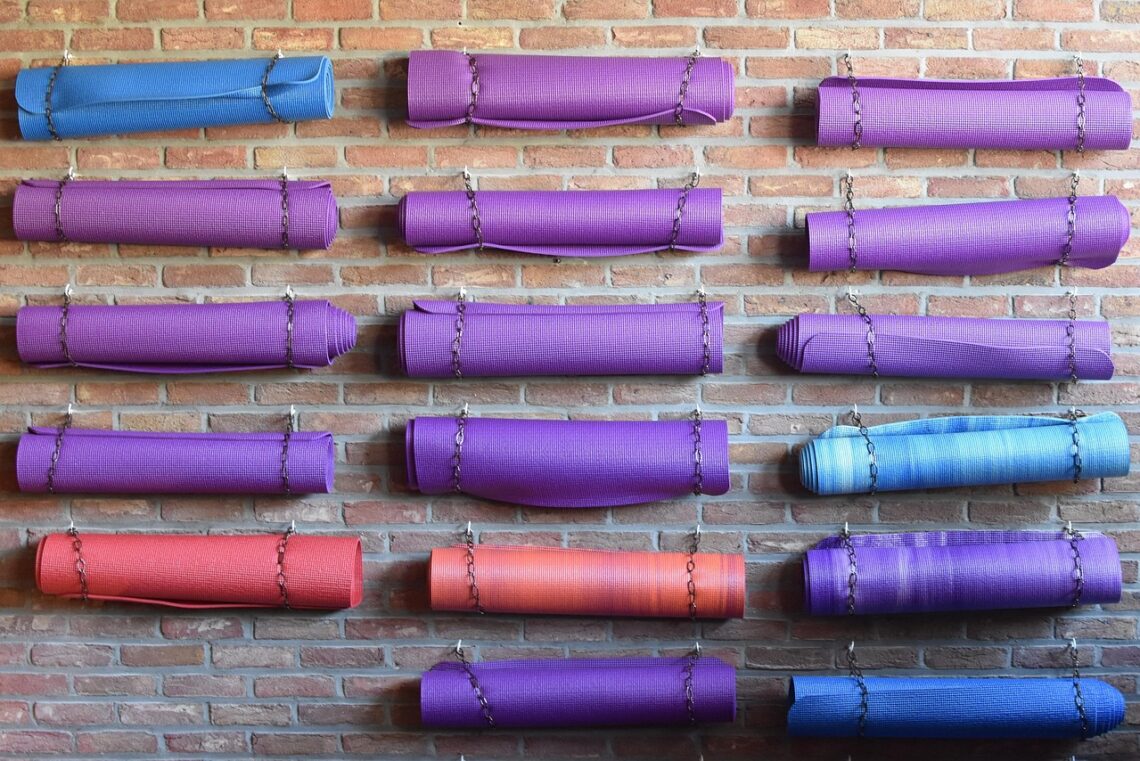
I’ll be honest with you—like so many people, I spent my first year of yoga practice on a cheap, flimsy mat I grabbed from a discount store. It slipped, it slid, and my wrists paid the price every time I tried downward dog. It wasn’t until I finally invested in a quality mat that I understood what a difference the right equipment makes. Your mat is your foundation, literally and figuratively. It’s where you connect with your practice, where you find stability in challenging poses, and where you spend those precious moments of mindfulness.
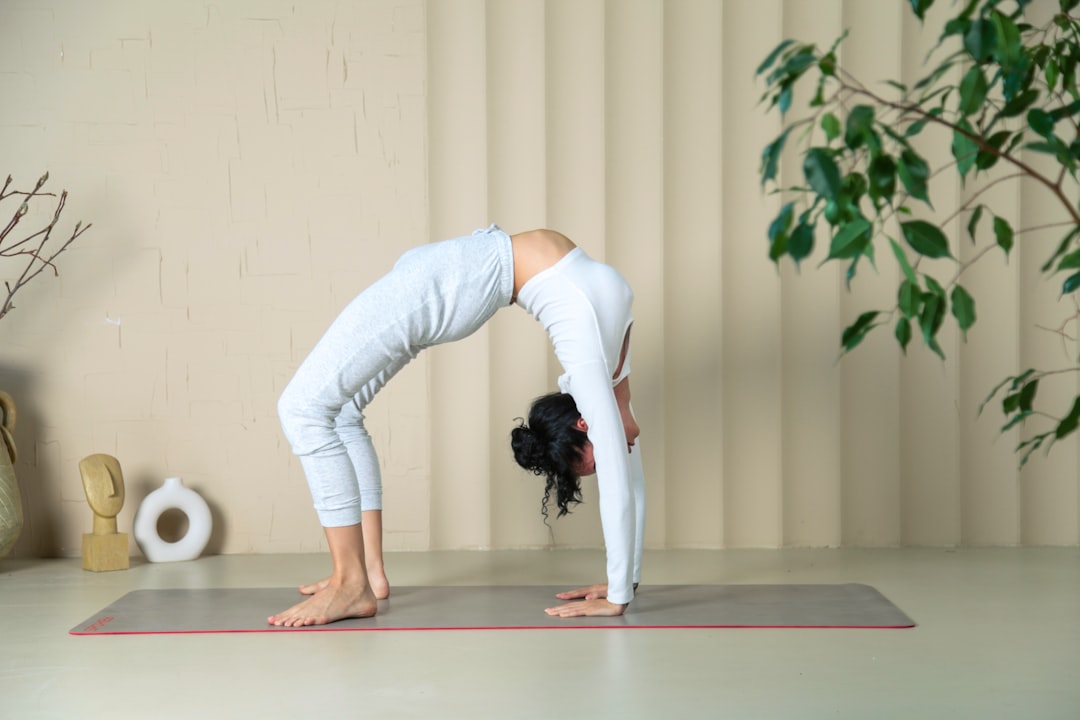
The perfect yoga mat isn’t one-size-fits-all. What works for a power yoga enthusiast might be completely wrong for someone who practices gentle restorative flows. After testing dozens of mats over the past few years—and talking with yoga instructors, physical therapists, and everyday practitioners—I’ve learned that the best mat for you depends on your practice style, body type, joint sensitivity, and even where you plan to unroll it.
Let me walk you through everything I’ve learned about choosing the right mat, along with the specific mats that have stood out in my testing. I’ll cover what actually matters (and what doesn’t), so you can invest in a mat that will support your practice for years to come.
Understanding Yoga Mat Basics: Thickness, Grip, and Materials
Before diving into specific recommendations, it’s worth understanding the three factors that make or break a mat’s performance. These aren’t marketing buzzwords—they’re the mechanical properties that determine how a mat feels under your feet and hands.
Thickness: Finding Your Sweet Spot
Mat thickness typically ranges from 1/16 inch (about 1.5mm) to 1/4 inch (about 6mm). Thinner mats (1-3mm) offer excellent ground connection and stability, making them popular for balance-focused practices like Ashtanga and power yoga. However, they provide minimal joint cushioning, which can be tough on knees, wrists, and spine during floor poses.
Standard thickness (3-5mm) hits the sweet spot for most practitioners. You’ll get enough cushioning for joint protection without sacrificing stability. This is where most all-purpose mats live, and it’s why 4-5mm has become the industry standard.
Thicker mats (5-6mm) provide maximum joint support, making them ideal for restorative yoga, Yin yoga, or anyone with sensitive joints or past injuries. The trade-off? You’ll feel less connected to the floor, which can affect balance in standing poses. However, for gentle practices and anyone who needs extra cushioning, the comfort payoff is worth it.
Grip: The Game-Changer You Can’t Ignore
Grip comes in two forms: dry grip (how sticky the mat feels when you first step on it) and wet grip (how it performs when you’re sweating). The best mats maintain traction in both conditions. Cheap mats often feel okay at first but turn into slip-and-slides the moment things heat up, which is not only frustrating but potentially dangerous.
Natural rubber mats typically offer the best grip, improving slightly as they warm up with your body heat. PVC mats provide consistent dry grip but can become slippery when wet. Some newer materials, like polyurethane blends, attempt to combine the best of both worlds.
Here’s something most people don’t realize: grip improves with use. Many high-quality mats have a break-in period of 10-20 sessions, where the surface texture develops and traction increases. I’ve seen plenty of practitioners give up on perfectly good mats after one use because they didn’t understand this.
Materials: PVC vs. Natural Rubber vs. Eco-Alternatives
PVC (polyvinyl chloride) has been the yoga mat standard for decades because it’s durable, affordable, and provides excellent cushioning. However, it’s also the least environmentally friendly option, and some people are sensitive to the new-car smell of off-gassing PVC. That said, modern PVC mats have improved significantly, and budget-friendly PVC options can still serve you well.
Natural rubber mats offer the best combination of grip, durability, and eco-friendliness. They’re sustainably harvested from rubber trees, biodegradable, and provide that grippy, connected feeling serious practitioners love. The downsides? They’re heavier (often 5-7 pounds), more expensive ($80-150), and some people are allergic to latex. If you have a latex allergy, you’ll need to avoid natural rubber entirely.
Eco-alternatives include TPE (thermoplastic elastomer), cork, jute, and recycled materials. TPE mats are PVC-free, lightweight, and affordable, though they tend to be less durable than rubber or PVC. Cork surface mats have gained popularity recently—the natural texture provides excellent grip that actually improves when wet, making them fantastic for hot yoga. However, they require more care and can show wear faster.
For most practitioners, I recommend natural rubber if budget allows, or high-quality TPE if you’re looking for something lighter and more affordable. The right choice ultimately depends on your priorities: performance, sustainability, weight, or price.
Best Overall Yoga Mats for 2026
These mats excel across the board, providing solid performance for most practice styles and body types. If you’re not sure where to start, these are your safest bets.
The All-Around Champion: Lululemon The Mat 5mm
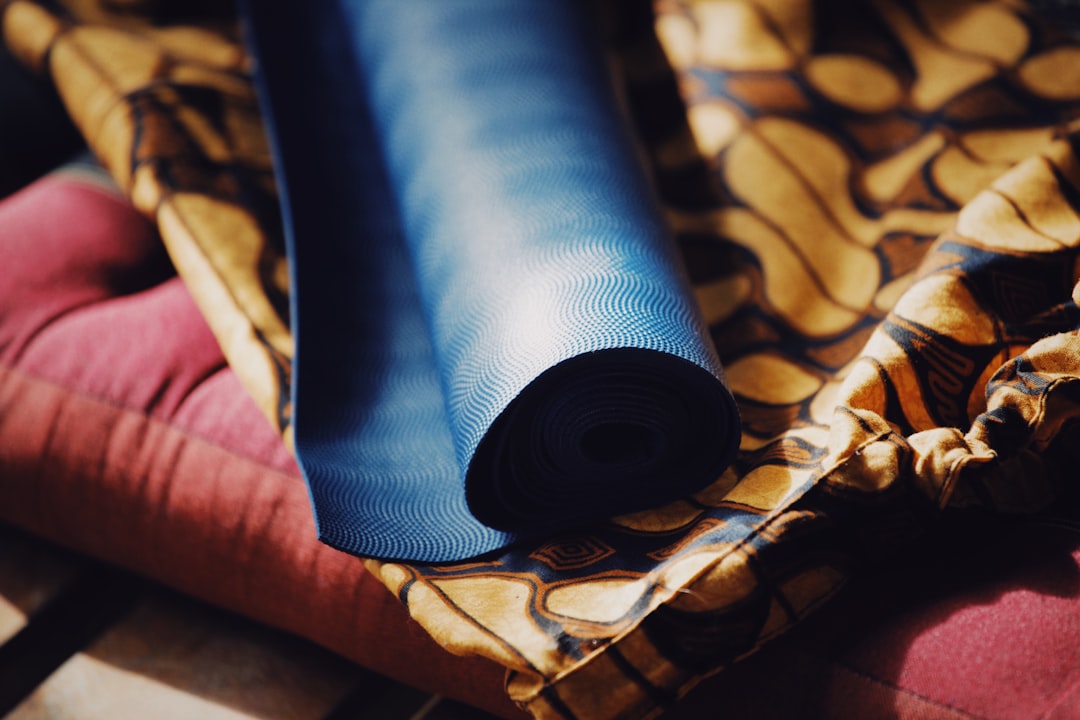
After months of testing, I keep coming back to Lululemon’s The Mat. It nails the balance between cushioning and stability, with a 5mm thickness that protects joints without sacrificing ground connection. The grip is exceptional straight out of the box—no break-in period required—and I’ve never felt unsure on this mat, even in sweaty power flows.
What sets it apart is the surface texture. Lululemon uses a proprietary polyurethane top layer that somehow manages to feel grippy but not sticky, providing traction without that uncomfortable grabbing sensation some mats have. The antimicrobial treatment is a nice touch, especially if you practice in heated rooms or shared spaces.
At 71 inches long, it’s generous for taller practitioners, though the 26-inch width is standard. The weight (around 5 pounds) is noticeable but manageable, and the carrying strap makes transportation easier. It’s not cheap, but considering most Lululemon mats last 3-5 years with daily use, the cost-per-use is reasonable. Check current pricing for Lululemon The Mat to see if it fits your budget.
Best for: Vinyasa, power yoga, Hatha, heated yoga
Thickness: 5mm
Material: Polyurethane/rubber blend
Price: $98-$128
The Natural Rubber Standout: Manduka PRO
If you’re serious about yoga and want a mat that will likely outlast your practice, the Manduka PRO is legendary in the yoga community for good reason. This 6mm thick monster is built like a tank, with a dense, closed-cell surface that never absorbs sweat or bacteria. I’ve talked to practitioners who’ve used the same Manduka PRO for over a decade, and it still performs beautifully.
The grip is outstanding, though it does require a break-in period of about 10-20 sessions. When new, the surface can feel slightly slick—don’t panic. With use, it develops microscopic texture that creates incredible traction. I’ve practiced on 5-year-old Manduka PROs, and the grip actually improves with age.
At 7 pounds, this is a heavy mat. It’s not something you’ll want to carry far for outdoor practice. But for home practice or studio use where you don’t need to transport it, the weight becomes a non-issue. The density provides joint support that few other mats can match, making it especially popular among Ashtanga practitioners and anyone with knee or wrist sensitivity. Explore Manduka PRO options if you’re ready for a serious investment.
The closed-cell surface is virtually indestructible and easy to clean—just wipe down with water and mild soap. No peeling, no flaking, no wearing down to a slippery nub. It’s a genuine investment piece, but if you practice regularly and want the best of the best, this is it.
Best for: Ashtanga, serious practitioners, joint protection, long-term investment
Thickness: 6mm
Material: PVC (closed-cell)
Price: $100-$140
The Eco-Friendly Favorite: JadeYoga Harmony Mat
The JadeYoga Harmony Mat is my top pick for environmentally conscious practitioners who don’t want to sacrifice performance. Made from natural rubber with no PVC or synthetic materials, it provides exceptional grip and a connected-to-the-ground feeling that serious yogis love. I’ve practiced on this mat in everything from gentle Hatha to sweaty vinyasa, and it never let me down.
The grip is immediate—no break-in period required—which is refreshing if you’ve ever fought with a slippery new mat. The natural rubber surface has just enough texture to feel secure without being abrasive, and the 3/16-inch (4.8mm) thickness hits the sweet spot for most practitioners: enough cushioning for joints without losing stability in balancing poses.
What I love most about this mat is how it feels underfoot. Natural rubber has a slight give that provides a tactile connection to your practice, almost like practicing on the earth. It’s hard to describe until you feel it, but there’s a grounded quality that PVC mats can’t replicate. Find JadeYoga Harmony pricing here.
The downsides? At 5.5 pounds, it’s heavier than budget mats (though lighter than the Manduka PRO). And because it’s open-cell natural rubber, it can absorb sweat and bacteria over time, so you’ll want to clean it regularly with a natural rubber-safe cleaner. Some practitioners also notice a slight rubber smell when new, though it fades within a few weeks.
Best for: Eco-conscious practitioners, vinyasa, Hatha, grounded feel
Thickness: 4.8mm (3/16 inch)
Material: Natural rubber
Price: $80-$100
Best Budget Yoga Mats That Don’t Suck
You don’t have to spend $100+ to get a solid mat. These options prove that quality is possible at lower price points, though you may need to accept some trade-offs in durability or material quality.
The Budget Winner: Amazon Basics 1/4 Inch TPE Exercise Yoga Mat
I’ll admit it—I was skeptical when I first unrolled this $20 mat. But after testing it across multiple practice styles, I came away impressed. Sure, it doesn’t match the premium feel of a Lululemon or Manduka, but for the price, it’s genuinely impressive.
The 1/4-inch thickness provides excellent cushioning, making it especially comfortable for restorative poses and anyone with sensitive joints. The TPE material is PVC-free and lighter than rubber mats, weighing in at around 2 pounds—easy to throw in a bag for travel or outdoor practice. The textured surface provides decent grip, though it’s not quite as secure as premium mats in sweaty conditions. See the latest Amazon Basics mat deals.
The biggest trade-off is durability. This mat won’t last forever—you’ll likely see wear patterns after 6-12 months of regular use. But at this price point, replacing it annually still costs less than buying a premium mat every 3-4 years. The carrying strap is a nice inclusion, and the 68-inch length works for most average-height practitioners.
For beginners, occasional practitioners, or anyone on a tight budget, this mat punches way above its weight class. It’s proof that you can start your yoga journey without dropping a hundred bucks on equipment.
Best for: Beginners, budget-conscious practitioners, travel, restorative yoga
Thickness: 6mm (1/4 inch)
Material: TPE (thermoplastic elastomer)
Price: $20-$30
The Eco-Budget Pick: Iuga Pro Non-Slip Yoga Mat
The Iuga Pro has gained a dedicated following among eco-conscious practitioners who don’t want to spend premium mat money. Made from TPE with no PVC or toxic materials, it provides a surprising level of performance at a mid-range price point. Check Iuga Pro availability to see if it’s right for you.
What stands out is the dual-sided texture. One side features a subtle pattern for general grip, while the reverse has a more aggressive texture for sweaty practices. This versatility makes it adaptable for different styles and conditions—I’ve used it for everything from gentle morning flows to heated power yoga, and it performed admirably in both.
The 6mm thickness provides solid joint cushioning without the squishy, unstable feeling of some budget mats. At 2.5 pounds, it’s light enough for easy transport but substantial enough to feel quality. I also appreciate that Iuga includes a carrying strap and alignment guides printed on the mat surface, which are helpful for beginners finding proper positioning.
Durability is decent for the price—expect 1-2 years of regular use before you’ll want to replace it. The one downside? The alignment guides can be distracting once you’ve moved past the beginner stage, though you learn to ignore them.
Best for: Eco-conscious on a budget, beginners, alignment guidance
Thickness: 6mm
Material: TPE
Price: $30-$45
Best Yoga Mats for Specific Needs
Sometimes the “best” mat isn’t the highest-rated overall—it’s the one that perfectly matches your specific practice style or physical needs. Here are my top picks for specialized situations.
For Hot Yoga: Gaiam Premium Yoga Mat with Hot Yoga Surface
Hot yoga presents unique challenges: you’re sweating before you even start moving, and any mat that can’t handle moisture becomes a slip hazard. The Gaiam Premium addresses this with a specialized surface treatment designed to provide enhanced grip when wet—essentially, the more you sweat, the grippier it gets. Explore Gaiam hot yoga mats if you’re a heated yoga enthusiast.
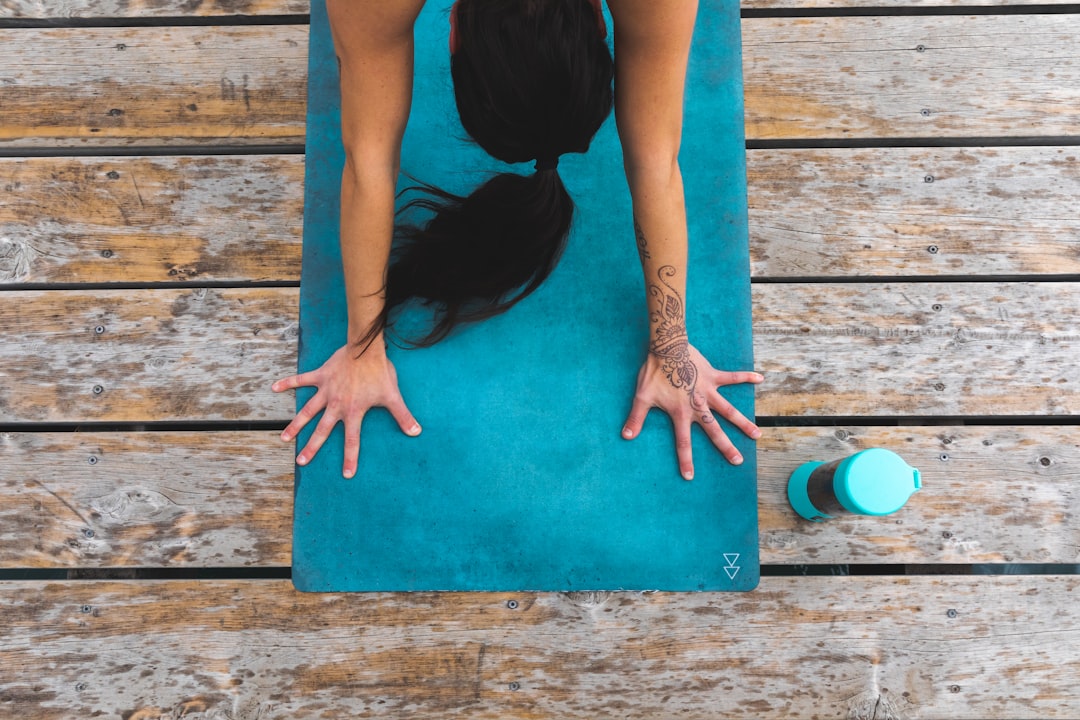
I’ve used this mat in 90-degree Bikram classes, and the difference is remarkable. Where other mats turn dangerously slick, this one maintains traction throughout even the sweatiest practices. The microfiber top layer absorbs moisture while the rubber bottom provides stability, creating a dual-surface system that works beautifully in heated conditions.
The 5mm thickness is thinner than I’d typically recommend for joint protection, but in hot yoga, the emphasis on balance and flow makes the trade-off worthwhile. Plus, thinner mats feel less oppressive when you’re already dealing with heat. At 72 inches, it’s longer than standard mats, which is great for taller practitioners.
This isn’t an everyday mat for most people—it’s too specialized and the surface shows wear faster than general-purpose mats. But if you’re a dedicated hot yoga practitioner, it’s worth having in your arsenal.
Best for: Hot yoga, Bikram, heated vinyasa
Thickness: 5mm
Material: Microfiber/rubber hybrid
Price: $60-$80
For Travel: YOGO Ultra-Light Travel Mat
When you’re packing light, every pound matters. The YOGO Ultra-Light is specifically designed for travelers and outdoor practitioners who need something portable but don’t want to practice on a glorified towel. Check YOGO travel mat options if you’re always on the go.
What makes this mat unique is the folding design instead of rolling. It folds down to roughly the size of a thick book, making it incredibly compact for luggage or day bags. At under 2 pounds, you’ll barely notice it in your pack. Despite the minimal weight, the 2.5mm thickness provides enough cushioning for typical travel practices—this isn’t for intense Ashtanga sessions, but for maintaining your practice on the road, it’s more than adequate.
The grip is surprisingly good for such a thin mat, thanks to a textured rubber surface. I’ve used it on hotel carpets, hardwood floors, and even grass, and it performed admirably in all conditions. The built-in carrying loop is a nice touch, eliminating the need for separate straps.
This isn’t your everyday practice mat—it’s too thin for regular home use. But for travelers, digital nomads, or anyone who practices in multiple locations, it’s a game-changer. No more skipping yoga because you don’t want to haul a heavy mat through airports.
Best for: Travel, outdoor practice, minimalists
Thickness: 2.5mm
Material: Rubber/TPE blend
Price: $40-$60
For Joint Sensitivity: Manduka eKO Lite Mat
If you have wrist issues, knee problems, or any joint sensitivity, this mat might change your practice. The eKO Lite combines Manduka’s legendary build quality with a slightly thinner (4.5mm) profile that reduces weight while still providing excellent joint protection. See Manduka eKO Lite pricing if joint support is your priority.
What sets it apart for sensitive joints is the density. Unlike cheap cushiony mats that squish down under pressure, the eKO Lite has a firm, supportive surface that distributes weight evenly. I’ve recommended this mat to several friends with carpal tunnel and knee issues, and the feedback has been universally positive—less pain, more stability.
As an eco-conscious bonus, it’s made from natural rubber with no PVC or synthetic materials. The closed-cell surface resists sweat absorption, making it more hygienic than open-cell rubber mats. At 4 pounds, it’s lighter than the PRO while still feeling substantial and quality-built.
The grip requires a brief break-in period, but after 5-10 sessions, it develops excellent traction. If you’re rehabbing an injury or just need extra joint support, this mat is worth every penny.
Best for: Joint sensitivity, injury recovery, eco-conscious practitioners
Thickness: 4.5mm
Material: Natural rubber
Price: $80-$110
Yoga Mat Accessories Worth Considering
While a good mat is foundational, a few key accessories can enhance your practice and extend your mat’s lifespan. Here’s what I recommend based on years of trial and error.
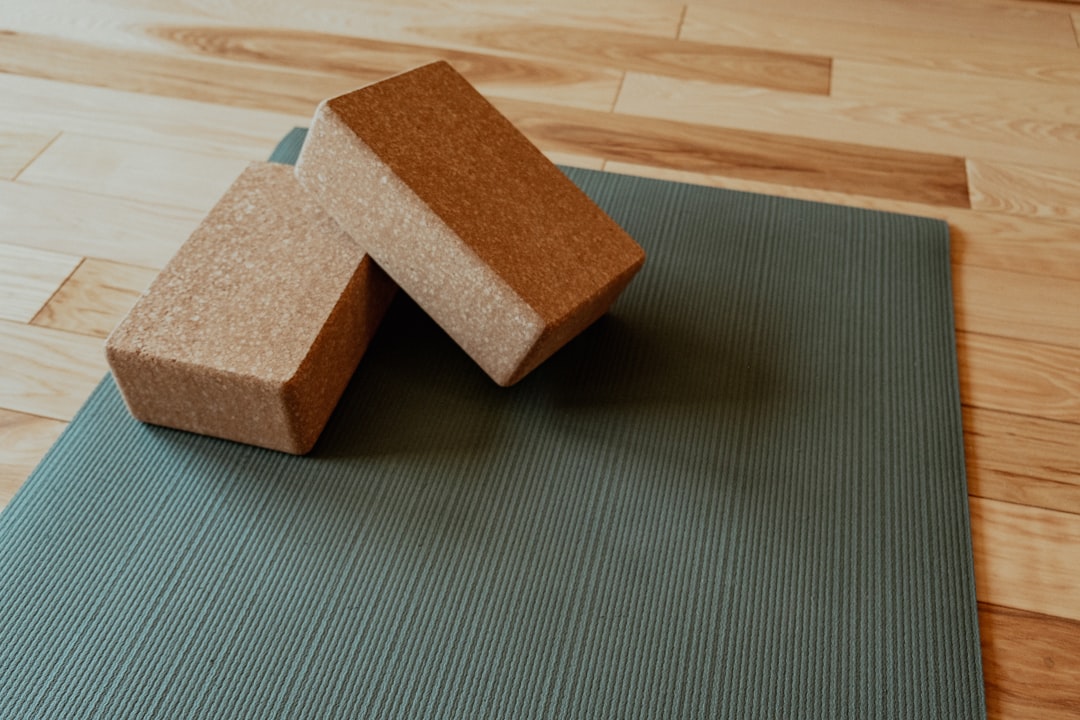
Mat Cleaner: Manduka Mat Restore
Whatever mat you choose, you’ll need to clean it regularly. Mats absorb sweat, oils, and bacteria over time, which not only affects grip and smell but can also break down materials faster. Manduka Mat Restore is specifically formulated for yoga mats—gentle enough for natural rubber but effective enough to deep clean PVC and synthetic materials. Browse yoga mat cleaners to find the right one for your mat.
I’ve tried plenty of homemade cleaners (vinegar solutions, tea tree oil blends), and while they work okay, a dedicated mat cleaner simply performs better. This one removes built-up grime without leaving residue, and the light citrus scent is refreshing without being overpowering. Use it weekly for heavy use, bi-weekly for moderate practice.
Yoga Towel: Yogitoes SKIDLESS Premium Yoga Towel
If you practice hot yoga or tend to sweat heavily, a dedicated yoga towel is a worthwhile investment. The Yogitoes SKIDLESS is designed to overlay your mat, providing a moisture-wicking surface that improves grip as you sweat. The silicone nubs on the back grip your mat without bunching or sliding, and the microfiber top layer absorbs up to seven times its weight in moisture. Shop for yoga towels if sweat management is an issue.
I originally thought yoga towels were unnecessary accessories—until I tried one. The difference in hot yoga is night and day. Instead of fighting a slippery mat, you get consistent traction even in the sweatiest flows. They’re also great for studios where you don’t want to put your bare hands and feet directly on shared mats.
Carrying Strap: Gaiam Yoga Mat Strap
If your mat doesn’t include a carrying strap (and even if it does), a dedicated strap makes transportation easier. The Gaiam Yoga Mat Strap is simple but effective—durable cotton webbing with quick-release buckles that adjust to fit any mat thickness. At 6 feet long, it provides a comfortable shoulder carry even for heavier mats. Find yoga mat straps here.
What I like about this particular strap is the metal D-rings instead of plastic clips, which tend to break. The cotton construction is soft against bare shoulders (unlike synthetic materials that can dig in), and it’s adjustable enough to work with everything from thin travel mats to thick premium mats.
Making Your Final Decision: A Quick Guide
After reading all this, you might still feel unsure which mat is right for you. That’s normal—choosing a mat is personal. Here’s a quick decision framework based on the practitioners I’ve worked with:
If you’re new to yoga and not sure you’ll stick with it: Start with the Amazon Basics TPE mat. It’s affordable, comfortable, and perfectly adequate for learning the basics. You can always upgrade later if you stick with the practice.
If you practice 3+ times per week and want something that lasts: The Lululemon The Mat or Manduka PRO are your best bets. Both are genuine investment pieces that will serve you for years.
If you’re environmentally conscious: The JadeYoga Harmony Mat or Manduka eKO Lite offer natural rubber performance without the environmental impact of PVC.
If you have joint issues or injuries: Prioritize thickness and density. The Manduka eKO Lite or Gaiam Premium provide the joint support you need.
If you travel frequently or practice outdoors: The YOGO Ultra-Light is specifically designed for your lifestyle, offering portability without sacrificing too much performance.
If you practice hot yoga: The Gaiam Premium with its moisture-activated grip will transform your heated practice.
The right mat isn’t about finding the highest-rated or most expensive option—it’s about finding the one that supports YOUR practice, YOUR body, and YOUR priorities. Trust your instincts, consider how and where you’ll use it, and remember that even an imperfect mat is better than no mat at all.
Caring for Your Mat: Extending Its Lifespan
Whatever mat you choose, proper care will significantly extend its lifespan and maintain performance. Here’s what I’ve learned from mat maintenance over the years:
Clean after each practice: Even light sessions leave sweat and oils on your mat. A quick wipe-down with a damp cloth and mild soap prevents buildup. For natural rubber mats, use a dedicated rubber-safe cleaner—harsh chemicals can break down the material. Stock up on yoga mat cleaner to make regular cleaning easy.
Deep clean weekly (for regular practice): Give your mat a thorough cleaning with mat cleaner and warm water. Use a soft cloth or sponge, avoid abrasive scrubbing that can damage the surface, and let it air dry completely before rolling.
Store unrolled when possible: Rolling creates creases and can break down materials over time. If you have space, store your mat flat or loosely draped over a rack. If you must roll, roll it loosely with the top surface facing out.
Avoid direct sunlight and extreme heat: UV rays degrade rubber and PVC, and heat can warp mats. Don’t leave your mat in a hot car or practice in direct sun for extended periods.
Rotate your mat: If you practice in the same spot on your mat every time, you’ll create uneven wear. Periodically flip it end-to-end or practice on different sections to distribute wear more evenly.
Know when to replace: Even premium mats eventually wear out. Signs it’s time for a new mat: visible bald spots, persistent flaking, permanent odor despite cleaning, or noticeable loss of grip. A good mat typically lasts 2-5 years with regular use—less for budget options, more for premium mats.

Final Thoughts on Finding Your Perfect Mat
After years of practicing on dozens of mats, I’ve learned that the “best” mat is deeply personal. What feels perfect to me might feel terrible to you, and that’s okay. The right mat is the one that supports your practice, protects your body, and makes you look forward to unrolling it day after day.
Don’t overthink the decision. Pick a mat based on your practice style, body type, and budget, then commit to using it. Most mats need a break-in period anyway, so give yourself at least 10 sessions before passing judgment. You might be surprised how a mat that feels initially unfamiliar becomes an extension of your practice over time.
Your yoga mat is more than equipment—it’s the foundation of your practice, the space where you show up for yourself, and the surface that supports your growth. Invest wisely, care for it well, and it will return the favor for years to come. Happy practicing!
If you found this guide helpful, you might also enjoy my review of the best recovery tools for 2026 or my guide to compact home gym equipment for small spaces. Both articles continue the theme of investing in quality equipment that supports your wellness journey.



One comment on “Best Yoga Mats for 2026: Complete Guide to Finding Your Perfect Mat”