Why I Finally Looked Beyond My Recovery Stack
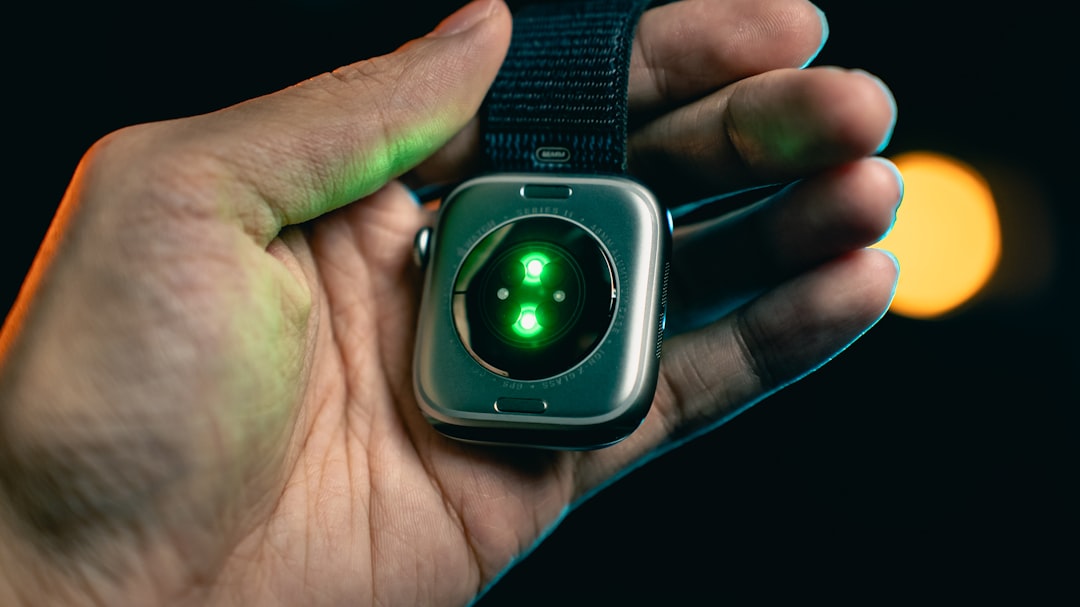
 I’ve spent two decades treating my body like a laboratory—testing recovery protocols, tracking metrics, and building routines that most people would call obsessive. I own a sauna, a cold plunge, compression boots, and more wearable trackers than I care to admit. My recovery stack is enviable, and my results show it. But last year, despite all the foam rolling, stretching, and high-tech gadgets, something was still off.
My jaw ached constantly. I woke up with tension headaches that no amount of hydration seemed to touch. My physical therapist kept pointing to the same tight knots in my neck and shoulders, products of the stress I carried through every training session. I’d tried massage guns, stretching routines, even expensive manual therapy sessions. They helped temporarily, but the tension always crept back within days.
Then a client mentioned something unexpected during our cooldown session. She’d started using a microcurrent device for facial toning—she was an esthetician by trade—but what struck me wasn’t the skincare angle. It was how she described feeling her jaw relax for the first time in years after just a few minutes of use. That sent me down a research rabbit hole that ultimately transformed how I think about recovery technology.
The Science Behind Microcurrent Stimulation
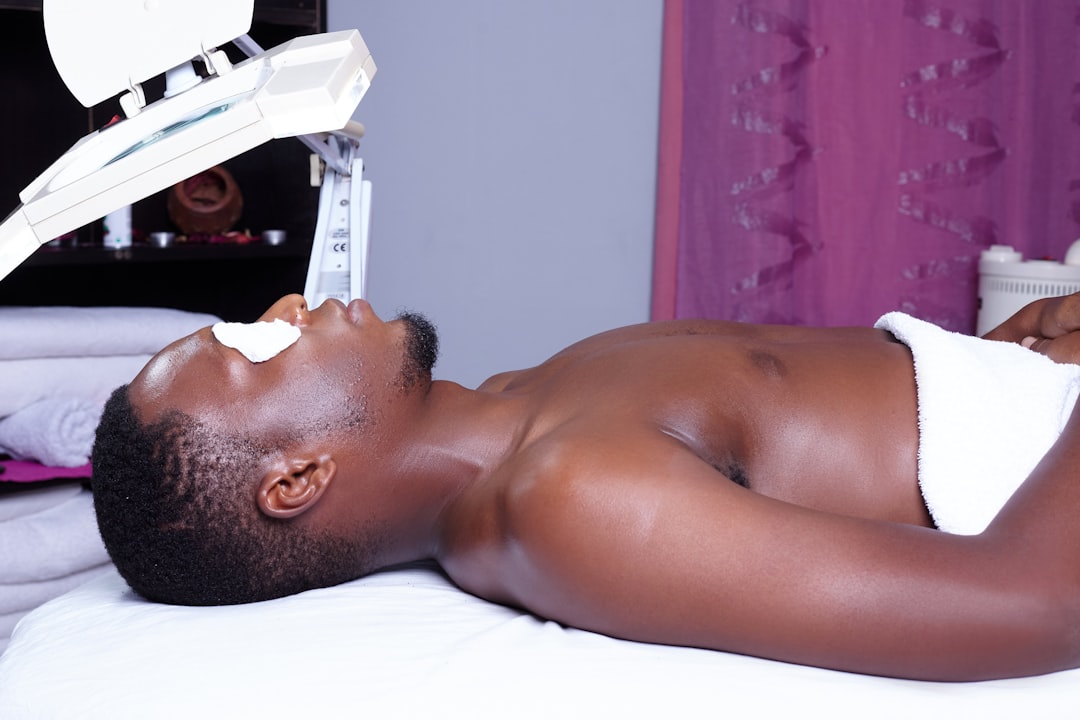 Microcurrent technology isn’t actually new—physical therapists have used it for decades to help injured muscles recover function. What is new is the application to facial muscles and the development of consumer devices that make this therapy accessible at home. The concept is beautifully simple: tiny electrical currents mimic your body’s natural bioelectric signals, prompting muscle fibers to contract and relax in ways that release chronic tension patterns.
Think of it like this: your muscles have a resting tone, a baseline level of tension that’s always present. Stress, grinding teeth, poor posture, and intense training can push that baseline way above where it should be. Microcurrent essentially hits the reset button, allowing over-facilitated muscles to down-regulate and weak, underworked muscles to fire more effectively. The result isn’t just relaxed muscles—it’s better blood flow, improved lymphatic drainage, and muscles that can actually do their job without compensation patterns.
The clinical research on microcurrent for facial applications is fascinating. Studies have shown improvements in muscle tone, reduction in appearance of fine lines, and most importantly for my purposes, measurable decreases in reported muscle tension and discomfort. But here’s what convinced me: when I dug into the mechanisms, I realized this wasn’t just some spa treatment. This was legitimate neuromuscular re-education applied to muscles we’d been ignoring in our recovery work.
My 60-Day Microcurrent Experiment
 I’ll be honest—I was skeptical. I’ve tested enough recovery gadgets to know that promising technology often fails in practice. But something about the mechanism made sense, and I was desperate for anything that might address the jaw tension that nothing else had touched. I committed to eight weeks of consistent use, picking up a NuFace Trinity device that had solid reviews and a track record in the esthetics world.
Day one was weird. I followed the tutorial, applied the conducting gel, and started moving the device across my face and jaw. The sensation was subtle—gentle pulsing, not unpleasant, just unfamiliar. I felt some muscle activation along my jawline, almost like the feeling after a good stretch but less intense. Five minutes later, I was done. No dramatic transformation, no miracle release. But my jaw felt slightly less tight—more loose than it had in months.
Week one was about building consistency. The device recommend five minutes daily, which felt completely doable compared to my recovery routine. I kept a simple log: tension levels on a 1-10 scale, headache frequency, and how my jaw felt each morning. By day seven, something shifted. I woke up without that familiar tightness along my jaw—no morning clenching, no tension headache. It wasn’t gone completely, but it was dramatically better.
By week three, the results were undeniable. My physical therapist noticed the change without me saying anything. “Your traps are actually relaxed,” she said, palpating muscles that had been tight as long as she’d known me. “What did you do?” When I explained the microcurrent device, she nodded—she’d used clinical-grade microcurrent in her practice for years but hadn’t thought about the home application angle.
The most telling moment came during a heavy training week. Usually, intense sessions leave me with compensatory tension—my jaw clenches during deadlifts, my neck tightens up during overhead work. But this time, after using the microcurrent device post-workout, my muscles actually relaxed instead of locking up. That’s when I knew this wasn’t just a skincare gimmick. This was recovery tech that deserved a place in my routine.
Understanding the Device Options on the Market
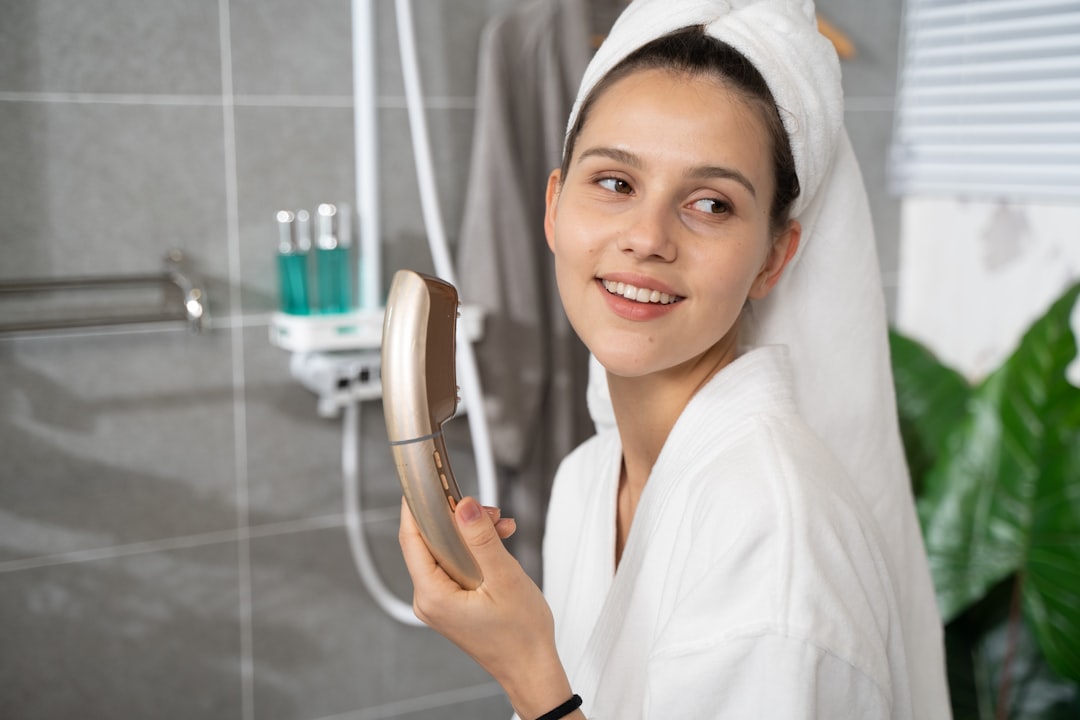 Not all microcurrent devices are created equal, and the market has exploded in the last few years with options ranging from clinical-grade tools to budget-friendly gadgets. After my initial experiment, I tested several more to understand what actually matters in terms of effectiveness and user experience.
The NuFace Trinity, which I used for my experiment, is basically the gold standard for at-home devices. It delivers consistent microcurrent output, has interchangeable heads for different treatment areas, and charges via a simple magnetic dock. The learning curve is minimal—five minutes following the basic protocol, and you’ve got it down. At roughly $325, it’s an investment, but the build quality and output consistency justify the price tag.
For athletes and serious wellness enthusiasts, the Therabody TheraFace Pro is fascinating. It’s essentially a multifunction recovery tool that combines microcurrent with percussion massage, red light therapy, and heat. The microcurrent settings are less customizable than dedicated devices, but having everything in one package is incredibly convenient. I know several trainers who keep this in their gym bag for post-workout facial tension relief, and the integration of multiple modalities makes sense for certain applications.
Foreo’s Bear device takes a different approach—smart pulsing that adjusts intensity based on skin conductivity. In theory, this means you’re always getting the right current for your tissue. In practice, the app integration can feel finicky, and some users report the pulsing sensation is more intense than traditional microcurrent. Still, the technology is clever, and the titanium heads are beautifully designed for durability.
Ziip sits at the higher end of the market with a device that’s basically professional-grade. The output is stronger, the treatment protocols more extensive, and the app-driven programs target everything from wrinkle reduction to lymphatic drainage. If you’re serious about facial muscle health and want a device that can grow with you as you learn more about the technology, the investment makes sense. But for most people starting out, the learning curve is probably steeper than necessary.
What matters across all these devices is consistency. Microcurrent isn’t a one-and-done treatment—it’s neuromuscular training that requires repetition to create lasting change. The device that works best is the one you’ll actually use daily, which is why I recommend starting with something simple and building from there.
How I Integrated Microcurrent Into My Recovery Routine
 One thing I learned quickly is that placement matters. The jaw connection—specifically where the masseter muscles attach—responds dramatically to microcurrent. I spend about two minutes tracing along the jawline, then another minute on each side of the neck where the tension typically refers. This alone has made more difference in my overall muscle tension than hours of manual therapy.
For athletes dealing with similar compensatory patterns, here’s what I’ve found most effective: post-workout, while your body is still warm, target the muscles that tend to grip during intensity. For me, that’s jaw, neck, and the base of the skull where the suboccipitals live. Three to five minutes with the microcurrent device helps those muscles down-regulate before they lock into tension patterns.
I’ve also discovered specific trigger points that respond remarkably well. The temporalis muscles at the sides of your forehead—these are the ones that ache when you’ve been clenching through a heavy lift or stressful day. A minute on each side can literally feel like your head is decompressing. The sternocleidomastoid muscles along the front of your neck—these get tight from forward head posture during computer work and driving. Gentle microcurrent along these pathways improves range of motion and reduces that “stuck neck” feeling.
The protocol that’s worked best for me is five minutes total daily, broken into three focused areas: jaw and masseter muscles, neck and upper traps, and temporalis muscles at the temples. I do this in the evening, after training but before bed, which seems to help with sleep quality as well. There’s something profoundly relaxing about intentionally releasing tension in these areas, and the effects seem cumulative—each day builds on the last.
What the Research Actually Says About Effectiveness
Beyond my personal experiment, I wanted to understand what the literature actually supports about microcurrent therapy. The research isn’t as extensive as I’d like, but what exists is compelling. Studies on facial applications have shown improvements in muscle tone, reduction in reported muscle tension, and measurable changes in facial surface electromyography—essentially, the electrical activity of facial muscles decreases after treatment, indicating less background tension.
The mechanism is fascinating. Microcurrent appears to affect cellular metabolism in ways that promote tissue repair and reduce inflammation. ATP production increases, protein synthesis improves, and blood flow enhances. These aren’t superficial effects—they’re fundamental changes in how muscle tissue functions. What this means in practice is that we’re not just masking tension temporarily; we’re potentially changing how those muscles operate at a cellular level.
The clinical applications for microcurrent are well-established in physical therapy. It’s used for wound healing, pain management, and muscle rehabilitation. The leap to facial applications isn’t actually that far—these are still skeletal muscles, subject to the same principles of overuse, tension patterns, and compensatory dysfunction. What’s new is the realization that we can address these issues at home, without clinical equipment or professional training.
That said, I want to be clear about limitations. Microcurrent devices aren’t magic wands. They won’t correct serious structural issues, they won’t replace manual therapy when you need hands-on work, and they certainly won’t compensate for poor movement patterns or training errors. What they do is address neuromuscular tone in a way that other modalities don’t—they’re another tool in the recovery toolbox, and one that deserves more attention than it’s gotten in performance circles.
The Cost-Benefit Analysis for Serious Athletes
At $200-400 for quality devices, microcurrent tools aren’t cheap. But compare that to what most of us spend on recovery already: massage guns at $300+, compression boots at $500+, cryotherapy memberships, regular physical therapy sessions. In that context, a device that delivers daily at-home therapy for a one-time cost starts to look like a reasonable investment.
For me, the math worked out quickly. I was spending $75-100 per week on manual therapy to address the same tension patterns that microcurrent now handles daily. Within two months, the device had paid for itself compared to my previous therapy schedule. More importantly, I wasn’t dependent on appointments anymore—I could address tension daily, preventatively, instead of waiting until it became a problem.
The durability question matters too. Quality microcurrent devices are built to last—my NuFace has been going strong for almost a year with daily use, no decline in output. The battery life is solid, the charging system is reliable, and there’s essentially nothing to break except the charging cable. Compare that to massage guns with internal motors and complex assemblies, and the long-term value becomes clearer.
What’s harder to quantify but equally important is the cumulative effect of daily use. Recovery is rarely about single interventions—it’s about the compounding impact of consistent practices. Five minutes daily with microcurrent, combined with your other recovery strategies, creates a baseline of muscle health that makes everything else work better. My strength training feels smoother when my neck isn’t tight. My sleep improves when my jaw isn’t clenching. My overall stress levels decrease without that constant background tension.
Who This Technology Works Best For
 After extensive testing and research, I’ve identified clear profiles for who benefits most from microcurrent facial devices. First and foremost: athletes who carry tension in their face, jaw, and neck during training. If you catch yourself clenching during heavy lifts, grinding your teeth during intervals, or waking up with tension headaches, this technology was basically designed for your dysfunction patterns.
Desk workers and professionals who spend hours in forward-head posture also respond remarkably well. The constant neck flexion, the upper trap tightness, the referral patterns from tight suboccipitals—microcurrent addresses these directly in a way that stretching alone often doesn’t. I’ve recommended this technology to several colleagues with desk jobs, and the reports are consistently positive: less neck tension, fewer headaches, improved range of motion.
Women in perimenopause or dealing with hormonal changes find particular benefit. The jaw tension that accompanies hormonal shifts, the facial muscle changes that come with decreasing estrogen—these respond beautifully to microcurrent. Several clients have reported not just tension relief but improvements in the appearance of facial tone, which makes sense given the underlying mechanism.
Who should skip this technology? If you have significant structural issues—severe TMJ disorders, disc problems in your neck, or diagnosed neurological conditions—microcurrent probably won’t address the root cause. You need professional evaluation and likely more intensive intervention. Likewise, if you’re looking for dramatic results overnight, this isn’t the technology. The benefits accumulate slowly through consistency, not through dramatic one-time treatments.
The Reality Check: Limitations and What to Expect
 I want to be completely honest about what this technology can and can’t do. It won’t replace manual therapy when you need hands-on work. It won’t correct years of poor movement patterns or training errors that are creating your tension in the first place. And it definitely won’t compensate for lack of sleep, poor nutrition, or chronic stress that’s manifesting physically.
What it will do is address neuromuscular tone in a way that’s difficult to achieve through other means. It will help over-facilitated muscles down-regulate and weak muscles fire more appropriately. It will improve blood flow and lymphatic drainage in the treatment area. And it will provide a daily practice of intentional relaxation that most of us desperately need.
The initial results—feeling looser, less tension, better range of motion—can appear within the first week or two. But the lasting changes, the ones that transform how your muscles function day to day, take longer. I’d say eight to twelve weeks of consistent use before you really understand what this technology can do. That’s not a quick fix, but it’s also not an unreasonable timeline for neuromuscular re-education.
My Final Verdict After Six Months of Daily Use
Six months in, microcurrent therapy has earned a permanent place in my recovery routine. The jaw tension that plagued me for years is essentially gone. My neck and traps stay loose through training cycles that would have had me locked up before. Sleep quality has improved—no more waking with tension headaches, no more clenching through the night. Perhaps most surprisingly, I feel more relaxed overall, less carryover of stress into my physical tissue.
Has it replaced my other recovery tools? No—I still use my sauna, still cold plunge, still see my physical therapist for manual work when needed. But microcurrent has filled a gap that nothing else addressed: daily neuromuscular down-regulation that keeps my baseline muscle tone healthy. It’s become non-negotiable in my routine, and I genuinely don’t understand why this technology isn’t more widely discussed in performance and recovery circles.
If you’re dealing with chronic tension—especially in jaw, neck, and facial muscles—this technology is worth exploring. Start with a quality microcurrent device, commit to consistent daily use for at least eight weeks, and pay attention to the subtle shifts that accumulate over time. The results might not be dramatic overnight, but the cumulative effect of released tension, improved blood flow, and better muscle function is genuinely transformative.
The device that finally released my jaw clenching didn’t just change my recovery routine—it changed how I understand muscle tension altogether. Sometimes the most powerful interventions aren’t the newest gadgets or the most expensive protocols. Sometimes they’re simple technologies that address fundamental physiological needs in ways we hadn’t considered before. Microcurrent therapy fits that description perfectly, and I’m glad I finally looked beyond my recovery stack to find it.