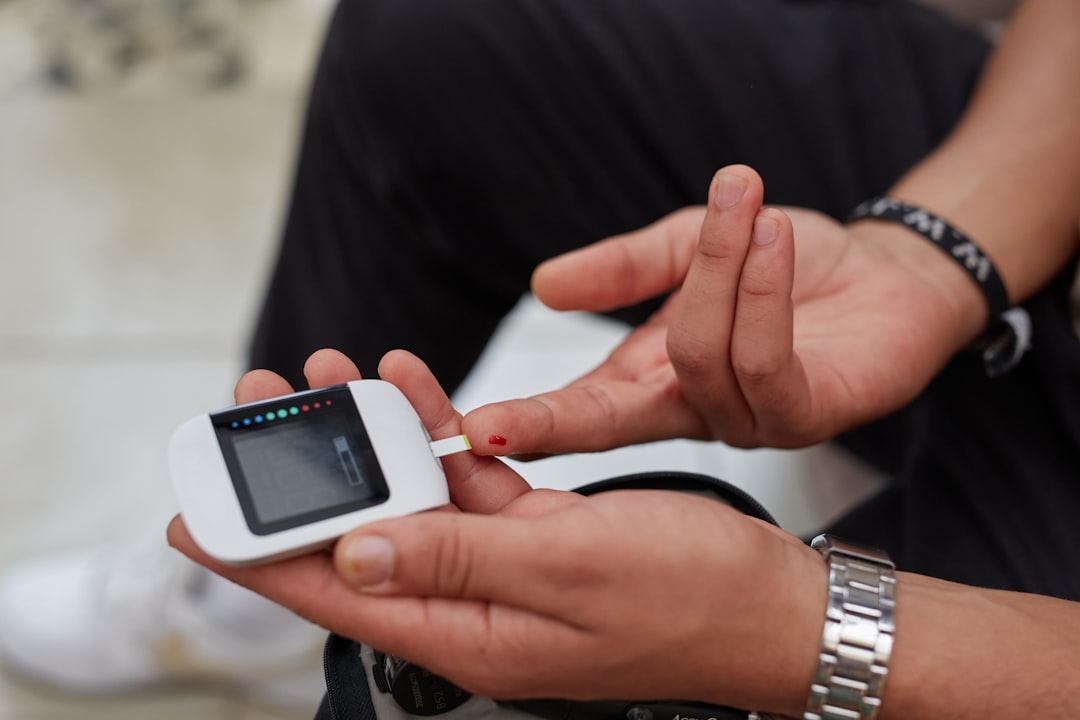
Let me tell you about the moment everything I thought I knew about my nutrition fell apart. It was a Tuesday morning, and I’d just eaten my “perfect” pre-workout breakfast — Greek yogurt, a banana, and a drizzle of honey. Within forty minutes, the little graph on my phone was showing a spike so steep it looked like a mountain range. My blood glucose had shot past 160 mg/dL and was crashing just as fast. I felt it too — that mid-workout energy crash I’d been blaming on poor sleep for months.
The tiny device responsible for this revelation? A continuous glucose monitor, or CGM, stuck to the back of my arm with adhesive. And the reason I could walk into a pharmacy and buy it without a prescription, a doctor’s visit, or a diabetes diagnosis is because the FDA cleared over-the-counter CGMs for non-diabetic adults in 2024. Since then, the wellness world hasn’t been the same.
But here’s what I really want to unpack: after sixty days of wearing one, tracking every meal, every workout, every restless night — was it actually worth it? Or was this just another expensive biohacking toy that looks impressive on Instagram but doesn’t move the needle? Let’s get into it.
What Exactly Is a CGM, and Why Are Non-Diabetics Suddenly Obsessed?
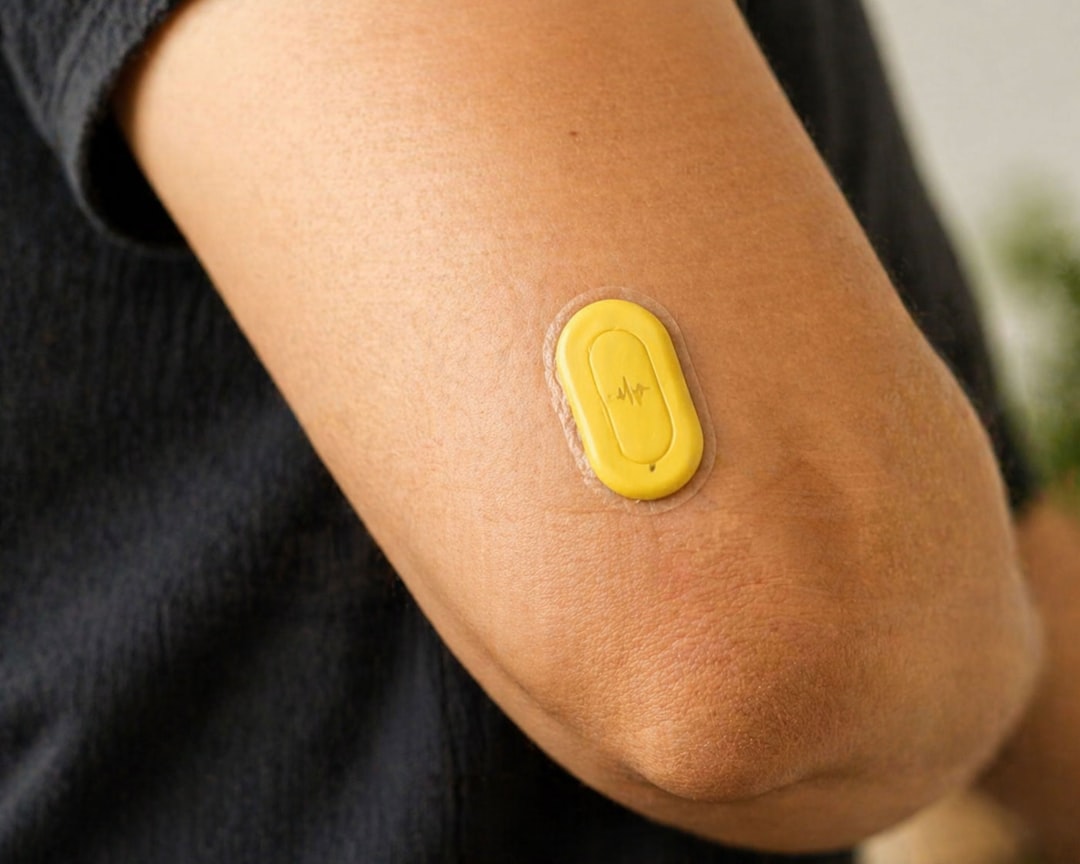
A continuous glucose monitor is a small biosensor — roughly the size of a quarter — that sits on your skin and uses a hair-thin filament to measure glucose levels in your interstitial fluid. It takes readings every few minutes, sends them to your phone via Bluetooth, and gives you a real-time curve of how your body is responding to everything you eat, do, and feel.
For years, CGMs were strictly medical devices for people with diabetes. But somewhere along the line, endurance athletes and biohackers started asking a reasonable question: if glucose response affects energy, performance, recovery, and even mood, shouldn’t the rest of us know what’s happening too? The OTC revolution made that possible. Devices like the Dexcom Stelo and the Abbott Lingo hit pharmacy shelves, and suddenly you didn’t need a prescription to access metabolic data that used to require a lab visit.
I’ve spent two decades in the wellness space. I’ve worn more fitness trackers than I can count — I even replaced my fifteen-year watch habit with a smart ring to see what finger-based data could tell me. But nothing I’ve ever tracked has been as immediately, viscerally useful as seeing my glucose curve react to a bowl of oatmeal in real time.

The Devices: What’s Actually Available Without a Prescription?
Here’s where the market stands right now. There are essentially two categories of CGMs for non-diabetics: standalone OTC sensors you buy and use on your own, and subscription platforms that pair the hardware with coaching apps, AI insights, and dietitian support.
Standalone OTC Sensors
The Dexcom Stelo is the sensor I started with, and it remains my top recommendation for anyone curious about CGMs. Each sensor lasts fifteen days, integrates with the Oura Ring for combined sleep-and-metabolic data, and runs about $89 per month. The app is clean, the Bluetooth connection is reliable, and the data export options are solid if you like geeking out over spreadsheets.
The Abbott Lingo is the budget option at roughly $49 per sensor. It’s available at Walgreens and on Amazon, which means you can literally add it to your next grocery order. The app is more basic than Dexcom’s, and the sensor lasts the same fifteen days, but for someone who just wants to run a two-week experiment without committing to a subscription, it’s hard to beat.
One thing nobody tells you: these sensors come with adhesive that works for most people but can irritate sensitive skin. I learned this the hard way on day three when the edges started peeling after a sweaty training session. A pack of CGM adhesive overpatches solved the problem instantly, and I’ve used them on every sensor since. A protective armband is also worth considering if you train hard or sleep on your side.
Subscription Platforms With Coaching
If raw data feels overwhelming, several platforms pair CGM hardware with AI coaching and human dietitian support. Nutrisense is the standout here — it runs about $179 per month but includes insurance-eligible consultations with registered dietitians who help you interpret the data and adjust your eating patterns. For someone who’s never paid attention to metabolic health, that guided onboarding can be the difference between a transformative experience and an expensive paperweight.
Signos is another option, and notably the only FDA-cleared CGM platform specifically designed for weight management. Levels Health built its reputation in the biohacking community and offers sleek metabolic scoring. The premium platforms all use the same underlying Abbott or Dexcom sensors — the difference is entirely in the app experience and support layer.
The Five Things My CGM Taught Me That Nothing Else Could
This is where it gets personal, because the real value of a CGM isn’t the hardware or the app. It’s the specific, sometimes uncomfortable revelations that only continuous data can surface. Here’s what sixty days changed for me.
My “Healthy” Breakfast Was Wrecking My Mornings
Remember that yogurt-and-honey disaster? It got worse. My beloved post-workout smoothie — packed with fruit, a banana, and a scoop of protein powder — was sending my glucose to the moon every single time. I wasn’t eating junk food. I was eating foods that are universally considered healthy, but they weren’t healthy for my body at those combinations. Within a week of wearing the CGM, I’d restructured my breakfast to include more protein and fat, cut the banana, and added a scoop of berberine to help with glucose regulation. The difference in my morning energy was staggering.

Stress Spikes Glucose More Than Dessert
This one genuinely shocked me. The highest glucose reading I saw during the entire sixty days didn’t come after a cheat meal. It came after a brutal Wednesday afternoon where my car broke down, I missed a client deadline, and I got into an argument with my sister — all while fasting. My glucose hit 145 mg/dL without a single calorie crossing my lips. Cortisol triggers gluconeogenesis, and my CGM made that textbook concept viscerally real. It also reinforced why stress management deserves the same attention as nutrition and training.
Walking After Meals Is Non-Negotiable
I’d heard the advice a hundred times: take a ten-minute walk after eating to blunt the glucose spike. I nodded along and ignored it because, honestly, who has time? But when I could see with my own eyes that a post-dinner stroll kept my glucose curve 40 points lower than the same meal eaten before sitting on the couch — that was the moment I became a believer. A sugar-free electrolyte powder in my water bottle and a lap around the neighborhood is now my favorite recovery tool.

Sleep Quality and Morning Glucose Are Deeply Connected
My Oura Ring had been telling me for months that my deep sleep was inconsistent. My CGM added a critical missing piece: on nights when I got less than forty-five minutes of deep sleep, my fasting glucose the next morning was 12–18 points higher, and my insulin sensitivity throughout the day was noticeably worse. I started taking magnesium glycinate before bed and keeping my room cooler. Both numbers improved within a week. The combination of sleep data and metabolic data is genuinely powerful — which is why the next generation of wellness scanners is moving toward integrated multi-sensor platforms.

Some “Junk Foods” Barely Moved the Needle
Here’s the funny part. A slice of pepperoni pizza at my nephew’s birthday party? Modest, controlled glucose response. A bowl of stone-ground oatmeal with almond butter? Absolute roller coaster. This isn’t license to abandon whole foods — it’s a reminder that individual responses vary wildly, and population-level nutrition advice will always miss the nuance of your particular metabolism. The CGM was the only tool that could show me which foods were actually working for me.
Building a Metabolic Toolkit: What Actually Supports Stable Blood Sugar
Sixty days with a sensor on my arm didn’t just change my eating habits — it changed my supplement drawer, my grocery list, and my daily routine. Here’s what earned a permanent spot based on what my glucose data showed me.
Berberine was the biggest surprise. I’d dismissed it as a trendy supplement, but the research is legitimate — it activates AMPK and supports glucose uptake in a way that’s measurably visible on a CGM. The berberine supplement I take daily blunts my post-meal spikes by roughly 15–20 points, especially with carb-heavy meals.
Inositol came next. It’s primarily known for PCOS support, but my CGM showed a clear improvement in fasting glucose stability after two weeks of consistent use. Myoinositol powder stirred into my morning water became as automatic as brushing my teeth.
I also started keeping apple cider vinegar gummies in my bag for meals out, because the acetic acid research is solid and my CGM confirmed a modest but consistent blunting effect. A daily cinnamon supplement rounds out the stack — the effect is subtle, but combined with the others, the overall curve smoothness improved noticeably.

For snacks, I switched from granola bars to low-glycemic protein bars that keep my glucose flat through afternoon sessions. And on the grocery front, I started shopping the perimeter more intentionally — the CGM made it impossible to ignore the difference between whole foods and processed ones.

Should You Actually Buy One?
Here’s my honest verdict after sixty days. If you’re someone who already tracks health metrics, cares about your nutrition, and wants to understand your body at a level that no wearable or blood panel can match — yes. A CGM is the single most impactful biohacking tool I’ve used in the last five years. The OTC sensors start at $49, which is less than most people spend on coffee in two weeks.
That said, not everyone needs one. If you eat the same five meals every day and feel great, a CGM might not surface anything actionable. If you’re overwhelmed by data and don’t want to think about glucose curves, the raw sensor experience could feel stressful rather than empowering. And if you have a history of disordered eating or health anxiety, the constant stream of numbers might do more harm than good. Talk to a healthcare professional first.
For me, the investment paid for itself in redirected grocery spending, supplements that actually work for my body, and the elimination of foods that were secretly sabotaging my energy. When I think about the summer training plateaus I used to hit and now realize were glucose crashes from poorly timed meals, it’s almost frustrating it took me this long to look under the hood.
The OTC CGM revolution is real. The technology is accessible, the data is genuine, and for the right person, it can be genuinely transformative. Just don’t be surprised when the sensor tells you something about your favorite “healthy” meal that you really don’t want to hear.



One comment on “Your Blood Sugar Is Probably Fine — But Here’s What a $49 Sensor Revealed About My Body That No Wearable Could”