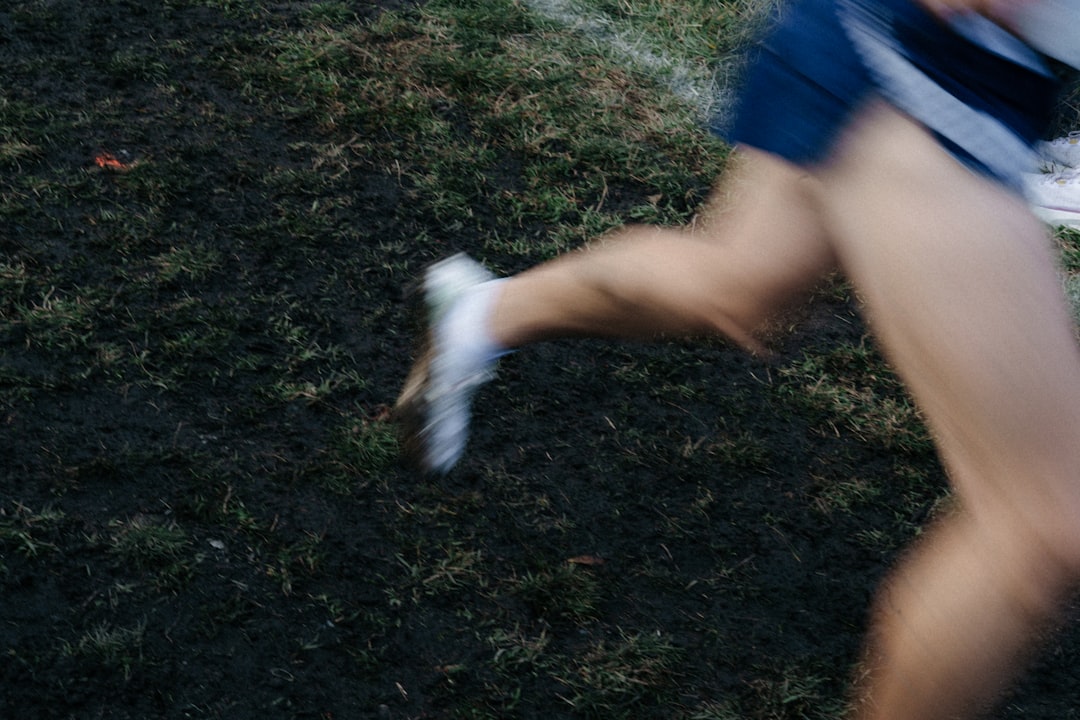
I spent most of my twenties and thirties treating my feet like afterthoughts. Cushioned sneakers, thick socks, arch supports, orthotic inserts — I wrapped my feet in so much padding that they barely had to do any work at all. And for a long time, that seemed fine. I was fast, strong, and pain-free. Then somewhere around my thirty-eighth birthday, my knees started aching after long runs. My hips felt tight no matter how much I stretched. And my feet — well, they just felt tired. All the time.
A physical therapist I was working with watched me walk across her clinic, frowned, and said six words that changed everything: “Your feet have forgotten how to work.”
She explained that years of heavily cushioned, rigid-soled shoes had essentially put my foot muscles to sleep. The intrinsic muscles — the tiny stabilizers in the arch, the toes, the midfoot — had atrophied from disuse. My body had been compensating upstream, dumping extra load into my knees, hips, and lower back. The solution wasn’t more support. It was less.
The Science Behind Why Barefoot Training Works
Here’s what researchers have been discovering over the past decade, and it’s fascinating. Each foot contains twenty-six bones, thirty-three joints, and over a hundred muscles, tendons, and ligaments. That’s an incredibly complex structure — far more intricate than most of us realize. When you encase that structure in a stiff, heavily padded shoe with a raised heel, you’re essentially putting a cast on it. The muscles don’t have to stabilize, the toes can’t splay naturally, and the sensory feedback from the ground gets muffled.
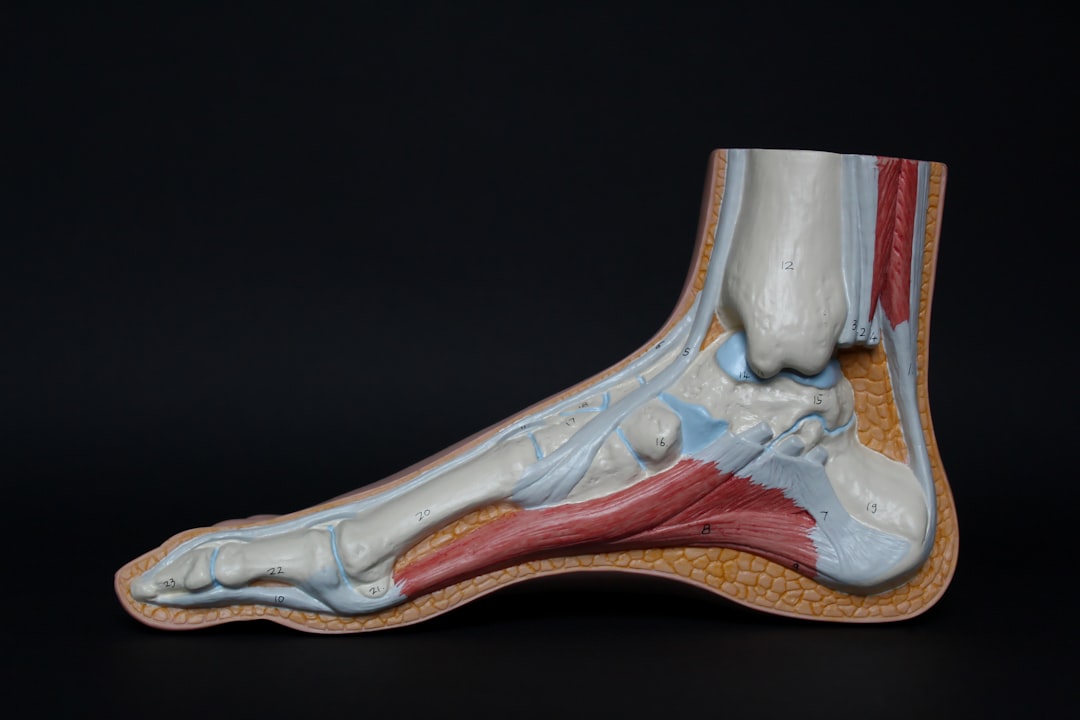
Studies published in journals like Nature and the Journal of Foot and Ankle Research have shown that habitual barefoot walkers and runners have significantly stronger intrinsic foot muscles, wider feet with more splayed toes, and better proprioception — that’s your body’s awareness of where it is in space. A 2026 review in the British Journal of Sports Medicine confirmed that minimalist footwear interventions improved foot arch strength by up to 60% in previously shod individuals over twelve weeks.
What does that mean in practical terms? Stronger feet translate to better balance, more efficient force production during exercise, and a reduced risk of common injuries like plantar fasciitis, Achilles tendinitis, and ankle sprains. For someone like me who spent years pushing through niggling knee pain, this was a revelation.
My Ninety-Day Barefoot Experiment
I didn’t go cold turkey. That would have been a disaster — and honestly, it’s the number one mistake people make when transitioning to barefoot or minimalist training. You can’t go from twelve years of maximalist running shoes to zero support overnight without asking for trouble. Instead, I built a gradual protocol that I’m going to share with you, because it made all the difference.
Weeks one through three: I started with just ten minutes of barefoot walking around my house each morning. That was it. No running, no lifting, nothing intense. I also began wearing toe spacers for about an hour a day while I worked at my desk, gently encouraging my toes back into their natural splayed position after years of being crammed into narrow toe boxes.
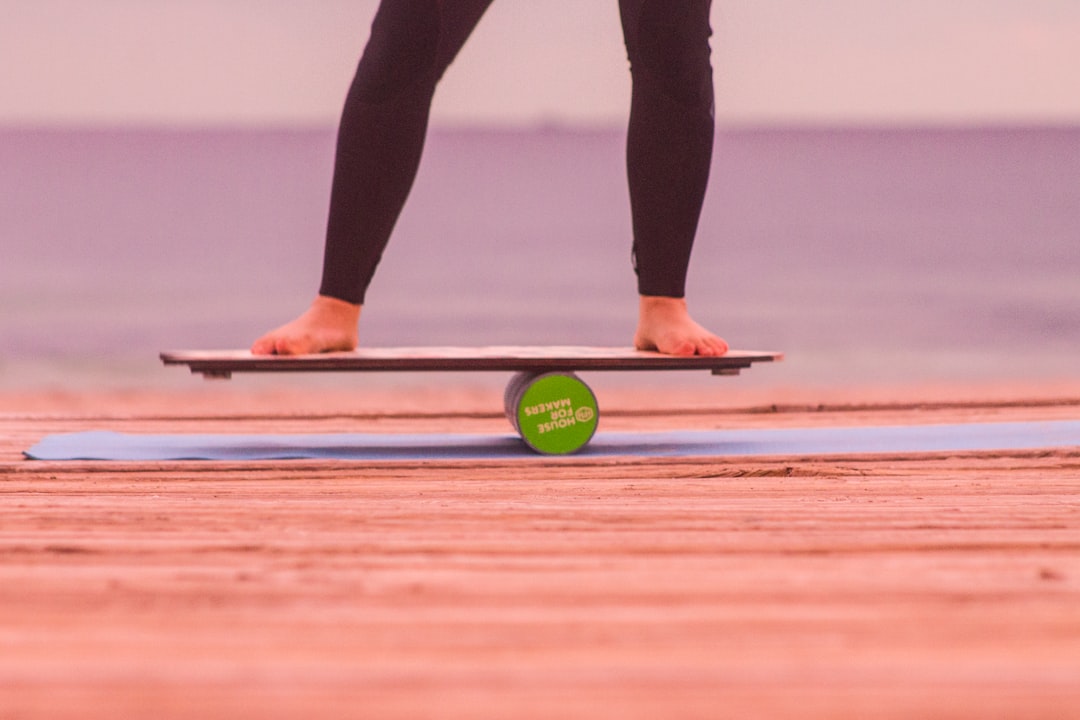
Weeks four through six: I introduced short barefoot balancing exercises — single-leg stands on a balance board for two to three minutes per side. This was humbling. My ankles wobbled like a newborn deer, which told me everything I needed to know about how weak my stabilizers had become. I also swapped my everyday sneakers for a pair of wide-toe-box minimalist shoes during walks and errands.
Weeks seven through twelve: This is where things got exciting. I began doing my warm-ups and cool-downs barefoot. Dynamic stretches, light lunges, calf raises — all without shoes. I started feeling muscles in my feet I didn’t even know existed. My arches felt more engaged during squats. My balance improved noticeably. And here’s the part that shocked me: my chronic knee pain? Gone. Not reduced — gone.
The Gear That Made the Transition Possible
Going barefoot doesn’t mean you need to ditch shoes entirely — especially if you’re training outdoors or on hard surfaces. The right gear can bridge the gap between where you are now and where your feet want to be. These are the tools that made my transition smooth, and the ones I still use daily.
Minimalist Shoes for Everyday Training
After testing a handful of options, I settled on zero-drop minimalist shoes as my go-to for daily wear and lighter workouts. The zero-drop sole means your heel and forefoot are at the same height, which encourages a more natural foot position and gait. Look for a wide toe box that lets your toes splay, a thin but protective sole, and flexible material that moves with your foot rather than against it.
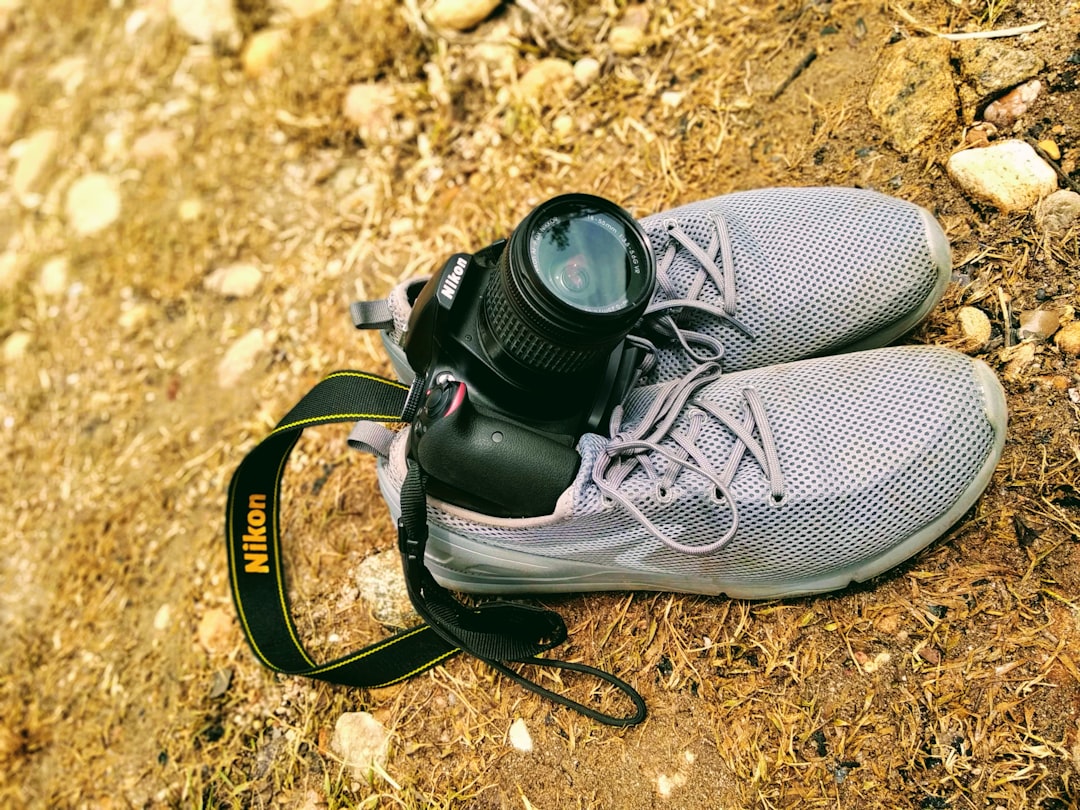
I keep two pairs in rotation — one for outdoor runs and walks, and a more flexible pair for indoor workouts and weightlifting sessions. The difference in how grounded and connected I feel during deadlifts and squats is remarkable. You can feel the floor, adjust your weight distribution in real time, and generate power from a much more stable base. If you’re looking for a place to start, affordable barefoot training shoes are a solid entry point that won’t break the bank while you figure out if this style works for you.
Toe Spacers: The Unlikely Hero
I know, toe spacers sound like the kind of thing you’d find in a grandma’s medicine cabinet. But hear me out. After years of wearing narrow shoes, most of us have toes that curve inward, overlap, or compress together. That compression affects your entire kinetic chain — from foot alignment up through your knees and hips. Wearing gel toe separators for thirty to sixty minutes a day helps restore natural toe spacing, stretches the fascia between your toes, and can relieve pressure on bunions and neuromas. I wear mine while reading before bed, and after three months, my feet are visibly wider and my toes sit in a much healthier position.
Balance Tools That Build Foot Intelligence
Strong feet aren’t just about muscle — they’re about neurological connection. Your feet are loaded with proprioceptive sensors that tell your brain where your body is and how to adjust. Cushioned shoes dampen those signals. Barefoot work and balance training wake them back up.
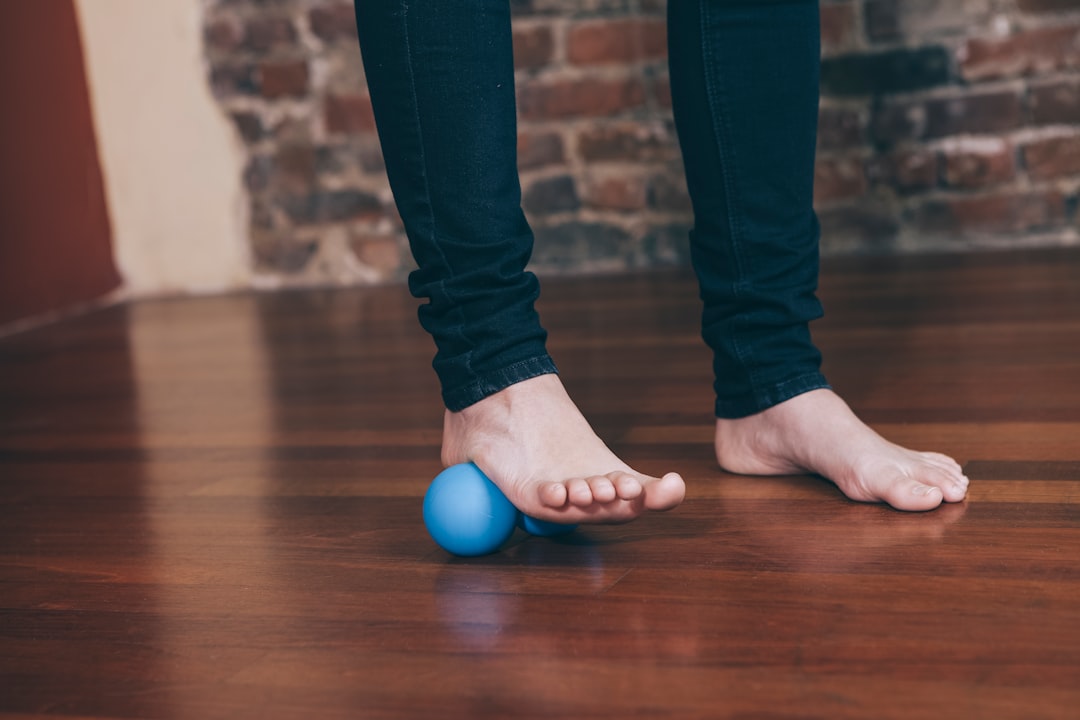
Beyond the balance board I mentioned, I also use a lacrosse ball and foot roller for rolling out the plantar fascia and arch. Two minutes per foot before a workout, and my feet feel warm, awake, and ready to stabilize. I also keep a textured balance pad in my living room for standing exercises and single-leg work while I’m watching TV. It’s the kind of passive strengthening that adds up over time without feeling like a chore — not unlike the movement snacks philosophy I’ve written about before.
Five Foot-Strengthening Exercises You Can Start Today
You don’t need any equipment for these — just a clean floor and five minutes. I do this sequence every morning before I put on shoes, and it’s become as automatic as brushing my teeth.
1. Toe Yoga: Lift your big toe while keeping the other four pressed flat to the floor. Then reverse it — press the big toe down and lift the other four. This sounds easy until you try it. Most people’s toes have been immobilized for so long that the neural pathways have gone dormant. Keep practicing. Within a couple of weeks, you’ll regain independent toe control.
2. Short Foot Exercise: Stand on one foot and try to shorten the distance between the ball of your foot and your heel by engaging your arch muscles — without curling your toes. Hold for five seconds, relax, and repeat ten times per side. This directly targets the muscles that support your medial longitudinal arch and is one of the most evidence-backed foot exercises out there.
3. Towel Scrunches: Place a small towel on the floor and use your toes to pull it toward you. This strengthens the toe flexors and the intrinsic muscles of the foot. Do three sets of ten with each foot. It’s oddly satisfying once you get the hang of it.
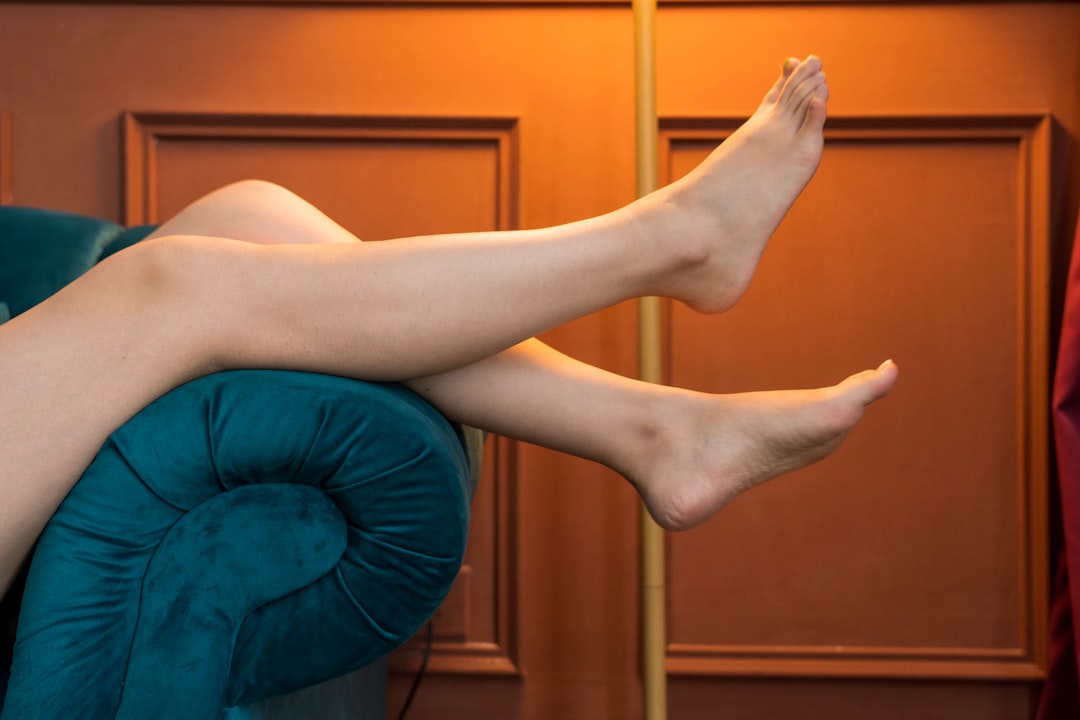
4. Single-Leg Barefoot Stand: Simply stand on one foot, barefoot, for thirty to sixty seconds. Close your eyes to make it harder. This trains proprioception, ankle stability, and foot arch engagement all at once. It’s the exercise that humbled me the most — and the one that gave me the fastest results.
5. Calf Raises on a Step: Stand on the edge of a step with your heels hanging off. Rise onto your toes, pause at the top, then slowly lower below the level of the step. Do fifteen slow reps. This strengthens the calves, Achilles tendon, and the entire posterior chain of the foot and ankle. I do these barefoot every single day.
What I Wish Someone Had Told Me Before Starting
The transition wasn’t all smooth sailing, and I want to be transparent about that. There were a few weeks where my feet ached in new and unfamiliar ways — not injury pain, but the deep muscle soreness of muscles waking up after a long dormancy. My calves were tight. My Achilles tendons felt tender. This is completely normal, but it’s also why you must ease into it gradually.
I also learned that not every minimalist shoe is created equal. Some brands market themselves as “barefoot” but still have narrow toe boxes or slightly raised heels. Read the specs carefully. True minimalist shoes should be zero-drop, wide in the forefoot, and have a sole that’s flexible enough to roll up like a burrito. If you can find a pair at a range of price points, start with something affordable until you know what works for your feet.
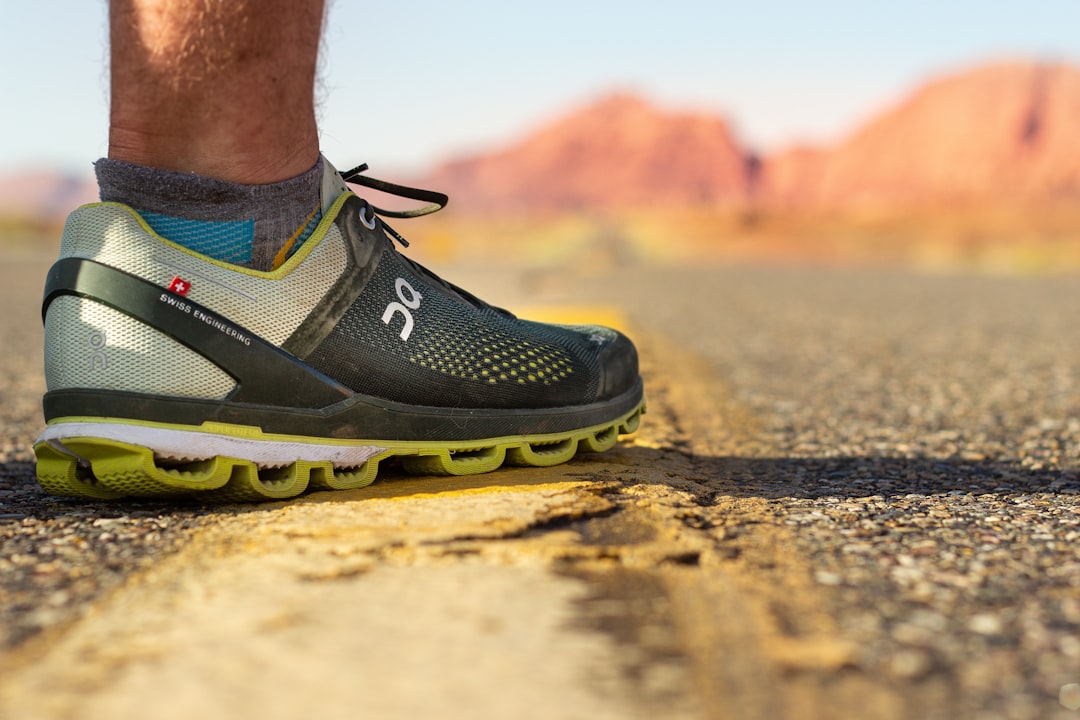
The other surprise was how much my overall movement quality improved. My squat depth increased because my ankles had more range of motion. My running cadence naturally quickened to a more efficient stride. Even my yoga practice felt different — I could grip the mat with my toes and hold poses with more confidence. If you’re shopping for a mat that complements barefoot work, check out my yoga mat guide for options with great grip. It turns out that when your feet work the way they’re designed to, everything upstream works better too.
The Recovery Side of the Equation
Barefoot training is a form of stress on your feet — good stress, but stress nonetheless. I learned to treat foot recovery with the same respect I give my post-workout protein shake and foam rolling routine — and if you’re looking for more recovery ideas, my complete guide to recovery tools has you covered. A frozen water bottle rolled under the arch for five minutes is a game-changer for plantar fascia recovery. I also use a spiky massage ball on the bottom of my feet before bed to release tension and boost circulation.
Three Months Later: The Results
So where am I now, ninety days into this experiment? My knee pain hasn’t returned. My balance has improved dramatically — I can hold a single-leg stand with my eyes closed for over a minute on either side, which I couldn’t do for ten seconds when I started. My feet look different: wider, with toes that actually spread when I stand barefoot. And the chronic hip tightness that plagued me through my thirties? Almost entirely gone.
But the biggest change is something harder to measure. I feel connected to the ground in a way I never did before. When I walk, run, or lift, I can feel the terrain adjust beneath me. My feet respond automatically, stabilizing and propelling with an efficiency I’d lost without even realizing it. It’s like getting back a sense I didn’t know I’d lost.
If you’re dealing with foot pain, knee issues, or just a sense that your body isn’t moving as well as it used to, your feet might be the missing piece. You don’t need to overhaul your entire workout or buy a dozen new products. Start with ten minutes of barefoot walking, a pair of toe spacers, and a little patience. Your feet — and everything above them — will thank you.


2 Comments on “Why I Stopped Wearing Cushioned Shoes and What Barefoot Training Did to My Body After 90 Days”