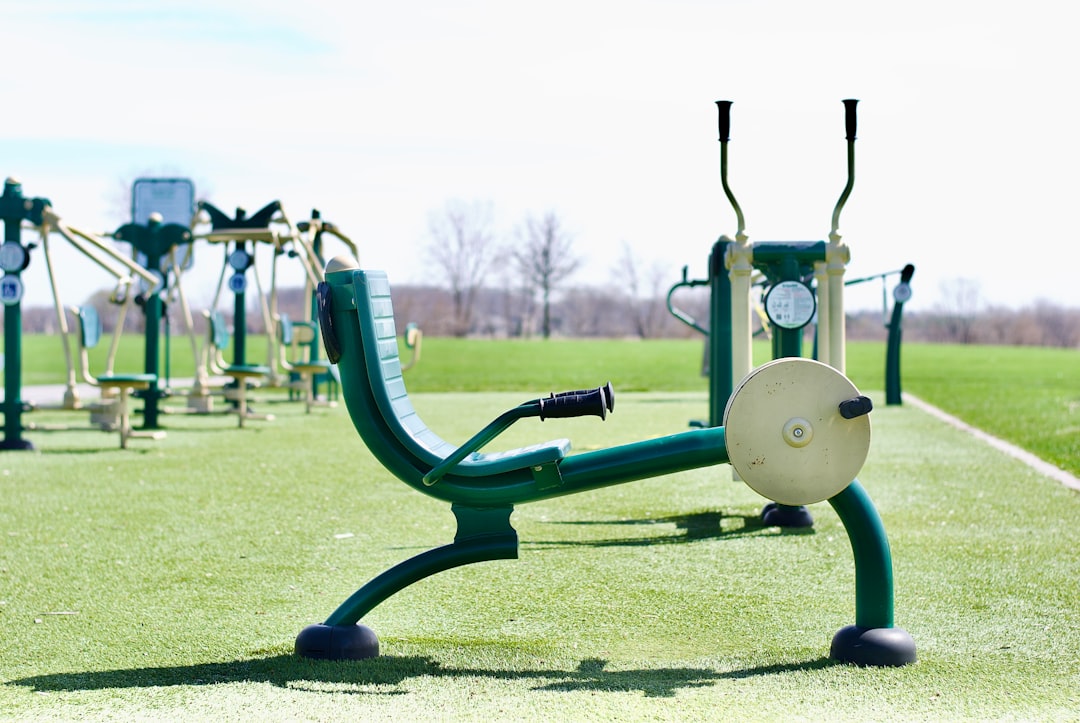
Every June, I watch the same thing happen at my YMCA. The parking lot thins out. The 6 AM class that was packed in May suddenly has half its regulars. My inbox fills with messages like, “Sophia, it’s just too hot — I’ll pick it back up in September.” And I get it. When the air feels like breathing through a wet towel and your heart rate spikes twenty beats higher than it should for an easy jog, summer training can feel punishing.
But here’s what I’ve learned after twenty summers of coaching athletes through the heat: the problem isn’t the weather. The problem is that most people try to train in July the exact same way they trained in April. Same intensity, same gear, same hydration habits — and then they wonder why everything falls apart.
Summer demands a completely different approach. And once you build it, you might find — like I did — that the hot months become your strongest training block of the year.

Rethink Your Training Window
The single most effective change you can make costs nothing: shift your training to the coolest part of the day. For most of us, that means before 8 AM or after 7 PM. I’ve been a sunrise workout person my entire career — partly because I love the quiet, and partly because by 10 AM in July, the pavement here in North Carolina is literally hot enough to fry an egg.
If mornings genuinely don’t work for you, evening training is perfectly fine. Just give your body two hours to cool down before bed, because elevating your core temperature right before sleep is a recipe for tossing and turning until midnight. I learned this the hard way a few summers ago when I was doing track intervals at 8 PM and wondering why my sleep data looked like a roller coaster for three straight weeks.
For the bravest among you, there’s also something to be said for acclimatization training — deliberately exercising in heat to expand your plasma volume and improve performance. But that’s a controlled process, not a “go run at noon in July and hope for the best” situation. Start with short, low-intensity sessions and build gradually over two weeks.
The Hydration Protocol That Actually Works
Let me be blunt: chugging a bottle of water before your workout is not a hydration strategy. It’s a wish. By the time you feel thirsty during a hot-weather session, you’re already operating at reduced capacity. Your blood thickens, your heart works harder, and your perceived effort skyrockets.
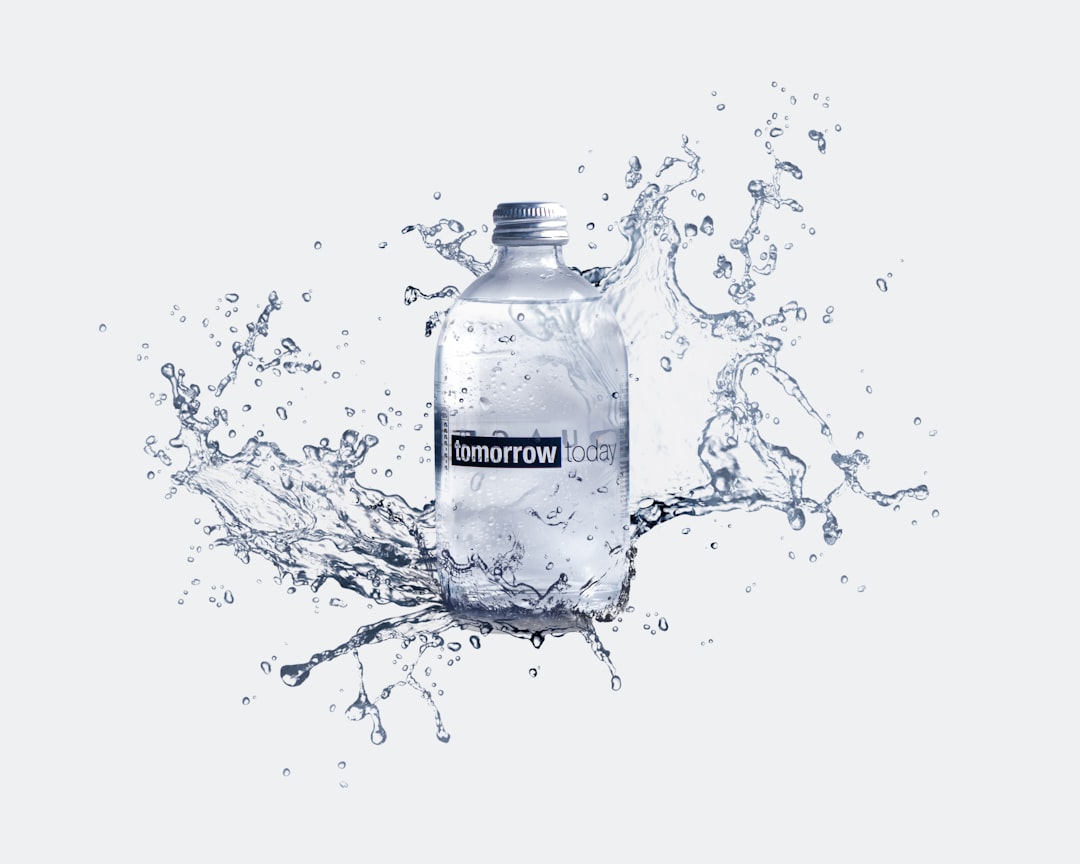
Here’s the protocol I use and recommend to every client: start hydrating the night before. Drink 16-20 ounces of water with electrolytes before bed, another 16 ounces when you wake up, and sip consistently throughout your session — not just at the end. I keep electrolyte powder packets in my gym bag year-round, but they become non-negotiable from June through August.
The key is sodium. When you sweat, you’re losing roughly 500-1,000 mg of sodium per hour of exercise in heat. Plain water replaces the fluid but not the minerals, which is why you can drink a gallon and still feel foggy and fatigued. I recommend electrolyte tablets for anyone who finds the powders too sweet — they dissolve fast, taste mild, and you can toss a tube in your bag.
And yes, your water bottle matters. A cheap plastic bottle that warms your drink to bathwater temperature in twenty minutes will have you avoiding hydration without realizing it. I switched to a 64-ounce insulated bottle three years ago, and it holds ice for a full day in the sun. That’s not a luxury — it’s a tool that makes adequate hydration actually pleasant.
If you’ve ever felt mysteriously drained during summer training despite drinking plenty of water, you might be dealing with the same mineral deficit I wrote about last month. It’s more common than you think.
Cooling Gear: What’s Worth It and What’s Gimmicky
I test a lot of products. It’s part of the job. And I’ll be honest — most “cooling” fitness gear is marketing fluff with a premium price tag. But a few categories genuinely make a difference in summer training, and they’re not expensive.

Cooling towels are the real deal. You soak them in water, snap them a few times, and they drop 20-30 degrees below ambient temperature. Draped over your neck during rest intervals, they keep your core temperature from spiking — which means you can actually finish your workout instead of cutting it short. A quality instant cooling towel costs less than fifteen dollars and lasts for years.
A rechargeable portable neck fan is another unexpected hero. I was skeptical until a client brought one to a Saturday morning hill repeat session. It clips around your neck and directs airflow across your face and chest. For outdoor sessions where there’s zero breeze, it’s a game-changer — and at this point, several of my training partners have copied the idea.
Dress Like Heat Is the Enemy (Because It Is)
Cotton kills in summer training. It traps heat, soaks with sweat, and weighs you down. The right fabric makes a bigger difference than any supplement or gadget on this list. Look for lightweight, moisture-wicking polyester or nylon blends — they pull sweat away from your skin and let it evaporate quickly, which is how your body naturally cools itself.
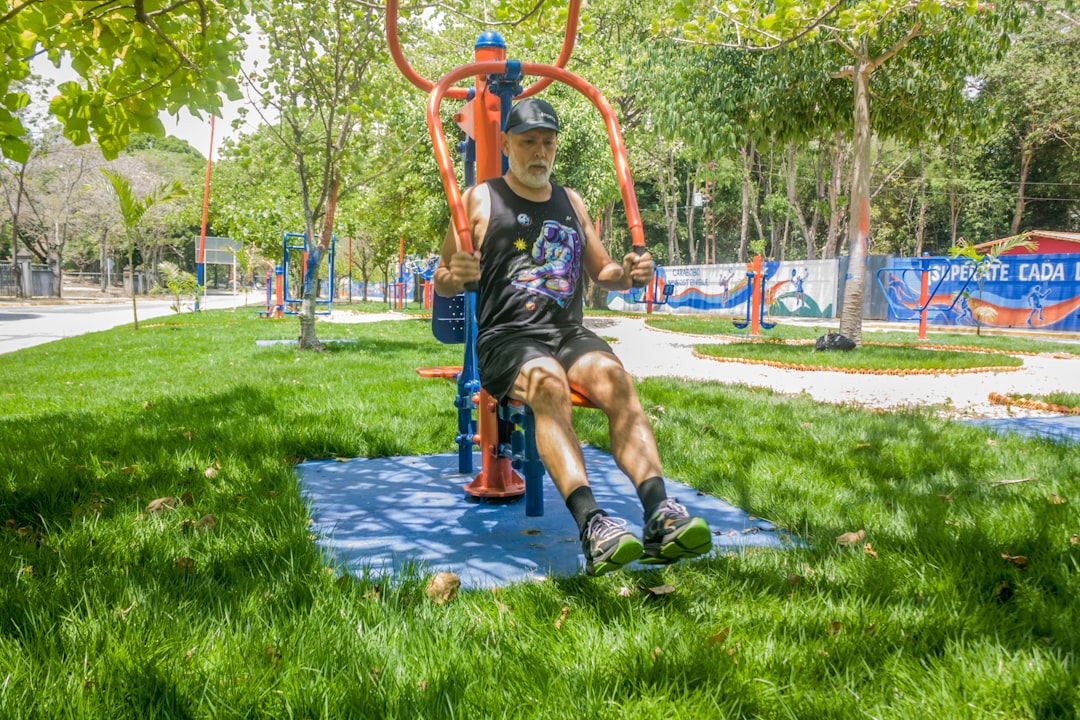
UPF-rated shirts are worth every penny if you train outdoors between May and September. I wear them for every long session — not just for the cooling fabric, but because sun damage is cumulative and absolutely real. A well-constructed breathable UPF running shirt for women or a lightweight UPF top for men blocks 98% of UV rays while keeping you cooler than a regular tech tee.
Top it off with a breathable running hat with mesh panels. The difference between a good hat and no hat in direct sun is staggering — it’s like someone turned on the air conditioning in your head.
Sun Protection Beyond the Shirt
Even with UPF clothing, exposed skin needs protection. I’ve seen too many athletes skip sunscreen because they “never burn” — and then come to me six months later asking about dark spots and premature aging. Sun damage doesn’t care about your skin type. It cares about cumulative exposure.
For training sessions longer than 45 minutes, I use a mineral sport SPF 50 sunscreen on my face, ears, and the back of my neck. Mineral formulas sit on top of the skin rather than absorbing, which means they start working immediately and won’t run into your eyes when you sweat. Apply it fifteen minutes before you head out, and reapply if you’re out for more than two hours.
A quick note on timing: UV radiation peaks between 10 AM and 4 PM. If you can avoid training during that window, your skin and your performance will both thank you. But if your schedule demands it, treat sun protection like part of your warm-up — non-negotiable.
Recovery Looks Different in the Heat
Summer heat adds physiological stress that most people don’t account for. Your resting heart rate may run 5-10 beats higher than normal. Your perceived exertion at a given pace will increase. And your recovery between sessions takes longer — even if the workouts feel similar.
This is where active cooling comes in. After a hot session, your core temperature stays elevated for longer than you’d expect. I’ve been using a simple post-workout protocol: ten minutes in the shade with a cooling towel, followed by a cool (not ice-cold) shower. The goal isn’t to shock your system — it’s to gently bring your temperature back to baseline so your body can shift resources from thermoregulation to muscle repair.
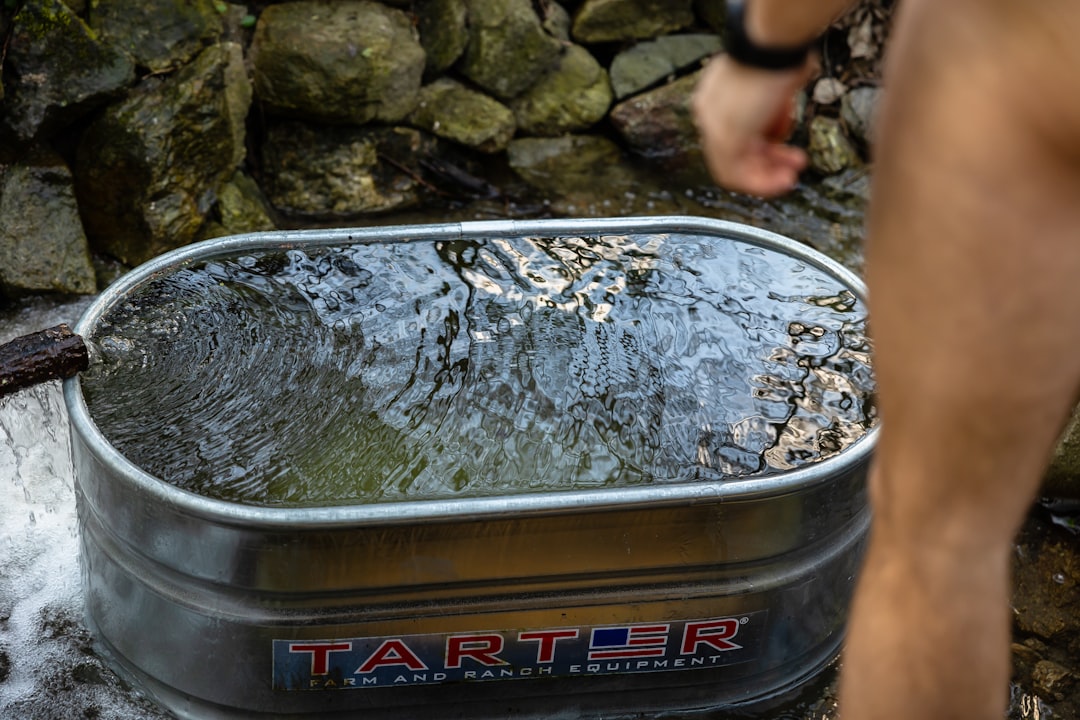
If you want to go deeper, portable cold plunge tubs have become surprisingly affordable. I wrote about my full summer recovery setup recently, but the short version: ten minutes of cold immersion after your hardest sessions reduces inflammation, speeds recovery, and — counterintuitively — helps you sleep better that night.
For muscle soreness between sessions, I keep a menthol-based recovery lotion in my gym bag. It’s not magic, but the cooling sensation helps with DOMS and makes tight muscles easier to work on with a foam roller or massage gun. Small things add up.
Summer Sleep: The Hidden Variable
Here’s something most coaches won’t tell you: your summer training results are largely determined by your bedroom temperature. When your sleeping environment is too warm, you spend less time in deep sleep and REM — the phases where your body repairs tissue, consolidates memories, and regulates hormones. You can do everything right during the day and sabotage it all with a hot bedroom.
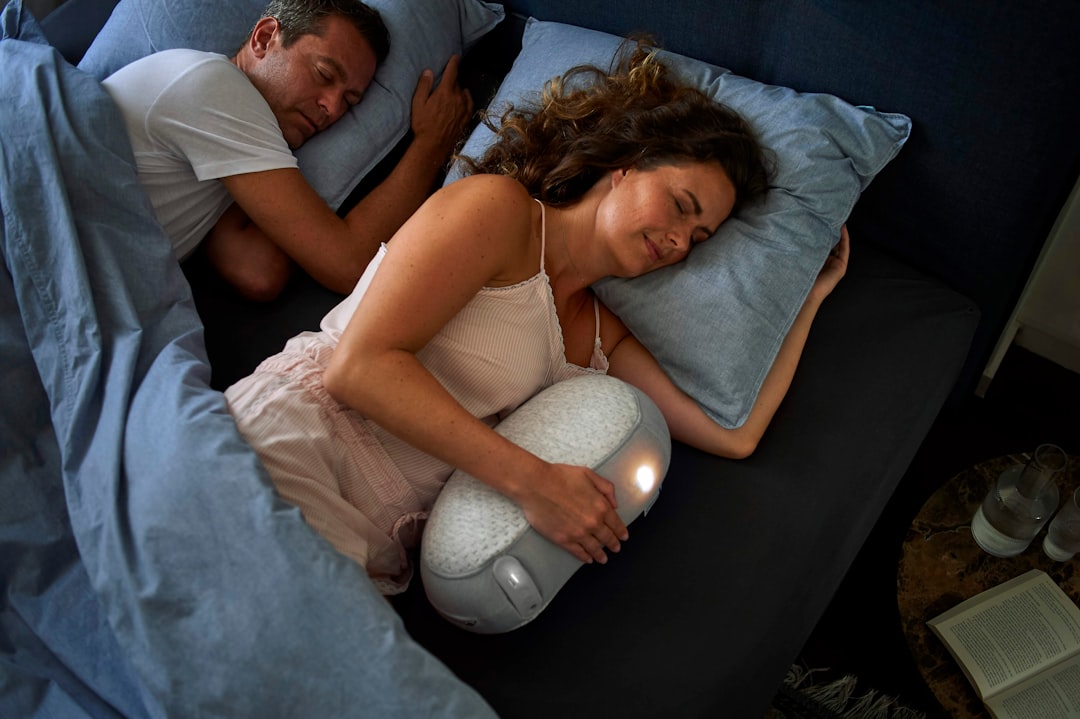
I keep my bedroom at 67 degrees or cooler year-round, but in summer, my AC works overtime to maintain that. If you don’t have central air or live in a climate where nighttime temps stay in the 80s, a cooling pillow and mattress pad can drop your skin temperature by several degrees without touching the thermostat. It’s the single highest-ROI sleep upgrade I’ve made for summer recovery.
The research is clear: athletes who sleep in cooler environments recover faster, perform better, and report lower perceived exertion during training. If you’re struggling with summer workouts and haven’t looked at your sleep environment, start there before you change anything else.
The Framework, Not the Formula
Here’s what I want you to take away from all of this: there’s no single “right way” to train in summer. What works for my body at 5’9″ in North Carolina humidity might need adjustment for yours in dry Arizona heat. But the framework holds across every climate and every fitness level.
Shift your training window. Hydrate with electrolytes, not just water. Invest in cooling gear that actually works. Protect your skin. Prioritize active recovery. And for the love of everything, cool down your bedroom.
Do those six things consistently from June through August, and I promise you’ll arrive in September stronger, faster, and more resilient than you were in May. Not because you fought the heat — but because you adapted to it. That’s what real fitness is: the ability to thrive in any condition, not just the comfortable ones.
Now go drink some water. I mean it. Right now.



4 Comments on “When the Pavement Hits 105: A Coach’s Field Guide to Training Through Summer Without Burning Out”