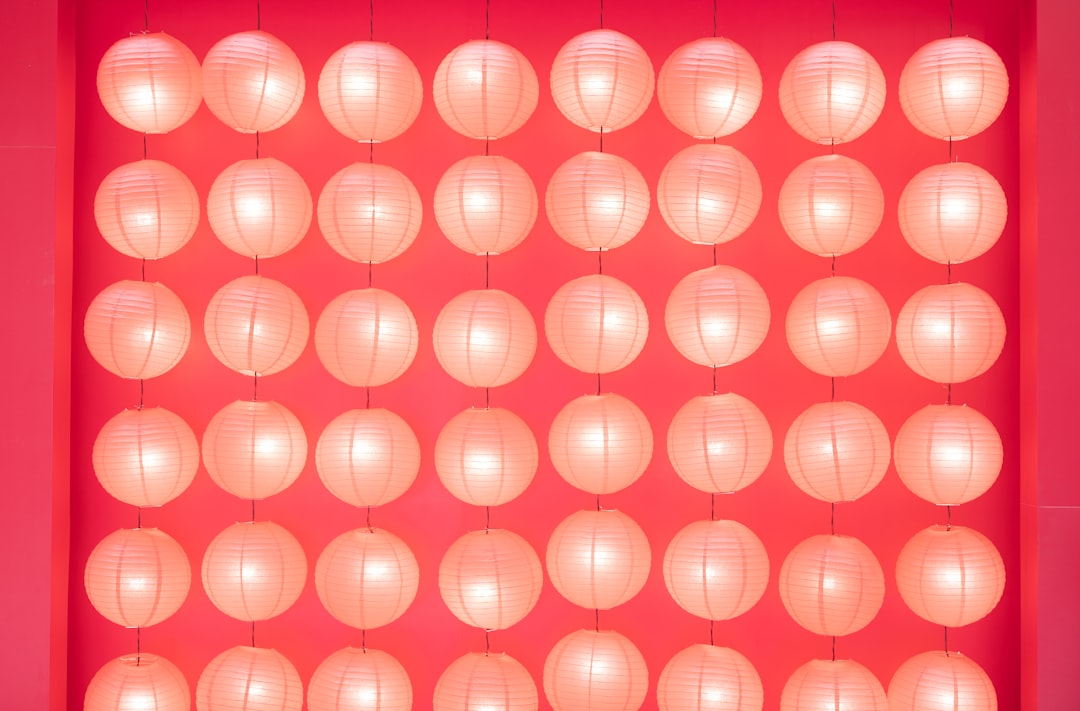
Sixty days ago, I mounted a giant glowing rectangle to my bathroom wall and started standing in front of it every morning like some kind of photosynthesizing houseplant. My husband walked in, looked at me bathed in crimson light, and slowly backed out without saying a word. Fair enough.
Red light therapy devices have exploded onto the wellness scene over the past couple of years, and if you’ve spent any time scrolling through health content, you’ve probably seen them. Sleek panels promising everything from younger-looking skin to faster muscle recovery to better sleep. The marketing is seductive. The price tags are sobering. And the actual science? Well, that’s somewhere in the middle, and it’s worth understanding before you drop anywhere from two hundred to over a thousand dollars on what is essentially a very fancy light.
I decided to cut through the noise the only way I know how: by buying three different devices at three different price points, using them religiously for two months, and tracking everything. Here’s what I found.

What Red Light Therapy Actually Does (In Plain English)
The formal term is photobiomodulation, which sounds like something a supervillain would use to control the weather. In reality, it’s beautifully simple: specific wavelengths of red and near-infrared light penetrate your skin and interact with the mitochondria in your cells — those tiny power plants that generate the energy your body runs on. When these wavelengths hit your cells at the right intensity, they stimulate more efficient energy production. More cellular energy means your body can do what it already does, just better.
The research behind this isn’t fringe science. NASA started experimenting with red light for wound healing and bone density in astronauts back in the 1990s. Since then, hundreds of peer-reviewed studies have explored its effects on everything from wrinkles to joint pain to exercise recovery. The evidence is strongest for skin health, wound healing, and mild pain reduction. Claims about it curing diseases or dramatically reversing aging? That’s where the marketing outpaces the data.
The Three Devices I Tested
I chose devices that represent the spectrum of what’s available right now. A budget-friendly handheld wand for targeted areas, a mid-range full-body panel that’s become the sweet spot for most home users, and a premium full-body panel with higher irradiance and broader wavelength coverage. Each one had a specific job to do.
The Handheld Wand (Around $60-$120)
This little guy is about the size of a hairbrush and runs on USB-C. I picked it up thinking it would be perfect for targeting specific sore spots — my right shoulder, which has been cranky since my heptathlon days, and the occasional tender knee. And honestly? For spot treatment, it works reasonably well. I’d spend five to ten minutes with it on a bothersome area after a hard training session, and I did notice a mild reduction in that dull, nagging soreness that usually hangs around for a day or two.
The downside is obvious: it’s small. You can’t exactly stand in front of it and treat your whole body. I found myself holding it on one shoulder thinking about how long it would take to hit every muscle group, and the answer was longer than my patience. But if you want to dip a toe into red light without committing serious money or wall space, a handheld wand is a low-risk starting point.
The Mid-Range Full-Body Panel (Around $200-$400)
This is the category where things get interesting. These panels are roughly two feet tall, mount to a door or wall, and emit enough light to treat your entire torso or legs in one session. I went with one of the popular models that offers both 630nm (red) and 850nm (near-infrared) wavelengths, which is the combination most supported by clinical research.
This became my daily driver. Every morning after brushing my teeth, I’d flip it on and stand about twelve inches away for ten to fifteen minutes while I listened to a podcast or mentally planned my day. The near-infrared is invisible, so the panel glows a warm red — not blinding, but bright enough that I looked like I was preparing for a close-up in a sci-fi film. After about three weeks, I started noticing my skin looked genuinely more even and awake. Not “ten years younger” dramatic, but a subtle clarity that other people commented on unprompted.
For muscle recovery, I’d use it after evening workouts, standing closer for about eight minutes on whatever felt worked. The effect was noticeable but modest — similar to what I get from a good percussive massage gun session, but more passive. I could just stand there and let the light do its thing while I caught up on emails.
If you’re considering a full-body panel, this mid-range category is where I’d recommend most people start. The jump in coverage from a handheld is massive, and the price hasn’t yet entered territory that makes your credit card weep.

The Premium Full-Body Panel ($600-$1,200+)
The Cadillac of red light panels. Bigger, more diodes, higher irradiance output, and sometimes additional wavelengths like 810nm or 830nm. I’ll be honest: unboxing this thing felt like assembling a piece of furniture. It’s heavy, it needs proper wall mounting, and once it’s up, it’s staying up.
The treatment experience is more intense. You can feel a gentle warmth radiating from the panel, and sessions can be shorter because the higher irradiance delivers more energy in less time. If you’re comparing specs, an irradiance meter can help you verify that your panel is actually delivering the power it claims. I did notice slightly faster results with this one — my skin responded within about two weeks instead of three, and the post-workout recovery felt a touch more effective. But “slightly faster” is the key phrase here. The law of diminishing returns is real.
If you’re a competitive athlete, a wellness professional, or someone who simply wants the best and has the budget for it, a high-end panel delivers measurable advantages. For most people, though, the mid-range option captures about eighty percent of the benefits at a third of the price.
The Results After 60 Days
Here’s what I can say with confidence after two months of consistent use. My skin is genuinely better — more even tone, less morning puffiness, and a kind of inner glow that I usually only get from a week of perfect sleep and clean eating. My recovery between hard training sessions feels about fifteen to twenty percent faster, which isn’t life-changing but is certainly welcome when you’re training five or six days a week.
My sleep didn’t dramatically transform, which some marketing materials promise. I did fall asleep slightly faster on nights when I used the panel in the evening, but it wasn’t the revelatory improvement some testimonials suggest. My energy levels were solid, but I’m already a high-energy person, so it’s hard to isolate the light from everything else in my routine.

What Nobody Tells You Before You Buy
Eye protection matters more than most brands emphasize. Those red lights are bright, and staring directly into an array of LEDs at close range is not doing your retinas any favors. Most panels come with cheap goggles, and I’d recommend using them. Also, investing in proper protective eyewear designed for this kind of light exposure is a smart move.
Consistency beats intensity. Using a panel for ten minutes every day will outperform an hour-long session once a week. The research supports this — cellular adaptation happens through regular, repeated exposure, not marathon sessions. If you can’t commit to daily use, you won’t see the full picture.
The space requirement is real. Even mid-range panels need a spot where you can stand twelve to eighteen inches away. I repurposed a corner of my bathroom, but if you’re tight on space, measure before you order. Door-mounted hooks and stands can help if wall-mounting isn’t an option.
Heat management is something I didn’t anticipate. Full-body panels generate warmth, and using one in a small bathroom for fifteen minutes means the room gets noticeably warmer. Not sauna-hot, but enough that I started turning on the exhaust fan before each session.
Who Should Actually Consider This
After sixty days, here’s how I’d break it down. If you’re dealing with chronic joint or muscle soreness, a panel is a solid addition to your recovery toolkit — it’s passive, it feels good, and the evidence supports it for mild pain. If skincare is your primary goal, you’ll likely notice real improvements in texture and tone with consistent use. If you’re an athlete training hard and looking for every marginal gain, the recovery benefits are legitimate even if they’re not dramatic.
Who should wait? Anyone expecting miraculous results. This is a supplement to good fundamentals — proper sleep, smart nutrition, and active recovery — not a replacement. If your sleep is terrible and your diet is chaos, a red light panel won’t rescue you. Fix the basics first, then layer in the light.
I also think it pairs beautifully with other recovery modalities. On heavy training days, I’ll use the panel, then follow up with my massage gun on any specific trouble spots. The combination of light therapy for overall cellular support and targeted percussion for localized tension is something I’ve come to really rely on. And if you’re building out a home recovery setup, having dedicated space and a plan makes all the difference.
For travelers who want to maintain their routine on the road, there are compact options that won’t eat your entire suitcase. The same photobiomodulation principles apply in smaller packages — compact recovery gadgets have come a long way and are worth exploring if you’re frequently away from home.
My Bottom Line
I’m keeping the mid-range panel. It earns its spot on my bathroom wall every single morning. The handheld wand lives in my gym bag for targeted use after workouts. And the premium panel? It’s excellent, but I returned it — the incremental benefit over the mid-range option didn’t justify the price difference for my needs.
Red light therapy isn’t magic. It’s not going to replace your warmup, fix a bad diet, or make you sixteen again. But as a low-effort, science-backed addition to a solid wellness routine? It’s earned a permanent place in mine. Just maybe warn your family before you start glowing red at six in the morning.
If you’re ready to explore options, browse the top-rated red light therapy devices available now and find the one that fits your space, budget, and goals. Start small if you’re unsure — even a modest panel can deliver real results with consistent use.
And if you’re already using red light therapy, I’d love to hear about your experience. Drop a comment or reach out — I read every single one. Now if you’ll excuse me, my panel is warming up and my morning session awaits.