I’ll be honest β the first time someone handed me a pair of inflatable recovery boots at a triathlon expo, I laughed. They looked like something out of a sci-fi movie, these bulky sleeves that zip up both legs and start rhythmically squeezing like a blood pressure cuff on steroids. But I’d just finished a brutal track session β eight 400-meter repeats at race pace β and my quads were screaming. So I zipped in, hit the power button, and sat there for twenty minutes while the boots did their thing. By the time I unzipped and stood up, I…
-
-
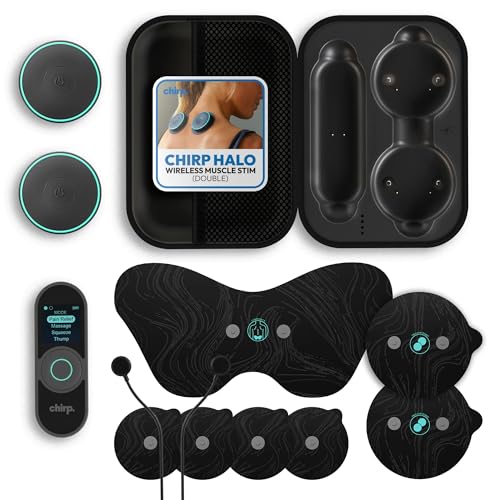
The first time my physical therapist wrapped electrodes around my quads, I nearly laughed out loud. Little sticky pads? A battery pack? This was going to help me recover from two decades of hammering my body on the track? I’d spent years trusting ice baths, compression boots, and massage guns β equipment that cost thousands and took up half my living room. Now this tiny device was supposed to compete? Two weeks of daily use later, I wasn’t laughing anymore. I was walking down stairs without wincing for the first time in months. My muscles felt flushed, loose, almost brand…
-
The first time my physical therapist wrapped electrodes around my quads, I nearly laughed out loud. Little sticky pads? A battery pack? This was going to help me recover from two decades of hammering my body on the track? I’d spent years trusting ice baths, compression boots, and massage guns β equipment that cost thousands and took up half my living room. Now this tiny device was supposed to compete? Two weeks of daily use later, I wasn’t laughing anymore. I was walking down stairs without wincing for the first time in months. My muscles felt flushed, loose, almost brand…
-
The first time my physical therapist wrapped electrodes around my quads, I nearly laughed out loud. Little sticky pads? A battery pack? This was going to help me recover from two decades of hammering my body on the track? I’d spent years trusting ice baths, compression boots, and massage guns β equipment that cost thousands and took up half my living room. Now this tiny device was supposed to compete? Two weeks of daily use later, I wasn’t laughing anymore. I was walking down stairs without wincing for the first time in months. My muscles felt flushed, loose, almost brand…
-
The first time my physical therapist wrapped electrodes around my quads, I nearly laughed out loud. Little sticky pads? A battery pack? This was going to help me recover from two decades of hammering my body on the track? I’d spent years trusting ice baths, compression boots, and massage guns β equipment that cost thousands and took up half my living room. Now this tiny device was supposed to compete? Two weeks of daily use later, I wasn’t laughing anymore. I was walking down stairs without wincing for the first time in months. My muscles felt flushed, loose, almost brand…
-
I’ve been soaking in ice baths since before they were cool β literally. Back in my heptathlon days, our coach would wheel out a trash can filled with frozen water bottles and we’d take turns plunging our legs in up to the hip, teeth chattering, counting down the seconds. It was miserable, and we all secretly hated it, but none of us could argue with how we felt the next day. Faster recovery. Less soreness. Legs that still had spring in them for the next training session. Fast forward fifteen years, and I still practice contrast therapy β the deliberate…
-
I almost didn’t write this article. Magnesium? Really? The supplement your grandmother keeps next to her calcium tablets? The boring mineral that every wellness blog has already covered to death? I thought so too β until I quit taking it cold turkey for two weeks and watched my sleep, recovery, and mood quietly unravel. What follows is the unglamorous, deeply personal story of how a $25 bottle of magnesium glycinate became the single most consequential supplement in my recovery stack β and why I’ll never let it run out again. The Supplement I Kept Ignoring For context, I’m not someone…
-
I stood in the supplement aisle of my local health food store, holding a tub of protein powder that cost more than my favorite running shoes. Sixty-two dollars. For powder. The label promised “ultra-premium cross-flow micro-filtered whey isolate” with words I couldn’t pronounce, and I bought it because I assumed expensive meant better. Three weeks later, my shakes tasted like sweetened cardboard and my recovery felt no different than it did with the cheap stuff I’d used in college. That was the moment I decided to get systematic. As someone who’s spent two decades in the fitness world β narrowly…
-
I’ve been foam rolling since before it was cool. Back in my heptathlon days, we used simple foam cylinders that smelled like old gym socks and did exactly one thing: you rolled on them until you wanted to cry, then you told yourself it was making you faster. Spoiler alert: it probably wasn’t. But the foam roller persisted, evolving from humble PVC pipe wrapped in foam to textured, vibrating, and now artificially intelligent devices that promise to revolutionize how we recover from training. When I first heard about AI-powered automatic massage rollers at CES this year, my initial reaction was…
-
The Summer That Changed Everything About Recovery Last June, I made a decision that felt equal parts terrifying and liberating: I moved my entire training routine outdoors. No more climate-controlled gyms, no more flipping switches on fancy recovery equipment, no more sliding into a cryotherapy chamber after a track workout. Just me, the elements, and a backpack full of gear I prayed would actually work. As someone who’s spent two decades obsessively studying exercise physiology and recovery science, this wasn’t just a fitness experimentβit was a test of whether everything I’d learned about recovery could actually survive outside the laboratory.…