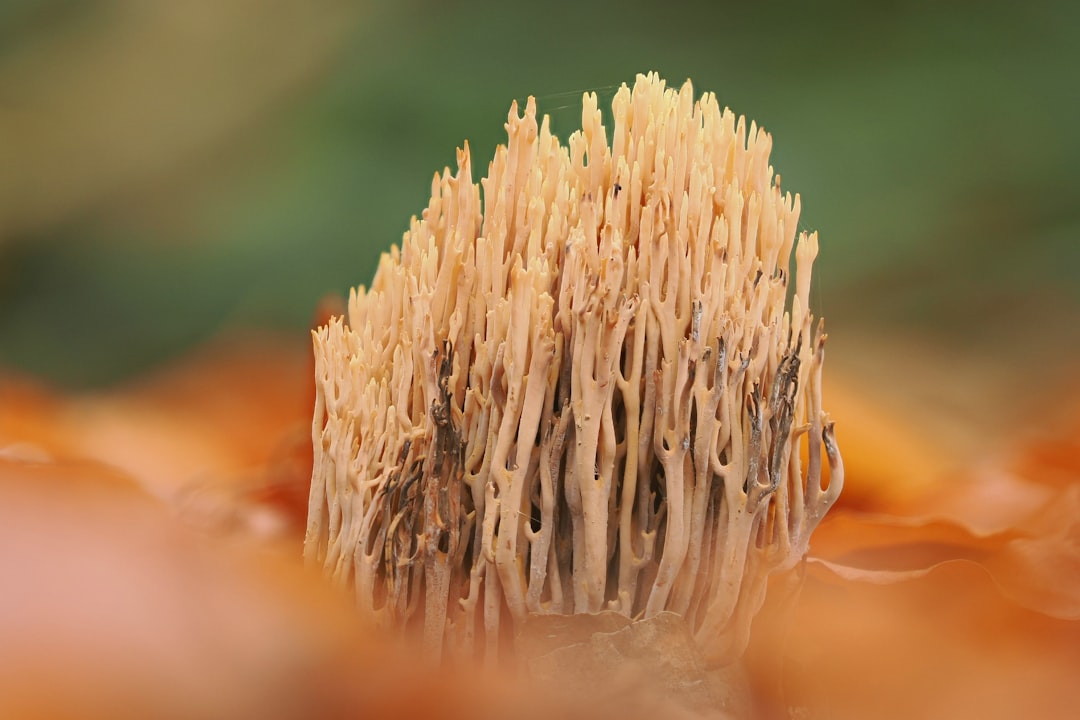
I’ll be honest — when my acupuncturist first suggested I try lion’s mane mushroom powder, I laughed. Out loud. In her office. I was that person who thought functional mushrooms belonged in stir-fries, not supplement cabinets. But after a decade of coaching clients through energy crashes, brain fog, and burnout, I’d learned to keep an open mind. So I bought a tin of lion’s mane extract, mixed it into my morning smoothie, and waited for something to happen.
Three weeks later, I noticed something unexpected. The mid-afternoon mental sluggishness that usually sent me reaching for a second (okay, third) coffee had quietly disappeared. My focus during client sessions felt sharper. And my sleep — which I’d been tracking obsessively with my health tracking ring — showed a noticeable improvement in deep sleep phases. Was it the mushrooms? I needed to find out.
What Are Functional Mushrooms, and Why Is Everyone Suddenly Obsessed?
Functional mushrooms aren’t the button mushrooms you toss into a salad. These are species like lion’s mane, reishi, cordyceps, chaga, and turkey tail — fungi that have been used in Traditional Chinese Medicine for thousands of years and are now backed by a growing body of modern research. The global functional mushroom market is exploding past expectations in 2026, driven by consumers who want natural solutions for stress, immunity, cognitive performance, and energy without relying on another caffeine hit or a laundry list of synthetic supplements.
What makes these mushrooms “functional” is their concentration of bioactive compounds — beta-glucans, triterpenes, and hericenones — that interact with your body’s systems in genuinely measurable ways. A 2026 double-blind, placebo-controlled trial published in a major nutrition journal found that a blended mushroom supplement significantly reduced serum cortisol levels and improved self-reported stress scores in healthy adults over eight weeks. That’s not Instagram wellness lore. That’s peer-reviewed science.
The Big Five: Which Mushrooms Actually Do What
Not all functional mushrooms are created equal, and understanding the differences is the key to not wasting your money. Here’s what I’ve learned after deep-diving into the research and experimenting on myself (as I do with everything before I recommend it to my clients).
Lion’s Mane: The Brain Booster
This shaggy, white mushroom is the one that started my journey, and it remains my daily staple. Lion’s mane stimulates the production of nerve growth factor (NGF), a protein essential for the growth, maintenance, and survival of neurons. Translation: it helps your brain cells communicate better and may even support the growth of new neural pathways. I notice the biggest difference in verbal recall — I can pull client details and training program specifics from memory noticeably faster when I’m taking it consistently.
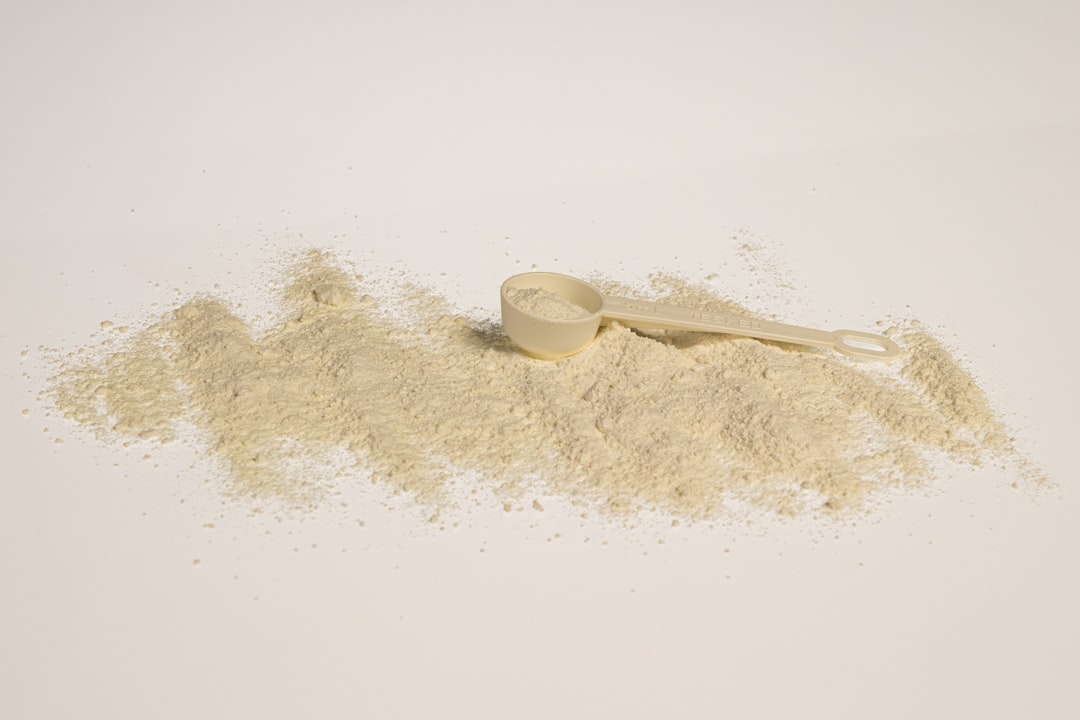
For supplementation, look for dual-extract lion’s mane that includes both the fruiting body and mycelium. The best lion’s mane supplements list their beta-glucan content on the label — aim for at least 30% per serving. I prefer powder form because it blends into smoothies and coffee, but capsules work if you’re not a smoothie person.
Cordyceps: The Energy Engine
If lion’s mane is for your brain, cordyceps is for your body. This mushroom increases cellular ATP production — essentially, it helps your cells generate more energy at the molecular level. I started taking cordyceps before morning workouts and within two weeks, my interval training heart rate recovery improved by about 8%. That’s a meaningful number for someone who’s been training competitively for over two decades.
Cordyceps is also one of the few supplements with solid research behind its ability to improve VO2 max and oxygen utilization. If you’re an athlete — or just someone who wants to feel less winded climbing stairs — this is worth exploring. I recommend starting with a high-quality cordyceps capsule taken 30-45 minutes before exercise.
Reishi: The Calming Queen
Reishi is the mushroom I recommend most to my clients who struggle with stress and sleep — which, honestly, is most of them. Known as the “mushroom of immortality” in traditional medicine, reishi is a powerful adaptogen that helps regulate the nervous system and modulate cortisol. I take it in the evening as part of my wind-down routine, usually in a warm reishi mushroom tea about an hour before bed.
The sleep data doesn’t lie. After six weeks of consistent reishi use, my Oura ring showed a 12% increase in deep sleep and a significant reduction in nighttime awakenings. My clients report similar results, especially those who’ve tried magnesium, melatonin, and every sleep hygiene tip on the internet without success.

Chaga: The Antioxidant Powerhouse
Chaga has one of the highest ORAC scores (a measure of antioxidant capacity) of any food on the planet. It grows on birch trees in cold climates and absorbs a compound called betulin from the bark, which has been studied for its anti-inflammatory and immune-supporting properties. I think of chaga as my daily insurance policy — it supports immune function at a foundational level.
The easiest way I’ve found to incorporate chaga is through a chaga-based coffee alternative. It has an earthy, slightly vanilla flavor that actually tastes good, and it gives me a gentle, sustained energy without the jitters or crash. Several of my clients have replaced their afternoon coffee entirely with chaga and report feeling more even-keeled throughout the day.
Turkey Tail: The Immune Defender
Turkey tail might not have the glamour of lion’s mane or the energy-boosting reputation of cordyceps, but it’s arguably the most clinically researched functional mushroom in existence. It’s rich in polysaccharide-K (PSK) and polysaccharide-peptide (PSP), compounds that have been studied extensively for their immune-modulating effects. In Japan, PSK derived from turkey tail has been approved as a cancer treatment adjunct for decades.
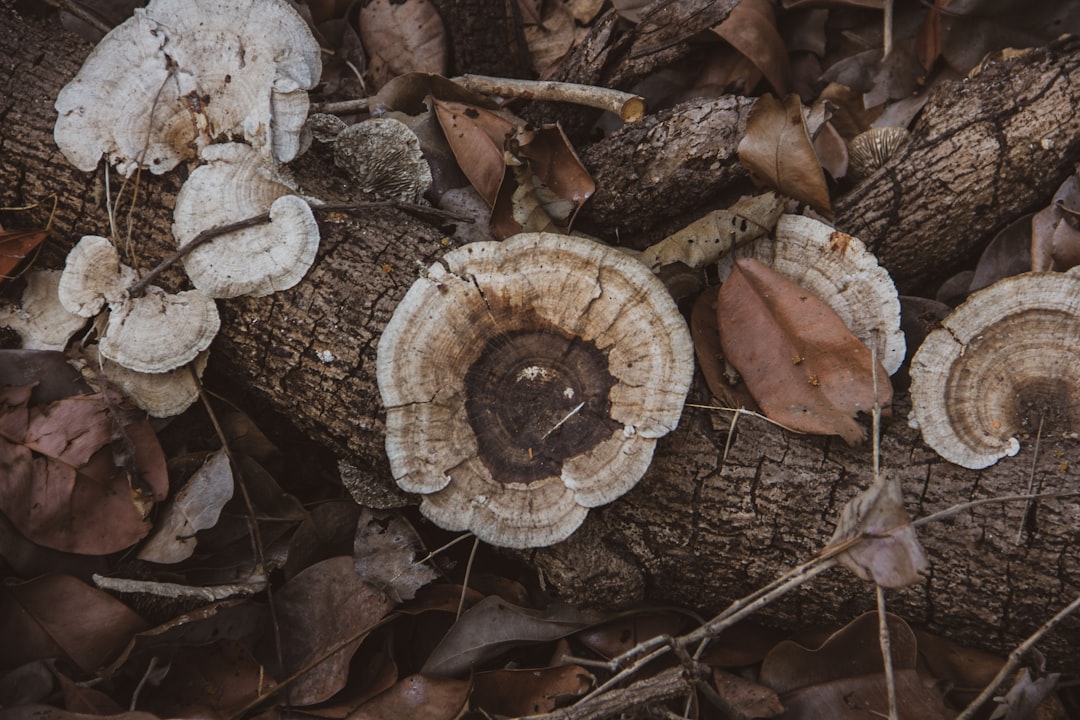
For daily immune support, I recommend a turkey tail capsule taken with breakfast. It’s one of the most affordable functional mushrooms, and the research backing is substantial. During cold and flu season, I double my dose — and I’ve noticed I get sick less frequently and recover faster when I do catch something.
How I Actually Take Them: My Daily Mushroom Protocol
Here’s the thing that trips people up: they buy one mushroom supplement, take it inconsistently, and then declare it doesn’t work. Functional mushrooms are adaptogens, which means they need to build up in your system over time. Consistency matters more than dose. Here’s my personal daily stack:
Morning (6:00 AM): Lion’s mane powder in my pre-workout smoothie, along with cordyceps if I’m training hard that day. I use a good shaker bottle to mix everything evenly.
Mid-Morning (9:00 AM): Chaga tea as my second beverage. I love this stuff hot or iced — it’s replaced my 10 AM coffee entirely.
Evening (8:00 PM): Reishi tea as part of my wind-down routine. I brew it with a little raw honey and let it steep while I do my evening mobility work.
Daily (with breakfast): Turkey tail capsule. Simple, no-prep, done.
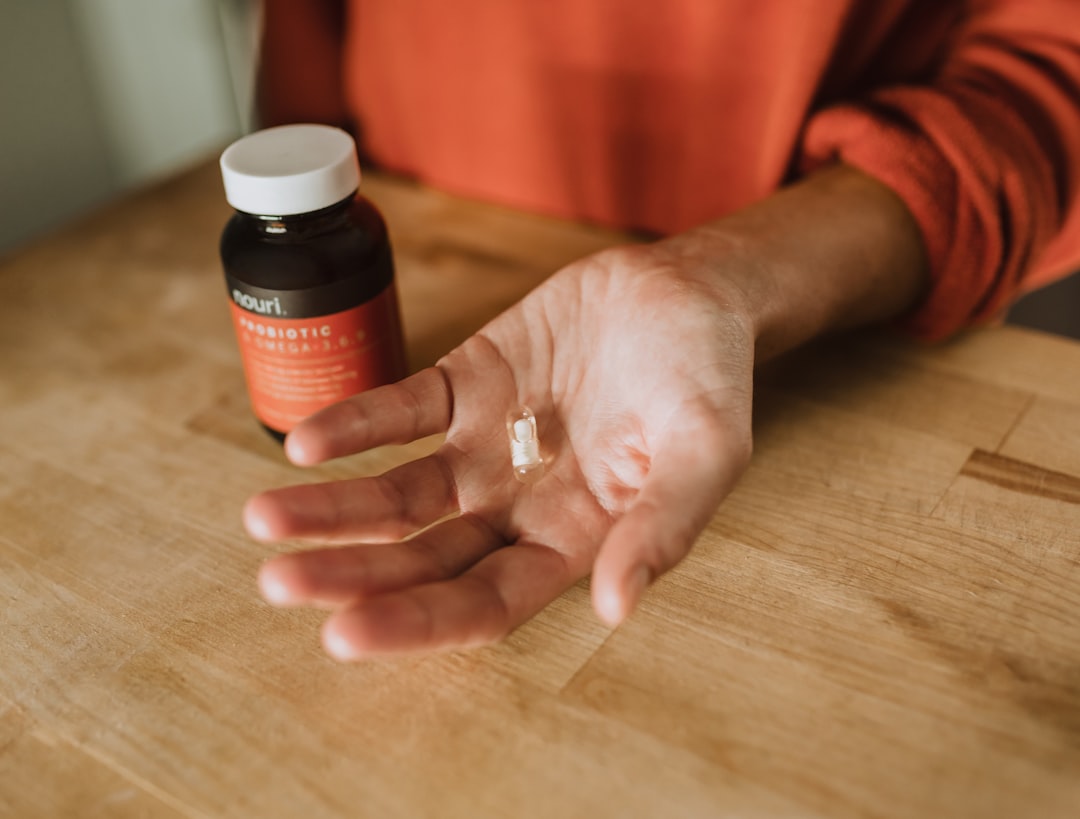
I also keep a mushroom blend powder on hand for travel or busy days when I can’t do my full routine. These blends combine multiple mushrooms into one scoop — not as targeted as individual supplements, but better than skipping entirely. I wrote more about building a supplement routine that actually sticks if you want the bigger picture on daily wellness stacks.
What to Look For (and What to Run From)
The functional mushroom market is booming, which means it’s also full of products that are more marketing than mushroom. Here’s my checklist after testing dozens of brands:
- Fruiting body, not just mycelium on grain. Some cheap supplements are mostly the rice or oats the mushrooms were grown on, with minimal actual mushroom content. Look for brands that specify “100% fruiting body” or “full-spectrum biomass.”
- Dual extraction. The beneficial compounds in mushrooms require both water and alcohol extraction to become bioavailable. If a brand only does one, you’re getting a fraction of the benefits.
- Beta-glucan content listed. Reputable brands will tell you the percentage of beta-glucans per serving. Aim for 25-40% depending on the species.
- Third-party testing. Heavy metals and contamination are real concerns with mushroom products sourced from polluted areas. Only buy brands that provide certificates of analysis.
- Organic or wild-crafted. Mushrooms absorb whatever’s in their environment. You want clean sourcing.
A quality organic mushroom supplement bundle will cost between $25-45 per month depending on which mushrooms you choose. If you’re seeing products at $8 for a month’s supply, you’re almost certainly getting filler, not functional compounds.
If you’re already experimenting with hydration and nutrition supplements, functional mushrooms are a natural next layer. They pair especially well with the recovery work I covered in my complete guide to recovery tools — because better recovery starts with what you put in your body, not just what you do to it.
And if cold therapy is part of your routine like it is mine, you’ll appreciate how reishi and cordyceps complement the nervous system regulation from regular cold plunge sessions. The adaptogenic support makes the temperature shock easier on your body and may accelerate the anti-inflammatory benefits.
The Honest Bottom Line
Functional mushrooms aren’t magic. They won’t replace eight hours of sleep, fix a terrible diet, or compensate for a sedentary lifestyle. Nothing can do that, and anyone who tells you otherwise is selling something. But as someone who has tested countless supplements over my career — and who approaches wellness with a healthy dose of skepticism — I can say that functional mushrooms have earned a permanent place in my routine.
The science is catching up to what traditional medicine has known for millennia, and the 2026 research pipeline looks incredibly promising. If you’re curious, start with lion’s mane for cognitive support or reishi for stress and sleep — those are the two I see the most consistent results with across my client base. Give it at least three weeks of daily use before you make a judgment. Your body will tell you if it’s working.
And if you’re already taking something I haven’t mentioned here, drop me a comment — I’m always experimenting and I’d love to hear what’s working for you. That’s how we all get better.





One comment on “Functional Mushrooms Aren’t Just a Trend: What I Discovered After Making Them Part of My Daily Routine”