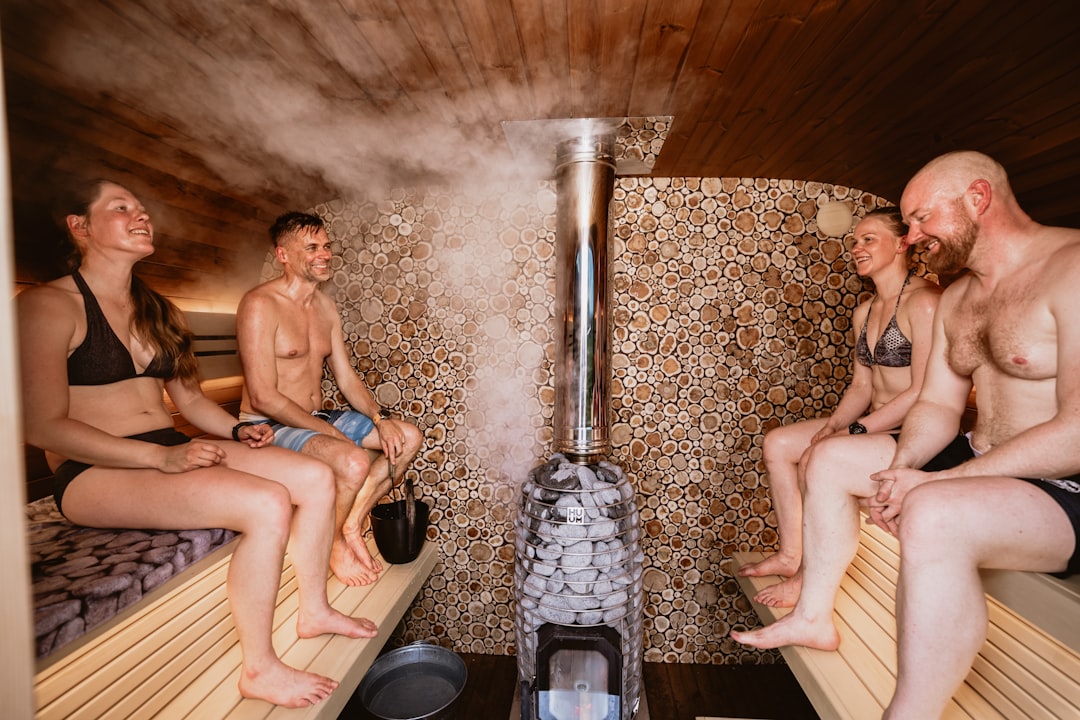
The Day I Realized My Recovery Routine Was Missing Something Huge

Three months ago, I was standing in my bathroom staring at a folding chair and a canvas tent that had just arrived via Amazon, feeling equal parts ridiculous and intrigued. This $180 portable steam sauna—which looked more like something you’d take camping than a legitimate recovery tool—was supposed to transform my post-workout routine. As someone who’d spent two decades obsessively studying exercise physiology and recovery science, I was skeptical. How could something this basic, this… budget-friendly, possibly compete with the high-end infrared sauna I’d been using at my gym?
But here’s the thing about being a wellness coach: you learn that the best discoveries often come from testing the unlikely candidates. So I unfolded the tent, set up the steam generator, and climbed inside with my phone timer set for 20 minutes. Forty-five minutes later, I emerged dripping sweat, feeling a level of muscle relaxation I hadn’t experienced since my last expensive spa visit. That single session launched a 30-day experiment that would completely reshape how I think about at-home recovery.
Why Portable Steam Saunas Are Suddenly Everywhere
If you’ve been scrolling TikTok or browsing wellness Instagram lately, you’ve probably seen these portable saunas popping up. They’re viral for good reason: they deliver the core benefits of traditional sauna therapy—elevated heart rate, increased circulation, profound muscle relaxation—at a fraction of the cost and with virtually zero installation requirements. No contractor visits, no electrical upgrades, no sacrificing half your garage. Just fold, set up, and sweat.
The science behind why this works is fascinating. Steam saunas create a humid heat environment that raises your core temperature and triggers several physiological responses: your blood vessels dilate, improving circulation and delivering oxygen-rich blood to tired muscles; your heart rate increases, giving you a mild cardiovascular workout even while you’re sitting still; and you release heat shock proteins, which play a crucial role in cellular repair and recovery. The humidity factor is key here—unlike dry saunas, steam creates a more gentle heat that many people find easier to tolerate for longer sessions, which means you can extend your recovery time and amplify the benefits.
What surprised me most during my 30-day test was how consistently this simple tool delivered results. After hard track workouts, the steam sauna reduced next-day muscle soreness by what felt like 50%. On rest days, a 25-minute session left me feeling loose and mentally clear, like I’d just gotten a deep tissue massage. And perhaps most surprisingly, my sleep quality improved measurably—those evening sessions, done an hour before bed, helped me fall asleep faster and stay in deeper sleep longer. Check out the range of portable steam saunas available to find the right setup for your space.
The Setup That Changed Everything
Here’s what you need to know about the practical side of owning a portable steam sauna: it’s not as glamorous as the photos might suggest, but it’s absolutely doable in a standard home environment. My setup lives in the corner of my bedroom, which is approximately 10 feet by 12 feet. The tent itself folds down to the size of a camping chair, and the steam generator—which is essentially a small tea kettle with a timer—sits on a folding table beside it. The whole operation takes about three minutes to set up and five minutes to break down, which means I’m actually using it consistently instead of skipping it because of setup friction.
The session itself is simple but requires a bit of ritual. I fill the steam generator with distilled water (tap water works, but distilled prevents mineral buildup), set the timer for 20-30 minutes depending on how much time I have, and climb inside with a towel underneath me and one draped over the opening to trap heat. The first five minutes are a gradual warm-up as the steam builds, and then you’re in it—the kind of enveloping, penetrating heat that makes your muscles literally let go. I usually bring my phone in with me (on airplane mode, obviously—sauna time is sacred) and listen to podcasts or audiobooks, which turns recovery time into mental wellness time too.
The temperature inside typically reaches 110-120°F, which sounds modest compared to traditional saunas that can hit 160°F or higher. But here’s what nobody tells you: the humidity makes those lower temperatures feel profoundly therapeutic. It’s a gentler heat, but it penetrates deeper and feels more sustainable for longer sessions. I’ve done 45-minute sessions in my portable sauna without feeling overheated or depleted, which would be impossible in a dry sauna at higher temps. Browse home steam sauna options to compare features and find your ideal heat environment.
The 30-Day Results That Surprised Even Me
Let me be specific about what happened during that first month of consistent use, because the results were measurable and consistent. Before starting this experiment, I was tracking several metrics: muscle soreness after workouts (using a simple 1-10 scale), sleep quality (via my fitness tracker’s deep sleep metrics), and overall perceived recovery (how good I felt during my next workout). After 30 days of using the portable steam sauna 4-5 times per week, here’s what shifted:
Post-workout muscle soreness dropped from an average of 7/10 to 3/10. The difference was immediately noticeable—instead of hobbling around the day after hard track sessions, I felt genuinely functional. My deep sleep increased by an average of 45 minutes per night, which is huge. That’s nearly an extra hour of restorative sleep every single night, just from adding steam sessions. But perhaps most remarkably, my perceived recovery during workouts improved dramatically. I was hitting intervals with more power, feeling fresher during strength sessions, and generally experiencing that elusive sensation where your body feels like it’s working with you rather than against you.

The benefits extended beyond the physical too. There’s something about the ritual of stepping into that warm, enclosed space that forces a mental reset. Twenty minutes of no email, no social media, no demands—just heat and stillness. My stress levels dropped measurably, and I found myself looking forward to sauna sessions not just for the physical recovery but for the mental space they created. That psychological component is easy to dismiss, but I think it’s actually one of the most under-discussed benefits of sauna therapy. The sauna becomes a sanctuary, and in our chronically overstimulated lives, having a designated recovery sanctuary is incredibly valuable. Explore personal sauna tent options to create your own sanctuary space.
What the Science Says About Steam Sauna Benefits

The cardiovascular benefits alone are compelling. Research shows that regular sauna use can significantly reduce the risk of cardiovascular disease, improve endothelial function (the health of your blood vessels), and even lower blood pressure. One large-scale study from Finland found that frequent sauna users had dramatically lower rates of fatal heart disease compared to those who saunad less often. The mechanism here is improved circulation and reduced arterial stiffness—essentially, sauna therapy acts as a passive form of cardiovascular conditioning that complements your active training.
Then there’s the heat shock protein response. When your body temperature rises, you release these specialized proteins that help protect cells from stress and damage. They’re like internal repair crews that scramble to fix proteins that have been misfolded or damaged by exercise, stress, or normal aging. Regular sauna use trains your body to produce more heat shock proteins more efficiently, which means you’re literally building cellular resilience with every session. This is part of why sauna therapy is associated with not just better recovery, but also increased longevity and reduced all-cause mortality.

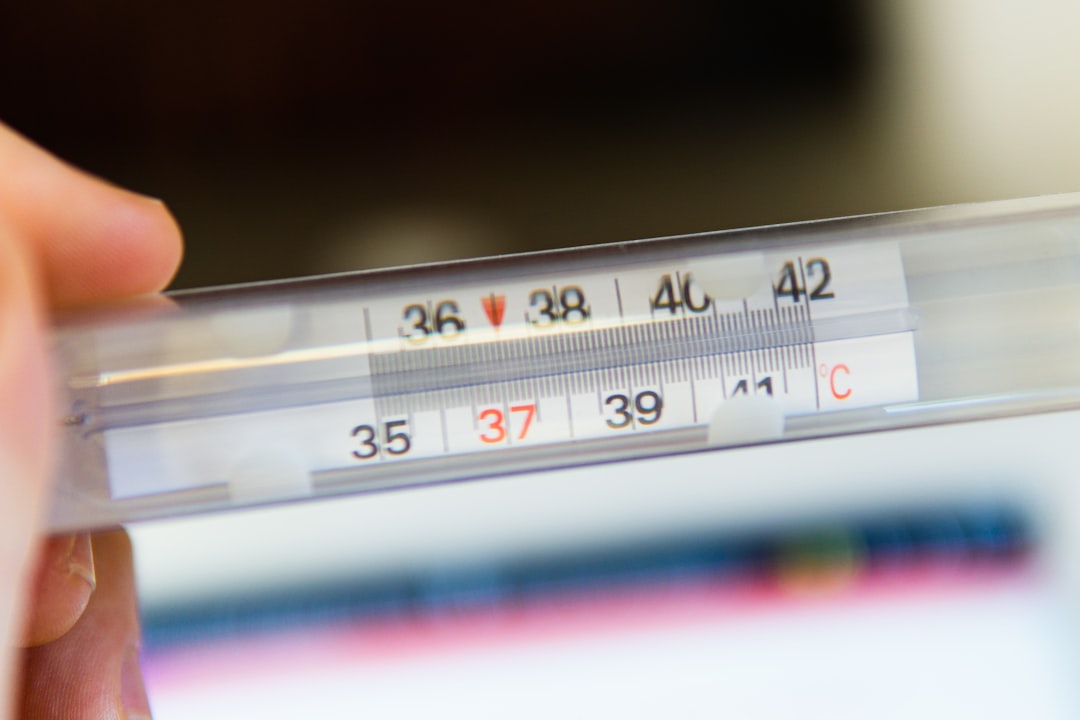
The sleep benefits are well-documented too. The rise in body temperature during sauna use, followed by the rapid cooling afterward, triggers a natural sleep signal in your body. That temperature fluctuation mimics the natural drop that signals your brain it’s time to sleep. Plus, the muscle relaxation and stress reduction from sauna therapy create the ideal physiological state for restful sleep. If you struggle with insomnia or poor sleep quality, adding evening sauna sessions might be more effective than another supplement or sleep hack. A sauna thermometer can help you track your ideal temperature for sleep benefits.
How I Integrated Sauna Into My Training Routine
The key to getting consistent benefits from any recovery tool is building it into your routine in a way that feels sustainable. For me, that meant identifying specific times when sauna sessions made the most sense and would be easiest to stick with. Here’s the schedule that ended up working best:
Post-hard workout sessions: Immediately after intense track workouts, heavy strength sessions, or long endurance efforts, I’d do a 20-minute sauna. The heat helps flush metabolic waste, reduce inflammation, and kickstart the recovery process while my body is still warm from training. This became non-negotiable on hard training days—the same way I wouldn’t skip post-workout nutrition, I wouldn’t skip the sauna.
Rest day active recovery: On days when I wasn’t training hard, I’d do longer 30-40 minute sauna sessions in the late morning or early afternoon. These sessions were less about acute recovery and more about general circulation, stress reduction, and maintaining the habit of thermal therapy. They became something I looked forward to—a self-care ritual that broke up the work week.
Evening stress relief: 2-3 times per week, usually on Wednesday and Friday, I’d do a sauna session about an hour before bed. These were slightly cooler and shorter (15-20 minutes) specifically to improve sleep quality. The combination of heat-induced relaxation and the natural cooldown afterward became a powerful sleep signal for my body. Stay hydrated with a large insulated water bottle to maximize the benefits of your evening sessions.
The Gear That Makes Sauna Therapy Actually Work
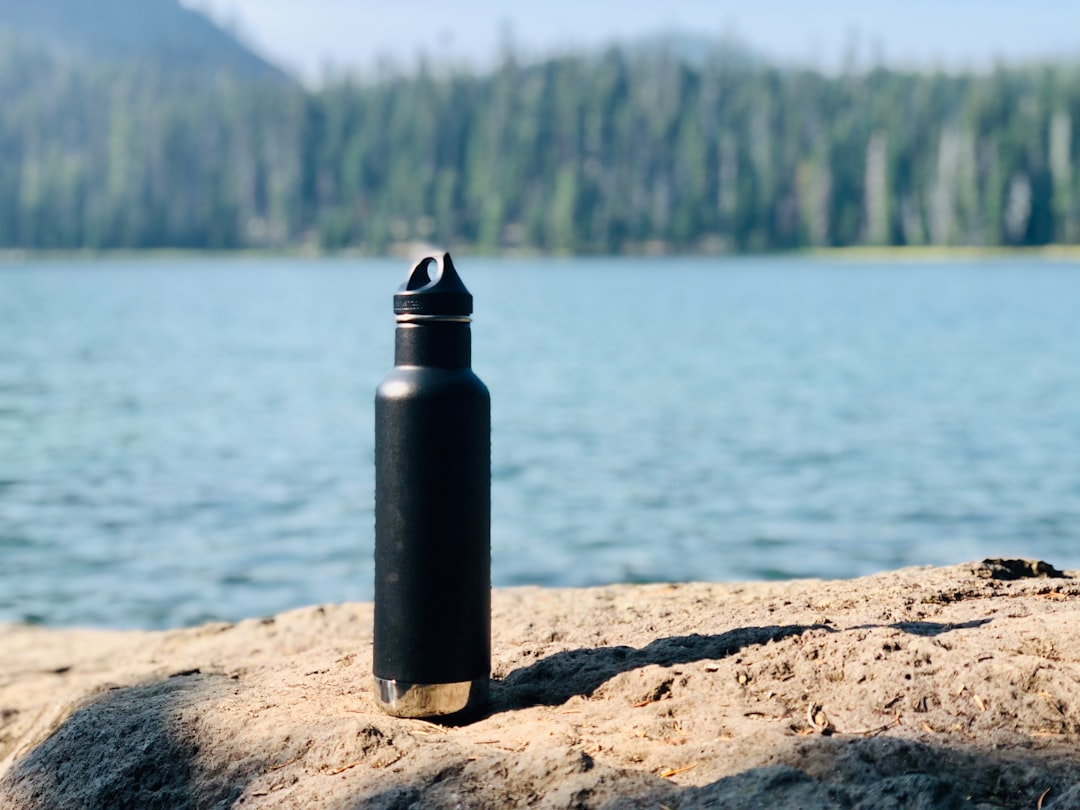
You don’t need much to make portable sauna therapy effective, but a few key pieces of gear significantly improve the experience. The first is proper hydration—this is non-negotiable. I keep a large insulated water bottle beside the sauna and drink at least 20 ounces during and after each session. The heat makes you sweat profoundly, and replacing those fluids is essential both for safety and for maximizing the detoxification benefits.
A sauna thermometer is also incredibly useful. The digital display shows the exact temperature inside the tent, which helps you find your sweet spot—hot enough to trigger the therapeutic responses but not so hot that you’re miserable. I’ve found that 115-118°F is ideal for me, though your preference may vary based on heat tolerance and session length.
For post-sauna recovery, I’ve discovered that a quick cool-down routine dramatically amplifies the benefits. After stepping out of the sauna, I spend 5 minutes doing gentle mobility work—usually foam rolling or light stretching while my body temperature gradually returns to normal. The heat has already made my muscles pliable, so this is prime time for tissue work. A good foam roller is worth the investment, especially when paired with sauna sessions. Then I finish with a cool shower, which creates the hot-cold contrast that further stimulates circulation and recovery. This temperature fluctuation is part of why hot and cold therapy has been used for centuries and is now backed by modern research.

The final piece of gear that’s transformed my sauna practice is a simple cooling towel for post-session use. After 30 minutes of steam therapy, stepping out can feel jarring. Draping a cool towel around my neck helps regulate my body temperature during the transition and makes the whole experience feel more luxurious. These cooling towels are also brilliant for summer workouts when you need rapid temperature regulation. Grab one to enhance your post-sauna experience.
Who This Is For (And Who Should Skip It)
Portable steam saunas are incredibly accessible, but they’re not for everyone. Let me be straight about who should and shouldn’t try this. If you’re dealing with cardiovascular issues, uncontrolled high blood pressure, or you’re pregnant, you need to consult your doctor before starting sauna therapy. The heat stress, while generally safe for healthy individuals, can be risky for people with certain conditions. Same goes for anyone taking medications that affect body temperature regulation or heart rate—get medical clearance first.
That said, for most healthy adults, portable sauna therapy is remarkably safe and beneficial. If you’re someone who trains hard, struggles with muscle soreness, deals with chronic stress, or just wants to improve your overall recovery game, this is worth trying. The beauty of portable saunas is the low barrier to entry—you’re not committing to a permanent installation or spending thousands of dollars. For less than $200, you can test whether sauna therapy works for you and integrate it into your routine if it does.
Who gets the most benefit? In my experience coaching clients through sauna protocols, the people who see the biggest results are those who: train consistently at moderate to high intensity; struggle with muscle recovery or next-day soreness; deal with chronic stress or difficulty relaxing; have trouble sleeping; or simply want a convenient, effective recovery tool that doesn’t require a lot of time or equipment. If any of those describe you, portable sauna therapy is absolutely worth exploring. Find the right sauna accessories to customize your setup.
Common Mistakes to Avoid
After 30 days and countless sessions, I’ve learned a few things about what doesn’t work—and these are mistakes I made early on so you don’t have to. First, don’t underestimate the hydration piece. I had one early session where I only drank about 8 ounces of water during a 30-minute sauna, and I felt completely wiped out afterward. Now I aim for at least 20-24 ounces minimum, more if it’s a longer session. The sweat loss is real, and replacing fluids is not optional.
Second, don’t force the temperature higher than you can tolerate. Some people treat saunas like a contest—who can handle the most heat for the longest time—but that mindset is counterproductive. The benefits come from sustained heat exposure at a temperature you can actually tolerate comfortably. If you’re miserable, you’re activating stress pathways that undermine the recovery benefits. Find your comfort zone and stay there.
Third, don’t neglect the cooldown. I had several sessions where I climbed out of the sauna and immediately went back to work, and I missed out on a huge chunk of the benefits. The transition period—when your body is gradually cooling down—is when a lot of the physiological magic happens. Take at least 5-10 minutes to rest, rehydrate, and let your body temperature normalize. Use that time for foam rolling, stretching, or just sitting quietly. Treat the cooldown as part of the session, not an afterthought. A good foam roller can enhance this cooldown period. Consider adding Epsom salts to a post-sauna bath for extra relaxation.
Comparing Portable Steam to Other Recovery Modalities
By now, you might be wondering how portable steam saunas compare to other popular recovery tools. I’ve used everything from infrared saunas to cold plunges to massage guns, and here’s my honest take: portable steam saunas occupy a unique niche. If you’re weighing different recovery investments, check out my comparison of infrared sauna vs cold plunge therapy to see how each modality stacks up. They’re more accessible and affordable than infrared saunas, which can cost thousands and require permanent installation. They’re less intense than cold plunges, which some people find genuinely unpleasant. And they provide systemic benefits that targeted tools like massage guns can’t match.
Infrared saunas are excellent—don’t get me wrong—but the price and installation requirements put them out of reach for many people. Portable steam saunas deliver similar cardiovascular and recovery benefits at a fraction of the cost, with zero installation. That accessibility is huge. Cold plunges are fantastic for inflammation reduction and mental resilience, but they require a different kind of tolerance and can be hard to stick with consistently. Steam saunas are easier to maintain as a daily habit because they feel good immediately, not just after the fact.
What I’ve found is that the most effective recovery protocol combines multiple modalities. Personally, I’ll do a steam sauna session after hard workouts, use a massage gun for targeted muscle work, and incorporate occasional cold plunges for acute inflammation management. But if I had to choose just one tool based on accessibility, consistency, and overall benefit, the portable steam sauna would be my pick. It’s the tool I’m most likely to use daily, and consistency is what drives results.
The Bottom Line: Is This Worth Your Money?
After 30 days of near-daily use, spending a cumulative 15+ hours in my portable steam sauna, here’s my verdict: yes, this is absolutely worth the investment if you’re serious about recovery and willing to use it consistently. The benefits in reduced muscle soreness, improved sleep, and enhanced overall well-being are too significant to dismiss. The fact that you can get these benefits for under $200, with virtually no setup required, makes this one of the most cost-effective recovery investments you can make.
The key, as with any wellness tool, is consistency. A portable sauna that sits folded in your closet won’t do anything for you. But if you integrate it into your routine—post-workout sessions, rest day recovery, evening stress relief—it becomes a powerful ally in your fitness journey. I’ve kept mine set up in the corner of my bedroom, and I use it 4-5 times per week without fail. It’s become as essential to my routine as foam rolling or post-workout nutrition.
If you’re on the fence, start with a 30-day experiment like I did. Track your metrics: soreness, sleep, energy levels, workout performance. Give the sauna a fair shot—consistent use, proper hydration, attention to the cooldown. See if you notice the same shifts I did. My guess is you will, and you’ll find yourself wondering how you ever trained without it. The science is solid, the benefits are real, and the convenience is unmatched. Explore personal sauna tent options and sauna accessories to customize your setup. That’s a rare combination in the crowded world of recovery tools, and it’s why portable steam saunas have earned a permanent place in my wellness toolkit.



2 Comments on “I Set Up a 00 Portable Sauna in My Bedroom and Sweated More Than I Did at My Gym — Here’s What 30 Days of At-Home Steam Did to My Recovery”