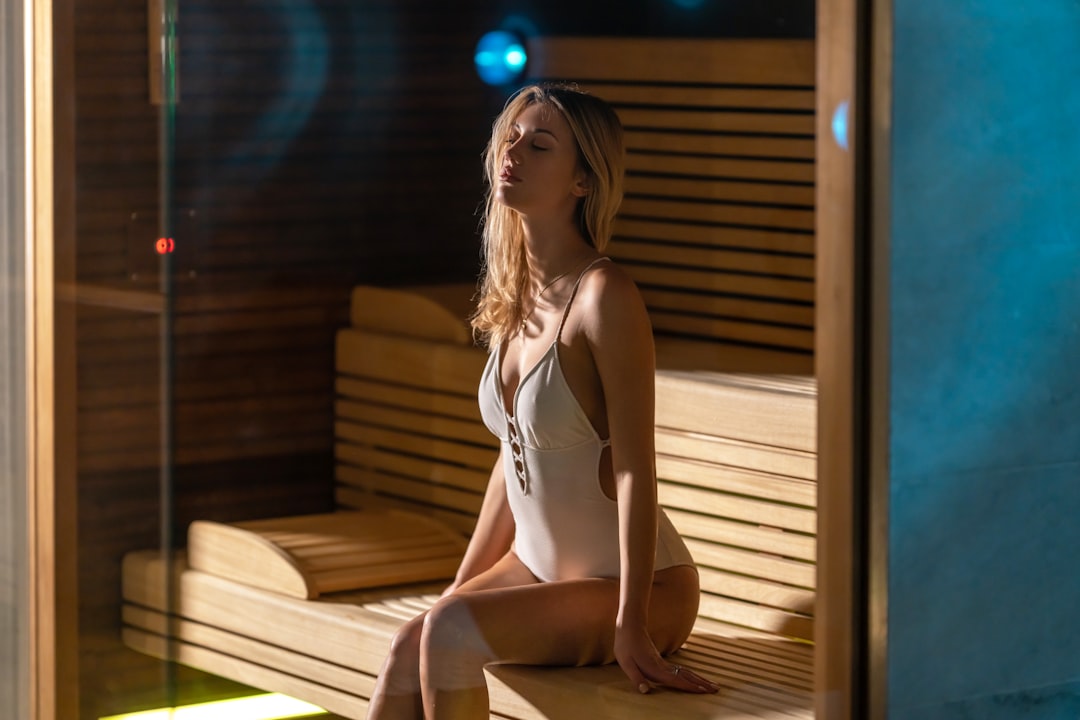
The Ancient Wisdom of Hot and Cold
I’ll admit it—I was skeptical when I first heard about contrast therapy. The idea of deliberately alternating between scorching heat and freezing cold sounded more like medieval torture than modern wellness. But after watching everyone from elite athletes to wellness influencers swear by hot-cold routines, I decided to investigate what the science actually says. What I discovered changed not just my skepticism, but my entire approach to recovery and longevity. After exploring the best infrared saunas for home use, I realized this was a practice I could actually implement in my daily life.
The practice of using heat and cold for healing isn’t new—it’s been around for thousands of years. Finnish saunas date back to 7000 BC. Russian banya traditions span centuries. Ancient Romans used frigidariums after their hot baths. But what’s remarkable is how modern research is now validating what our ancestors intuitively understood. The combination of sauna and cold immersion, known as contrast therapy, has moved from fringe biohacking to mainstream wellness—and the evidence supporting its benefits is growing stronger every year.
The Science Behind the Sweat and Shiver

Here’s what actually happens in your body during contrast therapy. When you step into a sauna, your core temperature rises, triggering a cascade of physiological responses. Your heart rate increases, blood vessels dilate, and blood flow to your skin can increase by up to 50-70%. This creates a cardiovascular workout similar to moderate exercise. Heat shock proteins are produced, which help repair damaged proteins and protect cells from stress. Studies from Finland have shown that frequent sauna use is associated with significantly lower risks of fatal cardiovascular disease, all-cause mortality, and even neurodegenerative conditions like Alzheimer’s. This is why many wellness enthusiasts invest in quality sauna thermometers and hygrometers to track their sessions precisely.

Then comes the cold plunge. Immersing yourself in cold water—typically between 50-59°F—triggers an entirely different response. Your blood vessels constrict rapidly, reducing inflammation and swelling. The shock activates your sympathetic nervous system, releasing norepinephrine, which can improve mood and focus. Brown fat activation increases metabolism and thermoregulation. The cold also triggers a massive endorphin release, which is why that initial shock often transforms into an incredible sense of euphoria. Many people use portable cold plunge tubs to maintain consistent cold exposure at home.
The magic happens in the contrast. When you alternate between hot and cold, you create a pumping effect in your blood vessels—expanding with heat, constricting with cold—that enhances circulation and lymphatic drainage. This improved blood flow delivers more oxygen and nutrients to tissues while removing metabolic waste products more efficiently. The result? Faster recovery, reduced muscle soreness, and a profound sense of physical and mental reset.
My First Month with Contrast Therapy

I started my hot-cold journey cautiously. My first session was fifteen minutes in an infrared sauna followed by a sixty-second cold shower. That first cold shock took my breath away—literally. But within thirty seconds, something shifted. The panic faded, replaced by an intense alertness and an inexplicable urge to laugh. I stepped out feeling energized, clear-headed, and strangely proud of myself for doing something so uncomfortable. I quickly learned that having the right gear matters—essential sauna accessories like a backrest, towel, and timer made the experience much more enjoyable.

Week by week, I built up my tolerance. By the third week, I was doing twenty-minute sauna sessions followed by two to three minutes in a cold plunge tub set to 52°F. The changes I noticed weren’t just physical. Yes, my muscles recovered faster from workouts. Yes, my skin looked healthier. But the mental benefits were what kept me coming back. My afternoon energy crashes disappeared. My sleep quality improved dramatically. That persistent background stress I’d been carrying for years felt lighter, more manageable. This was a significant complement to my existing recovery routine, enhancing the benefits I was already seeing from targeted recovery tools.
The most surprising benefit? I stopped getting sick. During a typically brutal cold and flu season, I remained untouched. Whether this was coincidence or the immune-boosting effects of regular sauna use is hard to say, but the research supports my experience. Regular sauna users have been shown to have fewer incidences of common colds, possibly due to the temporary increase in white blood cells and the heat’s effect on respiratory function. I also noticed that staying properly hydrated with my insulated water bottle during sessions made a huge difference in how I felt afterward.
Building Your Own Hot-Cold Practice
You don’t need a fancy setup to get started. Here’s how to build a sustainable hot-cold practice that fits your life and budget. The key is starting small and gradually increasing intensity over time. Your body will adapt faster than you think. Sand timers are perfect for tracking your sessions without bringing electronics into the heat.

For the heat component, you have several options. Infrared sauna blankets are increasingly accessible and affordable. Traditional Finnish saunas provide a more intense heat experience. If you’re starting out, even a hot bath can work—water at 102-104°F for twenty minutes will raise your core temperature and trigger similar physiological responses. I’ve found that morning sessions work best for me, but many people prefer evenings as a wind-down ritual.

The cold side can be as simple or elaborate as you want. Start with cold showers—thirty seconds at the end of your regular shower, gradually decreasing temperature and increasing duration. When you’re ready for more, cold plunge pods have become incredibly affordable and portable. Some people use large coolers filled with ice and water. Others have access to natural cold water—lakes, oceans, or even cold taps in winter. The temperature doesn’t need to be painfully cold—50-59°F is ideal for most people. Having a reliable water thermometer helps you maintain the optimal temperature range.
Your protocol should be based on your goals and experience level. Beginners might start with three rounds of heat-cold contrast: ten minutes heat, one minute cold, repeated three times. More experienced practitioners often do longer sessions—fifteen to twenty minutes of heat followed by two to three minutes of cold, repeated two to three times. Always listen to your body and never push to the point of genuine distress. The goal is challenge, not trauma.
The Safety Considerations Everyone Should Know
While hot and cold therapy is generally safe for most people, there are important considerations to keep in mind. Heat can be dehydrating, so electrolyte supplements can help maintain hydration balance before, during, and after your sessions. Avoid alcohol before sauna use, as it can increase the risk of hypotension and fainting. If you’re pregnant, have cardiovascular issues, or are taking certain medications, consult your healthcare provider first. It’s also smart to have a medical alert bracelet if you have any conditions that might be triggered by extreme temperature exposure.
Cold exposure has its own risks. The initial shock can be dangerous for people with uncontrolled hypertension or heart conditions. Never practice cold immersion alone until you’re experienced and know how your body responds. Start gradually—jumping into ice-cold water without acclimation is a recipe for shock, not wellness. If you feel lightheaded, nauseous, or experience chest pain, stop immediately.
The research on contrast therapy is still evolving. While studies on sauna use are generally positive, showing clear cardiovascular and mortality benefits, the evidence on cold plunging is more mixed. Some studies show reduced muscle soreness and improved recovery, while others find minimal benefits beyond the placebo effect. What’s clear is that the combination—using both heat and cold—creates synergistic effects that neither modality achieves alone.
Why This Practice Sticks When Others Don’t
I’ve tried countless wellness trends over the years. Most fade after a few weeks, abandoned when the novelty wears off or the inconvenience outweighs the benefits. But hot-cold therapy has been different. The immediate effects are too powerful to ignore, and the long-term benefits too compelling to dismiss. Plus, it’s infinitely adaptable—whether you have five minutes or an hour, whether you’re at home or traveling, you can find a way to incorporate some form of heat and cold exposure. Massage guns can complement the therapy perfectly, enhancing circulation and relaxation between hot-cold sessions.
What keeps me coming back isn’t just the physical benefits—it’s the mental transformation. That moment of cold shock strips away everything—no thoughts, no worries, no stress. Just pure presence. It’s a forced meditation that you can’t opt out of. The sauna that follows becomes a space for reflection, clarity, and genuine rest. In a world that never stops demanding our attention, contrast therapy provides a reliably profound reset. This mental clarity is something I’ve also explored when researching the best recovery tools for athletes—mental reset is just as important as physical recovery.
The research on longevity is increasingly clear: the things that help us live longer aren’t usually exotic supplements or complicated protocols. They’re simple practices embedded in daily life. Movement. Real food. Community. Stress management. And now, hot and cold exposure is joining that list. Not as a hack or a shortcut, but as a fundamental practice that supports the body’s natural healing and resilience mechanisms. Heart rate monitors can help you track how your body responds to each session, giving you concrete data on your cardiovascular improvements over time.
Making It Work for Your Life
The beauty of contrast therapy is its flexibility. I’ve gone months without access to a proper sauna, maintaining my practice with hot baths and cold showers. I’ve also had periods where I could do full sauna-cold plunge sessions three times a week. Both approaches provided benefits. The key is consistency rather than intensity.
Start where you are. If that’s a hot bath followed by a thirty-second cold shower, that’s perfect. If you have access to a gym with a sauna and a cold plunge, use it. If you’re building a home setup, know that you don’t need professional-grade equipment—many people create effective contrast therapy setups with surprisingly modest investments. Cold therapy ice packs can be a great starting point if full cold immersion feels too intense at first. The best protocol is the one you’ll actually do, not the theoretically optimal one that’s too complicated to maintain. Many of the principles overlap with what I’ve discovered about building a complete recovery toolkit—start simple, stay consistent, and gradually build from there.
Consider your goals. Are you focused on athletic recovery? Stress reduction? Better sleep? General longevity? Your answers can help tailor your approach. Recovery-focused protocols might emphasize longer cold exposure. Stress reduction might prioritize longer sauna time for relaxation. Longevity goals might emphasize frequency over intensity. There’s no single right way—what matters is finding what works for your body and your life.
After six months of regular contrast therapy, I can say this: it’s not a magic cure, but it’s a powerful tool. Combined with good nutrition, regular exercise, adequate sleep, and stress management, hot and cold exposure has become a cornerstone of my wellness routine. The science continues to evolve, but the results speak for themselves. I’m recovering faster, sleeping better, and feeling more resilient than I have in years. And perhaps most importantly, I’ve learned to be comfortable with discomfort—a skill that serves me well far beyond the sauna and cold plunge. Investing in quality 100% cotton sauna robes and comfortable post-session attire has made the entire experience more luxurious and enjoyable.
The ancient practices of heat and cold exposure are now backed by modern science. The benefits—cardiovascular health, improved recovery, better stress management, and potentially even greater longevity—are compelling. But the real test, as always, is personal experience. Whether you’re a skeptic like I was, or someone already curious about hot-cold therapy, the only way to truly understand is to try it. Start small, stay consistent, and see what happens. Your body might just thank you for it.



2 Comments on “Hot and Cold Therapy: Why This Ancient Practice Is Backed by Modern Science”