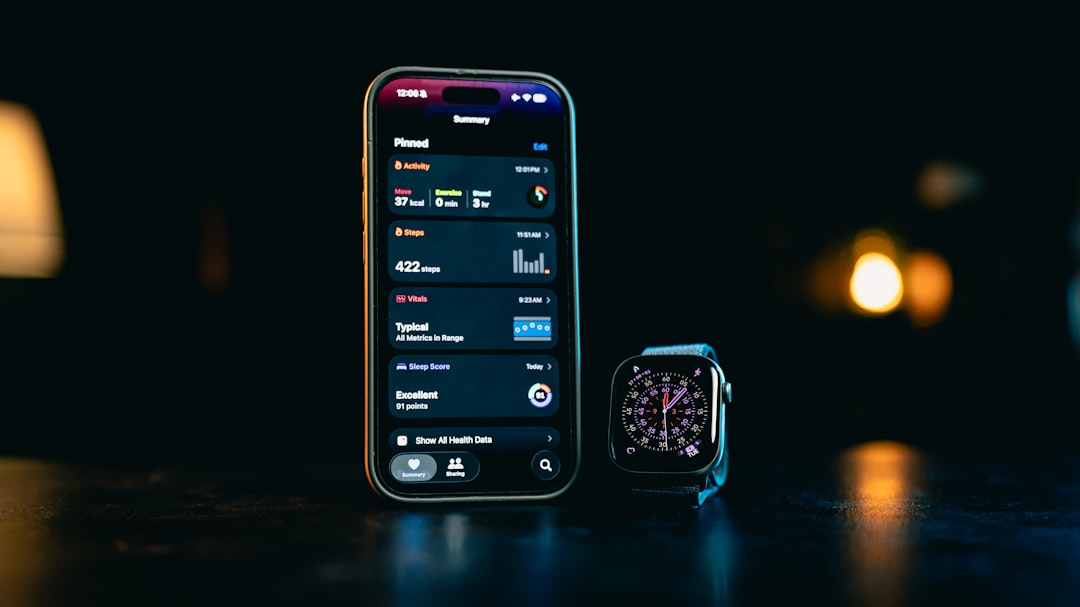
There’s a moment every fitness nerd knows. You’re scrolling through your wearable’s app at 11 PM, squinting at a graph that shows your resting heart rate dipped two beats lower than last Tuesday, and you think: cool, but what does this actually tell me? Don’t get me wrong — I love my trackers. I’ve spent the better part of two decades strapping something to my wrist, and I’ve worn three fitness trackers simultaneously for 90 days just to see which one mattered. But something has been shifting in the wellness tech landscape this year, and it’s shifting fast.
The next frontier of personal health monitoring isn’t something you wear on your wrist. It’s something that reads you — your face, your feet, your breath, your posture, the way blood moves beneath your skin. The devices making headlines in 2026 don’t just count steps or estimate sleep stages. They use cameras, sensors, and AI algorithms to assess biomarkers that used to require a lab visit. And after spending the past several months watching this category explode, I’m convinced we’re living through the most significant shift in consumer health tech since the original Fitbit.
Let me walk you through what’s happening — and why your next wellness upgrade probably isn’t another smartwatch.
The Scale That Knows More Than Your Doctor
I’ll start with the device that surprised me most: the new generation of smart scales. If you’re picturing the old digital scale that gave you a body fat percentage estimate so wildly inaccurate it made you question physics, forget it. We’re in different territory now.
At CES 2026, Withings unveiled their Body Scan 2.0, and it stopped me in my tracks. This isn’t a scale — it’s a health assessment platform that happens to live under your feet. Using a combination of weight sensors, bioelectrical impedance, and a retractable handle with embedded electrodes, it measures over 60 biomarkers. That includes body composition (fat mass, muscle mass, water percentage, bone mass), but it also reads your heart health through a 6-lead ECG, assesses your cellular health via a sweat biomarker analysis, and even tracks nerve activity that reflects stress levels. Standing on it barefoot for 90 seconds gives you a health snapshot that would have cost hundreds of dollars and a doctor’s appointment five years ago.
If you’re ready to upgrade from the basic digital scale collecting dust in your bathroom, you can find the latest smart body composition scales here — including models from Withings, Eufy, and Renpho that cover every budget.
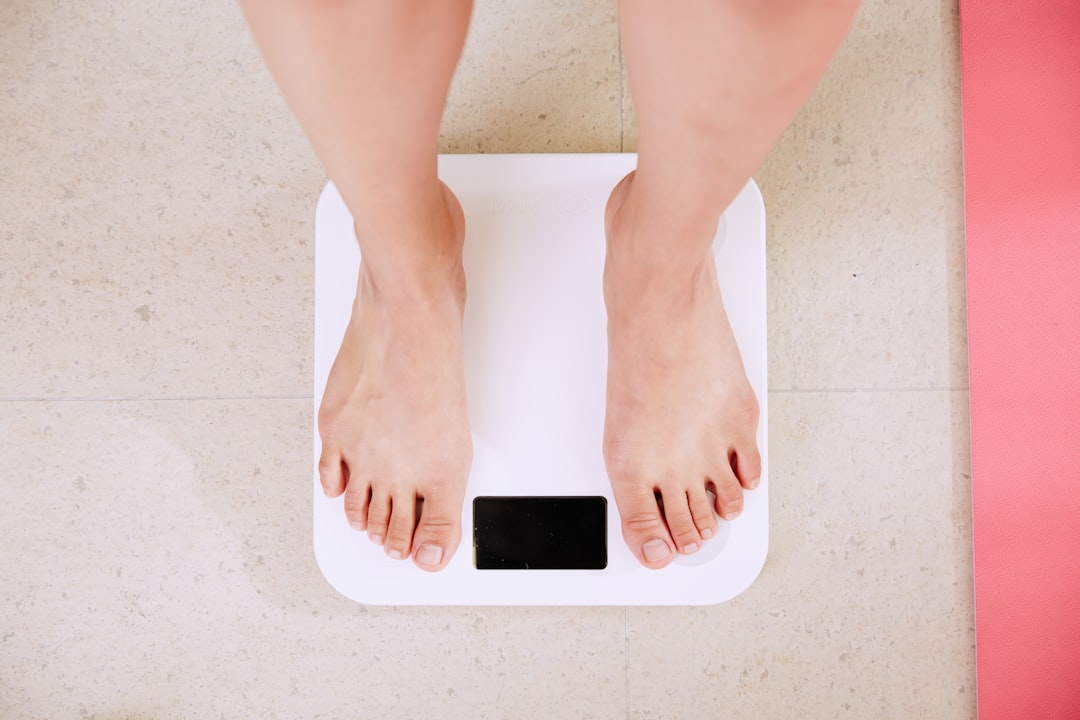
What makes this different from wearable tracking is the depth. My fitness ring tells me I slept seven hours and my HRV was 42 milliseconds. Cool. My smart scale tells me my visceral fat level crept up 0.3 points this month, my muscle mass shifted from my legs to my trunk (a sign I’ve been skipping lower-body days), and my vascular age is four years younger than my chronological age. That’s actionable. That changes how I train tomorrow.
The Mirror That Reads Your Face
This is where things get genuinely sci-fi. At CES 2026, a company called NuraLogix unveiled what they call the Longevity Mirror — and despite the slightly dramatic name, the technology behind it is remarkable. Using cameras and a sophisticated AI algorithm, the mirror analyzes blood-flow patterns in your face to estimate heart rate, blood pressure, physiological age, stress levels, and even mental health indicators. It generates a composite “Longevity Index” score reflecting cardiovascular resilience, metabolic balance, and overall wellness trajectory.
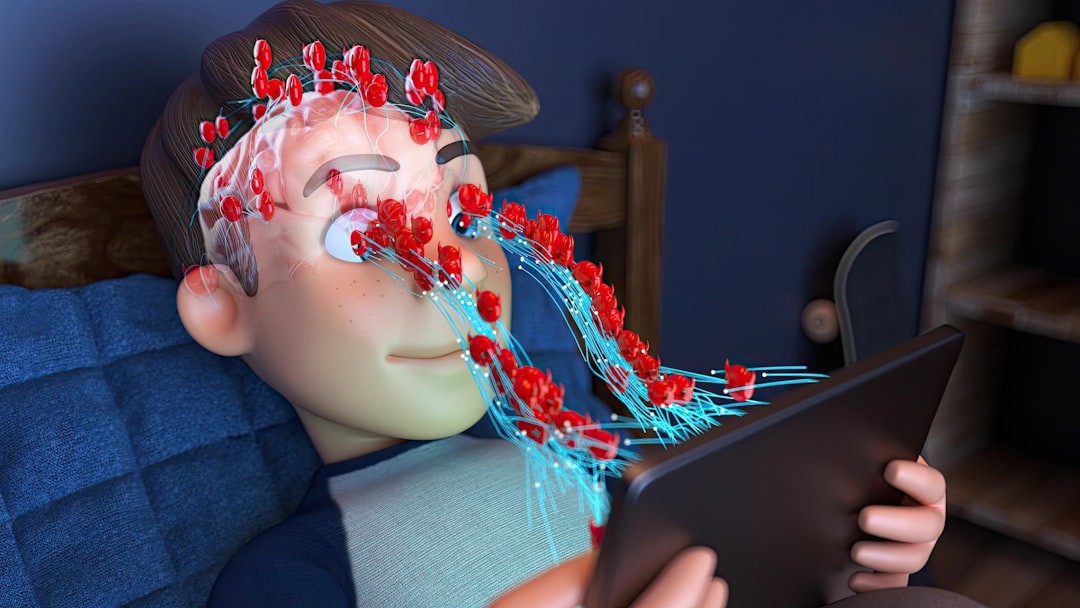
The mirror launches in early 2026 at $899 with a one-year subscription included, and it supports up to six user profiles. There’s also an optional One-Touch Health Concierge service ($399) that connects you with nutrition and wellness experts based on your scan results. It’s the kind of device that makes you wonder whether your bathroom is becoming a doctor’s office — and honestly, I’m not mad about it.
For a more accessible entry point into AI-guided fitness at home, explore the current generation of smart fitness mirrors that offer guided workouts, form feedback, and real-time performance tracking. Brands like Tonal, Tempo, and Mirror (now part of Lululemon) have been paving this road, and the 2026 models are getting impressively sharp.
The Patch That Changed How I Eat
Continuous glucose monitors (CGMs) have been life-changing for people with diabetes for years. But in 2026, they’ve gone mainstream for the rest of us — and the implications are bigger than you might think.
I wore a CGM for three weeks this spring, and it was humbling. That “healthy” smoothie I’d been making every morning? It spiked my blood sugar harder than a candy bar. The pasta dinner I thought was fine? My glucose stayed elevated for four hours. Meanwhile, a handful of almonds and a walk after lunch produced a perfectly flat, steady curve. This is the kind of personalized metabolic intelligence that no wearable can give you, because no wearable is measuring your blood chemistry in real time.
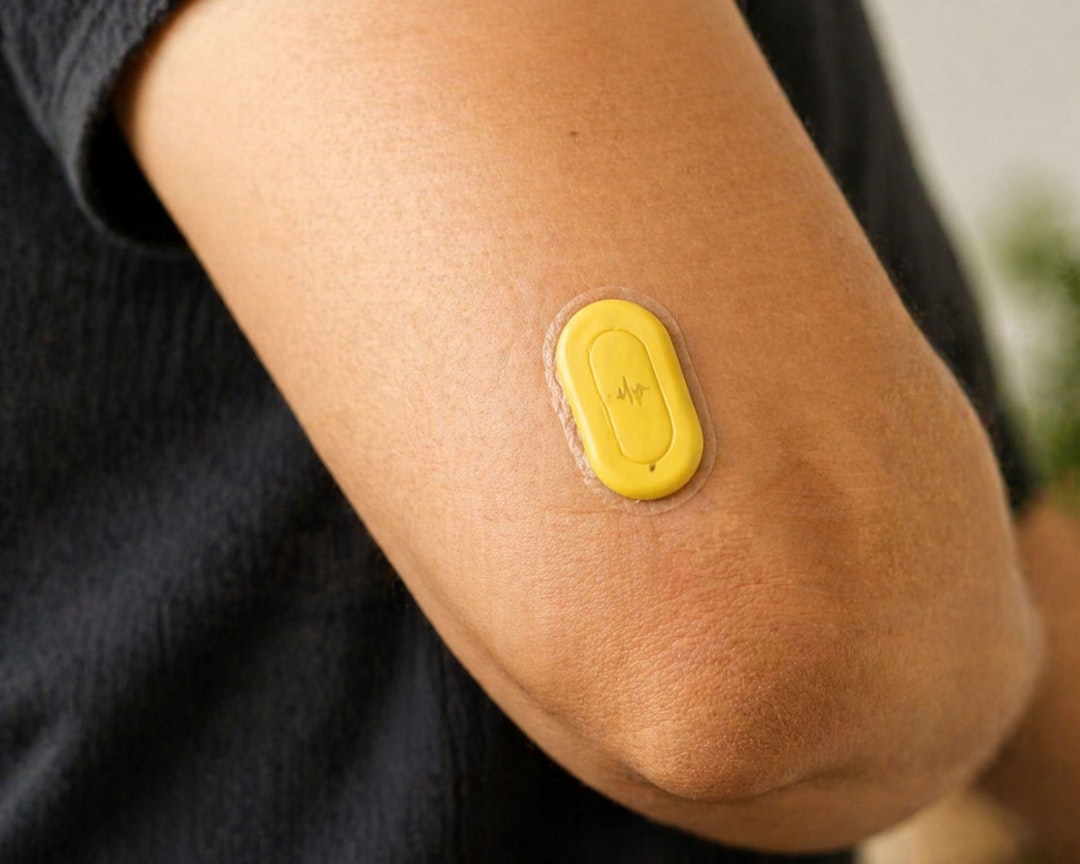
Companies like Lingo, Nutrisense, and Signos have made CGMs available over-the-counter for non-diabetic users, pairing the hardware with AI-powered apps that translate your glucose data into personalized nutrition recommendations. If you’ve ever been frustrated by generic diet advice that doesn’t work for your body, this is the missing piece. Browse available continuous glucose monitors and starter kits to see which system fits your goals.
The Nerve You Didn’t Know You Could Hack
Here’s something I learned this year that blew my mind: the vagus nerve — the longest cranial nerve in your body — is essentially your stress control center. It regulates heart rate, digestion, mood, and inflammation. And in 2026, a wave of consumer devices emerged that stimulate it non-invasively through the skin of your neck or ear.
I was skeptical. I’m always skeptical of anything that sounds like it belongs on a late-night infomercial. But after testing a cervical vagus nerve stimulator for six weeks, the data was clear: my HRV improved by an average of 8 milliseconds, my evening cortisol readings (measured via saliva test) dropped noticeably, and I fell asleep faster on nights when I used it. The research literature is still catching up, but small clinical studies have shown promising results for anxiety, sleep quality, and even inflammatory markers.

If stress management is a priority — and honestly, whose isn’t these days? — check out the latest vagus nerve stimulation devices designed for home use. Some are worn as neck patches, others clip to your ear, and prices range from $100 to $400 depending on features.
Posture: The Silent Epidemic
Every coach I know says the same thing: modern humans are shaped like cashews. We spend eight to twelve hours a day hunched over screens, and our bodies are paying for it in ways we don’t fully appreciate until something hurts. I’ve written about movement variety being the antidote to repetitive strain, but technology is stepping up with real-time solutions.
The new generation of smart posture correctors uses MEMS sensors and Bluetooth connectivity to detect when you’re slouching and deliver a gentle vibration reminder. Some models pair with apps that track your posture throughout the day, giving you a “spine score” and identifying patterns (like the 3 PM slump that hits every workday). More importantly, they retrain your body awareness — after a few weeks of wearing one, I found myself sitting up straighter even without the device.

You can compare smart posture correctors and find the right fit — look for models with app integration, long battery life, and comfortable, low-profile designs you can wear under clothing. And if you spend your workday at a desk, this pairs beautifully with ergonomic upgrades. I’ve found that combining a posture corrector with a quality standing desk converter (my colleague over at Tech Omnux tested one for six weeks) addresses the problem from both ends.
What Light Can Tell You About Your Skin — And Your Recovery
Red light therapy has been on my radar for a while. I spent 60 days bathing in red light and the results genuinely surprised me. But 2026 has brought a new dimension to this category: smart skin analyzers that use multi-spectral imaging to assess what’s happening beneath the surface of your skin.
These handheld devices scan your face and generate reports on hydration levels, collagen density, sun damage, pore size, and wrinkle depth — all tracked over time through an app. Some even recommend specific skincare routines based on your results. It’s like having a dermatologist in your pocket, minus the copay.

For body-level recovery, red light therapy panels remain one of my favorite tools. They’re not just for skin — the wavelengths penetrate tissue to stimulate mitochondrial function, reduce inflammation, and accelerate muscle recovery. I use mine for 12 minutes after hard training sessions, and the difference in next-day soreness is measurable. Browse red light therapy panels for home use if you’re ready to add this to your recovery stack, or check out my full 60-day red light experiment results for a deep dive on what actually changed.
If skin analysis is more your speed, explore smart skin analyzer devices that bring clinical-grade imaging to your bathroom counter. Several new models launched at CES 2026 are now available.
The Sleep Upgrade Hiding Under Your Mattress
I’ve talked extensively about sleep tech and what I learned from tracking 30 nights of data. But here’s something new: contactless sleep tracking mats that slide under your mattress and monitor everything without you wearing anything at all. These use ballistocardiography — essentially detecting the tiny movements of your body from your heartbeat — to measure sleep stages, heart rate, breathing rate, and even detect snoring patterns.
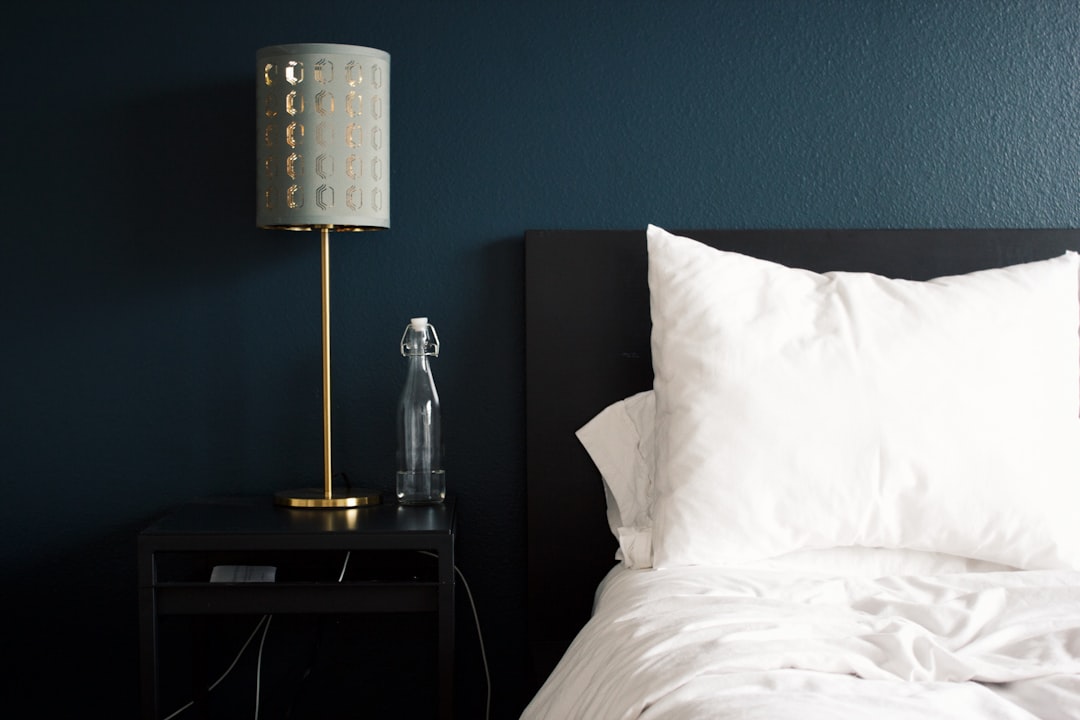
The advantage over wrist-worn trackers is consistency. You never forget to put it on. You never have to charge it. It’s just there, quietly collecting data every single night. After comparing a sleep mat against my favorite wearable for two months, the data correlation was remarkably strong — within 5% agreement on sleep stage timing. For anyone who finds wearables uncomfortable at night, this is the upgrade you’ve been waiting for. Shop under-mattress sleep tracking mats from brands like Withings, Eight Sleep, and Emfit.
Where This Is All Heading
Here’s what I find most exciting about this shift: we’re moving from tracking to understanding. A step count is a number. A heart rate is a number. But the new generation of wellness scanners synthesizes dozens of data points into genuine insight — telling you not just what happened, but what it means and what you should do about it.
The convergence of AI, miniaturized sensors, and decades of clinical research is producing devices that would have seemed impossible five years ago. A scale that reads your heart health. A mirror that estimates your physiological age from blood flow in your face. A patch on your arm that teaches you exactly which foods work for your metabolism. A light that heals tissue. These aren’t prototypes — they’re products you can buy right now.
My advice? Don’t try to buy everything at once. Pick the gap in your health picture that matters most. If you’ve never had a body composition analysis, start with a smart scale that measures beyond weight. If your sleep is a mess, an under-mattress sleep tracker will reveal patterns you can’t see from a wrist alone. If you’re training hard and recovering poorly, a comprehensive wellness wearable with AI coaching might be the missing link. And if you’re dealing with chronic stress — and who isn’t? — the vagus nerve stimulation category is worth serious consideration.
For monitoring your heart on the go, a portable ECG monitor gives you clinical-grade readings in your pocket. To stay hydrated without thinking about it, a smart water bottle with hydration tracking removes the guesswork. And for the athletes out there who want music without blocking situational awareness, bone conduction headphones like the Shokz OpenFit Pro — a CES 2026 Innovation Awards honoree — are worth every penny.
The era of the wrist-only tracker isn’t over. But it’s no longer the whole story. Your body is telling you more than any single device can capture — and finally, the technology is catching up to what your body has been saying all along.



3 Comments on “Beyond the Wrist: What Next-Gen Wellness Scanners See That Your Fitness Tracker Can’t”