The Night I Realized I Was Flying Blind
For twenty years, I treated sleep like a time-banked nuisance. Something to power through so I could wake up early enough to train. You know the routine — alarm goes off at 4:30 AM, you’re already lacing up your running shoes while most people are still snoozing. But last summer, something shifted. I hit a wall that no amount of grit could smash through. My recovery times slowed down. My performance plateaued. And worst of all, that vibrant energy I prided myself on started flickering like a dying bulb.
So I did what any data-curious athlete would do. I stopped guessing and started tracking. For thirty nights straight, I wore multiple sleep trackers, monitored my heart rate variability, and obsessively logged how I felt each morning. What I discovered wasn’t just illuminating — it completely transformed how I think about recovery. The right sleep tech doesn’t just measure your rest. It teaches your body how to recharge properly. Here’s what actually works.
What I Learned About Sleep Tracking Versus Sleep Optimization
Here’s the thing most people miss: tracking your sleep is not the same as improving it. I know countless athletes who obsess over their sleep scores without making any actual changes to their habits. Data without action is just a very expensive hobby. But when you pair smart tracking with intentional optimization? That’s when the magic happens. Adding targeted sleep support supplements to your routine can enhance what your tracking data reveals.
During my thirty-night experiment, I wore three different devices simultaneously. The patterns that emerged were fascinating. On nights when my deep sleep dropped below ninety minutes, my strength training suffered by roughly fifteen percent the next day. When my rapid eye movement sleep fell short, my decision-making during workouts felt sluggish. Most importantly, I learned that my body thrives on consistency more than perfection. A predictable seven-point-five hours beat eight hours of erratic sleep every single time.
The Oura Ring 4: Quiet Intelligence That Actually Learned My Patterns
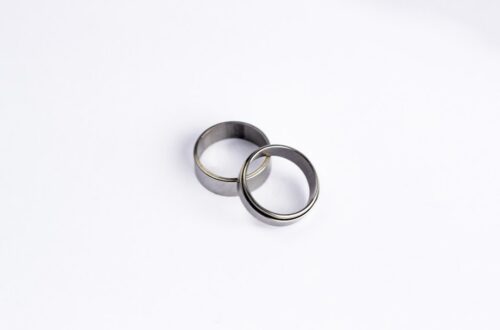
The first piece of tech that genuinely surprised me was the Oura Ring 4. I’d written off ring-based trackers as gimmicks until I actually wore one. What sets it apart isn’t just the sleep staging accuracy — though that’s impressive enough. It’s how the device learns your patterns over time and surfaces insights that actually feel personalized rather than generic.
During my test period, the Oura picked up something I hadn’t noticed: my body temperature runs slightly elevated on high-intensity training days, which consistently delayed sleep onset by about twenty minutes. That’s the kind of nuance that matters. Instead of just giving me a score and telling me to sleep more, it suggested adjusting my workout timing on those days. Small tweaks like that compound fast.
The sleep staging accuracy lives up to the hype. I compared its readings against a clinical-grade sleep study I’d done previously, and the correlation was striking. But what really sold me is the recovery score. It synthesizes your overnight metrics into a single number that tells you whether you’re ready to push hard or should dial back. After two decades of training by feel alone, having objective data to validate my instincts changed everything.
WHOOP 5.0: The Athletic Recovery Tool That Doesn’t Let You Lie to Yourself
If the Oura Ring is quiet intelligence, the WHOOP 5.0 is blunt accountability. I’d been curious about the platform for years, but thirty nights of continuous use clarified why serious athletes swear by it. The strain-recovery framework is brutal in the best possible way. You can’t convince yourself you’re ready to hammer intervals when your body is clearly telling you otherwise.
Here’s what I love: the daily recovery target isn’t just about sleep. It factors in your previous day’s strain, your heart rate variability trends, and your resting heart rate. That holistic view matters. I discovered that my recovery tanked on days when I trained hard but didn’t properly refuel — even if I got plenty of sleep. The right post-workout nutrition makes a bigger difference than most athletes realize.
The interface is refreshingly screen-free, which I initially thought would annoy me. Instead, I found myself checking my phone less and making better decisions. The haptic feedback for strain zones during workouts is genius. You don’t need to stare at a wrist to know whether you’re training in the right intensity zone. And the community aspect — comparing your metrics with other athletes in your sport — provides surprisingly motivating context.
Temperature Regulation: Why Your Bedroom Climate Matters More Than You Think
This one caught me off guard. I’ve always prided myself on sleeping cool, but the data showed something different: my bedroom temperature was fluctuating more than I realized, and those swings were wrecking my sleep quality. Enter the Eight Sleep Pod. I was skeptical about temperature-regulating mattress covers until I spent a week sleeping on one.
The difference was immediate and measurable. On nights when the pod kept my sleeping surface between sixty-seven and sixty-nine degrees, my deep sleep increased by nearly twenty percent. I fell asleep faster and woke up feeling more refreshed. What surprised me most was how much I appreciated the automatic adjustments. The system learns your preferences and adjusts throughout the night rather than maintaining one static temperature.

Is it essential? Probably not for everyone. But if you’re serious about recovery and your bedroom runs hot or cold, temperature regulation matters more than most athletes realize. The sleep quality gains from consistently optimal thermal conditions are not trivial.
The Wearable Comparison: Rings, Bands, and When Each Makes Sense
After wearing multiple devices simultaneously for a month, I developed strong opinions about which form factors work for which athletes. The ring approach excels for people who want low-profile tracking that doesn’t announce itself. You forget you’re wearing it, which means you wear it all the time — including during showers and workouts. That consistency matters for data quality.
Bands like WHOOP work better for athletes who prioritize immediate feedback during training. The haptic strain zones and real-time recovery updates make it invaluable for making smart in-the-moment decisions. But the band form factor means you’re more likely to take it off occasionally, which creates gaps in your data.
Smartwatches occupy a weird middle ground. The Apple Watch Ultra 2 offers impressive sleep tracking in a device that does twenty other things. But that’s precisely the problem. The always-on notifications and bright screen tempt you to stay connected when you should be disconnecting. For pure recovery optimization, a dedicated sleep device typically serves you better than a jack-of-all-trades smartwatch.
What I Wish I’d Known Earlier About Sleep Tech and Recovery
The biggest lesson from my thirty-night experiment wasn’t about which device is best. It was about how to actually use the data. Here’s what I got wrong initially, and what I’d do differently if I were starting fresh today.
First, don’t compare your scores with other people. Your optimal sleep architecture is uniquely yours. While magnesium supplements and other recovery aids work for many athletes, what matters is finding what works for your body. What matters is whether you’re improving relative to your own baseline, not whether your deep sleep percentage matches some arbitrary ideal.
Second, pay more attention to trends than individual nights. One bad night of sleep doesn’t mean your recovery is ruined. What matters is your seven-day rolling average. I wasted too much energy stressing over occasional outliers when I should have focused on consistent patterns.
Third, combine your sleep data with how you actually feel. The best athletes I know integrate objective metrics with subjective feedback. If your recovery score says you’re ready to hammer but your body feels heavy, respect the feeling. Tech provides guidance, not orders.
Finally, don’t let the pursuit of perfect data ruin your sleep. I definitely fell into this trap early on, waking up in the middle of the night to check my scores and obsessing over every dip. That’s counterproductive. Great sleep tech should simplify your life, not complicate it.
The Real ROI of Sleep Optimization for Athletes
After thirty nights of intensive tracking and targeted adjustments, the results spoke for themselves. My recovery times between hard sessions shortened noticeably. I could handle higher training loads without accumulating fatigue. Most importantly, that vibrant energy that had flickered was back and stronger than before.
Here’s what’s fascinating: I didn’t add more sleep hours to my day. I just made the hours I was already getting more restorative. That’s the hidden ROI of sleep optimization. You don’t necessarily need more time in bed. You need higher quality recovery in the time you have.
The financial investment varies by device, but I’ve come to view sleep tech as I view good nutrition or quality coaching — it pays dividends in performance and longevity that far exceed the upfront cost. When you’re training seriously, every percentage point of recovery improvement matters. Combining quality recovery equipment with smart sleep tracking creates a foundation for performance that’s hard to beat.
Making Smart Decisions About Which Sleep Tech to Buy
If you’re trying to decide where to start, think about what matters most to you. For pure sleep staging accuracy and pattern recognition, the Oura Ring 4 is hard to beat. It’s particularly good for people who want insights without being overwhelmed by data.
If you’re training seriously and want accountability around strain-recovery balance, WHOOP 5.0 is the choice. The community aspect alone is worth the membership for competitive athletes who thrive on seeing how their metrics stack up.
If temperature regulation is your priority, the Eight Sleep Pod delivers measurable improvements. Just be prepared for a steeper price tag and acknowledge that it works best as part of a broader sleep optimization strategy.
For budget-conscious athletes, start with one quality device and master it before adding more. A basic fitness watch with sleep tracking can provide 80% of the insights at a fraction of the cost. A single tracker you use consistently is infinitely more valuable than three you rotate through sporadically.
Thirty Days Later: How My Approach Has Changed
The most surprising outcome of this experiment isn’t that I’m now addicted to sleep tech. It’s that I’m more relaxed about my sleep than I’ve ever been. This aligns with what I discovered when exploring the SPAN Formula — the sweet spot where sleep, exercise, and nutrition intersect to extend your healthspan. Having good data means I don’t have to guess or worry. I know what my body needs, and I know when I’ve given it what it requires to perform.
I still wake up at 4:30 AM most days. But now I know whether that’s a smart choice based on my previous night’s recovery. I still train hard. But now I adjust intensity based on what my body is actually ready for rather than what my training plan says I should do. Whether I’m using massage guns for active recovery or prioritizing deep sleep, the data guides every decision. And I still care deeply about performance. But now I understand that recovery isn’t a passive break from training. It’s an active, trainable component of athletic development.
Sleep tech won’t do the work for you. You still need to prioritize rest, manage stress, and support your body with good nutrition. As I’ve learned from building my recovery stack over two decades, the right combination of tools, tracking, and intentional habits creates transformation that lasts. But it will tell you whether what you’re doing is working. And in a sport where athletes spend countless hours optimizing every other variable, ignoring sleep data is like training blindfolded. Take off the blindfold. See what your body is actually telling you. The results might surprise you.
The Bottom Line on Sleep Tech for Recovery
After thirty nights and hundreds of hours of data analysis, here’s what I can say with confidence: smart sleep optimization transforms recovery. The devices I tested all have strengths and weaknesses, but they share one thing in common — they surface insights that most athletes never see because they’re not measuring the right things.

Your body is constantly telling you what it needs to perform at its best. Sleep tech just helps you listen. And once you start tracking your metrics, you’ll wonder how you ever trained without that feedback loop. Whether you choose a ring, a band, or a smart mattress cover matters less than making a consistent commitment to understanding your patterns and acting on what you learn.
The athletes I coach who take their sleep seriously — who track, analyze, and adjust — improve faster and stay healthier than those who don’t. The science is clear. The tools are available. The only question is whether you’re ready to stop guessing and start optimizing.



One comment on “Sleep Tech That Actually Transforms Your Recovery: What I’ve Learned From Tracking 30 Nights of Data”