I wore a fitness watch every single day for fifteen years. Garmin, Apple, Fitbit, Polar — you name it, I strapped it to my wrist and let it track my steps, my sleep, my heart rate, my training load. I was that athlete who’d glance at her watch mid-interval to check her split, then check it again during cooldown to see if her heart rate was dropping fast enough. The data felt like oxygen. Until one Tuesday morning in April, I caught myself staring at a readiness score of 71 instead of warming up for my session, and I realized something had shifted. The number on my wrist was no longer serving my training. It was running it.
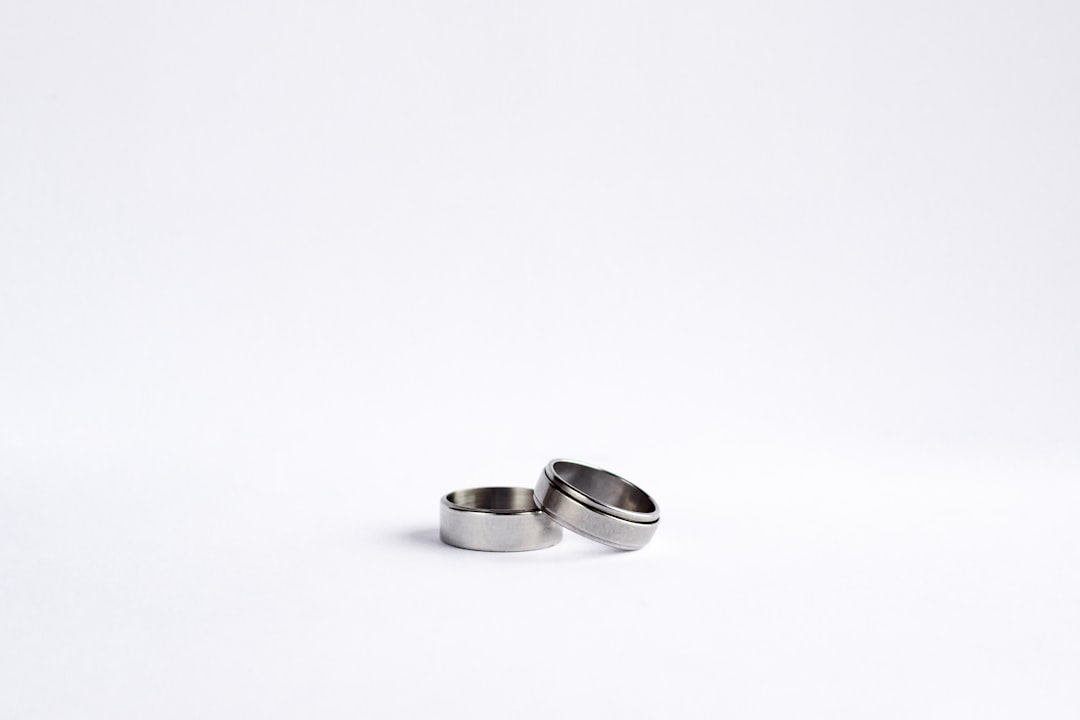
That evening, I unclasped my Garmin, set it on the nightstand, and slid on a titanium ring barely wider than a wedding band. What happened over the next ninety days rewired how I think about recovery, sleep, and the quiet signals my body had been sending all along — signals a wrist-mounted screen taught me to ignore.
The Moment I Stopped Trusting My Watch
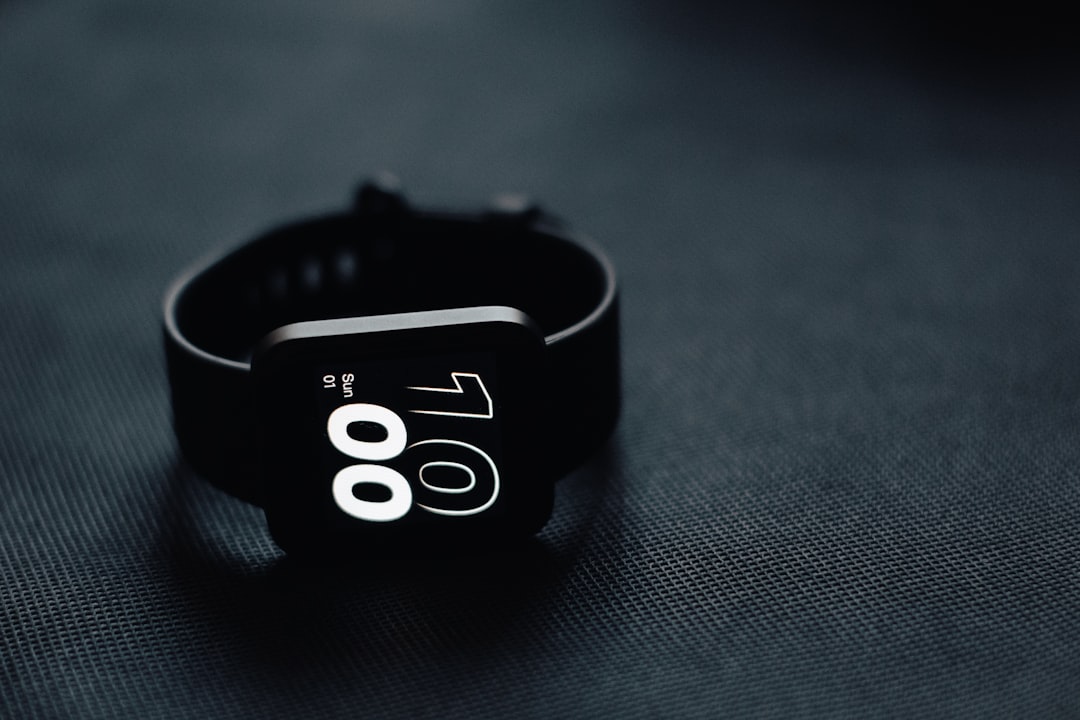
Let me be clear about something: I don’t hate fitness watches. I spent a decade and a half relying on them, and during my heptathlon years, my Garmin was genuinely essential for pace work and interval timing. But here’s what started gnawing at me — the data on my wrist was becoming a source of anxiety rather than insight. I’d wake up, check my sleep score, and if it dipped below 80, I’d mentally downgrade my training before my feet hit the floor. A “bad readiness” number could hijack my entire morning.
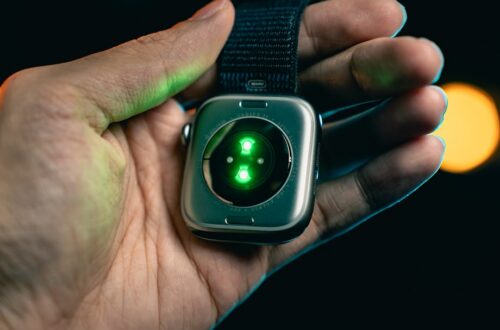
The deeper problem was that wrist-based sleep tracking, for all its bells and whistles, has a dirty little secret: it’s notoriously inaccurate at detecting sleep stages. Multiple validation studies have shown that wrist-based photoplethysmography (PPG) sensors — the green lights on the back of your watch — struggle with movement artifacts and often misclassify light sleep as deep sleep or vice versa. My watch was confidently telling me I’d gotten 22 minutes of deep sleep when, by every other measure, I felt completely rested. Or it would tell me I’d slept brilliantly when I’d been tossing since 3 AM. The disconnect was maddening.
I started researching alternatives, and the more I read about ring-based tracking — especially after exploring what I discussed in my deep dive into next-gen wellness scanners — the more it made sense. The finger offers a denser capillary network and more consistent blood flow than the wrist, which means the PPG sensors get a cleaner signal. No watch face glowing at 2 AM. No band loosening during sleep. Just a lightweight ring doing its job while I focused on mine. If you’re starting down this same rabbit hole, options like the Oura Ring 5 and the Ultrahuman Ring Air dominate the conversation for good reason — both have invested heavily in sensor accuracy and algorithm development.
What the Ring Does Differently
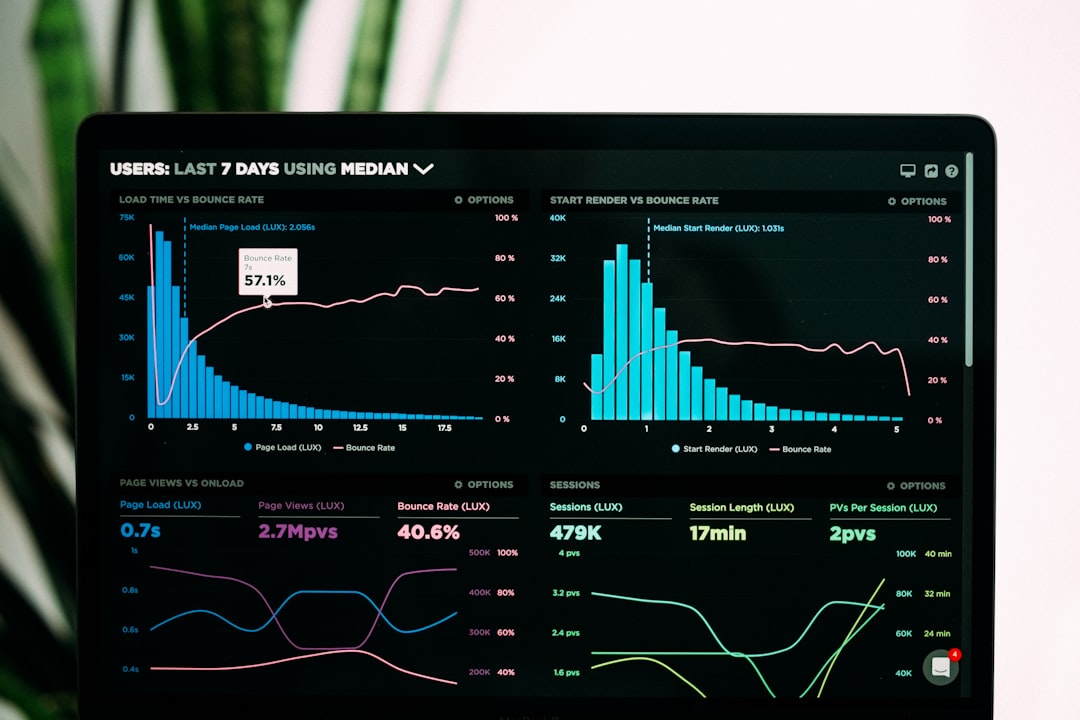
The first thing I noticed after switching was silence. Not acoustic silence — my bedroom was the same — but the absence of a constant visual feed. My watch had trained me to check, check, check. The ring removed the screen entirely. To see my data, I had to open an app on my phone, which meant I was checking it intentionally rather than reflexively. That single design choice changed my relationship with my metrics overnight.
But the real magic was in the data quality. Within the first week, my sleep staging actually matched how I felt. When the ring said I’d spent 1 hour and 40 minutes in deep sleep, I woke up feeling like I could deadlift a car. When it flagged a restless night with elevated resting heart rate and low HRV, I genuinely felt the drag. The alignment between what the device measured and what my body experienced was closer than anything I’d gotten from years of wrist tracking.
Temperature tracking was the wildcard I didn’t know I needed. The ring’s sensors pick up subtle nightly temperature shifts that correspond to hormonal fluctuations, immune responses, and even the early stages of illness. I could see my temperature tick up fractionally two days before a cold hit. I could track patterns across my cycle that helped me plan training intensity. If you’ve been relying on a WHOOP band or similar wrist wearable for this data, the ring form factor simply captures it more reliably.
The Sleep Revelation

I’ve written before about how sleep tracking transformed my recovery, but those thirty nights of wrist-based data were a rough draft compared to what the ring showed me over the same period. The difference wasn’t marginal. It was categorical.
Over ninety days, the ring identified a pattern I’d been blind to for years: my deep sleep cratered on nights after high-intensity interval sessions, but only when those sessions ended after 6 PM. Move the same workout to morning, and my deep sleep held steady. This wasn’t a one-off correlation — it repeated across twelve out of fourteen late-session days. My watch had shown me sleep scores that bounced around seemingly at random. The ring showed me the why.
Once I saw the pattern, I made changes. I shifted hard intervals to mornings and kept evenings for mobility work and easy zone-two cardio. Within two weeks, my average deep sleep jumped from 58 minutes to 84 minutes per night. My resting heart rate dropped four beats. My HRV — the metric I now pay more attention to than any other — climbed from an average of 42 ms to 58 ms. I wasn’t training less. I was training smarter, guided by data I could actually trust.
Pairing the ring with a few environmental upgrades amplified the effect. I added a cooling sleep mask to block light and regulate temperature around my eyes, swapped my pillow for one designed specifically for hot sleepers, and started wearing blue-light-blocking glasses after sunset. None of these are magic bullets individually, but together they created a sleep environment that the ring could actually measure improvements against.
HRV: The Number That Runs My Week

If there’s one metric worth obsessing over — and I say this as someone who has spent way too much time obsessing over metrics — it’s heart rate variability. HRV measures the millisecond-level variation between your heartbeats, and it’s one of the most reliable proxies we have for autonomic nervous system health. High HRV means your parasympathetic (rest-and-digest) system is dominant and your body is recovering well. Low HRV means stress — physical, emotional, whatever — is winning.
My ring tracks HRV nightly and presents it as a trend rather than a single anxiety-inducing number. Over ninety days, I learned to read my HRV curve like a coach reads a training plan. A three-day downward trend meant I needed a deload week, regardless of how I felt subjectively. A sudden single-night dip often preceded illness by 24 to 48 hours — early enough to pull back on training, load up on magnesium glycinate, and prioritize sleep before symptoms hit.
This approach — using HRV as a daily readiness gate rather than a passive stat — fundamentally changed my training outcomes. In the past, I’d push through fatigue because my schedule said “tempo run.” Now, if my HRV is more than 15% below baseline, I swap the hard session for easy work. In three months of following this protocol, I haven’t had a single overuse flare-up. That kind of consistency is exactly what I described in my breakdown of the SPAN Formula — the interplay between sleep, exercise, and nutrition that compounds over time. That’s unprecedented for me.
What the Ring Cannot Do
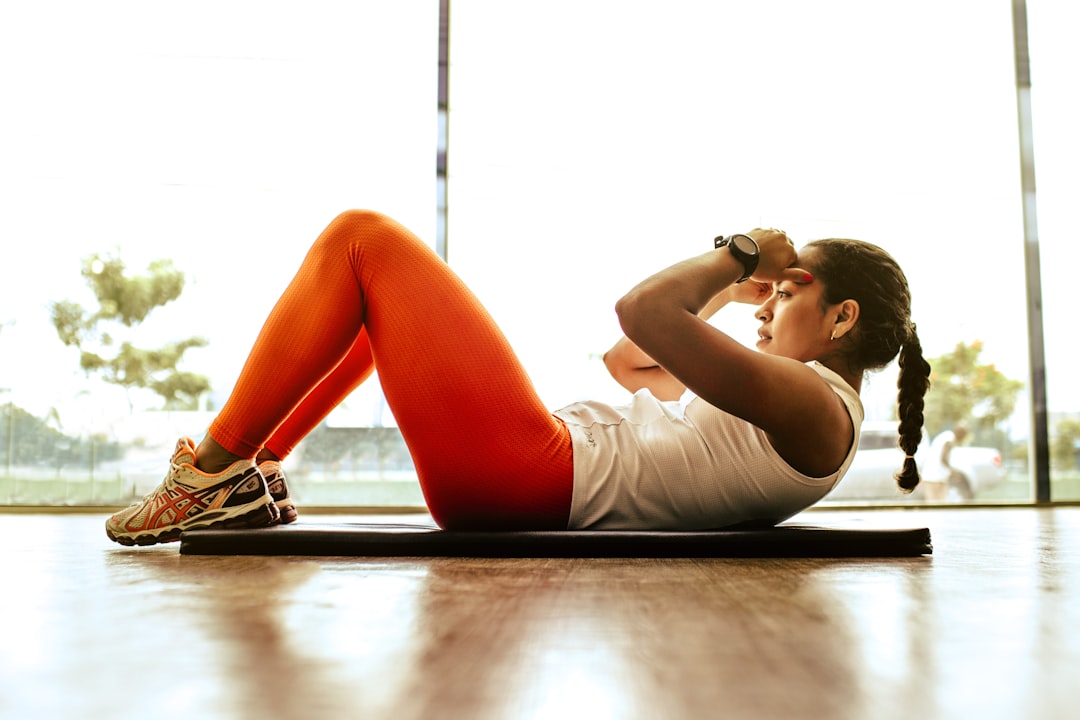
Here’s where I stop being a cheerleader and get honest, because nothing in wellness is one-size-fits-all. A smart ring is phenomenal for passive tracking — sleep, recovery, temperature, HRV — but it is genuinely poor at active workout tracking. There’s no GPS. No real-time pace display. No rep counter. If you’re a runner who lives by split times or a lifter who wants rest-period timers, the ring alone won’t cut it.
My solution was to stop trying to find one device that does everything. The ring handles my recovery and sleep data. For workouts where I need real-time metrics, I use a lightweight tracker — something like the Fitbit Air for minimal-intensity days, or a dedicated sports watch for serious sessions. The Garmin Lily 2 has become my go-to for that role: small enough to not feel like a brick on my wrist, but competent enough for structured intervals.
The Samsung Galaxy Ring, which entered this space recently, follows the same philosophy — it pairs with a phone and complements rather than replaces a workout watch. The point is that no single wearable covers every base. Pretending otherwise leads to disappointment. The ring covers the base that matters most for long-term health: recovery.
The Companion Stack

After three months of ring-based living, I’ve built a small ecosystem around it. The ring is the hub, but it needed spokes to really shine.
A smart body composition scale fills in the metrics the ring can’t measure — weight, body fat percentage, muscle mass, water weight. Together, they paint a complete picture: the ring tells me how recovered I am, the scale tells me whether my nutrition is supporting my training. When my ring shows low HRV and the scale shows a water-weight spike, I know I’m under-recovered and likely inflamed. That combination has been more actionable than any single metric ever was.
I also started tracking hydration more intentionally. A smart water bottle seemed gimmicky until I realized how often I was under-drinking on busy coaching days — the ring’s temperature data showed clear dehydration patterns on days I logged less than 60 ounces. Now, gentle reminders keep me honest, and my recovery metrics have smoothed out accordingly.
If you’re building your own recovery-focused stack, I’d encourage you to think about it the same way I described in my piece about the recovery stack that finally transformed my results. Start with one reliable data source — the ring, in my case — and layer in complementary tools only when you understand what gaps you actually need to fill.
Ninety Days Later: Would I Go Back?

The short answer is no. The longer answer involves some nuance. The ring hasn’t made me a better athlete by itself — it’s made me a better listener. By removing the constant visual noise of a watch face and replacing it with cleaner, more trustworthy data delivered on my terms, it shifted my attention from tracking to interpreting. I spend less time checking numbers and more time acting on them.
My sleep is measurably better. My recovery is more consistent. My training plan is smarter because it bends to my physiology instead of my calendar. And perhaps most importantly, my relationship with health data has healed. Metrics no longer feel like a judgment. They feel like a conversation.
That said, I recognize the privilege in this setup. Quality smart rings aren’t cheap, and building the companion stack requires investment. If you’re weighing whether it’s worth it, I’d frame it the same way I frame any wellness decision: start with your biggest pain point. If yours is sleep — and for most of the people I coach, it is — then the ring’s sleep tracking alone justifies the switch. If yours is workout performance, stick with a GPS watch and skip the ring for now.
The wellness industry loves to sell us the idea that more data equals better health. Ninety days with a ring on my finger taught me the opposite. Better data — not more — is what actually moves the needle. The right metrics, delivered without noise, interpreted with patience, can transform not just your training but your entire relationship with your body. I spent fifteen years strapping a computer to my wrist. It took a quiet band of titanium to finally teach me that the most important signal was never on the screen. It was underneath it.


5 Comments on “Why a Tiny Ring Replaced My Fifteen-Year Watch Habit — And What 90 Days of Finger-Based Data Revealed”