The SPAN Formula: How I Discovered the Exact Mix of Sleep, Exercise, and Nutrition That Adds 9 Years to Your Life
Last January, a massive study dropped in The Lancet’s eClinicalMedicine journal that fundamentally changed how I think about longevity. Researchers had finally cracked the code on the precise combination of daily habits that determines how long we live—and more importantly, how long we live HEALTHY. They called it SPAN: Sleep, Physical Activity, and Nutrition. The numbers were so specific they felt almost too precise to be real: 7.2 hours of sleep, 42 minutes of exercise, and a diet quality score of 58. Hit that exact formula, and you gain nearly a decade of life. Miss it, and you’re leaving years on the table.
As someone who’s spent two decades obsessively studying exercise physiology and working with clients chasing performance and longevity, I should have been thrilled. Instead, I was frustrated. Here’s why: we’ve been telling people to “sleep better, move more, and eat healthier” for fifty years, and we’re still facing epidemics of chronic disease, burnout, and premature aging. The advice isn’t wrong—it’s just not actionable enough. Most people I know don’t have the bandwidth to completely overhaul their lifestyle. They need small, targeted changes that deliver outsized results.
So I did what I always do when I encounter new research: I tested it on myself. For three months, I tracked every minute of sleep, every step of exercise, and every meal against the SPAN formula. I wanted to know two things: First, could a real human with a job, a family, and actual stress actually hit these numbers consistently? And second, what would happen if I did? The results surprised me in ways I didn’t expect—not just in how I felt, but in how I thought about longevity entirely.
The Science Behind SPAN

Before I dive into my experience, let’s unpack what this study actually found because it’s worth understanding the science. The researchers analyzed data from nearly 450,000 people, looking at the combined effect of sleep, physical activity, and nutrition on both lifespan (total years alive) and healthspan (years lived without disease). What they discovered was that these three factors interact synergistically—the whole really is greater than the sum of its parts.
The optimal SPAN combination they identified was deceptively simple: 7.2 to 8.0 hours of sleep per night, 42 to 103 minutes of moderate-to-vigorous physical activity daily, and a diet quality score between 57.5 and 72.5 (on a 0-100 scale). People who hit all three targets saw a 36% reduction in all-cause mortality risk and gained an average of 9.35 years of life and 9.46 years of healthy life. That’s not just extra time in a nursing home—that’s nearly a decade of vibrant, active years.
What’s fascinating is that the researchers found a minimum effective dose: just five extra minutes of sleep, two additional minutes of exercise, and half a serving more vegetables per day provided measurable benefits. This is where the study gets revolutionary: it’s not about perfection. It’s about the right combination of adequate habits. The penalty for falling short in one area can be offset by strength in another. Poor sleep plus excellent exercise and nutrition still delivers better outcomes than perfect sleep with sedentary habits and junk food. The SPAN framework rewards balance over obsession.
I started this experiment on February 1st with a baseline that was honestly humbling. I’ve always considered myself a fit, health-conscious person. I train regularly, I eat clean-ish, and I try to prioritize sleep. But when I actually measured against the SPAN targets, I was missing the mark more often than I hit it. My sleep averaged 6.5 hours—adequate but below the optimal range. My exercise was excellent on training days but nearly nonexistent on rest days. And my nutrition, while generally healthy, lacked the consistency and variety needed to hit that diet quality score consistently. I wasn’t failing by any reasonable standard—I just wasn’t optimized.
My Three-Month SPAN Experiment
Month one was about building systems to hit the SPAN targets without making my life miserable. For sleep, I needed to add roughly an hour per night. That’s huge. Instead of trying to magically find an extra hour in my morning or evening, I worked backward from my wake-up time and set a bedtime alarm—yes, an actual alarm that tells me when to go to bed, not when to wake up. The first week was brutal. I’m a night owl by nature, and going to bed at 10 PM felt like surrender. But I committed to the experiment, and I noticed something interesting around day 10: the morning grogginess I’d accepted as normal for years started fading. My brain felt clearer during my early workouts, and my afternoon energy crash—which I’d assumed was inevitable—became noticeably milder.
The exercise target was easier in theory but trickier in practice. 42 minutes daily sounds reasonable until you realize that’s five hours every week of structured movement. I’m used to training hard but not necessarily every single day, and certainly not at moderate-to-vigorous intensity consistently. I broke this down differently: instead of viewing it as a daily chore, I thought of it as weekly bank of 300 minutes that I could deposit however worked with my schedule. Some days, I’d do a 60-minute trail run. Other days, a 30-minute strength session plus a 15-minute walk. Rest days became active recovery days—gentle yoga, mobility work, or easy cycling. The key insight was that rest doesn’t mean sedentary. Movement every day, even easy movement, counts toward the SPAN total.
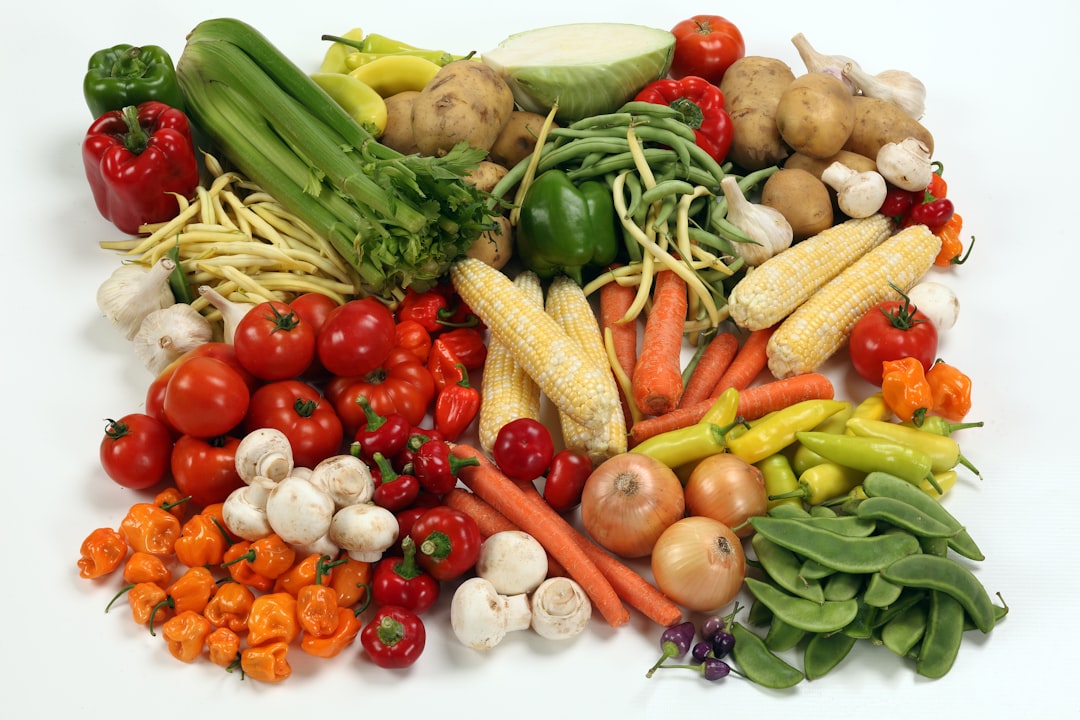
Nutrition was where I learned the most. The diet quality score the researchers used wasn’t about counting calories or macros—it was about food diversity and nutrient density. More fruits, vegetables, whole grains, nuts, and legumes. Less processed food, sugar, and red meat. I’ve been eating this way for years, but the SPAN framework pushed me to be more consistent and more diverse. Instead of eating the same five healthy meals on repeat, I forced myself to try three new vegetables each week. I added berries to my breakfast rotation, swapped white rice for quinoa or farro, and started sneaking extra vegetables into dishes where they didn’t traditionally belong.
By the end of month one, I was hitting all three SPAN targets about 70% of the time. That felt like a solid foundation. But something unexpected happened in month two that really shifted my thinking. I had a terrible week—work stress, family obligations, the kind of chaos that makes health habits collapse. Pre-SPAN experiment, I would have abandoned the project entirely until life calmed down. Instead, I just aimed for partial credit. Some days I only managed 30 minutes of exercise instead of 42. Some nights I only got 6.5 hours of sleep. But I didn’t abandon the framework, and that’s when I realized something profound: partial SPAN is still infinitely better than no SPAN.
Month two was also when the subjective benefits became undeniable. My recovery between workouts improved dramatically. I’d expected better sleep to help, but I hadn’t anticipated how much the consistent moderate exercise would boost my energy and mood. The afternoon slump that plagued me for years—especially in winter—became a non-issue. I felt more resilient to stress, both physical and mental. Small setbacks that would have derailed my day before suddenly felt manageable. And perhaps most surprisingly, my decision-making around food changed. When I was sleeping and moving enough, I stopped craving the sugary comfort foods that used to derail my nutrition on stressful days. This recovery improvement mirrors what I discovered when building a comprehensive recovery stack—sleep and consistent movement are the foundation that makes everything else work better.
By month three, hitting the SPAN targets had become automatic rather than aspirational. I’d developed systems that worked with my life instead of against it. The bedtime alarm was non-negotiable. My exercise sessions were scheduled like meetings. And my nutrition had evolved from something I thought about into something I just did. The most significant insight from this entire experiment wasn’t that I could hit the SPAN formula—it was that doing so felt less like restriction and more like liberation. I had more energy, better focus, improved physical performance, and a genuine sense that I was investing in my future self rather than just surviving the present.
The Tools That Made SPAN Sustainable

This experiment required some gear and systems to make sustainable. Not because the research demands fancy equipment, but because building consistent habits in real life often demands removing friction. Here’s what I added to make the SPAN formula workable:
Sleep optimization: I committed to the Oura Ring Gen3 Heritage, which tracks sleep stages, HRV, and overall sleep quality with impressive accuracy. Unlike many sleep trackers that just tell you how long you slept, Oura helps you understand sleep architecture—how much time you’re spending in deep, restorative sleep versus light sleep. The morning readiness score became invaluable for deciding training intensity. Days with low readiness? I’d dial back to Zone 2 cardio or mobility work. High readiness days? That’s when I pushed harder. This feedback loop prevented the overtraining that used to plague me and made the 42-minute exercise target feel sustainable rather than draining.
Exercise consistency: I built a home gym setup that eliminated excuses. The core is a TRX All-In-One Home Gym System, which delivers full-body strength and cardio workouts with minimal equipment. I paired this with Fit Simplify Resistance Loop Exercise Bands for accessory work and active recovery. Having quality equipment at home meant I could knock out 30-45 minutes of exercise before breakfast, during lunch breaks, or after work without commuting to a gym. For cardio days, I used a Garmin Forerunner 265 to track heart rate zones, ensuring my moderate-to-vigorous minutes actually counted toward the SPAN total. The watch also tracks stress and sleep, creating a comprehensive picture of how the three SPAN pillars interact for me personally.
Nutrition upgrades: I’ve always been decent about eating vegetables, but the diet quality score pushed me toward more variety and consistency. I added a Vitamix Explorian E310 Blender to my kitchen, which made it easy to whip up nutrient-dense smoothies packed with spinach, berries, nuts, and seeds. A NutriBullet Pro+ Personal Blender handled single-serve blends for busy mornings. I also invested in Pyrex Freshlock Glass Food Storage Containers to batch cook diverse vegetables and whole grains on Sundays, ensuring I had healthy options ready even on chaotic weeknights. The key insight was that nutrition quality isn’t just about what you avoid—it’s about what you actively include. More colors, more plants, more diversity.
One addition that surprised me: a Hydro Flask Water Bottle with time markers. Hydration isn’t directly in the SPAN formula, but it affects everything—sleep quality, exercise performance, even food cravings. Having a visual reminder to drink water throughout the day made a bigger difference in how I felt than I expected. Dehydration masquerades as fatigue, and once I fixed that, the other SPAN pillars became easier to sustain.
What the Research Gets Right (and Where It Falls Short)
After three months of living the SPAN formula, here’s my assessment: the research is directionally brilliant but practically incomplete. The numbers are solid—7.2 hours of sleep, 42 minutes of exercise, a diet quality score of 58. These targets are achievable for most people with some intentionality and system-building. But what the study doesn’t fully address is the social and emotional dimension of longevity. You can hit all the SPAN targets and still be lonely, stressed, and unfulfilled—and those factors impact health outcomes too.
I noticed that the weeks when my social connections were strong and my stress management was on point felt dramatically better than weeks when I was isolated or overwhelmed, even if my SPAN numbers were identical. The research is clear that SPAN adds nearly a decade to your life, but quality of life matters too. Sleep, exercise, and nutrition create the foundation for vitality, but relationships, purpose, and joy are what make those extra years worth living.
Another caveat: the SPAN formula assumes a certain baseline of health and mobility. For someone dealing with chronic pain, injuries, or significant health challenges, 42 minutes of daily moderate-to-vigorous exercise might not be realistic—at least not initially. The beauty of the minimum effective dose finding is that you can start small and build. Five extra minutes of sleep, two more minutes of movement, half a serving more vegetables. Small wins accumulate. Longevity is a marathon, not a sprint, and the tortoise who builds sustainable habits beats the hare who burns out trying to hit perfect numbers immediately.
The research also doesn’t fully address individual variation. Some people naturally need more than 8 hours of sleep. Others thrive on less. Some athletes can handle significantly more exercise volume. The SPAN targets are averages from a massive dataset, which makes them an excellent starting point but not necessarily your personalized optimal formula. That’s where tracking and experimentation come in. I’ve learned that I personally feel best with 8.5 hours of sleep and closer to 50 minutes of daily exercise. Your sweet spot might be slightly different. The framework is solid; the specifics deserve personal experimentation.

Building Your SPAN System
If you’re intrigued by the SPAN research but feeling overwhelmed about where to start, here’s the approach I recommend based on my three-month experiment. Don’t try to hit all three targets perfectly from day one. That’s a recipe for burnout. Instead, pick one pillar to focus on each week, build a sustainable system, and layer in the next target once the first feels automatic.
Week one: Sleep. Set a bedtime alarm that ensures you can get 7.5 hours of sleep. Create a wind-down routine that signals to your body it’s time to rest. Your bedroom should be cool, dark, and quiet. If noise or light pollution is an issue, invest in blackout curtains and a white noise machine. Consistency matters more than perfection—hit your bedtime 80% of the time and you’re winning.
Week two: Exercise. Start with 30 minutes daily rather than jumping straight to 42. Focus on consistency over intensity initially. Morning walks, lunchtime cycling sessions, evening strength workouts—whatever fits your schedule and preferences. Once 30 minutes feels automatic, increase to 35, then 40, then 42. The goal is sustainable movement every day, not occasional heroic efforts followed by burnout. I’ve found that mixing cardio and strength training, as I explored when training like a fighter, keeps the routine engaging while hitting the moderate-to-vigorous intensity target consistently.
Week three: Nutrition. Rather than overhauling your diet overnight, aim for diet quality upgrades. Add one serving of vegetables to lunch and dinner. Swap one processed snack for whole food options. Try one new plant-based recipe each week. Diversity matters as much as quantity—eating the same healthy meal every day might hit basic nutrition targets, but variety delivers broader phytonutrient benefits.
Week four: Integration. By now, you should be hitting all three targets at least 70% of the time. Review your week, identify friction points, and optimize your systems. Maybe you need meal prep Sundays to nail nutrition. Maybe you need to shift your workout to morning when you’re less likely to skip it. Maybe you need an earlier bedtime alarm because you consistently stay up too late. Systems beat willpower every time.
From there, it’s about refinement and personalization. Track how you feel when you hit all three targets versus when you miss one or two. Notice your energy levels, your mood, your physical performance, your cognitive function. The SPAN formula is based on population-level research, but your body will give you feedback about what works best for you specifically. Pay attention to that feedback and adjust accordingly.

The Bigger Picture: SPAN as a Foundation, Not the Whole Story

Three months into living the SPAN formula, I’m convinced that this research represents a genuine breakthrough in longevity science. The specificity—exact hours of sleep, precise minutes of exercise, quantified diet quality—makes vague health advice actionable. And the finding that small, incremental changes provide measurable benefits makes longevity achievable for real people with real lives. You don’t need to quit your job, move to a monastery, and spend three hours a day meditating to add years to your life. You need adequate sleep, consistent movement, and nourishing food. That’s it.
But here’s what I want you to remember: SPAN is the foundation, not the entire house. Sleep, physical activity, and nutrition create the biological conditions for longevity. But relationships, purpose, joy, and stress management create the psychological and emotional conditions for a life worth extending. The research is clear that hitting the SPAN targets adds nearly a decade to your life. What’s less quantifiable but equally important is what you DO with those extra years. Loneliness, chronic stress, and existential emptiness will shorten your healthspan even if you’re hitting all your SPAN targets perfectly.
The beauty of the SPAN framework is that it builds resilience. When you’re well-rested, physically capable, and properly nourished, you have the energy and bandwidth to invest in relationships, pursue meaningful work, and engage with life fully. Longevity isn’t just about delaying death—it’s about extending vitality. And the SPAN formula gives you a concrete, evidence-based roadmap for doing exactly that.
Whether you’re twenty-five and building habits for the long haul, forty-five and realizing that middle age requires more intentional maintenance, or sixty-five and wanting to squeeze every drop of vitality out of your remaining years, the SPAN framework applies. The numbers might shift slightly based on your age, health status, and genetics, but the principles remain constant. Sleep enough. Move your body daily. Nourish yourself well. Do those three things consistently, and you’ve built the foundation for a longer, healthier, more vibrant life.
The research showed that the SPAN combination can add 9.35 years to your life. That’s nearly a decade. What would you do with an extra decade? More time with family and friends? More years pursuing passions and adventures? More opportunities to contribute and create? The formula is right there. The only question is whether you’ll use it.


2 Comments on “The SPAN Formula: How I Discovered the Exact Mix of Sleep, Exercise, and Nutrition That Adds 9 Years to Your Life”