Best Yoga Mats for 2026: Complete Guide to Finding Your Perfect Mat
I’ll be honest: when I started practicing yoga regularly back in 2019, I bought the cheapest mat I could find online. Big mistake. Within two weeks, that paper-thin mat was sliding across my floor during downward dog, bunching up in plank pose, and leaving me wondering how anyone could actually enjoy this practice. Fast forward to today, and after testing dozens of mats over thousands of hours of practice—from hot yoga classes that leave pools of sweat on the floor to restorative sessions where comfort is everything—I’ve learned that the right mat doesn’t just make yoga more pleasant; it fundamentally transforms your practice.
The yoga mat market has exploded in recent years, and 2026 brings more options than ever before. From ultra-thick mats that feel like practicing on clouds to high-tech surfaces that grip better the more you sweat, there’s a perfect match for your practice style, body type, and budget. But here’s the thing: there’s no single “best” yoga mat for everyone. The mat that works beautifully for your Instagram yogi friend might be completely wrong for you. After years of testing and helping friends find their ideal mats, I’ve developed a framework for matching the right mat to the right person, and I’m sharing everything I’ve learned to help you skip the trial-and-error phase I went through.
Why Your Yoga Mat Actually Matters
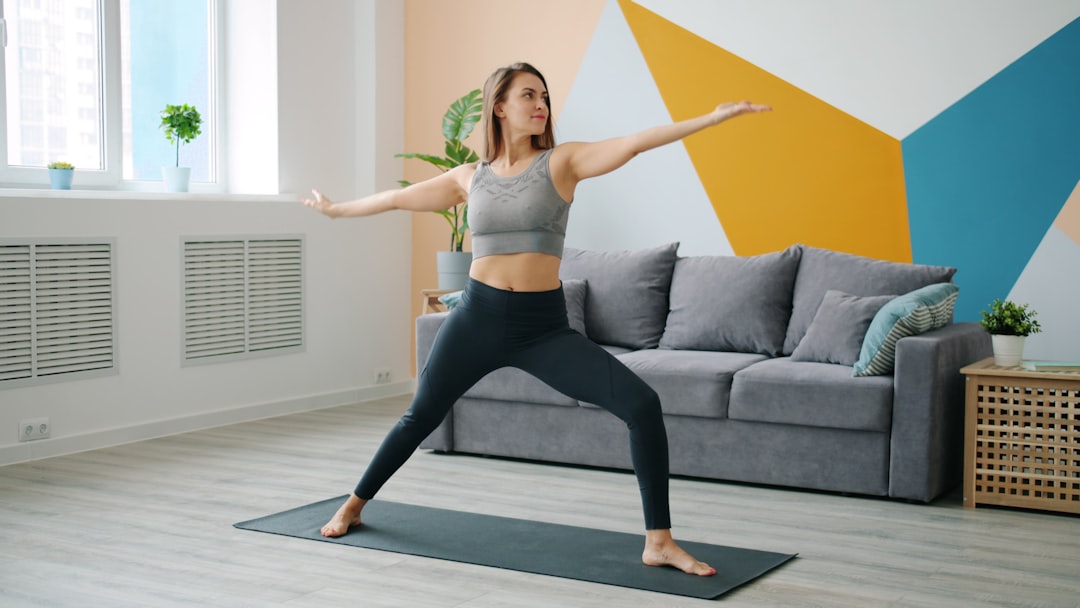
Before we dive into specific recommendations, let’s talk about why your mat choice matters so much. A quality yoga mat does more than just provide a cushion between you and the floor—it creates stability, prevents injuries, and can actually deepen your practice. When you’re not worried about sliding out of warrior II or your knees hurting in lunges, you can focus on what really matters: breath, alignment, and the mental aspects of yoga that keep us coming back to our mats day after day.
The right mat provides three crucial things: grip (so you don’t slip and slide), cushioning (to protect your joints during floor poses), and stability (so the mat stays put rather than bunching up). Cheap mats typically fail at all three, which is why so many people quit yoga early thinking they’re just “not flexible enough” when really, they were fighting their equipment the whole time. Quality non-slip yoga mats make an immediate difference from your very first practice.
I’ve also found that the right mat becomes a ritual object—a dedicated space that signals to your brain that it’s time to practice. There’s something powerful about unrolling your mat and settling into that familiar surface. It’s one reason I recommend having your own mat rather than using studio rentals: your mat holds your energy and practice history, making it easier to drop into a meditative state quickly.
Understanding Yoga Mat Types: What’s Right for Your Practice?
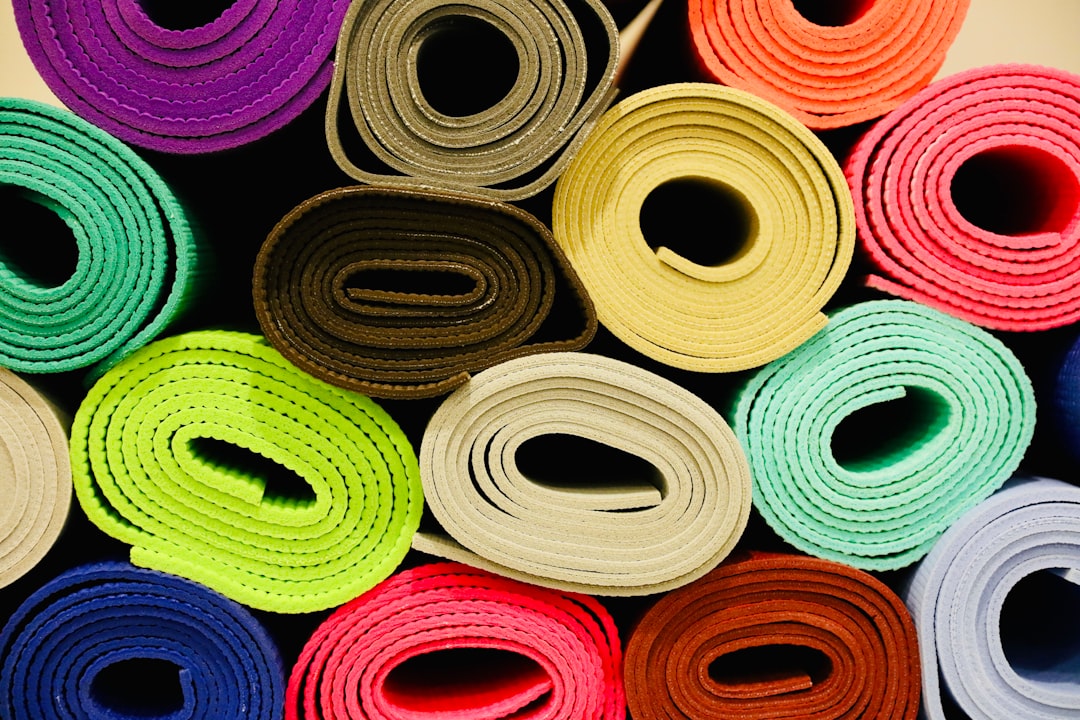
Not all yoga mats are created equal, and understanding the different categories will help you narrow down your options quickly. Let me break down the main types you’ll encounter in 2026.
Standard PVC Mats: These are the most common and affordable option. Made from polyvinyl chloride, they offer decent grip and cushioning but vary widely in quality. Budget PVC mats tend to wear out quickly, lose grip over time, and can have a strong chemical smell initially. Premium versions (like the Manduka PRO) use higher-quality PVC that lasts for years and provides excellent stability. If you’re practicing Hatha, Vinyasa, or general fitness yoga, a quality PVC mat might be all you need. 6mm PVC yoga mats offer the thickness most practitioners prefer.
Natural Rubber Mats: These offer superior grip, especially when you’re sweating, and are more eco-friendly than PVC. The trade-off? They’re heavier, more expensive, and some people are sensitive to rubber allergies. Natural rubber mats excel in hot yoga and intense Vinyasa practices where grip matters most. They also tend to be more durable than PVC, lasting many practitioners 5+ years with regular use. I love how natural rubber mats seem to grip better the more you sweat—the opposite of cheaper mats that become slippery when wet.
Thermoplastic Elastomer (TPE) Mats: TPE is a newer material that’s become increasingly popular as a more eco-friendly alternative to PVC. These mats are lightweight, affordable, and free from many concerning chemicals found in traditional PVC mats. They’re great for travel and gentle practices like Yin or restorative yoga. However, TPE mats typically offer less cushioning and may not be as durable as rubber or premium PVC options. Eco-friendly TPE mats are perfect if sustainability is a priority and you practice gentle styles.
Cork and Rubber Mats: These feature a cork surface layered over a rubber base, offering antimicrobial properties and excellent grip—cork actually becomes grippier when wet. These are fantastic for hot yoga where sweat is inevitable, and the natural materials appeal to environmentally-conscious practitioners. The cork surface feels warm and natural underfoot, and I’ve found these mats particularly nice for longer holds in Yin yoga where you’re in contact with the mat for extended periods.
My Top Yoga Mat Picks for 2026
After extensive testing across different yoga styles, body types, and practice environments, here are the mats that consistently impressed me. I’m not just going to list the most expensive options—I’ve included choices across price points because the best mat for you is the one that fits your budget AND your practice needs.
Best Overall: Manduka PRO Yoga Mat
The Manduka PRO has earned its legendary status, and after using it for over two years as my daily practice mat, I completely understand the hype. This 6mm thick mat provides unparalleled cushioning for your joints while maintaining enough density for stability during balance poses. The closed-cell surface prevents sweat from seeping into the mat (which can cause bacteria buildup and unpleasant odors), and the grip is excellent right out of the box—no break-in period required.
What truly sets the PRO apart is its durability. This mat comes with a lifetime guarantee, and I believe it. Mine still looks nearly new after daily use for two years, with no visible wear, no peeling, and no loss of grip. The fabric-like surface feels comfortable against bare skin, and the mat stays flat without curling at the edges—a common annoyance with cheaper mats. At around $100-120, it’s an investment, but when you amortize that cost over years of daily use, it’s actually one of the most economical options available. Find current Manduka PRO pricing.
The one downside? Weight. At about 7 pounds, this isn’t the mat you’ll want to carry to class every day if you walk or bike to the studio. But for home practice or practitioners who don’t mind the heft, the PRO is unmatched in quality and longevity.
Best for Hot Yoga: Liforme Yoga Mat
If you practice Bikram, hot Vinyasa, or any style where you’re dripping sweat within minutes, the Liforme is absolutely worth the investment. This natural rubber mat features a unique alignment marker system that’s actually helpful—subtle lines and markers that help you check your positioning without being distracting during practice. But what really makes the Liforme special is the grip, which is frankly incredible even when you’re sweating profusely.
The surface texture provides just the right amount of traction—not so sticky that it’s hard to transition between poses, but grippy enough that you feel completely secure in challenging balances. The mat is biodegradable and made from natural rubber, appealing to environmentally-conscious practitioners. At 4.2mm thick, it’s thinner than the Manduka PRO but still provides adequate joint protection for most practitioners. Shop Liforme yoga mats.
Like the Manduka PRO, the Liforme is on the heavier side (about 5.5 pounds) and represents a significant investment at around $140. But for serious hot yoga practitioners, the grip performance alone justifies the price. I’ve used this mat in 105-degree Bikram classes where other mats were turning into slip-n-slides, and I never once felt unstable.
Best Budget Option: BalanceFrom GoYoga Mat
I know not everyone can justify spending over $100 on a yoga mat, and honestly, you don’t have to. The BalanceFrom GoYoga mat delivers impressive performance for under $30, making it accessible to beginners and budget-conscious practitioners alike. At 6mm thick with high-density foam cushioning, this mat provides joint protection that rivals mats costing three times as much.
The surface features a non-slip texture that performs well in dry conditions, though it doesn’t match premium mats in sweaty scenarios. The two-toned design is attractive, and the mat includes a carrying strap—which may seem minor but is surprisingly absent from many premium options. I’ve recommended this mat to dozens of friends just starting their yoga journey, and the feedback has been consistently positive: it’s comfortable, stable enough for learning proper alignment, and doesn’t break the bank. Check BalanceFrom mat prices.
The trade-offs at this price point? Durability. This mat will likely need replacement after a year or two of regular use, whereas premium options can last a decade. The grip also isn’t as reliable when you’re really sweating. But for beginners, occasional practitioners, or anyone on a tight budget, the BalanceFrom GoYoga is an excellent entry point that won’t hold you back as you develop your practice.
Best for Travel: JadeYoga Travel Mat
For practitioners who practice on the go—whether you’re traveling for work, heading to a studio after the office, or just want something lighter than your main mat—the JadeYoga Travel Mat is a game-changer. At just 1/8 inch thick and weighing under 2 pounds, this mat rolls up compactly and slips easily into a suitcase or tote bag. Despite its thin profile, it still provides enough grip for a solid practice, thanks to Jade’s signature natural rubber surface.
What I love most about this travel mat is that it doesn’t feel like a compromise—it’s genuinely grippy and pleasant to practice on, just thinner than full-sized mats. The natural rubber provides excellent traction even in humid conditions, which is often a concern when practicing in hotel rooms or unfamiliar spaces. JadeYoga is also committed to sustainability, using no PVC in their mats and manufacturing in the United States under strict environmental standards. Find JadeYoga travel mats.

The obvious limitation is cushioning—this mat isn’t suitable for Yin yoga or practices with lots of time on the floor if you have sensitive joints. But as a secondary mat for travel or as a primary mat for practitioners who prefer a thin, grounded feel, the Jade Travel Mat is exceptional.
Best Eco-Friendly Option: CorkYoga Cork Mat
For environmentally-conscious practitioners who want natural materials without compromising performance, CorkYoga’s cork mat is a standout choice. The top surface is made from sustainably harvested cork, which provides antimicrobial properties and grip that actually improves when wet (hello, hot yoga practitioners). The bottom layer is natural rubber for stability and floor grip, creating a mat that’s both functional and eco-friendly.
What I find special about practicing on cork is the warmth and natural feel—it’s not synthetic or plastic-like at all. The mat is naturally antimicrobial, which means it resists bacteria and odors even after intense sweaty practices. At 5mm thick, it provides good joint protection without being squishy, and the texture is gentle on bare skin. The cork surface is also naturally slip-resistant, providing security in balancing poses without that sticky feeling some synthetic mats have. Shop cork yoga mats.
Cork mats do require some care—they’re not as durable as synthetic options and can show wear more quickly. The natural material also has more variation in appearance, which some practitioners love and others find inconsistent. But if sustainability and natural materials are priorities for you, cork mats offer a beautiful blend of eco-consciousness and performance.
Essential Yoga Accessories to Elevate Your Practice
While your mat is the foundation of your practice, a few well-chosen accessories can dramatically enhance your experience—especially if you’re working with tightness, injuries, or just want to explore deeper expressions of poses. Here’s what I’ve found essential after years of practice:
Yoga Blocks: I resisted using blocks for years, thinking they were somehow “cheating.” What I didn’t realize is that blocks are tools for proper alignment, not crutches. In poses like triangle or extended side angle, a block under your lower hand allows you to maintain a straight spine and open your chest rather than collapsing to reach the floor. Two blocks are ideal—I recommend foam for comfort and cork for stability. Find yoga block sets that include both materials.
Yoga Strap: Essential for practitioners with limited flexibility, straps help you reach limbs that aren’t quite there yet while maintaining proper alignment. I use mine constantly for hamstring stretches, shoulder opening, and binding poses where my hands don’t yet meet. A 6-8 foot strap with a quick-release buckle is versatile and easy to adjust mid-practice.
Bolster: If you practice restorative or Yin yoga, a bolster is absolutely worth the investment. These firm pillows support your body in long-held poses, allowing for deep relaxation and release. I use mine for supported fish pose, legs-up-the-wall with extra height under my pelvis, and reclined hero pose. Even in active practices, a bolster can provide support for gentler variations of challenging poses. Shop yoga bolsters.
Yoga Blanket: A simple Mexican-style yoga blanket is incredibly versatile: use it for extra padding under knees in lunges, as support in restorative poses, or even as a warm layer for final savasana. I keep two in my practice space and use them in nearly every session, especially during colder months when my joints need more warmth to open safely.
Mat Cleaner: If you’re investing in a quality mat, protect that investment with proper cleaning. Natural rubber mats especially benefit from regular cleaning with a gentle, non-alcohol-based cleaner to preserve the grip and prevent breakdown. I clean my mat about once a week with a dedicated yoga mat spray, and wipe it down with a damp cloth after particularly sweaty practices. Find natural yoga mat cleaners.
Finding Your Perfect Match: A Decision Framework
After all this testing and research, I’ve developed a simple framework for choosing the right mat based on your specific needs. Here’s how to find your perfect match:
Your Yoga Style: Hot yoga and intense Vinyasa practitioners need maximum grip—prioritize natural rubber or cork surfaces. Gentle Hatha, Yin, and restorative practitioners can prioritize cushioning over grip. If you practice multiple styles, consider having two mats: a premium rubber mat for sweaty practices and a thicker, more comfortable mat for gentle work.
Your Joint Sensitivity: If you have sensitive knees, wrists, or a history of injuries, opt for thicker mats (6mm+) with dense cushioning. Thinner mats provide more grounding but may be uncomfortable during long holds on the floor. I’ve found that practitioners under 150 pounds typically do fine with standard 4-5mm thickness, while heavier practitioners or those with joint issues benefit from the extra padding of 6mm+ mats.
Portability Needs: If you carry your mat to class regularly, weight becomes a significant factor. Premium mats often weigh 5-7 pounds, which adds up if you’re walking or biking to the studio. Travel mats weigh under 2 pounds but sacrifice cushioning. Consider a lighter mat for studio classes and a thicker mat for home practice.
Budget Reality: Be honest about what you can afford, but also view mats as an investment. A $120 mat that lasts 5 years costs $24 per year, while a $30 mat you replace annually costs $30 per year—and the premium mat provides better performance throughout its lifespan. That said, there are excellent budget options that will serve you well as you develop your practice.
Environmental Concerns: If sustainability matters to you, prioritize natural rubber, TPE, or cork mats over PVC. Research the company’s manufacturing practices and environmental commitments. Some brands, like Manduka, now offer eco-friendly versions of their classic mats made from recycled materials.

Caring for Your Yoga Mat: Making It Last
Once you’ve found your perfect mat, proper care will extend its life significantly. Here’s what I’ve learned from keeping my mats in great condition for years:
Cleaning Routine: Wipe down your mat after each practice, especially after sweaty sessions. For a deeper clean, use a dedicated yoga mat cleaner or a solution of water and mild soap. Avoid harsh chemicals, bleach, or alcohol-based cleaners, which can break down natural rubber over time. Let your mat air dry completely before rolling it up—rolling a damp mat creates the perfect environment for bacteria and mold growth.
Storage: Store your mat unrolled or loosely rolled when not in use. Keeping it tightly rolled for extended periods can create permanent creases and affect the flatness. If you must roll it, roll it with the top surface facing out to prevent the edges from curling. Keep your mat away from direct sunlight and extreme temperatures, which can degrade both natural and synthetic materials.
Breaking In: Some mats, particularly premium PVC options like the Manduka PRO, have a break-in period. The surface may feel slightly slippery initially. This is normal and improves with use. You can accelerate the process by practicing on the mat regularly and giving it a gentle scrub with a soft brush and mild soap. Most mats reach their optimal grip after 2-4 weeks of regular use.
When to Replace: Even the best mats eventually wear out. Signs it’s time to replace include visible wear (flaking, peeling, thinning), persistent odor even after cleaning, loss of grip that affects your practice safety, or compression that creates uneven surfaces. Practicing on a worn-out mat isn’t just less enjoyable—it can be dangerous if you’re slipping on deteriorating material.
My Final Thoughts: The Right Mat Supports Your Journey
After thousands of hours on dozens of different mats, I’ve come to believe that your yoga mat is more than equipment—it’s a partner in your practice. The right mat disappears beneath you, allowing you to focus entirely on breath, movement, and the inner work that brings us to yoga day after day. The wrong mat becomes a constant distraction, pulling you out of the moment with slipping, discomfort, or frustration about your equipment.
What matters most isn’t finding the “best” mat by some objective standard—it’s finding the mat that supports YOUR practice, YOUR body, and YOUR budget. That might be a $140 Liforme if you’re a serious hot yoga practitioner who wants the ultimate grip experience. It might be a $25 BalanceFrom mat if you’re just starting your yoga journey and not ready to make a major investment. Both are valid choices when matched to the right practitioner.
The mat I use most often is still my Manduka PRO, which has traveled with me through two home moves, countless workshops, and more personal growth than I can quantify. Unrolling it signals to my body and mind that it’s time to turn inward, to breathe, to be present. That ritual, that connection to a specific surface, is part of what keeps me coming back to my practice day after day.
Your perfect yoga mat is out there. Use the framework I’ve shared to narrow down your options based on your practice style, body, and budget. Then make a choice and commit to it—unroll that mat regularly, even on days when you don’t feel like it, and let your practice unfold. The mat is just a tool, but having one that supports rather than hinders your practice makes the journey that much sweeter.
Ready to find your perfect match? Explore premium yoga mats and discover which one resonates with you. Your practice will thank you.



One comment on “Best Yoga Mats for 2026: Complete Guide to Finding Your Perfect Mat”