Why Kettlebells Deserve a Spot in Your Home Gym
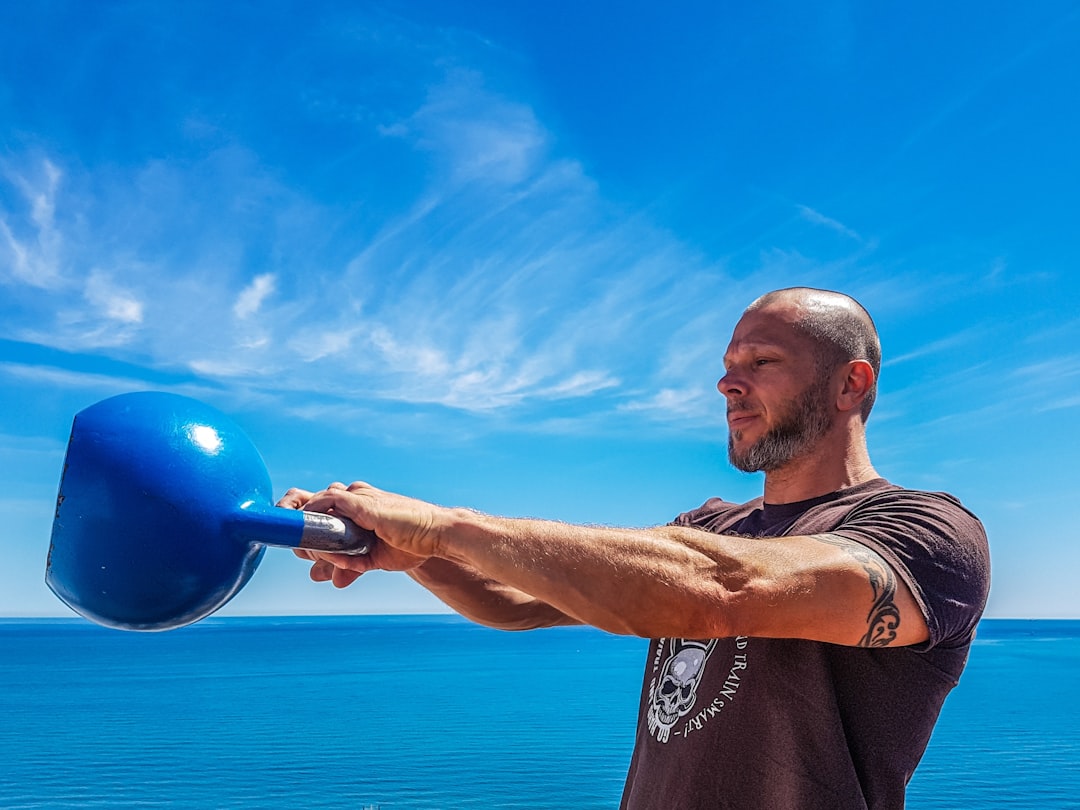
I’ll be honest: when I first started working out at home, kettlebells intimidated me. They looked like cannonballs with handles, and I had no idea how to use them properly. But after months of resistance training with dumbbells and bodyweight exercises, I decided to give kettlebells a try—and I’m so glad I did. These versatile cast-iron bells have transformed not just my strength, but my entire approach to functional fitness.
What makes kettlebells different from traditional dumbbells? It’s all about the offset center of mass. Unlike dumbbells, where the weight is evenly distributed on both sides, kettlebells have their center of mass extended beyond your hand. This unique design creates an unstable load that forces your stabilizer muscles to work overtime, improving grip strength, core stability, and functional power in ways that traditional weights can’t match. A study in the Journal of Strength and Conditioning Research found that kettlebell training produces similar strength gains to free weights while significantly improving cardiovascular fitness—talk about a two-for-one workout.
Kettlebells are also incredibly efficient. With just one or two bells, you can train every major muscle group, get a cardiovascular workout, and improve mobility all at once. They’re perfect for small spaces, travel (try tossing a dumbbell in your suitcase), and anyone who wants maximum results with minimal equipment. Shop for kettlebells and discover why these simple tools have been used for centuries by strongmen and athletes alike.
Understanding Kettlebell Weights: A Beginner’s Guide
Before diving into specific recommendations, it’s crucial to understand how kettlebell weights work. Unlike dumbbells, where you might progress in 2-5 pound increments, kettlebells typically come in larger jumps. Here’s the standard weight progression for most brands:
Women typically start with:
– 8kg (roughly 18lbs): Light warm-ups, mobility work
– 12kg (roughly 26lbs): Starting point for most exercises
– 16kg (roughly 35lbs): Intermediate level for two-handed swings
– 20kg (roughly 44lbs): Advanced two-handed work
Men typically start with:
– 12kg (roughly 26lbs): Light warm-ups, technique work
– 16kg (roughly 35lbs): Starting point for most exercises
– 20kg (roughly 44lbs): Intermediate level
– 24kg (roughly 53lbs): Advanced single-arm work
These are general guidelines—your starting weight depends on your current strength, training experience, and the specific exercise. I always recommend starting lighter than you think you need. There’s no shame in using a lighter bell while you master proper form. In fact, I’ve seen too many people grab a heavy kettlebell, use terrible technique, and end up injured. Browse beginner kettlebell sets to find the right starting weight for your fitness level.
Best Kettlebells for 2026: My Top Picks After Extensive Testing
Over the past six months, I’ve tested numerous kettlebell brands and styles. Here are the options that consistently delivered on quality, durability, and performance.
Best Overall: Rogue Fitness Kettlebells
Rogue Fitness has earned its reputation as the go-to brand for serious strength enthusiasts, and their kettlebells live up to the hype. These single-piece cast iron bells have a smooth, powder-coated finish that provides excellent grip without being too rough on your hands. What sets Rogue apart is their quality control—each kettlebell is precisely calibrated to its stated weight, so you know you’re getting exactly what you pay for.
The handle design is where Rogue really shines. It’s wide enough to accommodate two hands for swings but narrow enough for comfortable single-arm work. The window (the space between the ball and the handle) is sized perfectly for both clean snatch and racking positions. I’ve been using my Rogue bells for daily workouts for over a year, and they show virtually no signs of wear. These are investment pieces that will last a lifetime. Check out Rogue Fitness kettlebells and see why they’re my top recommendation.
Best Budget Option: CAP Barbell Cast Iron Kettlebells
If you’re just starting out or building a home gym on a budget, CAP Barbell delivers solid quality at an unbeatable price point. These classic cast iron bells have a wide, slightly textured handle that provides good grip. While they don’t have the polished finish of premium brands, they get the job done perfectly well.
What I love about CAP kettlebells is their availability—you can find them at most sporting goods stores and online retailers, making it easy to build a collection over time. They’re also single-piece construction, meaning no welded handles that can break under stress. For under $30 for most weights, these are perfect for beginners who want to try kettlebell training without breaking the bank. Explore CAP Barbell kettlebells for an affordable starting point.
Best Premium Option: Kettlebell Kings Powder Coat Kettlebells
If you want the absolute best kettlebell money can buy, Kettlebell Kings is worth the investment. Their powder-coated bells feature an ultra-durable finish that provides exceptional grip even when your hands are sweaty. The texture is gritty enough for secure holds but smooth enough to prevent excessive callus formation.
What really sets Kettlebell Kings apart is their attention to detail. The handles are machined to precise specifications, ensuring consistent dimensions across all weight sizes. This means if you progress from a 12kg to a 16kg, the handle feels exactly the same in your hand—a small detail that makes a big difference when you’re learning new movements. Discover premium Kettlebell Kings for the ultimate training experience.
Best Adjustable Kettlebell: BowFlex SelectTech 840 Kettlebell
One of the biggest challenges with kettlebells is the space requirement—unlike adjustable dumbbells, traditional kettlebells don’t adjust. BowFlex solved this problem with their innovative SelectTech 840, which replaces six individual kettlebells (8, 12, 16, 20, 24, and 28 pounds) with a single compact unit.
The dial mechanism is smooth and secure, and I’ve never had it slip mid-workout. The weight selector is intuitive and can be adjusted between sets without needing to put the bell down. This is perfect for small apartments, anyone who travels with their equipment, or fitness enthusiasts who want to save space without sacrificing workout variety. While it only goes up to 28 pounds (great for beginners and intermediate exercisers), it covers the most commonly used weights for most people. See the BowFlex adjustable kettlebell and save space without limiting your workouts.
Best for Competition Style: Kettlebell Kings Competition Kettlebells
If you’re serious about kettlebell sport or just prefer the competition style, these bells are worth considering. Unlike traditional kettlebells, where the size increases with weight, competition kettlebells maintain the exact same dimensions regardless of weight. This consistency means your technique doesn’t change as you progress to heavier bells.
The competition style features a larger handle diameter and smoother, more polished steel finish. While this can be harder to grip initially, it forces you to develop true grip strength rather than relying on texture. These are the bells used in official kettlebell sport competitions, making them ideal if you plan to compete or want to train with competition-standard equipment. Shop competition-style kettlebells for authentic sport training.
Essential Kettlebell Exercises for Beginners
Once you have your kettlebell, it’s time to learn the fundamental movements. These five exercises form the foundation of an effective kettlebell training program. I recommend starting with two to three sessions per week, focusing on technique over intensity until you’ve mastered the basics.
The Kettlebell Swing: The King of Kettlebell Exercises
The two-handed swing is the foundational kettlebell movement and for good reason. It’s a full-body exercise that builds explosive hip power, strengthens your posterior chain, and provides cardiovascular benefits all in one movement. But here’s the thing: most people do it wrong. A proper swing is a hinge movement, not a squat. Think of it as a horizontal jump with your feet glued to the floor.
Start with the kettlebell on the floor about a foot in front of you. Hinge at your hips (bend knees slightly, but keep shins vertical) and grasp the handle with both hands. Hike the bell back between your legs like you’re snapping a football, then explosively extend your hips to stand tall, squeezing your glutes at the top. The bell should float up from the momentum of your hip drive—not from lifting with your arms. Let it swing back down between your legs, and repeat. Start with 3 sets of 10-15 reps, focusing on power and hip snap rather than height.
The Goblet Squat: Building Lower Body Strength
The goblet squat is one of the best ways to learn proper squat mechanics while building leg and core strength. Hold the kettlebell by the “horns” (the sides of the handle) close to your chest, with elbows pointing down. Stand with feet slightly wider than shoulder-width, toes turned out slightly.
Initiate the squat by pushing your hips back and down, keeping your chest upright and weight in your heels. Descend until your elbows touch your knees (or as low as comfortable while maintaining form), then drive through your heels to stand back up. The kettlebell acts as a counterweight, helping you maintain an upright torso and deep squat position. Aim for 3 sets of 8-12 reps.
The Turkish Get-Up: Total Body Stability and Control
The Turkish get-up (TGU) might look intimidating, but it’s one of the most valuable exercises for building shoulder stability, core strength, and body awareness. It’s a complex movement that takes time to learn, so I recommend starting with just the first few steps and progressing gradually.
Start lying on your back, holding the kettlebell in your right hand, arm extended toward the ceiling. Bend your right knee and plant your foot. Press the bell up, keeping your arm vertical throughout the entire movement. Use your left arm to prop yourself up as you roll onto your left forearm, then hand, then lift your hips off the ground. Sweep your left leg under your body and come to a tall kneeling position. Stand up, then reverse the movement to return to the starting position. This is complex—watch videos and practice each segment separately before attempting the full movement. Do 2-3 reps per side.
The Single-Arm Press: Building Upper Body Strength
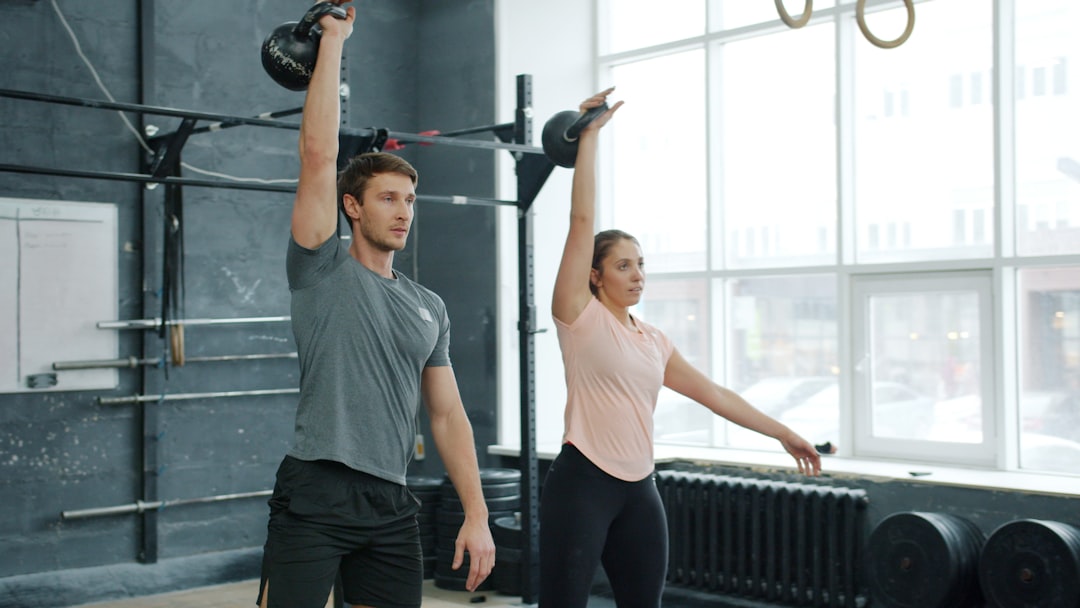
The single-arm press is fantastic for building shoulder strength and stability while engaging your core for balance. Clean the kettlebell to the “rack” position (resting on the back of your forearm, against your chest). Press the bell overhead until your arm is fully extended, then lower with control.
What makes the single-arm press different from dumbbell presses is the offset center of mass. You’ll need to fight to keep the bell stable, engaging your stabilizer muscles throughout. Keep your core tight, don’t arch your back, and press in a straight line. Start with 3 sets of 6-8 reps per arm.
The Kettlebell Deadlift: Foundation for Safe Loading
Before you attempt swings, you should master the deadlift. This movement teaches proper hip hinge mechanics and builds the posterior chain strength necessary for more dynamic exercises. Stand with feet hip-width, kettlebell on the floor between your feet.
Hinge at your hips (bend knees slightly but keep shins vertical) and grasp the handle with both hands. Drive through your heels to stand up straight, squeezing your glutes at the top. The movement should be powered by your hips, not your arms. Lower with control and repeat. Think about pushing the floor away rather than lifting the weight. Do 3 sets of 8-10 reps.
Complete Kettlebell Workout for Beginners
Here’s a comprehensive 25-minute routine you can do with a single kettlebell. Perform each exercise for the prescribed reps, resting 60-90 seconds between sets. Focus on form over speed—kettlebell training is about quality of movement, not how fast you can complete the workout.
Warm-up (5 minutes):
– Arm circles and shoulder rolls: 30 seconds each direction
– Hip circles: 30 seconds each direction
– Bodyweight squats: 15 reps
– Cat-cow stretches: 10 reps
Main Workout (3 rounds):
– Kettlebell deadlifts: 10 reps
– Goblet squats: 10 reps
– Single-arm presses: 6 reps per arm
– Two-handed swings: 15 reps
– Plank: hold 30 seconds
– Rest 60-90 seconds between rounds
Cool-down (5 minutes):
– Hip flexor stretches: 30 seconds per side
– Shoulder stretches: 30 seconds per side
– Child’s pose: hold 30 seconds
– Deep breathing: 1 minute
As you get stronger, increase the weight, add sets, or reduce rest time. The beauty of kettlebells is how easily you can progress using the same basic movements. Find kettlebell workout guides to expand your exercise library as you advance.
Choosing the Right Kettlebell Weight for You
Selecting the correct starting weight is crucial for safety and progress. Here’s my decision framework based on your fitness background and goals.
Complete Beginners: If you’re new to strength training entirely, start lighter than you think. Women: 8kg (18lbs) for most exercises, possibly 6kg (13lbs) for single-arm overhead work. Men: 12kg (26lbs) for most exercises, 8kg (18lbs) for overhead movements. Focus on mastering technique before progressing.
Weight Training Experience: If you’ve been training with dumbbells or machines, you can start slightly heavier. Women: 12kg (26lbs) as a starting point. Men: 16kg (35lbs) for most exercises. Remember that kettlebell movements feel different than dumbbell exercises—what you can curl or press doesn’t always translate to kettlebell swings.
Strength Athletes: If you’re already strong and comfortable with compound movements, you can start heavier. Women: 16kg (35lbs) for two-handed work. Men: 20-24kg (44-53lbs) for swings. However, even strong athletes should start lighter for overhead and single-arm movements.
Specific Exercise Considerations: You’ll likely need different weights for different exercises. A heavier bell for two-handed swings, a medium weight for goblet squats and presses, and a lighter weight for Turkish get-ups and single-arm work. This is why many kettlebell enthusiasts gradually build a collection of different sizes. Browse kettlebell sets to build your collection gradually.
Integrating Kettlebells with Your Current Training
You don’t have to choose between kettlebells and other training methods—the most effective programs incorporate multiple tools. Here’s how to seamlessly integrate kettlebells into whatever you’re already doing.
Combining Kettlebells with Barbells and Dumbbells
Kettlebells complement traditional weight training beautifully. Use kettlebells for warm-ups, mobility work, and explosive movements like swings, while saving your heaviest compound lifts (squats, deadlifts, bench press) for barbells. The unilateral nature of many kettlebell exercises helps address strength imbalances that might not be apparent with bilateral barbell movements.
I like to start my workout sessions with 5-10 minutes of kettlebell swings to activate my posterior chain and warm up my hips. Then I move into my main strength work with barbells or dumbbells, finishing with kettlebell core and stability exercises. This combination has significantly improved my overall strength and movement quality. Explore complete home gym setups that combine kettlebells with other equipment.
Kettlebells for Cardio and Conditioning
One of kettlebells’ greatest strengths is their ability to deliver both strength and cardiovascular benefits simultaneously. High-intensity kettlebell circuits can replace traditional cardio sessions while building functional strength. Try combining swings, goblet squats, and presses into a circuit with minimal rest for a heart-pumping workout that builds muscle.
I’ve found that kettlebell sport-style training (long sets of swings or snatches with fixed rest periods) dramatically improves my work capacity and conditioning. The unique combination of strength and cardio makes kettlebells perfect for anyone who wants efficient workouts that deliver maximum results in minimum time. Find kettlebell cardio programs to boost your conditioning.
Kettlebells for Mobility and Recovery
While kettlebells are primarily strength tools, they’re also fantastic for mobility work. Light kettlebells can be used for shoulder mobsiliations, hip openers, and thoracic spine extensions. The offset weight helps you sink deeper into stretches while maintaining stability.
I use a light kettlebell for my warm-up and cool-down routines, performing halos, around-the-worlds, and various mobility drills that keep my joints healthy and movement patterns smooth. This proactive approach to mobility has dramatically reduced my aches and pains and improved my overall movement quality. Shop mobility and recovery tools to complement your kettlebell training.
Kettlebell Safety: Avoiding Common Mistakes
Kettlebells are incredibly safe when used correctly, but like any strength training tool, they can cause injury if used improperly. Here are the most common mistakes I see and how to avoid them.
Mistake #1: Squatting Instead of Hinging
The kettlebell swing is a hinge movement, not a squat. When you squat, your knees bend significantly and your shins angle forward. When you hinge, your knees only bend slightly, and your shins stay vertical. If you’re doing swings and your quads are burning, you’re probably squatting. Focus on pushing your hips backward, not downward. Practice deadlifts before progressing to swings to master this pattern.
Mistake #2: Rounding Your Back
Rounding your spine under load is a recipe for injury, especially during dynamic movements like swings. Maintain a neutral spine by keeping your chest up and core braced. If you can’t maintain a flat back, the weight is too heavy or you need to work on your hip mobility. Check your form in a mirror or record yourself on video.
Mistake #3: Using Too Much Weight Too Soon
Ego is the enemy of progress with kettlebells. Because the movements are different from traditional exercises, the weight you can use might be lighter than you expect. Start with a conservative weight and master the technique before progressing. There’s no shame in using a lighter bell—in fact, many advanced athletes still train with light kettlebells to refine their technique.
Mistake #4: Neglecting Grip Training
Kettlebell training places significant demands on your grip strength. If your grip gives out before your target muscles are fatigued, you won’t get the full benefit of the exercise. Include specific grip training in your routine, and don’t be afraid to use chalk for heavy or high-rep sets. A strong grip is essential for safe kettlebell training. Shop grip strength tools to improve your hold.
Mistake #5: Skipping the Fundamentals
It’s tempting to jump straight to flashy exercises like snatches, but mastering the basics—deadlifts, swings, goblet squats, presses—will give you a better foundation and better long-term results. Spend time with these fundamental movements before progressing to more advanced exercises. The kettlebell community has a saying: “be humble or you’ll crumble.” Take it slow and build your skills progressively.
Building Your Kettlebell Collection Over Time
When starting out, you don’t need to buy every kettlebell weight. Here’s my recommended progression based on your goals and budget.
Month 1-2: Start with one bell—usually 12kg (26lbs) for women or 16kg (35lbs) for men. Focus on mastering the fundamental movements: deadlifts, swings, goblet squats, and presses. You can get an incredible full-body workout with just one kettlebell.
Month 3-4: Add a second bell in a different weight. For most people, this means adding either a lighter bell (8kg/18lbs or 12kg/26lbs) for overhead movements and Turkish get-ups, or a heavier bell (16kg/35lbs or 20kg/44lbs) for two-handed swings. Now you have more exercise variety and progression options.
Month 6-12: Build a more complete collection. Most kettlebell enthusiasts end up with 4-6 bells covering a range of weights. Women typically have 8kg, 12kg, 16kg, and 20kg. Men typically have 12kg, 16kg, 20kg, 24kg, and sometimes 32kg. You don’t need to buy these all at once—add them as your strength and skills improve.
Alternative: Adjustable Kettlebell If space or budget is a concern, an adjustable kettlebell like the BowFlex SelectTech 840 can replace multiple individual bells. It’s not quite as versatile as having separate bells (you can’t do double kettlebell exercises), but it’s a great space-saving solution. Browse adjustable kettlebells to save space and money.
Caring for Your Kettlebells: Maintenance Tips
Quality kettlebells are virtually indestructible, but a little care goes a long way in maintaining their condition and your safety.
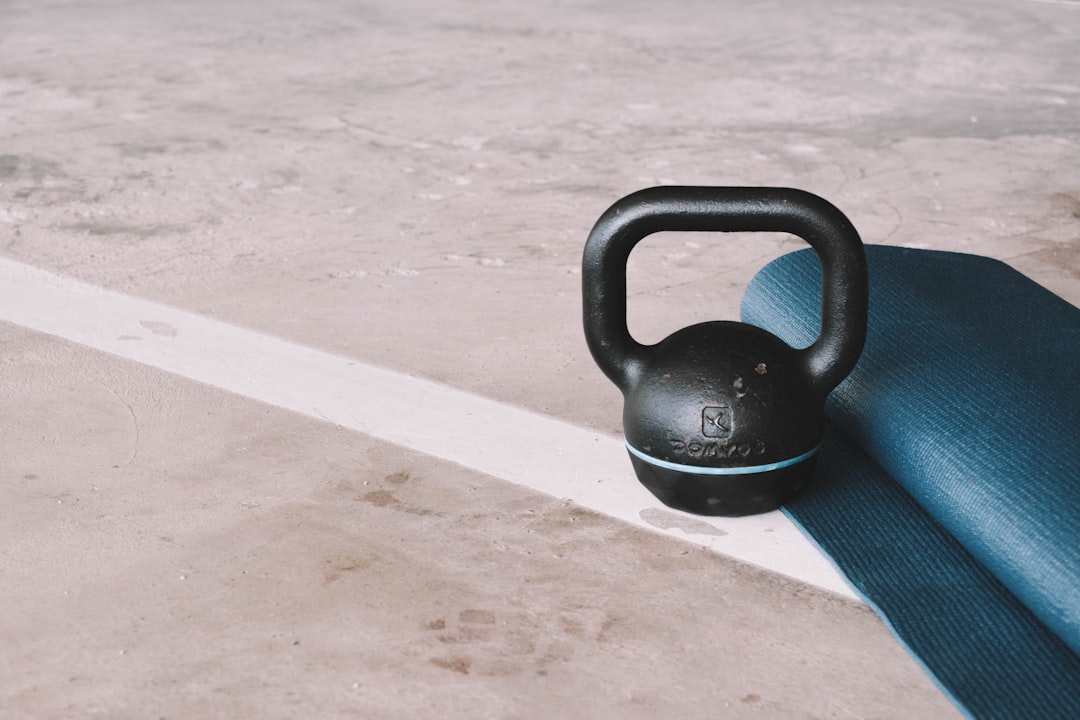
Storage: Store your kettlebells in a dry place to prevent rust, especially if they have a painted or coated finish. If you have a rubber-coated bell, keep it out of direct sunlight, which can degrade the rubber over time. Consider a kettlebell rack or simply keep them on the floor where they won’t fall on anyone.
Cleaning: Wipe down your kettlebells periodically with a dry cloth to remove sweat and oils. For deeper cleaning, use a slightly damp cloth with mild soap, then dry thoroughly. Never leave your kettlebells wet or allow moisture to sit on them, as this can cause rust on cast iron bells.
Inspect Regularly: Before each workout, check your kettlebells for any cracks, chips, or rough spots. Pay special attention to the handle area—any sharp edges should be filed down or the bell should be replaced. If you notice any structural damage, stop using the bell immediately.
Floor Protection: Kettlebells can damage floors if dropped or set down heavily. Use rubber mats or flooring in your workout area, and always set the bell down with control. This protects both your floors and your kettlebells from unnecessary wear. Shop gym flooring solutions to protect your home.
My Final Thoughts on Kettlebell Training
After years of resistance training with every type of equipment imaginable, kettlebells have earned a permanent place in my fitness routine—and I believe they deserve a place in yours too. What I love most about kettlebells is how they’ve changed not just my strength, but my relationship with movement. Instead of exercising to isolate muscles, I now train movement patterns. Instead of counting reps and sets, I focus on quality and flow. This shift in perspective has made my training more enjoyable, more effective, and more sustainable over the long term.
Kettlebells have also taught me that you don’t need fancy equipment or a gym membership to get in incredible shape. Some of my best workouts have happened in my tiny living room with a single cast-iron bell. There’s something empowering about knowing you can get a complete full-body workout anywhere, anytime, with minimal equipment. This freedom has made fitness less of a chore and more of a lifestyle—a sustainable practice rather than a temporary fix.
Perhaps most importantly, kettlebells have reconnected me with the idea of functional strength. Instead of training for aesthetics alone, I now train for movement quality, real-world strength, and physical capability. This doesn’t mean I don’t care about how I look—I absolutely do—but I’ve learned that training for function often produces better aesthetic results than training for appearance alone. My body has changed in ways I never expected: leaner, more athletic, more capable. And I’m having more fun than ever.
Whether you’re a complete beginner looking to start your fitness journey, an experienced lifter wanting to shake up your routine, or somewhere in between, kettlebells offer a versatile, effective, and surprisingly sophisticated training tool. Start with quality equipment, master the fundamentals, progress gradually, and don’t be afraid to make mistakes and learn as you go. The kettlebell community is incredibly welcoming, and there are endless resources available to help you on your journey.
Invest in a quality kettlebell (or two), commit to consistent practice, and discover why these simple cast-iron bells have been a staple of strength training for centuries. Your body, your health, and your quality of life will thank you. Start your kettlebell training journey today and experience the transformation for yourself.