Last July, my town hit 103 degrees for eleven straight days. Not “feels like” 103 — actual, honest-to-goodness, shade-is-a-lie 103. And I’ll be honest with you: for the first three days, I was that person dragging myself through workouts like I was moving through wet cement, wondering why my legs felt like they belonged to someone who’d never exercised a day in her life. The humidity wrapped around me like a hot wet blanket, my heart rate spiked during warm-ups that normally take nothing out of me, and I nearly face-planted during a simple tempo run I’d done dozens of times before.
Here’s the thing nobody tells you about training in extreme heat — it doesn’t just make workouts harder. It changes literally everything about how your body processes effort, recovery, hydration, and even sleep. But after that brutal first week, something clicked. I adapted my approach, invested in the right tools, and ended up having one of my strongest training blocks of the entire year. Now, as we head into another summer, I want to share what I learned the hard way so you don’t have to learn it through a dizzy spell on a Tuesday morning run.

Heat Acclimation Is Real — And It’s Not Optional
Your body is remarkably adaptable, but it needs time. Research from the American College of Sports Medicine shows it takes roughly 7-14 consecutive days of heat exposure for your body to make the physiological adjustments that make hot-weather training tolerable. During those first days, your plasma volume expands, your sweat rate increases (and your sweat becomes more dilute, conserving electrolytes), and your heart rate at any given pace drops by 10-15 beats per minute. Basically, your body upgrades its cooling system from a desk fan to central air.
I used to think heat acclimation was just something that happened passively. Not quite. You have to train in the heat to trigger it — sitting in air conditioning and then expecting to perform outdoors is like studying for a math test by watching cooking videos. Start with short, easy efforts during the cooler parts of the day, then gradually extend duration and intensity as your body adapts. For me, that meant 20-minute easy runs at 7 AM the first week, building to 45-minute sessions by week two.

The Hydration Strategy Nobody Taught Me
Everyone says “drink more water” when it’s hot. Groundbreaking advice, right? But here’s what actually matters: when you hydrate, what you hydrate with, and how you know whether it’s working. I learned this the hard way when I showed up to a Saturday long run having “drank plenty of water” the night before — and still finished the run feeling like my brain was wrapped in cotton.
The game-changer was switching to a proactive hydration protocol. I start every hot day with 16 ounces of water mixed with electrolyte powder about 90 minutes before any training session. During workouts longer than 45 minutes, I carry hydration with me — and no, a quick sip at a water fountain doesn’t count. I use a lightweight hydration vest that holds enough fluid for a 90-minute session without bouncing around or making me feel like I’m wearing a backpack. If you’re looking for options, there are some excellent hydration vests designed specifically for runners that distribute weight evenly across your chest and back.
Post-workout, I don’t just chug water. I weigh myself before and after training (yes, every time) and replace each pound lost with 16-20 ounces of fluid containing electrolytes. This simple habit eliminated the afternoon headaches and fatigue that used to plague me all summer long. If you want a deeper dive into electrolyte options, I reviewed dozens of electrolyte powders and found some surprising winners.

Cooling Gear: Separating Science From Marketing Hype
The “cooling gear” market has exploded, and honestly, most of it is nonsense. A “cooling” headband that’s just a regular headband in a fancy package. A “frost-tech” shirt that feels identical to the bargain bin tee at your local sporting goods store. I’ve wasted money on plenty of these, so let me save you the trouble.
The three categories of cooling gear that genuinely make a difference in triple-digit heat: evaporative cooling towels, UV-protective performance apparel, and ice-based wearable cooling. Evaporative cooling towels sound gimmicky until you use one properly — wet it, wring it out, snap it a few times, and drape it over your neck during rest periods. The evaporative cooling effect drops the fabric temperature 20-30 degrees below body temp, and it actually works. A good cooling towel costs under fifteen bucks and is worth ten times that when you’re midway through a hot workout.
UV-protective athletic wear is the other non-negotiable. I used to think “dark colors absorb heat” was the whole story, but the fabric technology matters way more than the color. Modern UPF 50+ performance fabrics with mesh ventilation panels keep you cooler than bare skin because they block the direct radiation that heats your surface tissue. Long-sleeve UPF running shirts sound counterintuitive but they’re noticeably cooler than short sleeves once the sun is beating down on you.
Timing Is Everything: Respecting the Sun’s Schedule
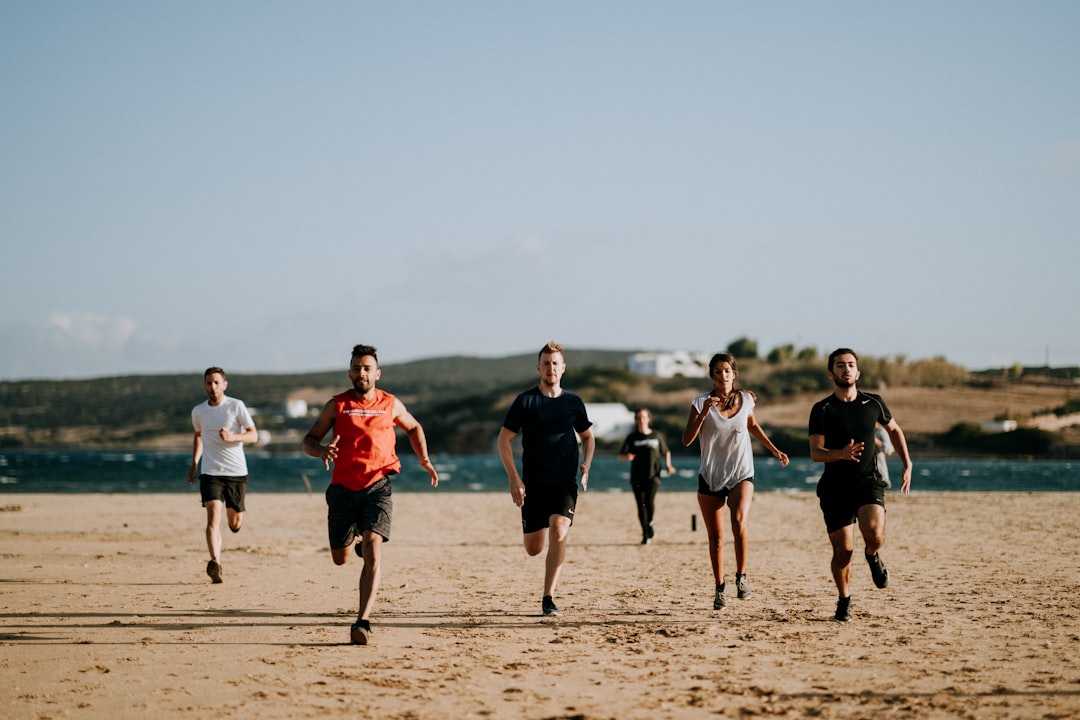
This one seems obvious, but it took me embarrassingly long to actually commit to it: train early or train late, but do not train in the middle of the day. I know, I know — you’ve heard this before. But the difference between running at 6:30 AM and 8:30 AM in July can be the difference between a strong session and a dangerous one. The UV index, ambient temperature, and humidity all spike dramatically between 10 AM and 4 PM.
My summer training schedule looks completely different from my winter one. I’ve moved every hard session to before 7:30 AM, and if life forces a later workout, I either take it indoors or dramatically reduce the intensity. Early mornings in summer are actually magical — the air is cooler, the light is gorgeous, and there’s something deeply satisfying about finishing a great workout before most people have hit snooze for the first time.
On days when even early morning feels oppressive, I lean into what I call “heat-adjusted training” — shorter intervals with longer rest periods, lower overall volume, and a heart rate cap that keeps me from redlining. Your perceived effort at a given pace in 95-degree heat is roughly equivalent to running 30 seconds per mile faster in mild conditions. Account for that, or your body will account for it by shutting you down.
What I Actually Wear in 95+ Degree Heat
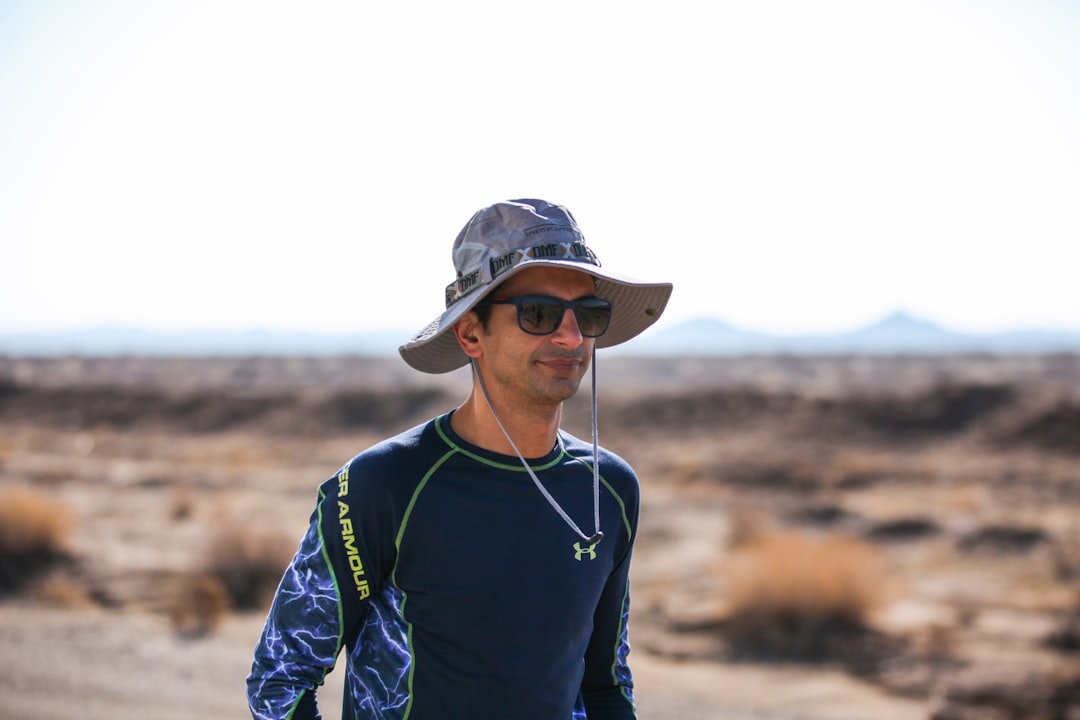
Let me walk you through my summer training wardrobe, because getting this right made an enormous difference in how I feel during and after hot workouts. It’s not about looking cute — it’s about thermoregulation, sun protection, and comfort when you’re sweating more than you thought humanly possible.
On top, it’s always a UPF 50+ lightweight long-sleeve or a well-ventilated tank with built-in sun protection. On the bottom, I go with lightweight running shorts that have a brief liner — no cotton, no heavy compression that traps heat. My absolute favorite discovery has been a wide-brim running hat with UPF protection that shields my face and neck without flopping around. Traditional running caps leave your ears and the back of your neck exposed, and sunburn on your neck during a hot run is a special kind of misery.
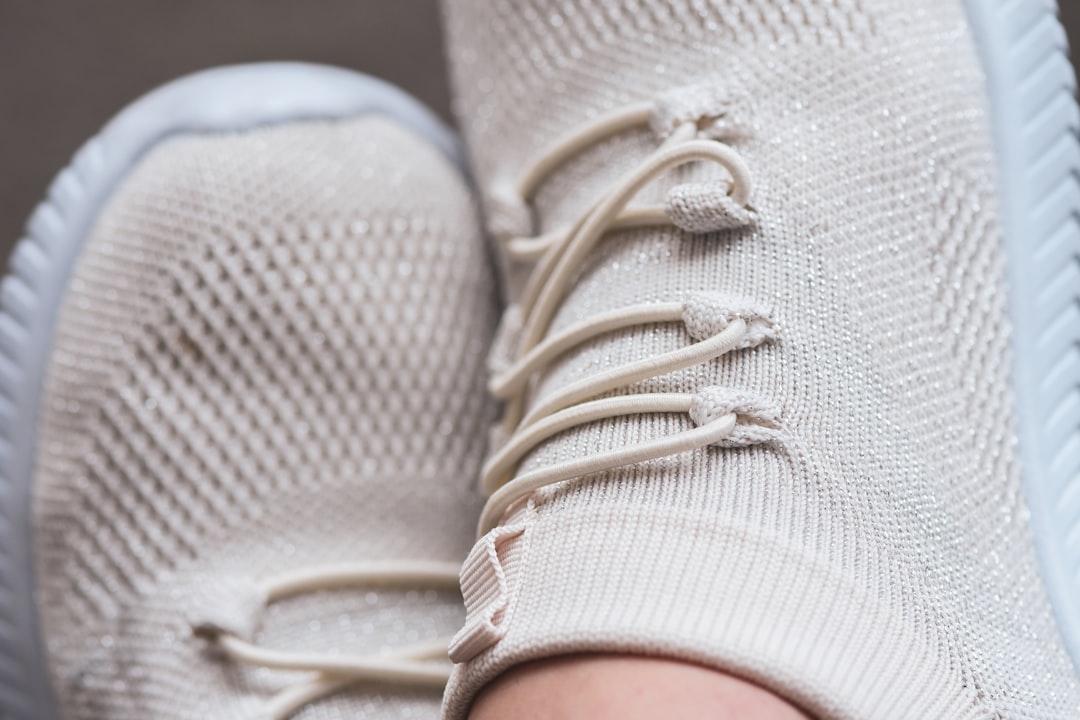
For footwear, I switched to highly breathable mesh running shoes specifically for summer. Your feet swell in the heat, and shoes that fit perfectly in January can feel tight and uncomfortable in July. Going up a half size in your summer running shoes is a strategy many coaches recommend, and it absolutely works. Look for shoes with maximum airflow mesh uppers that let heat escape rather than trapping it around your feet.
Recovery Hits Different When It’s Hot
One of the biggest surprises of training through extreme heat was discovering that my normal recovery routines were completely inadequate. The heat taxes your body in ways that extend far beyond the workout itself — your resting heart rate stays elevated, your sleep quality degrades (especially if your bedroom isn’t well air-conditioned), and you lose significantly more electrolytes and minerals through sweat than you realize.
I added two recovery practices that made a huge difference. First, I started using an insulated water bottle filled with ice water that I drink from slowly throughout the hour after training. The cold fluid helps lower your core temperature gradually rather than shocking your system. Second, I incorporated cool (not ice-cold) showers within 30 minutes of finishing workouts. The gradual cooling helps your cardiovascular system return to baseline without the sudden vasoconstriction that ice baths can trigger. While I’m a huge fan of cold plunges for recovery, extreme heat training requires a gentler cool-down approach.
I also became much more intentional about post-workout nutrition in the summer. When it’s blazing hot, the last thing you want is a heavy meal, but your body desperately needs to replenish glycogen and repair muscle tissue. My go-to is a cold smoothie with protein powder, frozen berries, a banana, and a pinch of salt — it’s hydrating, nutritious, and doesn’t sit like a brick in your stomach. Cold-brew protein shakes are another fantastic option that goes down easy when everything feels too hot to eat.
The Warning Signs Your Body Is Done
I need to be direct here, because this is where people get into real trouble. Heat illness exists on a spectrum, and the line between “uncomfortable but fine” and “medical emergency” is thinner than most people realize. I’ve pushed too hard exactly once — during a hill repeat session in 98-degree heat — and the nausea, dizziness, and chills that followed were genuinely scary. I was lucky. Not everyone is.
Here are the signs I now treat as absolute stop signals: headache that develops during exercise, chills or goosebumps in hot weather (your body’s thermoregulation is failing), nausea, dizziness or vision changes, and any cessation of sweating when you were sweating heavily moments before. If you experience any of these, stop immediately, get to shade or air conditioning, and begin cooling with cold water on your neck, wrists, and forehead. No workout is worth a trip to the emergency room.
The other thing I track religiously now is my resting heart rate. On hot days, if my morning resting heart rate is 5-8 beats higher than normal, I take it as a sign that my body is still recovering from heat stress and I dial back the session. A good fitness tracker makes this easy — I compared the best fitness watches for training and found that some are significantly better than others at tracking recovery metrics.
The Summer Training Toolkit Worth Your Money
After two summers of trial, error, and plenty of lessons learned the hard way, here’s what I consider non-negotiable for hot-weather training. I’m not going to tell you that you need a $200 cooling vest or a $500 infrared sauna blanket to survive summer. Most of the essentials are surprisingly affordable, and a few strategic investments go a long way.
First, individual electrolyte powder packets are absolutely essential. They’re easy to carry, you always know your dose, and they’re cheap insurance against dehydration headaches and muscle cramps. Second, a quality cooling towel lives in my gym bag from May through September. Third, UPF-protective training apparel — at minimum a shirt and hat — because sunscreen alone doesn’t cut it when you’re sweating through it in 20 minutes. Fourth, a hydration solution that you actually enjoy using, whether that’s a vest, a handheld bottle, or a belt. The best one is the one you’ll actually bring with you.
For recovery, a good percussion massage gun becomes even more valuable in summer when heat-related muscle cramps and tightness are more common. And if you want to really level up, compression recovery boots are an incredible investment for reducing heat-induced swelling in your legs after tough sessions.
Finally, and this is the one most people skip: a small rechargeable portable fan sounds silly until you’re standing at a track in 95-degree weather between intervals with zero breeze. It’s a game-changer for quality sessions when you need real rest between efforts.
Summer training doesn’t have to be miserable. With the right approach — gradual heat acclimation, smart hydration, proper gear, and the humility to respect your body’s limits — you can actually thrive during the hottest months of the year. Some of my best training memories are from early summer mornings, the air warm and thick, the world quiet except for my footsteps and breathing. There’s something deeply empowering about pushing through conditions that would send most people to the couch. Just make sure you’re pushing smart, not just pushing hard.
And if you’re looking for simple daily habits that complement your summer training, the movement snacks approach I wrote about earlier this year pairs perfectly with a heat-adjusted training schedule — small doses of mobility and light activity throughout the day keep your body moving without piling on more heat stress. Stay cool, stay hydrated, and I’ll see you out there on the roads.