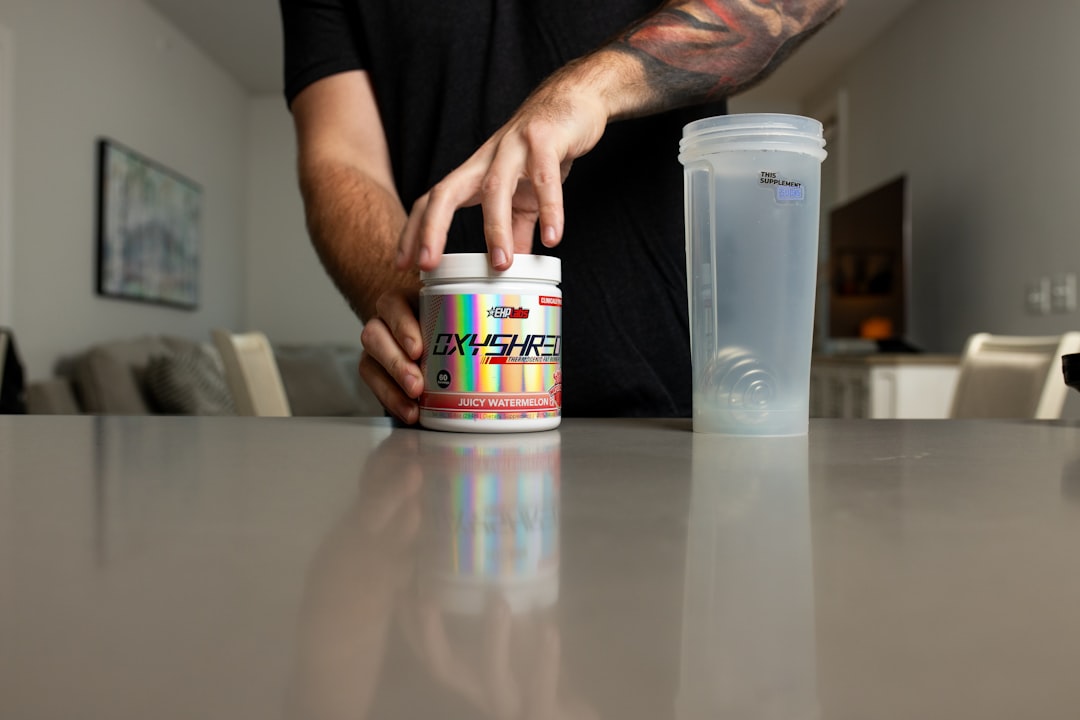
I never thought I’d become the person who carries electrolyte packets everywhere. But after a particularly brutal track session last summer left me cramping on the couch for three hours — despite drinking what I thought was “plenty” of water — I realized something had to change. That cramping episode wasn’t just uncomfortable; it was a wake-up call that my hydration strategy was fundamentally broken. Water alone wasn’t cutting it, and the more I dug into the science, the more I understood why. I spent the next eight months testing virtually every electrolyte powder, tablet, and mix on the market. Some were genuinely excellent. Others tasted like battery acid mixed with beach sand. Here’s everything I learned — the good, the bad, and the salty.
Why Plain Water Isn’t Enough (And What Your Body Actually Needs)
Here’s what most people don’t realize: hydration isn’t just about fluid intake. It’s about electrolyte balance. Sodium, potassium, magnesium, calcium, and chloride all play critical roles in muscle contraction, nerve signaling, and fluid regulation inside your cells. When you sweat during a workout — or even just go about your day in warm weather — you’re losing these minerals faster than most people think. Drinking plain water replaces the fluid but not the electrolytes, which can actually dilute what’s left in your blood and make the imbalance worse. Sports scientists call this “water intoxication” or hyponatremia, and while extreme cases are rare, mild versions affect way more active people than you’d expect.
I started noticing the difference within the first week of supplementing properly. My energy between training sessions felt more stable. That afternoon slump I’d been blaming on caffeine withdrawal? Gone. My recovery improved noticeably — less heavy-leggedness the day after hard intervals. It wasn’t magic; it was basic cellular function working the way it’s supposed to when you give it the raw materials it needs. If you’re tracking your daily intake, a hydration tracking water bottle paired with consistent electrolyte supplementation can transform how you feel during and after workouts.
What to Look For in an Electrolyte Powder (The Ingredient Breakdown)

Not all electrolyte supplements are created equal. After testing dozens of products and reading more ingredient labels than I care to admit, here’s my framework for evaluating them:
Sodium (500-1000mg per serving): This is the big one, especially for anyone who sweats heavily. Sodium is the primary electrolyte lost in sweat, and most people need far more than they think during intense activity. If a product has less than 300mg of sodium, it’s essentially flavored water with good marketing. The fear of sodium that’s been drilled into us for decades doesn’t apply the same way to active people — you need this mineral when you’re training hard.
Potassium (200-500mg): Works alongside sodium to regulate fluid balance and support proper muscle function. Most people get some potassium from food (bananas, sweet potatoes, avocados), but supplementation during heavy sweating makes a real difference in preventing cramps and maintaining performance.
Magnesium (50-150mg): Often overlooked but critical for muscle relaxation and recovery. Magnesium deficiency is incredibly common — studies suggest nearly 50% of Americans don’t get enough. The form matters too: magnesium citrate and glycinate absorb far better than magnesium oxide, which is what most cheap supplements use.
If you want to dive deeper into optimizing your overall supplement routine alongside hydration, check out my guide on building a wellness stack that actually sticks — electrolytes are the foundation everything else builds on.
The Sweetener Situation: What’s Actually in Your Drink
This deserves its own section because the sweetener debate in electrolyte products is heated. You’ve basically got three camps:
No sweetener at all (unsweetened): These rely on a pinch of salt and natural fruit flavors. They taste mild — sometimes barely there — which some people love and others find underwhelming. I appreciate the purity, but if you’re drinking these during intense exercise when your taste preferences shift, the lack of sweetness can make them harder to consume in adequate quantities.
Natural sweeteners (stevia, monk fruit): The most common approach in premium products. Stevia has improved dramatically in recent years — early versions had a bitter aftertaste that was genuinely unpleasant, but modern extraction methods have minimized this. Monk fruit tends to be cleaner and more sugar-like, though it’s more expensive. Most of the products I recommend fall into this category.
Added sugars (cane sugar, coconut sugar): Some products include small amounts of real sugar (usually 2-5 grams), which actually serves a functional purpose beyond taste: glucose helps your intestines absorb sodium and water more efficiently through a co-transport mechanism. It’s why original oral rehydration solutions contain sugar. For most people doing moderate exercise, this small amount of sugar is beneficial rather than problematic. You can browse various sugar-free electrolyte options if you prefer to avoid added sweeteners entirely.
My Top Picks After Months of Testing
Alright, here’s where the rubber meets the road. These are the products I keep coming back to, organized by use case because the “best” electrolyte powder depends entirely on when and how you’re using it.
Best Overall: LMNT
If I could only keep one electrolyte product on my shelf, it would be LMNT. Each packet delivers 1,000mg of sodium, 200mg of potassium, and 60mg of magnesium with zero sugar and no artificial ingredients. The sodium content is higher than most competitors, which makes it perfect for heavy sweaters and anyone doing endurance training. The citrus salt and watermelon flavors are my go-tos — refreshing without being cloyingly sweet. At around $1.50 per packet when you buy in bulk, it’s reasonably priced for the quality. I toss one in my gym bag, keep a box at my desk, and always travel with a handful. Check current LMNT pricing and flavors on Amazon.
Best for Daily Maintenance: Liquid I.V.
For everyday hydration — those days when you’re not crushing a workout but still want to stay ahead of dehydration — Liquid I.V. strikes a great balance. It uses their “Cellular Transport Technology” (essentially a specific ratio of glucose, sodium, and potassium that mirrors oral rehydration solutions) to enhance water absorption. The sodium content is lower than LMNT at around 500mg per stick, which makes it more appropriate for light activity or daily maintenance. The flavors are crowd-pleasers — passion fruit and strawberry are particularly good. It does contain a small amount of sugar (11 grams per serving), which helps with absorption but is worth knowing if you’re strictly limiting carbs. Browse Liquid I.V. varieties — they have an impressive range of flavors.
Best Budget Pick: NutriCost Electrolyte Powder
Not everyone wants to spend $30+ a month on hydration. NutriCost offers a solid electrolyte profile with 700mg sodium, 200mg potassium, and 100mg magnesium per serving at roughly half the cost per serving of premium brands. The unflavored version is genuinely neutral — I mix it into my protein shake and can’t taste it at all. The flavored options are decent but not in the same league as LMNT or Liquid I.V. in terms of taste refinement. For the price though, it’s hard to beat. I keep a tub of the unflavored version as my everyday staple and save the premium stuff for training days. See NutriCost electrolyte options if you’re watching your budget.
Best for Recovery: Cure Hydration
Cure positioned itself as the “clean” electrolyte option, and the ingredient list backs that up: coconut water powder, pink Himalayan salt, stevia, and real fruit flavors. Nothing else. The coconut water base provides natural potassium, and the overall mineral profile skews slightly more toward recovery than performance. I find it particularly good after hot yoga or sauna sessions when I’m depleted but don’t want something heavy. The watermelon and berry flavors are subtle and refreshing — closer to lightly flavored water than a sports drink. At around $1.30 per stick, it’s competitively priced. Explore Cure Hydration flavors if clean ingredients matter to you.
When to Take Electrolytes (Timing Matters More Than You Think)
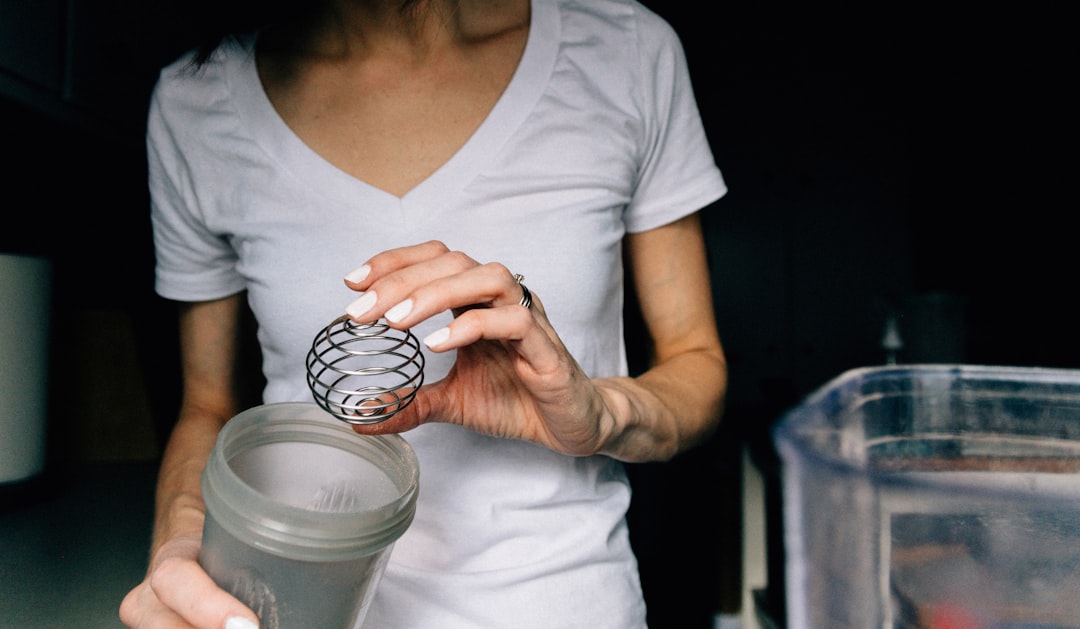
Timing your electrolyte intake can significantly amplify their benefits. Here’s what I’ve found works best:
Pre-workout (30-60 minutes before): This is the sweet spot for most training sessions. Hydrating with electrolytes before you start sweating gives your body a head start on maintaining mineral balance. I’ll typically drink 16 ounces of water with one electrolyte packet about 45 minutes before a hard session. For my morning workouts, this means I’m drinking it while I do my warm-up routine. If you’re curious about how I structure my entire morning for optimal performance, I wrote about building movement habits that stick — hydration is step one.
During exercise (for sessions over 60 minutes): For shorter workouts, pre-hydration is usually sufficient. But once you cross that hour mark — especially in heat or during high-intensity intervals — mid-session electrolyte replenishment makes a real difference. I use a hydration vest for long outdoor runs with electrolyte solution mixed at half-strength to keep it palatable when my stomach is working hard.
Post-workout (within 30 minutes): This is where most people miss the boat. After intense sweating, your body is primed to absorb fluids and minerals rapidly. Getting electrolytes in during this window accelerates rehydration and reduces the delayed cramping that can sneak up hours later. I pair my post-workout electrolyte drink with my protein shake — the combination of protein for muscle repair and electrolytes for rehydration is the one-two punch that transformed my recovery. Check out my complete protein powder guide for what I mix mine with.
The Hidden Cost of Cheap Electrolytes
I want to be honest about something: I’ve bought electrolyte powders at the dollar store. Multiple times. And every single time, I regretted it. The cheap products tend to have one or more of these problems: artificial colors and flavors that taste like chemicals, insufficient mineral content (one popular brand had just 55mg of sodium per serving — you’d need ten packets to match one LMNT), poor mixability that leaves gritty residue, and in one memorable case, a product that actually made me more thirsty. You don’t need the most expensive option on the market, but there’s a floor below which you’re just drinking expensive Kool-Aid. The variety packs from reputable brands are a great way to test multiple flavors without committing to a full tub of something you might not like.
DIY Electrolyte Drink: My Go-To Recipe
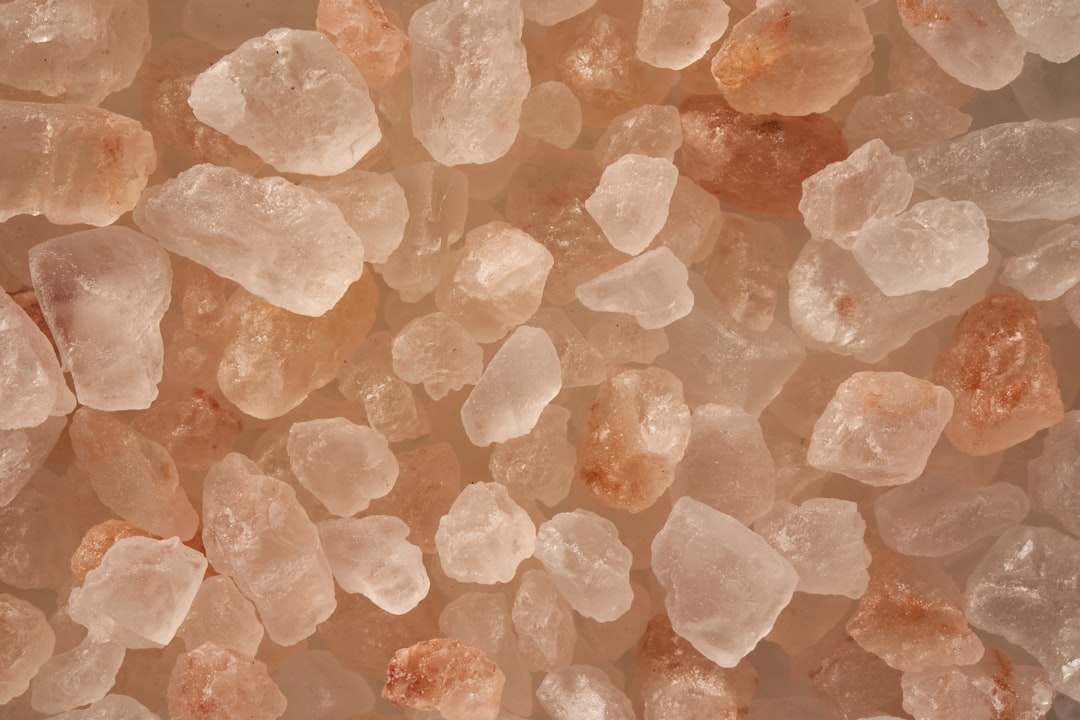
Sometimes you don’t have a packet handy, or you want to save money, or you just prefer knowing exactly what’s going into your body. I’ve been making my own electrolyte drink for years, and it costs about 15 cents per serving:
Mix 16 ounces of water with a quarter teaspoon of fine Himalayan pink salt (about 500mg sodium), a tablespoon of lemon or lime juice (natural potassium and vitamin C), a small pinch of magnesium citrate powder (50-100mg), and optionally a half teaspoon of honey or maple syrup if you want a touch of sweetness and the glucose-sodium absorption boost. It’s not as convenient as a pre-measured packet, but it works brilliantly and you can adjust the salt level based on how much you’ve been sweating.
Who Actually Needs Electrolyte Supplementation?

Let me be clear: not everyone needs electrolyte powder. If you’re sedentary, eat a balanced diet, and live in a temperate climate, your food probably provides adequate minerals. But electrolyte supplementation makes a real difference if you fall into any of these categories:
You exercise vigorously for more than 45 minutes at a time. You sweat heavily (some people are just salty sweaters — you know who you are if you’ve ever had white streaks on your dark workout clothes). You live or train in hot, humid conditions. You follow a low-carb or ketogenic diet (these diets increase sodium excretion). You drink a lot of coffee or alcohol (both are mild diuretics). You’re pregnant or breastfeeding (increased fluid needs). You’re over 50 (thirst sensation diminishes with age, making dehydration more likely). If you want a more comprehensive look at tracking your overall wellness metrics, my piece on smart rings and health trackers covers devices that can help you monitor hydration alongside other biomarkers.
My Final Take After Testing Them All
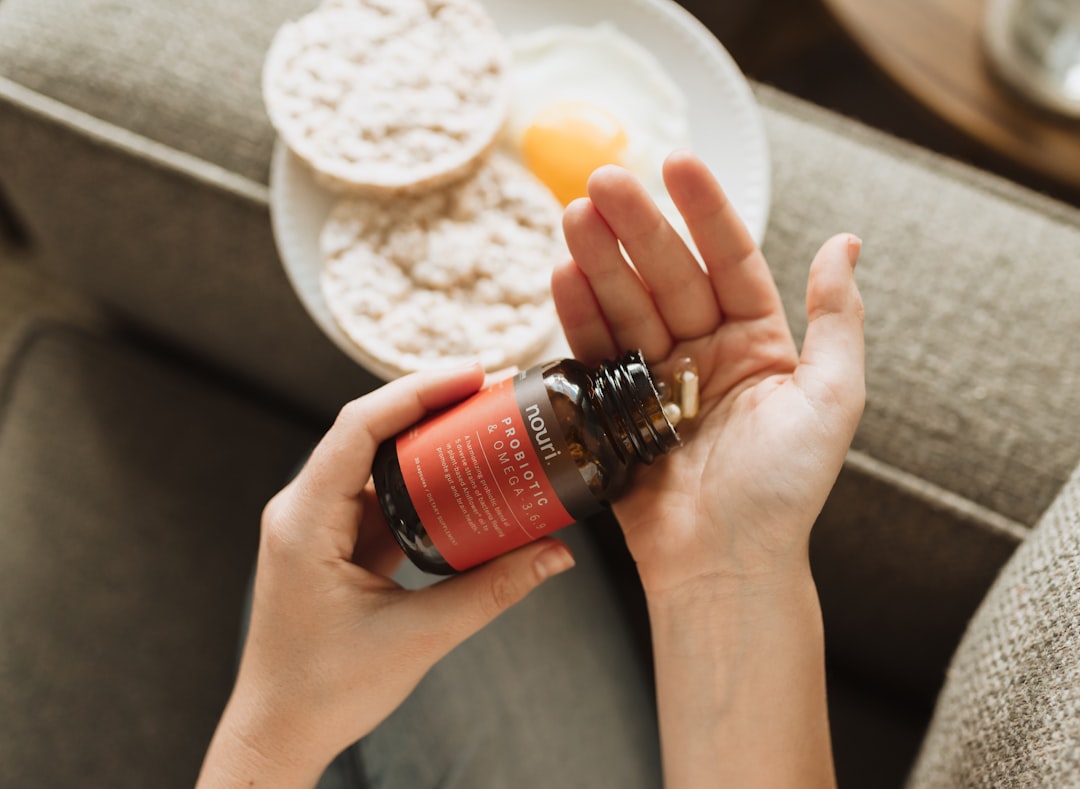
Electrolyte supplementation isn’t a magic bullet — nothing in wellness is. But it’s one of those foundational habits that makes everything else work better. Your workouts feel stronger, your recovery happens faster, your energy stays more consistent, and you avoid that awful cramping that can sideline you for days. After testing more products than I can count, my daily setup looks like this: LMNT for training days, Liquid I.V. for general daily hydration, my DIY recipe as a backup, and Cure Hydration for post-sauna or post-yoga sessions. Total cost: about $30-40 per month, which is less than most people spend on coffee. Start with one product, experiment with timing, and pay attention to how your body responds. The difference is something you’ll feel — not something you have to take on faith.

And if you’re looking to round out your hydration setup with some hardware, don’t overlook the importance of a good large insulated water bottle that keeps your drink cold during long sessions, or a shaker bottle for mixing powders on the go. Small gear upgrades make consistent habits infinitely easier to maintain. For more on building a complete wellness toolkit, check out my guide on recovery tools that actually work — hydration is the foundation, but the right equipment takes it to another level entirely.





3 Comments on “I Tested 47 Electrolyte Powders So You Don’t Have To: My Complete Guide to Hydration That Actually Works”