I never expected to become a Pilates person. Growing up as a track and field athlete, my idea of cross-training was running hills or lifting heavy. But after years of pounding the track and pushing through heptathlon training, my hips were tight, my lower back ached more mornings than not, and my flexibility had gone from “functional athlete” to “can barely touch my toes without grunting.” A physical therapist friend suggested I try Pilates, and honestly, I rolled my eyes so hard I nearly pulled something. Then I actually tried it. Within three weeks, my back pain had dialed down significantly, my posture had improved, and I was moving in ways I hadn’t moved since college. I was converted — and I wanted to bring that experience home.
The problem? Walking into the Pilates equipment world feels like learning a new language. Reformers, Cadillacs, magic circles, toe correctors — the jargon alone could fill a dictionary. And the price tags? Some studio-grade reformers cost more than my first car. So I spent months researching, testing, and figuring out exactly what you actually need to build a legit Pilates practice in your living room, spare bedroom, or even that awkward corner of your apartment. Here’s everything I learned.
Why Pilates at Home Is Having Its Biggest Moment Ever
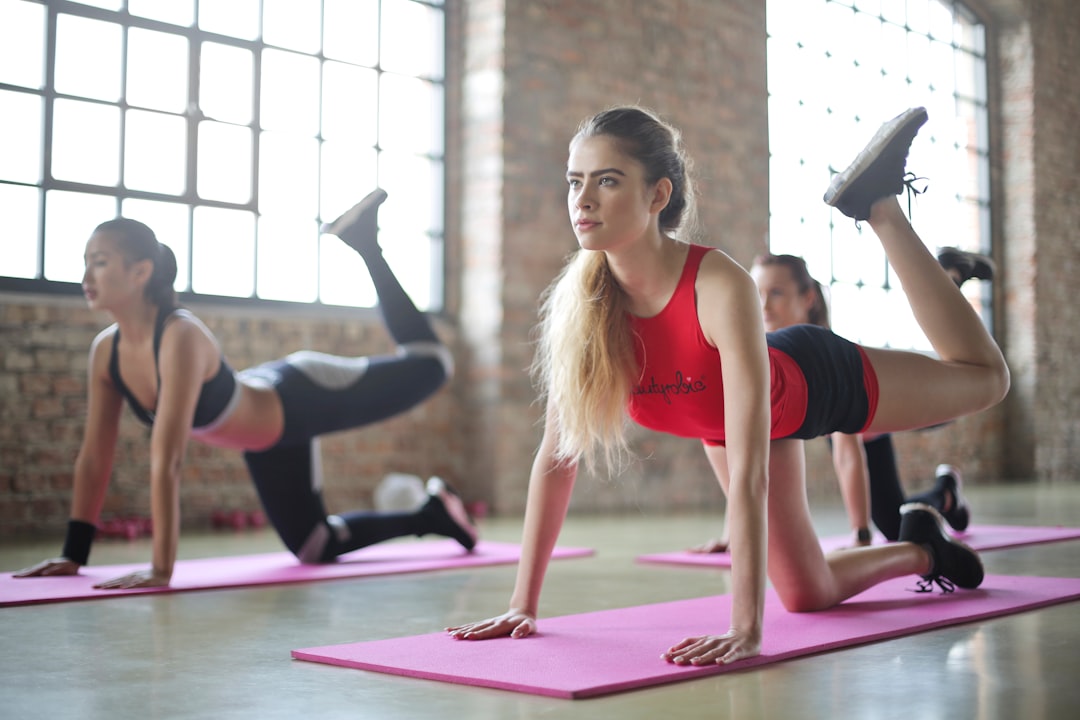
If you’ve scrolled through social media lately, you’ve probably noticed Pilates absolutely everywhere. And it’s not just aesthetics — though the long, lean muscle definition Pilates builds is certainly part of the appeal. The real driver is that people are discovering how remarkably effective Pilates is for fixing the exact problems modern life creates: rounded shoulders from hunching over screens, weak deep core muscles from sitting all day, and hip flexors that have essentially forgotten how to function properly.
What makes Pilates uniquely suited for home practice is its scalability. You can start with zero equipment — just a mat and your body — and progress all the way to spring-loaded reformer workouts that challenge elite athletes. Unlike many fitness modalities that require constant weight increases or speed improvements to see results, Pilates deepens through precision and control. The same exercise you do on day one feels completely different six months later because your body awareness and neuromuscular connection have evolved dramatically.
I’ve seen clients transform their movement quality, energy levels, and even chronic pain patterns through consistent home Pilates practice. The key is having the right equipment to support your journey — not the most expensive equipment, but the right equipment for where you are right now and where you want to go. If you’re also thinking about a broader home gym setup, Pilates gear pairs beautifully with strength training essentials.
The Non-Negotiable Starting Point: Your Mat
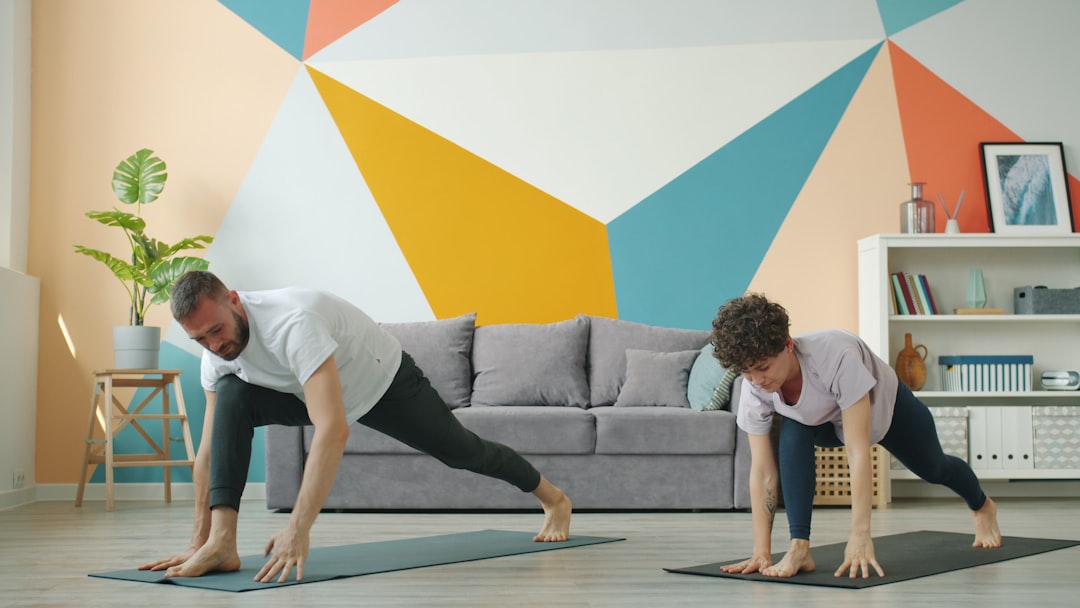
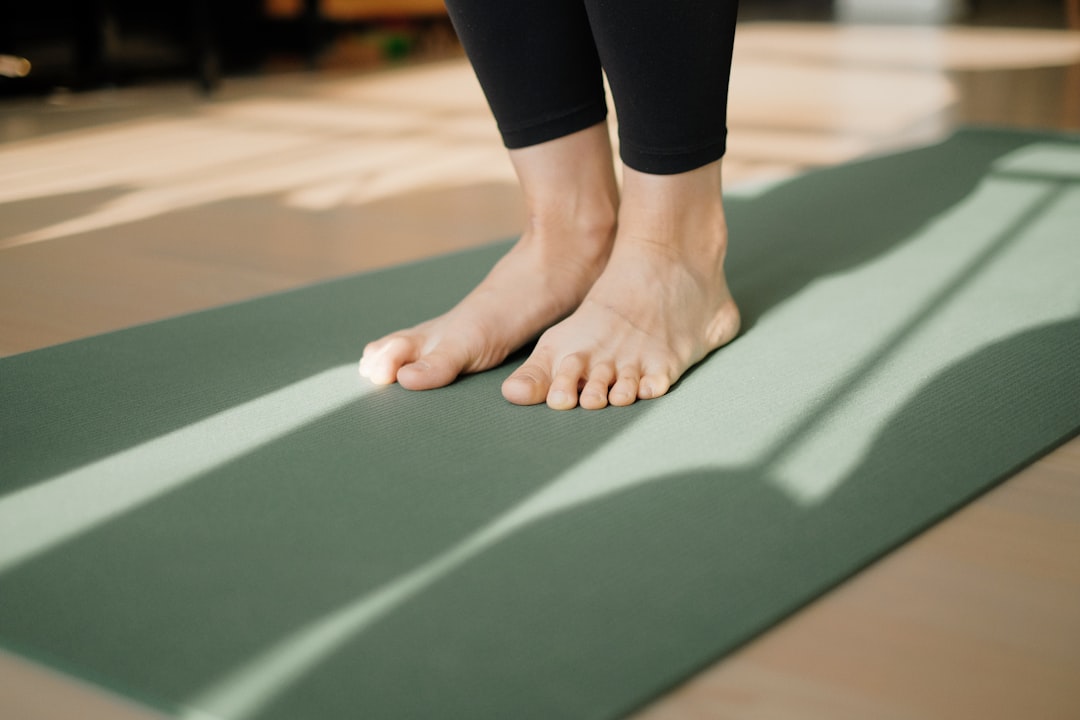
Before we talk about reformers and resistance systems, let’s start with the one thing every single Pilates practitioner needs: a quality mat. Not a yoga mat — a Pilates mat. The difference matters more than you might think. Yoga mats are typically thin (about an eighth of an inch) with a sticky surface designed to prevent slipping during standing poses. Pilates mats are thicker — usually half an inch or more — because Pilates involves a lot of spine-rolling, kneeling, and exercises where your bones press into the floor. Trust me, doing “the hundred” on a thin yoga mat will have your spine screaming at you within thirty seconds.
Look for a mat with enough cushioning to protect your spine and joints but firm enough that you don’t sink in and lose your balance during standing work. I personally prefer padded Pilates mats with at least 15mm of thickness — they’re typically made from dense foam or folded yoga-style material that provides joint protection without the instability of squishy surfaces. The right mat also gives you enough length for full-body movements without your head or feet hanging off the edges.
Magic Circles: The Deceptively Simple Power Tool

If there’s one piece of Pilates equipment that punches way above its weight class, it’s the magic circle — also called a Pilates ring. This flexible ring with padded handles on both sides looks almost toy-like, but don’t let that fool you. It’s one of the most versatile tools in the entire Pilates arsenal, and it costs a fraction of what you’d spend on larger equipment.
The magic circle works by providing gentle to moderate resistance when you squeeze it between your hands, thighs, or ankles. This activates your deep stabilizing muscles — particularly your inner thighs, pelvic floor, and transverse abdominis — in ways that bodyweight exercises alone simply can’t replicate. I use mine for arm work (holding it at chest height and pressing inward), glute activation (placing it between my thighs during bridges), and even foot and ankle strengthening exercises that have made a real difference in my balance.
When shopping for one, look for a Pilates ring with fiberglass construction and double-sided padded grips. The fiberglass gives consistent resistance without wearing out, and the padding prevents the ring from digging into your hands or inner thighs during longer sessions. Most rings come in either 12-inch or 14-inch diameters — I recommend 14 inches for most adults because it provides a wider range of motion and fits better between the thighs.
Resistance Bands: The Budget-Friendly Reformer Alternative
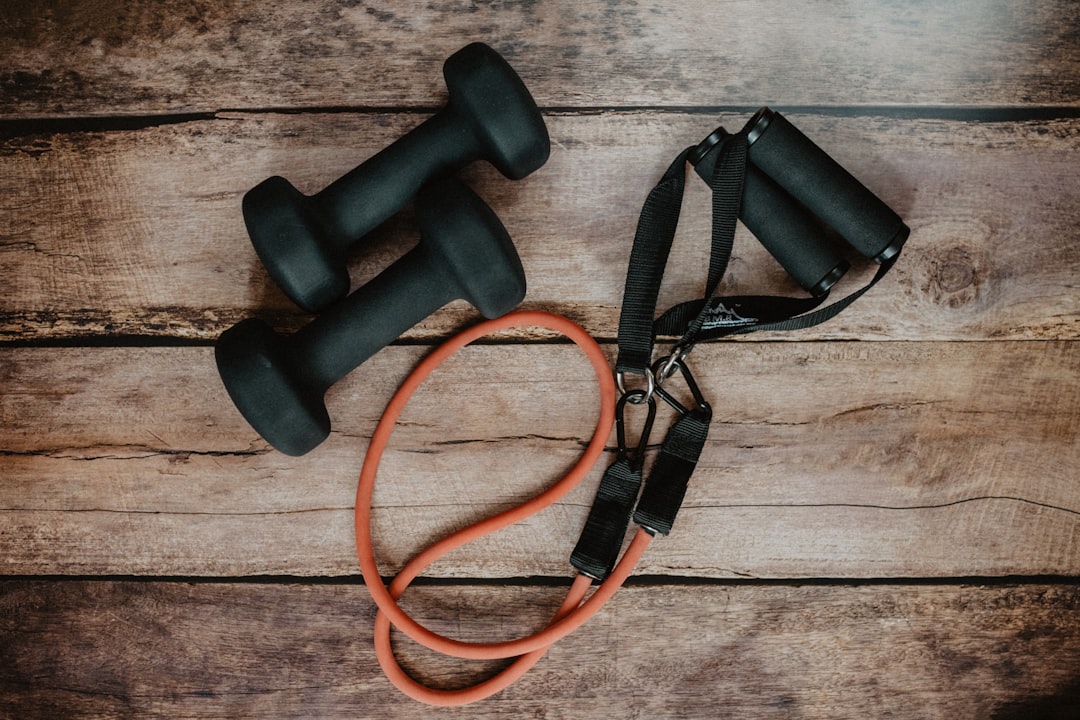
Here’s a secret the Pilates equipment industry doesn’t always advertise: resistance bands can simulate many of the movements you’d do on a reformer, for about two percent of the cost. While they won’t fully replace a spring-based machine (we’ll get to reformers), bands are incredibly effective for adding load to exercises like arm circles, leg presses, rowing movements, and core work that forms the backbone of a solid Pilates practice.
I keep three levels of resistance bands in my home setup — light, medium, and heavy — and I use them every single session. Light bands are perfect for shoulder work and rotator cuff strengthening, medium bands hit the sweet spot for most full-body exercises, and heavy bands give me enough resistance for lower body work like clamshells, lateral walks, and hamstring curls. The beauty of bands is that you can adjust tension instantly by changing your grip width or anchoring position.
For Pilates specifically, natural latex resistance band sets with multiple tension levels give you the most versatility. Fabric bands have their place (especially for glute work), but for Pilates-style arm and shoulder exercises, latex provides the smooth, consistent pull that best mimics reformer springs. You can see how I integrate band work into my broader routine in my article about my morning movement routine.
The Pilates Ball: Small Size, Massive Impact
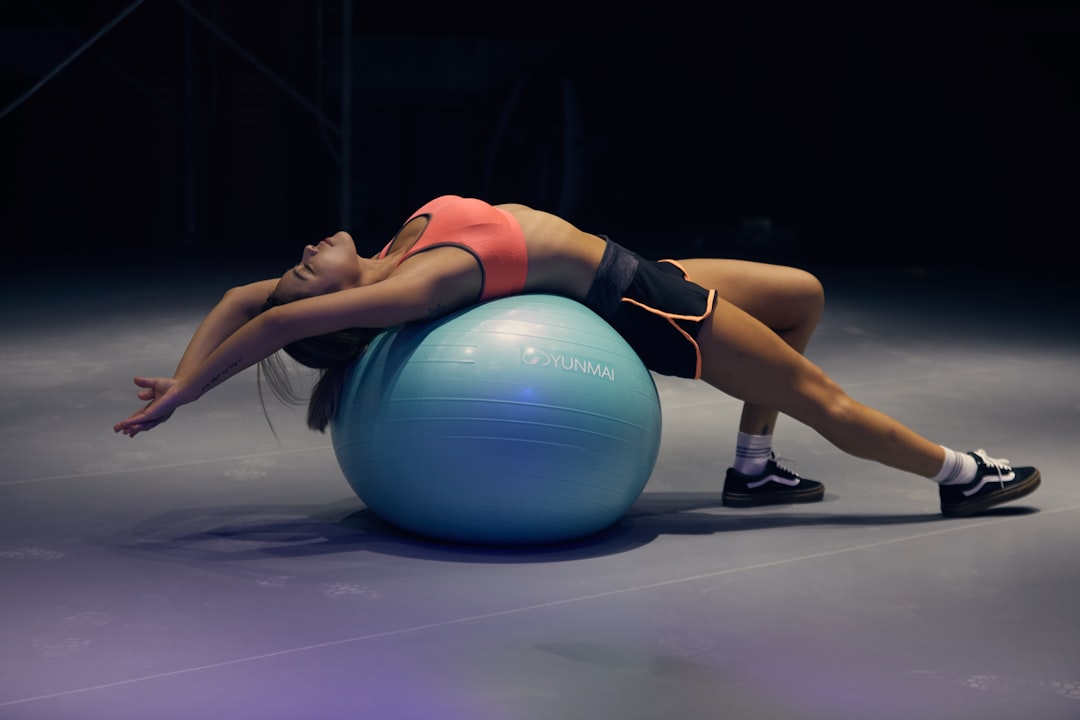
A small inflatable ball — typically 9 to 12 inches in diameter — is another inexpensive addition that transforms your mat practice. In Pilates, we use these balls for proprioceptive feedback (fancy way of saying it helps you feel where your body is in space), added resistance, and support during challenging exercises.
One of my favorite uses is placing the ball between my knees during core work. This activates the adductors and pelvic floor, which creates a more integrated core contraction than you’d get from standard crunching movements alone. I also use it under my lower back for supported bridge work, behind my upper back for abdominal curl assistance, and between my ankles for prone leg exercises that target the glutes and hamstrings with surgical precision.
When choosing one, a 9-inch anti-burst Pilates ball is the sweet spot for most exercises. Make sure it has a slow-deflate safety feature (anti-burst construction) — you don’t want a sudden pop mid-workout. The ball should be firm enough to provide resistance but with enough give that it’s comfortable against your body.
Should You Invest in a Reformer?
Now we arrive at the big question. Pilates reformers are the iconic piece of equipment most people picture when they think “Pilates studio” — that sliding carriage with springs, ropes, and a footbar that looks equal parts elegant and intimidating. Reformer workouts are phenomenal: the spring resistance provides smooth, variable loading that challenges your core and stabilizers in ways mat work alone can’t match. The carriage demands balance and control. The straps enable precise arm and leg work. It’s genuinely one of the most effective exercise machines ever designed.
But reformers are also expensive and take up serious space. Entry-level foldable models start around $400 to $600, mid-range home reformers run $800 to $1,500, and studio-grade machines like the Balanced Body Allegro series can exceed $3,000. They also require roughly the footprint of a twin bed when in use, though foldable and standing models can be stored vertically in a closet or against a wall.
My honest recommendation? Start with the fundamentals — mat, ring, bands, and ball — and build a consistent practice for at least two months. If you find yourself hooked and wanting more, a foldable home reformer is an incredible investment in your body. The foldable reformer options available now are significantly better than what was available even a couple years ago, with smoother carriages, better spring systems, and frames that actually hold up to regular use.
If you’re working with limited space, you might also consider a Pilates tower or wall unit. These mount to your wall and provide spring-based arm and leg work without the footprint of a full reformer. They’re not cheap either, but they’re a space-efficient compromise that gives you access to spring resistance training.
Small Accessories That Make a Surprising Difference
Beyond the core equipment, a handful of smaller accessories have earned permanent spots in my home Pilates setup. These aren’t strictly necessary, but each one solves a specific problem and makes your practice more comfortable and effective.
Grip socks are essential if you’re working on hardwood or tile floors. The textured grips on the bottom prevent slipping during standing work and reformer exercises. I didn’t appreciate how much they mattered until I tried doing footwork on a reformer in regular socks and nearly launched myself across the room. Full-toe grip socks with silicone grips give you the most control and are far more hygienic than bare feet if you share equipment.
Head pillows and cushions might sound indulgent, but proper cervical alignment during mat work is critical. If your head tilts too far forward or back during exercises, you can strain your neck and actually inhibit your deep core activation. A small Pilates head pillow or folded towel maintains that neutral spine position throughout your session.
Ankle weights in the one to three pound range add just enough load to leg work without throwing off your form. I use them for side-lying series, bridge variations, and prone leg exercises. They’re especially valuable if you’re doing mat-only Pilates and want more lower-body challenge without a reformer. Adjustable ankle weights let you progress gradually rather than jumping between fixed sizes.
Building Your Home Pilates Space
One of the things I love most about home Pilates is how little space you actually need. Unlike a home gym that requires a dedicated room for a squat rack and weight plates, a complete Pilates setup can live in a corner of your bedroom or living room. The minimum clear floor space you need is about the length and width of your mat — roughly six and a half feet by two feet — plus a little room to move your arms freely.
If you’re adding a reformer, budget for about eight feet of length and two feet of width for the machine itself, plus clearance on both sides for mounting and dismounting. Foldable reformers can be stored standing up against a wall or in a closet when not in use, which makes them apartment-friendly.
Flooring matters more than most people realize. Hardwood, tile, or thin carpet over concrete can make mat work uncomfortable without adequate padding. If you’re working on a hard surface, consider a dedicated interlocking foam floor tiles underneath your Pilates mat for extra cushioning. This is especially important for exercises that involve rolling through your spine or kneeling on one knee. For more floor protection ideas, my guide to home gym flooring covers options that work beautifully for Pilates too.
My Recommended Starter Setup by Budget
After testing more equipment combinations than I care to admit, here are three tiers I feel confident recommending depending on your budget and commitment level.
The “Just Getting Started” Kit ($50–$100): A quality thick Pilates mat, a magic circle, and a set of resistance bands with multiple tension levels. This combination gives you hundreds of exercise options and covers probably 80% of what a beginner needs. It’s also portable enough to travel with, which I appreciate when I’m on the road.
The “Committed Practitioner” Kit ($150–$300): Everything in the starter kit plus a small Pilates ball, adjustable ankle weights, grip socks, and a foam roller for pre- and post-workout myofascial release. The foam roller deserves its own mention — I use mine for thoracic spine mobilization before every session, and it makes a massive difference in how well I can move during my practice. Check out my recovery tools guide for more self-massage options that complement Pilates beautifully.
The “All In” Kit ($500–$2,000+): Everything above plus a foldable home reformer. This is the tier where your home practice genuinely starts to rival what you’d get at a studio. The reformer opens up an entirely new dimension of resistance-based exercises that build strength, stability, and body awareness at a level mat work alone can’t reach. If you’ve been practicing consistently for a few months and you know Pilates is going to be a long-term part of your life, this is a worthwhile investment in your physical health.
What I Wish Someone Had Told Me When I Started
The biggest misconception about Pilates equipment is that more expensive always means better. A $3,000 reformer won’t fix poor form — in fact, it can mask it because the machine does some of the stabilizing work for you. I’ve seen people build incredible strength and mobility with nothing but a mat and a magic circle, and I’ve seen others buy every gadget available and never develop the body awareness that makes Pilates transformative.
The real magic of Pilates happens in the details: the breath coordination, the pelvic floor engagement, the precision of each movement. Equipment supports that journey, but the foundation is always your own body and your willingness to pay attention to how it moves. Start simple. Build gradually. And remember that consistency with minimal equipment beats sporadic sessions on a fully loaded reformer every single time.
Pilates has given me a kind of body awareness and movement quality I never achieved in all my years of competitive athletics — and I say that as someone who once thought the only good workout involved sweat-soaked shirts and a heart rate monitor pegged at 180. Whether you invest $50 or $5,000, the most important thing is that you start. Your body will thank you in ways you can’t even imagine yet. I promise.