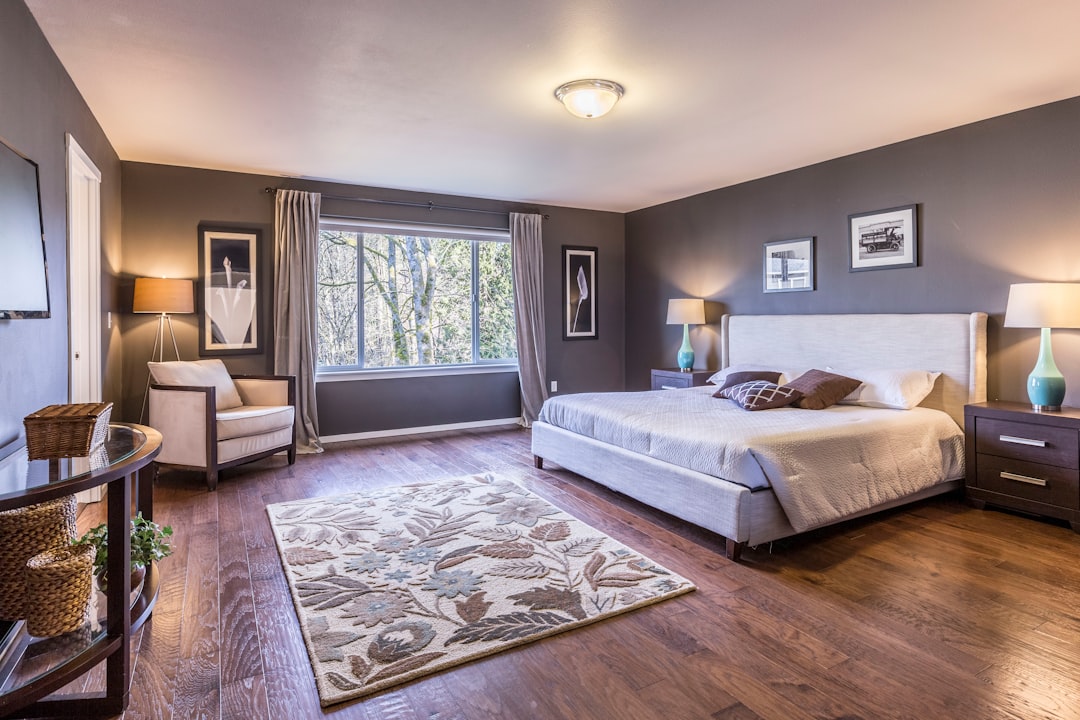
If you told me a year ago that I’d be lying in bed with a water-cooled mattress pad, a ring on my finger tracking every twitch, and a sound machine simulating a forest I’ve never actually visited, I would have laughed. I’m a wellness coach. I should have this figured out, right? But here’s the uncomfortable truth — I was sleeping terribly, and I couldn’t figure out why. My training was solid, my nutrition was dialed in, I was doing breathwork before bed. And yet I’d wake up feeling like I’d gone ten rounds with a heavy bag. So I did what any reasonable person would do: I bought everything. Cooling pads, sleep trackers, blackout curtains, smart alarm clocks, weighted blankets. Six weeks later, my bedroom looked like a sleep laboratory and my bank account looked like a crime scene. But the results? Mixed. Some of this stuff genuinely changed how I feel every morning. Some of it is expensive decoration. Here’s the full breakdown.
The Wake-Up Call I Didn’t See Coming
It started after a particularly brutal training block last winter. I was running a progressive overload program with my clients and hitting PRs left and right — but I was also hitting a wall emotionally and physically that I couldn’t explain. My wellness routine looked perfect on paper, and yet something was off. My Whoop recovery scores were in the red for two straight weeks. I was cranky, bloated, and my workouts felt like wading through wet sand. After a conversation with a sports medicine colleague who bluntly asked, “How’s your sleep, really?” I realized I hadn’t had a genuinely restful night in months. I was falling asleep fine but waking up three, sometimes four times a night. Hot. Restless. Brain spinning. That’s when I decided to stop guessing and start treating my sleep the way I treat my training — with intention and the right gear.
Cooling Sleep Systems: The Single Biggest Upgrade I Made
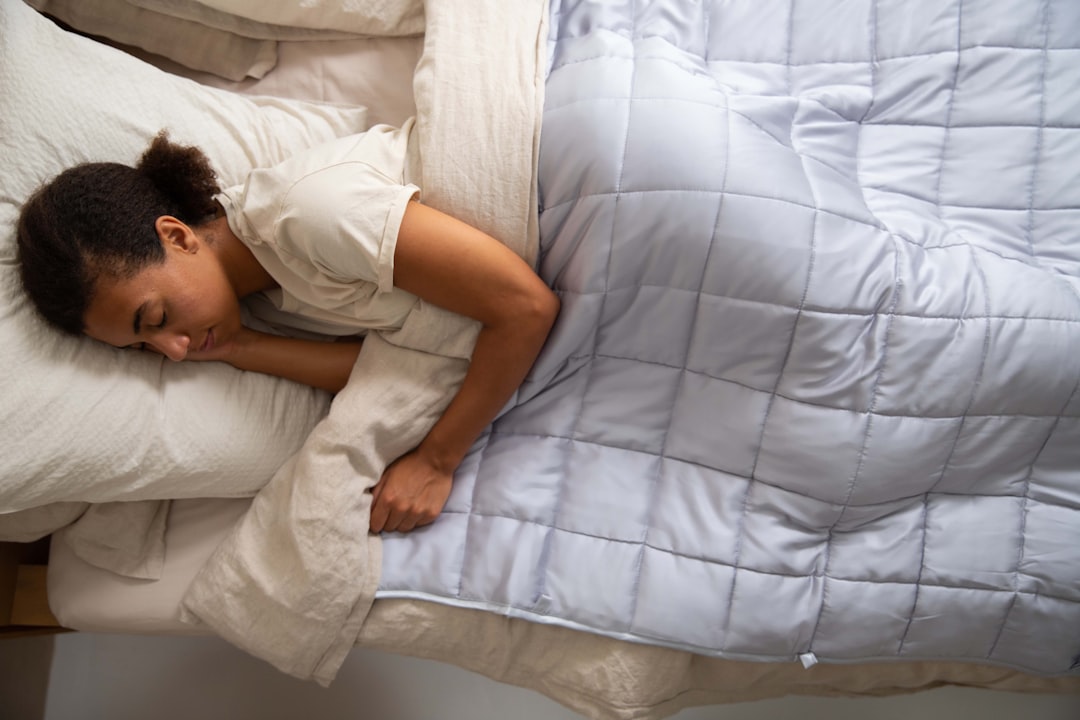
If you take nothing else from this article, hear this: temperature regulation is the most underrated sleep hack in existence. Your body needs to drop about two to three degrees Fahrenheit to initiate and maintain deep sleep, and most of us are sleeping in rooms that are way too warm. I started with a ChiliPad cooling mattress pad — a water-based system that circulates cool or warm water through a thin pad that sits on top of your mattress. It sounds excessive. It is not. From the very first night, I noticed a difference in how quickly I fell asleep and how infrequently I woke up. The ability to dial in a precise temperature — I settled on 67 degrees for my pad — meant no more kicking off blankets at 2 AM only to pull them back on at 4 AM.
I also tested the Eight Sleep Pod cover, which takes things further with dynamic temperature adjustments throughout the night based on your sleep stages. It’s pricier, but the automatic cool-down during deep sleep and gentle warming before your alarm is borderline magical. If you share a bed with someone who runs at a completely different temperature, the dual-zone models are absolutely worth the investment. My partner and I went from a nightly thermostat war to peaceful coexistence in about three days. For a more budget-friendly option, a quality bamboo cooling mattress pad can make a meaningful difference without the water pumps.
Sleep Trackers: Data That Actually Changed My Behavior
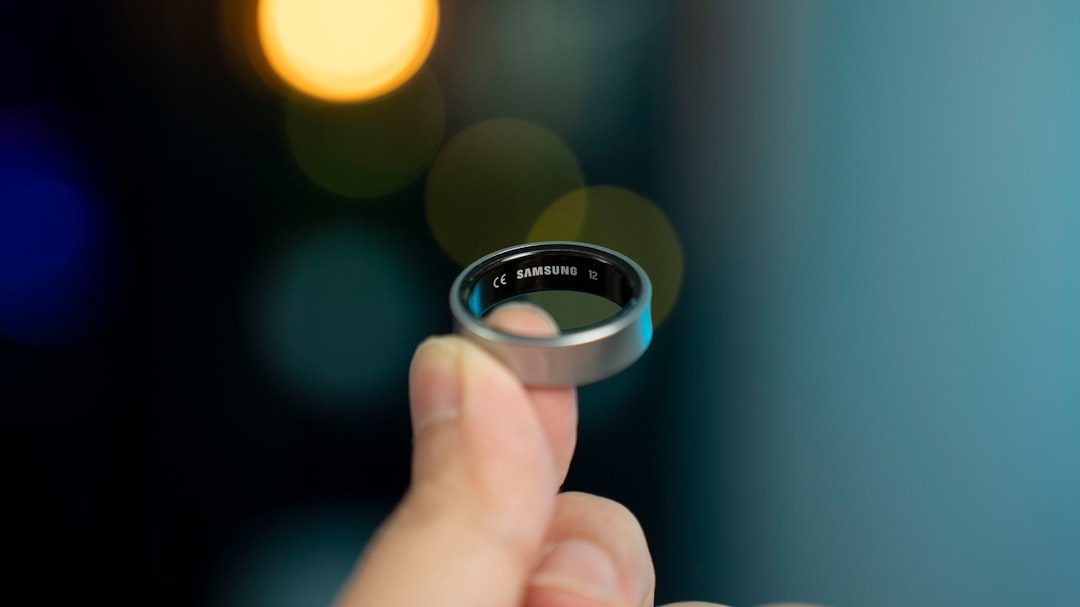
I’ve worn fitness trackers for years, but I’d always skimmed past the sleep data. Big mistake. Once I started actually paying attention — not just glancing at a score, but correlating how I felt with what the data showed — patterns emerged that I’d been blind to. The Oura Ring Gen 4 became my constant companion during this experiment. It tracks sleep stages, heart rate variability, skin temperature, and breathing regularity with surprising accuracy for something that small. What I love about Oura is how it contextualizes the data. It doesn’t just say “you slept poorly.” It says “your deep sleep was 40% below average and your resting heart rate never dropped below 62, so maybe take it easy today.” That kind of actionable feedback is exactly what a recovering overtrainer like me needs to hear.
For people who prefer a wrist-worn option, I also tested the Whoop 4.0 band, which I was already wearing for training recovery. Whoop’s sleep coach feature recommends your optimal bedtime and even tells you how much sleep you need based on your accumulated strain. It’s more training-focused than Oura, which makes it a great choice if you’re already using Whoop for workouts. If you want something even simpler and more affordable, the Withings Sleep Analyzer slides under your mattress and tracks sleep stages, heart rate, and even detects snoring — no wearable required.
Sound Machines and Sunrise Alarms: The Atmosphere Upgrade
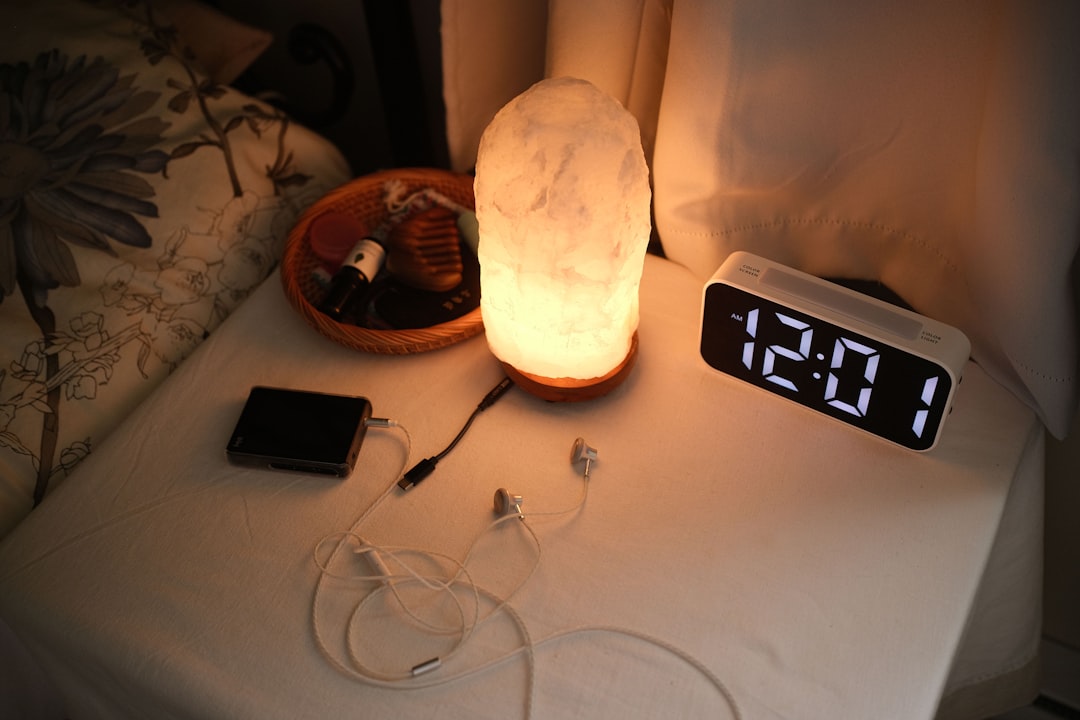
I live in a neighborhood where someone’s dog has decided that 4:45 AM is the perfect time to start a howling symphony. For years I used a cheap white noise app on my phone, which worked about as well as you’d expect from a phone speaker propped on a nightstand. Upgrading to a dedicated Hatch Restore 2 sound machine and sunrise alarm was a revelation. This device combines a sound machine with a gradually brightening light that simulates a real sunrise in your bedroom. Waking up to slowly increasing warm light instead of a jarring buzzer is one of those small changes that compounds into something massive. I stopped hitting snooze. I stopped dreading the alarm. My morning energy shifted from “survive” to “let’s go” within about a week.
The Hatch app lets you build a personalized wind-down routine — dimming lights, transitioning from white noise to nature sounds, and gradually darkening the room as you drift off. I also tested a dedicated brown noise machine for travel, and honestly, the difference between white noise and brown noise is night and day. Brown noise has a deeper, richer quality that drowns out sudden sounds without being irritating. It’s like the difference between a distant waterfall and static from an old TV. Once you go brown, you don’t go back.
Blackout Curtains and Sleep Masks: Controlling What You Can’t Control
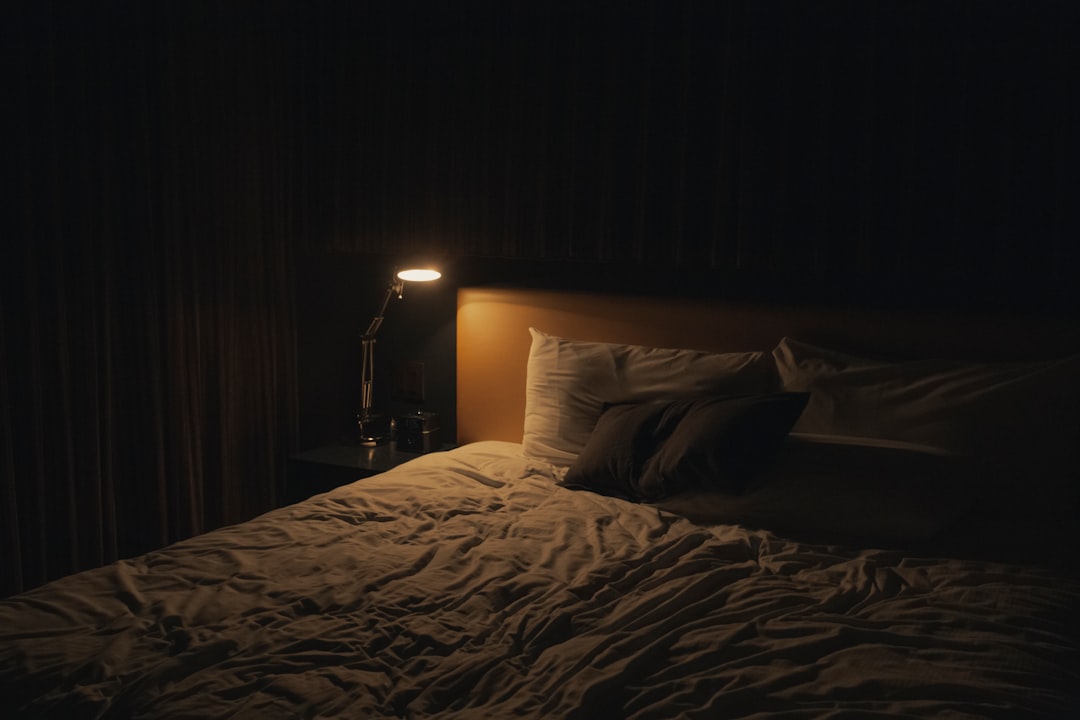
Here’s where I’ll save you some money. I bought fancy 100% blackout curtains for my bedroom, and they work beautifully — if your room is set up for them. But if you’re in a rental, a weird window configuration, or you travel frequently, curtains aren’t always practical. That’s where a high-quality weighted silk sleep mask comes in. I know, I know — a sleep mask sounds like the most basic thing on this list. But the weighted ones are different. They provide gentle pressure across your eyes and forehead, which research suggests can help with anxiety and tension headaches, and the silk material doesn’t absorb your skincare or create friction on your skin. I travel with mine everywhere now. It’s the single most-used sleep item I own.
The Gear That Didn’t Earn a Permanent Spot
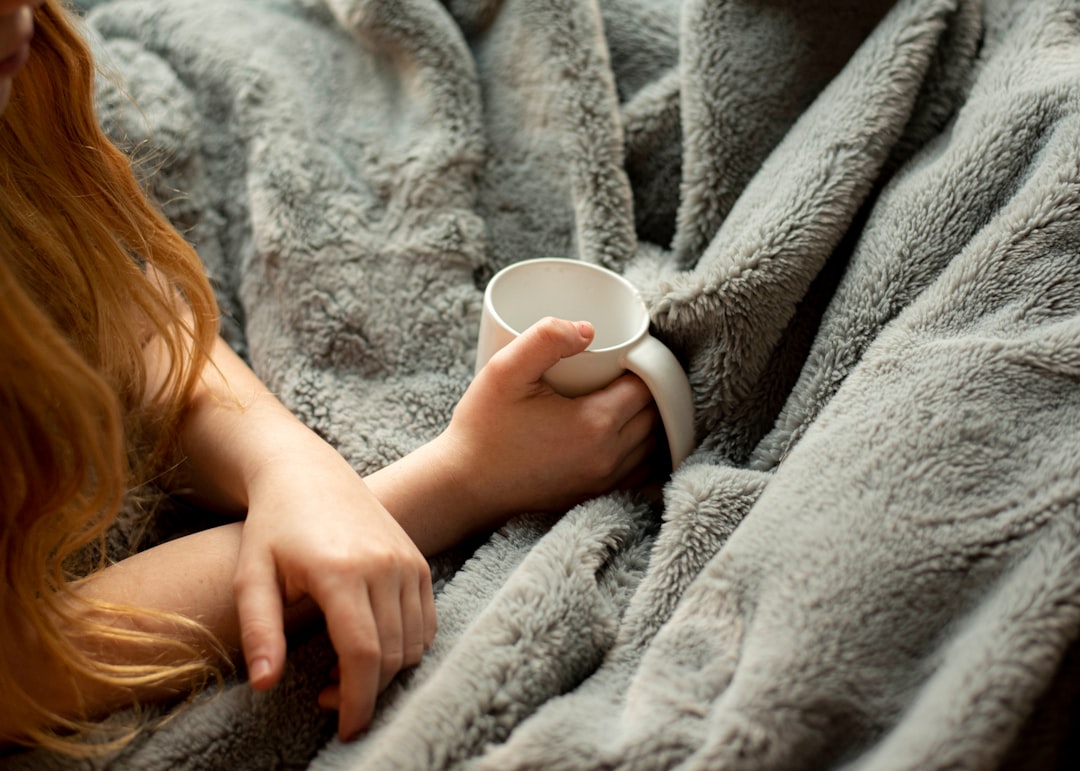
Not everything I tried earned a place in my sleep setup. Weighted blankets, for example — I know people who swear by them, and there’s research supporting their calming effects. But I found them too warm even with a cooling system running, and I’m a restless sleeper who moves around a lot. Waking up tangled in 20 pounds of blanket at 3 AM is not the wellness experience I was hoping for. If you’re someone who sleeps still and runs cold, a cooling-weighted blanket hybrid might work for you. Just don’t assume it’s universally helpful.
I also tested a smart pillow with built-in speakers and sleep tracking. The concept is cool — gentle audio that only you can hear, head-position tracking, the works. In practice, the pillow was uncomfortable for anyone who sleeps on their side, the app was clunky, and the tracking data was inconsistent compared to both Oura and Whoop. At nearly $300, it’s a hard pass from me. Sometimes a good old-fashioned cooling gel memory foam pillow at a fraction of the price does the job better than the “smart” version.
The Supplement Side of Sleep: What I Actually Take
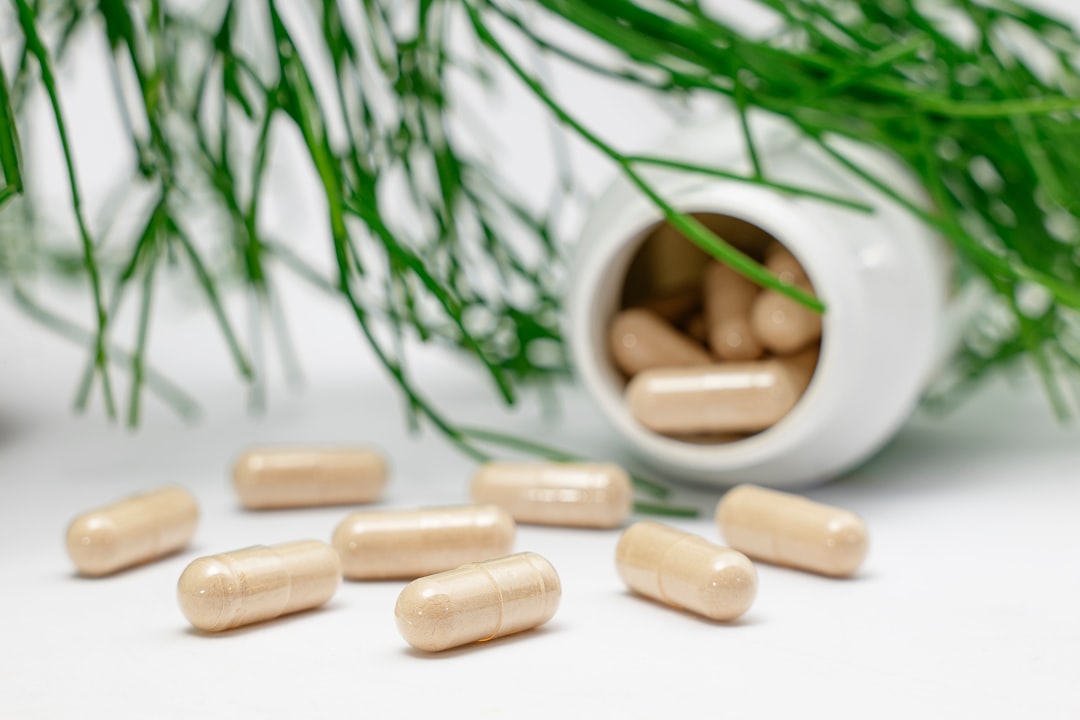
Gear and gadgets are only part of the equation. As someone who writes about supplements with a healthy dose of skepticism, I approached sleep supplements the same way I approach everything — research first, personal testing second. Magnesium glycinate is the real deal. I take 400mg about an hour before bed and it genuinely helps with muscle relaxation and calming the nervous system. Not all magnesium is created equal, though. Skip the oxide (poor absorption) and go with glycinate or threonate for sleep-specific benefits. You can find quality options when you shop for magnesium glycinate supplements — just look for third-party tested brands.
I also cycle L-theanine on nights when my brain won’t shut off. It’s an amino acid found in green tea that promotes calm without drowsiness. It won’t knock you out like melatonin, but it takes the edge off that racing-thoughts feeling that keeps you staring at the ceiling. A good L-theanine supplement paired with magnesium has become my go-to stack. And yes, I’ve tried melatonin — but the less said about the vivid dreams and morning grogginess, the better. Micro-dosing it at 0.3mg works for some people, but it’s not my personal favorite tool.
Building Your Sleep Toolkit: Where to Start
If you’re reading this and thinking “I can’t afford all of this,” relax. You don’t need all of it. If budget is tight, start with three things: a good sleep mask, magnesium glycinate, and a sound machine. That’s under $80 total and it addresses the biggest sleep disruptors — light, noise, and nervous system activation. From there, if you want to invest further, a cooling mattress pad or system will give you the single biggest return on investment, especially if you’re a hot sleeper or going through hormonal changes that affect your temperature regulation. This is something I talk about often with my clients, especially women navigating perimenopause or postpartum recovery — temperature control isn’t a luxury, it’s a necessity.
The tracker question depends on what you already own and how data-driven you like to be. If you already wear a Whoop or an Apple Watch, dig into the sleep features before buying another device. If you want dedicated sleep insights without wearing something on your wrist, Oura is excellent. And if you just want to know whether you snore or stop breathing at night, the under-mattress options are surprisingly capable. You can explore a range of sleep tracking devices to find what fits your lifestyle and budget.
The 15-Minute Wind-Down That Ties It All Together
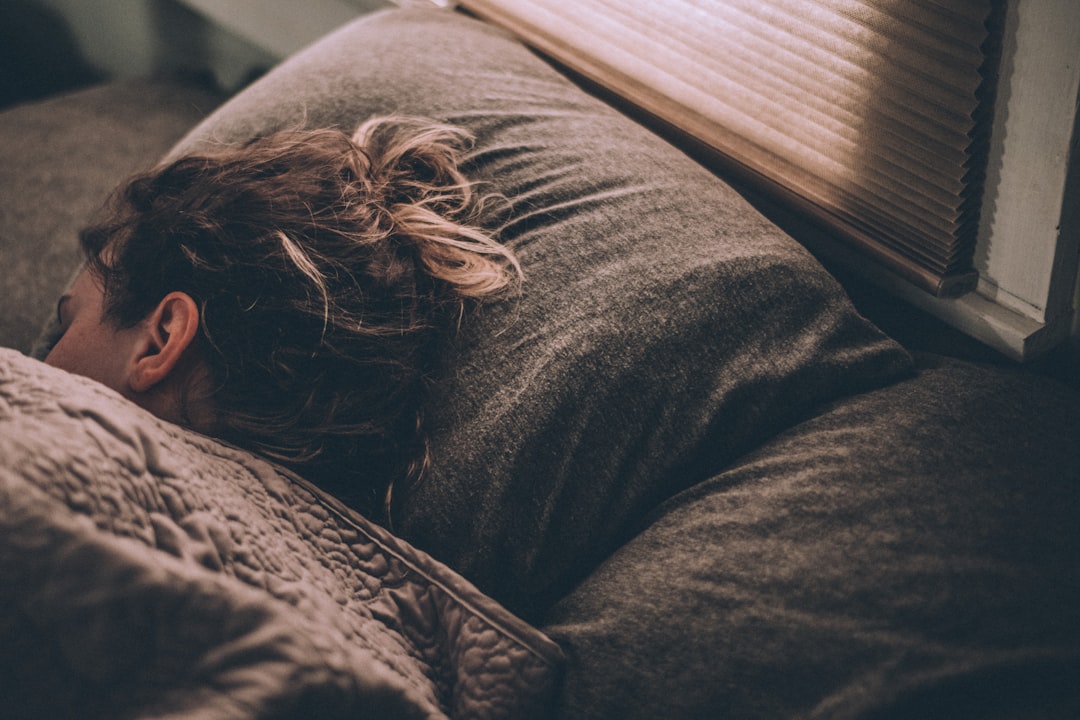
None of this gear matters if you’re scrolling TikTok until your eyes burn. The way you transition into sleep is just as important as the tools you use during it. My current routine: 60 minutes before bed, I dim all lights and activate my Hatch wind-down routine. 45 minutes before, I take magnesium and make a cup of chamomile tea. 30 minutes before, I do 5 minutes of box breathing (4 seconds in, 4 hold, 4 out, 4 hold — repeat) followed by gentle hip and shoulder stretches on my bedroom floor. By the time my head hits the pillow, my body is already halfway to sleep. The cooling pad is running at 67 degrees. Brown noise is filling the room. My Oura ring is ready to capture what happens next. And most mornings now, I wake up before my sunrise alarm — genuinely rested and ready to move.
Sleep isn’t just recovery. It’s where everything else you do — training, eating, thinking, living — either gets locked in or gets wasted. You can have the perfect workout program and the cleanest diet on the planet, but if your sleep is broken, you’re building a house on a crumbling foundation. Fix your sleep first. The rest follows. And if you need a little help getting there, the right gear can make the difference between fighting your nights and actually enjoying them.




2 Comments on “I Spent Six Weeks Rebuilding My Sleep Setup — and Only Half the Gadgets Were Worth It”