Why Recovery Matters More Than You Think
After years of coaching clients and pushing my own body through track training, high-intensity interval sessions, and strength programs, I’ve learned one undeniable truth: recovery isn’t optional — it’s everything. That nagging knee pain that won’t go away? The shoulder tightness after heavy overhead pressing? The three-day soreness following a brutal leg day? These aren’t badges of honor. They’re your body screaming for recovery tools and strategies that actually work.
The science is crystal clear: muscle growth happens during recovery, not during the workout. When you push your body, you create microtears in muscle fibers. Recovery is where those fibers repair stronger, denser, and more resilient. Skip it, and you’re not just delaying progress — you’re inviting injury, burnout, and frustration. I’ve seen countless athletes and everyday fitness enthusiasts hit plateaus not because they’re training too little, but because they’re recovering too poorly.
Over the past decade, the recovery landscape has exploded. We’ve moved from basic foam rollers and stretching to sophisticated percussion massage guns, compression therapy systems, cryotherapy chambers, and smart wearables that track your recovery metrics. Some of this technology is genuinely transformative. Some is overhyped garbage. After testing dozens of products on myself and my clients over the last five years, I’m going to cut through the noise and show you what actually works — and what’s worth your hard-earned money.
The Science of Muscle Recovery: What’s Really Happening
Before we dive into the tools, let’s quickly understand what we’re trying to optimize. After intense exercise, your body faces three major recovery challenges: inflammation, muscle damage, and nervous system fatigue. The right recovery tools address all three.
Inflammation isn’t inherently bad — it’s your body’s natural healing response. But chronic, excessive inflammation delays recovery and contributes to that stiff, achy feeling we all dread. Anti-inflammatory recovery tools like cold therapy and compression help manage this response without shutting it down completely.
Muscle damage — those microtears I mentioned — needs protein, rest, and blood flow to repair properly. Techniques that enhance circulation deliver oxygen and nutrients faster to damaged tissues, accelerating the repair process. This is where massage recovery devices and active recovery tools shine.
Then there’s nervous system fatigue, which most people completely overlook. High-intensity training taxes your central nervous system, leading to poor sleep, reduced coordination, and that “wired but tired” feeling. Parasympathetic activation tools — breathing exercises, gentle yoga, certain types of stretching — calm your nervous system and promote deeper, more restorative sleep.
The most effective recovery protocols target all three systems simultaneously. That’s why I recommend building a recovery toolkit rather than relying on a single magic bullet. Let’s dive into the specific tools that have earned a permanent place in my recovery routine.
Percussion Massage Guns: Are They Worth the Hype?
When percussion therapy devices first hit the market, I was skeptical. They seemed like another expensive gadget for people who already had too much fitness equipment. Then I borrowed one from a client, used it on my quads after a heavy squat session, and felt something I hadn’t experienced in years: immediate, genuine relief from deep muscle tension.
Here’s what percussion guns actually do: they deliver rapid, concentrated pressure pulses into muscle tissue, creating a vibration effect that increases blood flow, reduces muscle tension, and disrupts scar tissue. The key is depth — they reach deep into the muscle belly in ways that foam rollers and manual massage often can’t. For anyone dealing with chronic tightness in large muscle groups — quads, hamstrings, glutes, upper back — a deep tissue percussion gun can be genuinely transformative.
But they’re not magic. I’ve seen plenty of people buy high-end devices, use them once, then let them gather dust. Like any tool, they require consistency and proper technique. The mistake I see most often is treating them like jackhammers — blasting away at maximum intensity until you’re bruised and sore. Instead, think of them as precision instruments. Use lower speeds for sensitive areas, gradually increase pressure as your tissues adapt, and focus on each muscle group for 60-90 seconds rather than spending ten minutes on your quads alone.
For most people, mid-range devices offer the best value. You don’t need to spend $600 on a clinical-grade model unless you’re a serious athlete training multiple hours daily. Quality percussion massage guns under $100 have improved dramatically and provide excellent performance for typical fitness enthusiasts. The key features to look for: adjustable speed settings, decent battery life (at least 2-3 hours), and attachments for different muscle groups.
I recommend using percussion therapy post-workout, after your cool-down, when your muscles are still warm. Spend 30-60 seconds per muscle group, using circular motions and focusing on the thickest part of the muscle belly. Avoid bony areas, joints, and any particularly sensitive spots. And remember: percussion therapy is one tool in your kit, not a complete recovery solution. Combine it with proper nutrition, hydration, and sleep for optimal results.
Compression Boots and Sleeves: Pro-Level Recovery at Home?
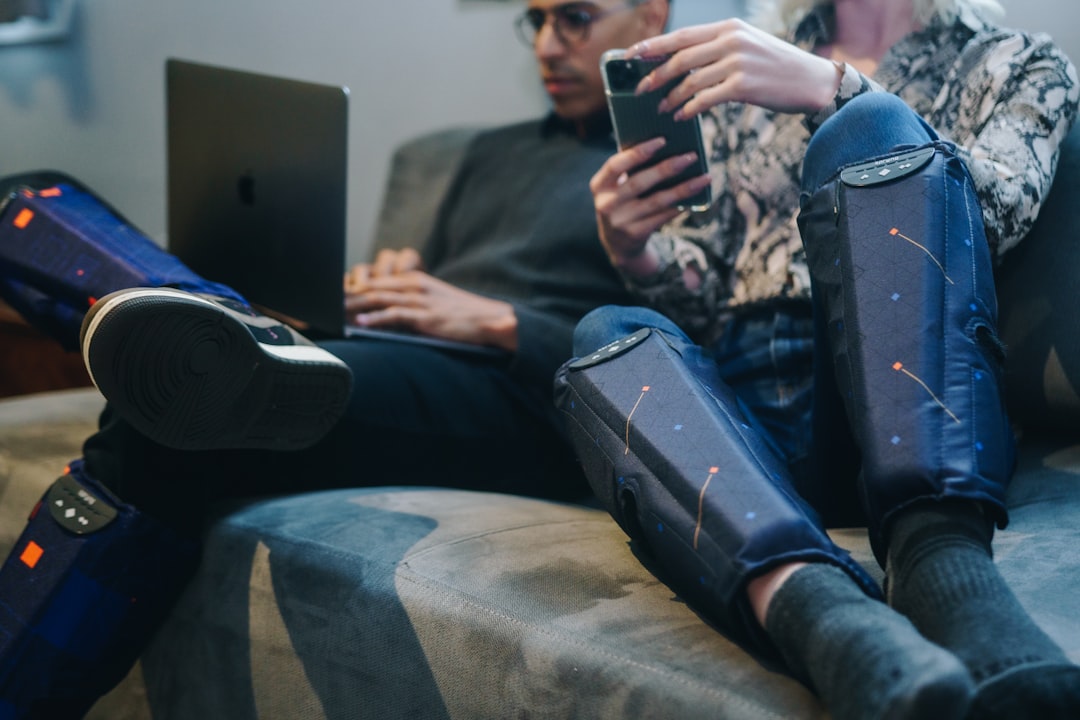
If you’ve ever been to a professional sports training facility, you’ve probably seen athletes sitting with their legs encased in what look like inflatable space boots. These are compression therapy systems, and they’ve been used in elite sports for decades. In recent years, home versions have become accessible — and yes, they’re as effective as advertised.
Compression therapy works through a simple but powerful mechanism: sequential, gradient pressure that mimics your body’s natural muscle pump. The boots inflate from your feet upward, pushing blood and lymph fluid back toward your heart. This enhanced circulation delivers fresh oxygen and nutrients to fatigued muscles while flushing out metabolic waste products. The result? Reduced soreness, faster recovery, and significantly less leg swelling after long workouts or lots of time on your feet.
The research on compression therapy is solid. Studies consistently show faster clearance of lactate and other metabolic byproducts, reduced muscle soreness, and improved performance in subsequent workouts. For runners, cyclists, and anyone who does heavy lower-body training, recovery compression boots can be genuinely game-changing.
I use my compression boots three to four times per week, especially after heavy leg days or long runs. The difference in how my legs feel the next morning is noticeable — less stiffness, lighter feeling, and ready to train again sooner. They’re also incredibly relaxing. There’s something deeply satisfying about lying back, reading or watching something, while your legs get a gentle, rhythmic massage.
Quality matters here. Cheap systems often have poor pressure distribution, noisy compressors, and uncomfortable fit. Look for quality compression systems with adjustable pressure settings, multiple chamber zones for sequential compression, and comfortable, durable construction. Expect to pay $300-600 for a good home system — less than professional models, but still an investment. For serious athletes or anyone dealing with chronic leg fatigue and swelling, they’re worth every penny.
Foam Rolling and Self-Myofascial Release: The Foundation of Recovery
Before all the high-tech gadgets entered the scene, there was foam rolling — and it remains one of the most effective, accessible recovery tools available. I’ve been foam rolling for nearly twenty years, and I still use it several times per week. Why? Because it works, it’s simple, and it requires nothing more than a foam cylinder and ten minutes.
Foam rolling is a form of self-myofascial release. Your muscles are surrounded by fascia, a connective tissue that can become tight, adhered, and restricted over time. Poor posture, repetitive movements, and intense exercise all contribute to fascial restrictions, which limit mobility and contribute to that “stiff” feeling. Foam rolling applies sustained pressure to these tight areas, helping to release tension, improve blood flow, and restore normal sliding between muscle layers.
The key to effective foam rolling is slow, controlled movement. Find a tight spot — you’ll know it when you hit it — and hold there for 30-60 seconds. You might feel discomfort, but it should be “good” discomfort, not sharp or shooting pain. As you hold, you’ll often feel the muscle gradually release and relax. Move slowly, breathe deeply, and avoid bouncing or jerky movements.
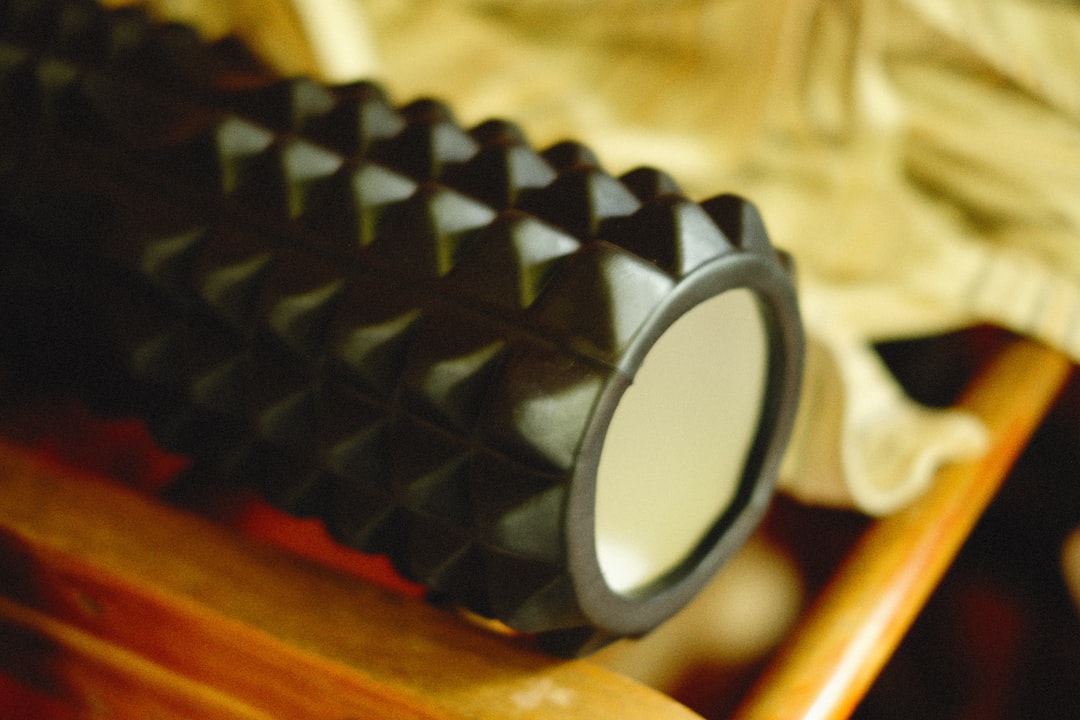
Invest in a good high-density foam roller that won’t deform over time. Soft, squishy rollers might feel comfortable, but they don’t provide enough pressure to effectively release tight tissue. I recommend textured rollers with ridges or bumps for deeper work, especially for experienced users who need more intensity. Target your major muscle groups: calves, hamstrings, quads, glutes, lats, and upper back. Spend extra time on chronically tight areas — for most people, that’s the hips, thoracic spine, and calves.
Foam rolling isn’t just for post-workout recovery. I often roll before workouts as part of my warm-up, focusing on areas that are typically tight to improve mobility and movement quality. It’s also incredibly beneficial on rest days, promoting blood flow to tissues without adding training stress. Ten minutes of rolling can dramatically improve how you feel and move, making it one of the highest-return investments in your recovery toolkit.

Cold Therapy and Contrast Baths: Old School Methods That Still Work
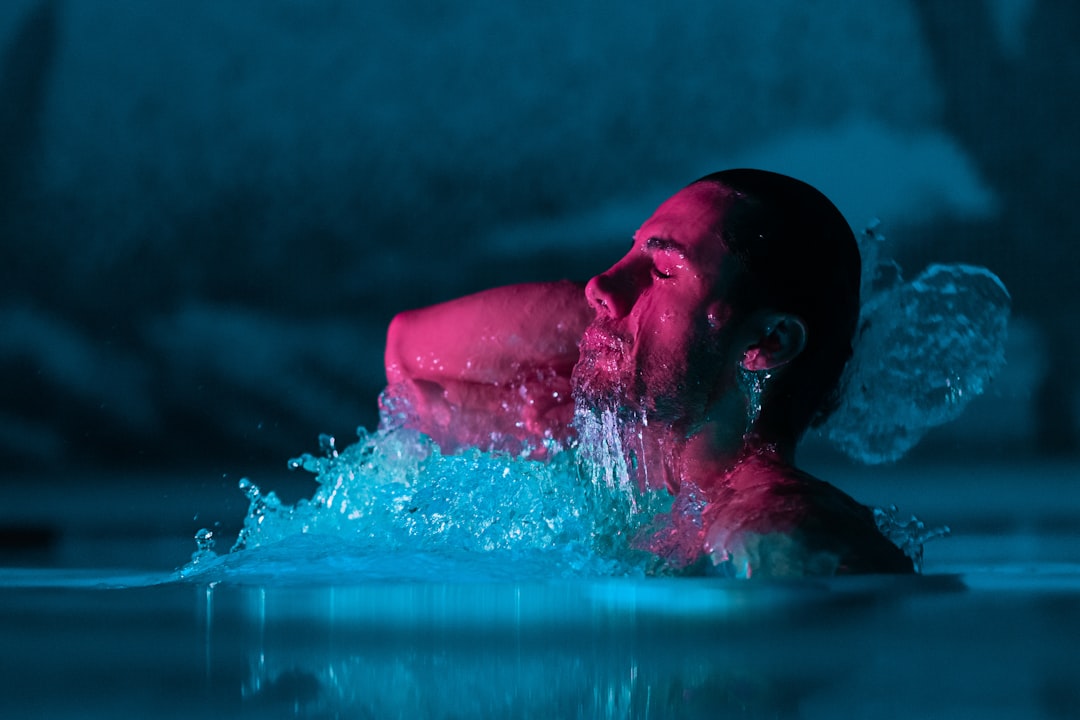
Long before recovery gadgets existed, athletes used temperature manipulation to enhance recovery. Cold therapy — ice baths, cold showers, cryotherapy — reduces inflammation, numbs pain, and constricts blood vessels, which helps flush out metabolic waste. Heat therapy — hot tubs, saunas — increases blood flow, relaxes muscles, and promotes flexibility. Contrast therapy alternates between hot and cold, creating a pumping effect that dramatically enhances circulation.
These aren’t just old wive’s tales. The science behind temperature-based recovery is robust. Cold exposure after intense exercise significantly reduces muscle soreness and inflammation, especially in the first 24-48 hours post-workout. Heat therapy before workouts enhances performance by increasing tissue temperature and blood flow, while sauna use after exercise has been shown to promote growth hormone release and improve endurance markers.
You don’t need expensive equipment. A simple home cold therapy setup — even just a bathtub filled with cold water and ice — works beautifully. Aim for 10-15 minutes at 50-59°F for optimal effect. If that’s too intense, start with a cold shower for 2-3 minutes and gradually increase duration. For heat therapy, a hot bath or 15-20 minutes in a sauna provides excellent benefits. For contrast therapy, alternate 3-4 minutes hot with 1 minute cold, repeating for 3-4 cycles and always ending with cold.
Temperature-based recovery is particularly effective for heavy training blocks, competition periods, or whenever you’re pushing your body hard. I use contrast therapy after my most demanding training days, and cold showers regularly for overall health benefits. Beyond muscle recovery, cold exposure has powerful effects on mood, energy, and immune function — making it a valuable addition to any wellness routine.
One caveat: cold therapy immediately post-workout might blunt some of the adaptive signaling that drives muscle growth and fitness improvements. If your goal is maximum muscle gain or performance adaptation, consider timing your cold exposure a bit later — a few hours after training or before bed. For general recovery and soreness reduction, post-workout cold works perfectly fine.
Active Recovery: Moving Your Way to Faster Healing
The most underrated recovery tool? Movement itself. I know what you’re thinking: “I’m exhausted from my workout, and you want me to move more?” But here’s the thing: complete rest isn’t optimal recovery. Light movement — what we call active recovery — enhances blood flow, reduces muscle stiffness, and promotes healing without adding significant training stress.
Active recovery takes many forms. It could be a 20-minute walk, a gentle bike ride, easy swimming, yoga, or even just mobility work and stretching. The key is low intensity — you should be able to hold a conversation easily — and short duration. Fifteen to thirty minutes is plenty. Think of it as movement for movement’s sake, not another workout.
The benefits are substantial. Active recovery increases circulation, delivering fresh oxygen and nutrients to fatigued muscles while removing waste products. It reduces joint stiffness and improves range of motion. It promotes parasympathetic nervous system activation, shifting your body from “fight or flight” into “rest and digest” mode. And psychologically, it feels good — light movement lifts mood and energy without the fatigue of intense training.
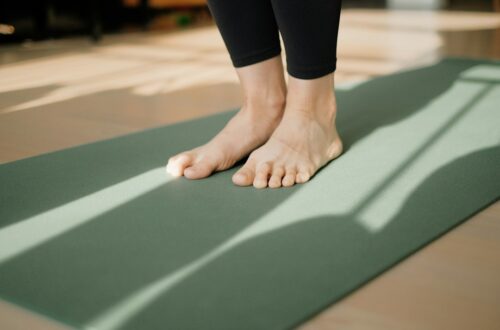
I schedule active recovery sessions one to two times per week, typically on days between hard training sessions. Quality yoga mats and basic mobility equipment make these sessions more enjoyable and effective, but you don’t need much gear. The point is simply to move your body gently and mindfully, listening to how you feel and responding accordingly.
For best results, choose activities you genuinely enjoy. If you hate yoga, don’t force it. A walk in nature, gentle cycling, or even dancing in your living room works perfectly. The best active recovery modality is the one you’ll actually do consistently. Make it pleasant, make it short, and make it non-negotiable on your lighter training days.
Sleep and Nutrition: The Non-Negotiable Foundation
Before we wrap up, I need to emphasize something crucial: no recovery tool or gadget compensates for poor sleep and nutrition. These are the foundation of recovery, and if they’re not solid, nothing else matters much.
Sleep is when the vast majority of recovery and repair happens. Growth hormone release, tissue repair, immune function, and nervous system recovery — they all occur primarily during sleep, especially deep and REM stages. Skimp on sleep, and you’re compromising your recovery regardless of how many fancy tools you use. Aim for 7-9 hours per night, optimize your sleep environment (cool, dark, quiet), and maintain a consistent sleep schedule even on weekends. If you struggle with sleep quality, sleep support supplements like magnesium, glycine, and herbal blends can help, but lifestyle factors come first.
Nutrition is equally critical. Protein provides the amino acids necessary for muscle repair. Carbohydrates replenish glycogen stores and support recovery. Healthy fats reduce inflammation and support hormonal balance. Micronutrients — vitamins, minerals, phytochemicals — drive countless recovery processes. Time your nutrition properly: consume protein and carbs within an hour or two post-workout, stay consistently hydrated throughout the day, and don’t severely restrict calories during heavy training blocks. Quality workout recovery protein can be incredibly convenient, but whole foods should form the foundation of your nutrition approach.
I view sleep and nutrition as the non-negotiable base of a pyramid. Everything else — percussion guns, compression boots, cold therapy — sits on top of that base. If the base is shaky, the pyramid collapses. Get your sleep and nutrition solid, then layer in targeted recovery tools for specific needs and goals.

Building Your Personal Recovery Toolkit
So where do you start? If you’re on a tight budget, begin with foam rolling and active recovery. These cost almost nothing and deliver massive benefits. Add cold therapy with simple ice baths or cold showers. That’s a powerful foundation for under $50.
If you can invest a bit more, a mid-range budget percussion massage gun ($100-200) and a good foam roller ($30-50) will cover 90% of most people’s recovery needs. Use them consistently, and you’ll notice a significant difference in how you feel, move, and perform.
For serious athletes or those with specific recovery needs, compression therapy systems ($300-600) and advanced modalities like sauna or cryotherapy provide additional benefits. But don’t feel like you need everything. The best recovery toolkit is the one you’ll actually use consistently, and sometimes simpler is better.
Listen to your body. Recovery needs vary based on training intensity, age, stress levels, sleep quality, and individual factors. Some weeks you’ll need more intensive recovery; other weeks, light movement and good sleep will suffice. Build flexibility into your approach and adjust based on how you feel and perform.
Recovery isn’t sexy — it doesn’t get the Instagram love that heavy deadlifts or marathon training sessions do — but it’s absolutely essential for long-term progress, health, and enjoyment of fitness. Invest in recovery tools that work for you, use them consistently, and your body will thank you with better performance, fewer injuries, and sustainable progress for years to come.



6 Comments on “Best Recovery Tools for 2026: Complete Guide to Faster Muscle Recovery and Less Soreness”