Why I’m Moving My Workout Outside This Spring
There’s something magical about throwing open your windows on that first truly warm day of spring, isn’t there? After months of gym fluorescent lights and basement workout corners, I found myself itching to take my fitness routine outside. Maybe you’re feeling it too—that urge to trade treadmill running for fresh air, to swap your living floor for actual grass, to let the sun beat down on your back instead of artificial lighting.
But here’s the thing I learned the hard way: indoor fitness gear doesn’t always translate to outdoor success. That perfect yoga mat that transformed your home practice? Turns into a slip-and-slide on morning dew. Those resistance bands that are brilliant for apartment living? Lose their elasticity faster in UV exposure. And don’t get me started on what happens to your electronics when you forget about humidity.
Last spring, I made every mistake in the book. I tried using my indoor equipment outside, ended up frustrated, and nearly abandoned my outdoor fitness goals before Memorial Day. But this year? This year I’m prepared. And after months of testing, researching, and learning from failures, I’ve curated the perfect outdoor fitness gear collection that’s transformed my spring and summer workouts from frustrating to fantastic.
The Foundation: Weather-Resistant Exercise Mats
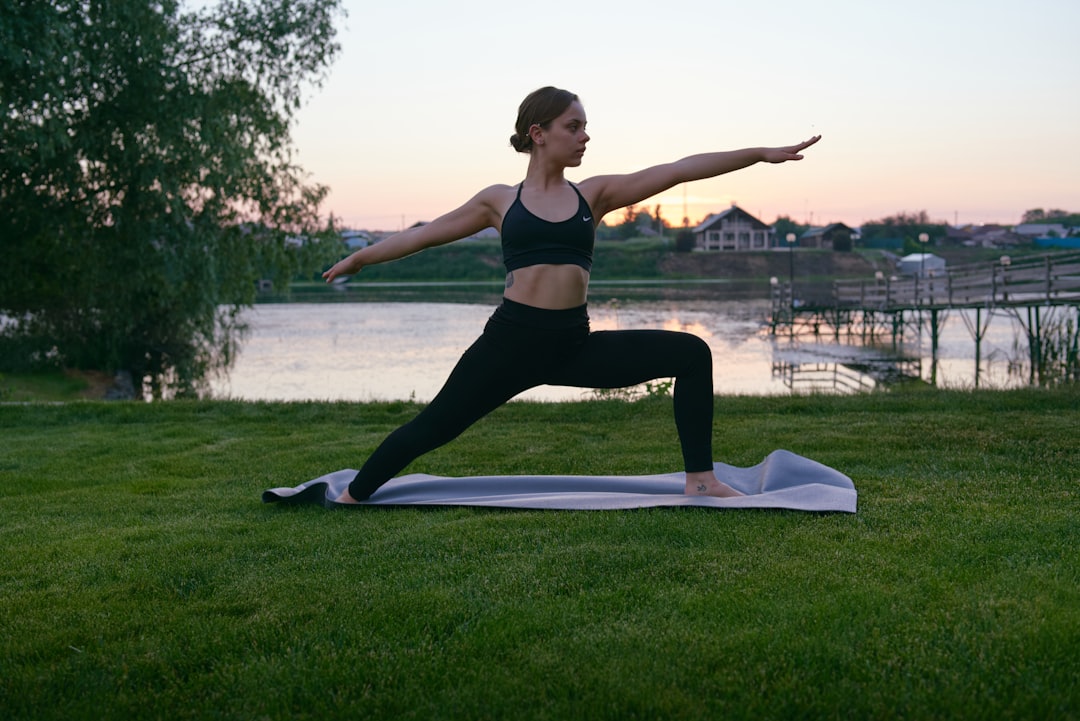
Let’s start with the most important piece of equipment—your surface. Last year, I made the rookie mistake of dragging my favorite indoor yoga mat onto my deck for sunrise flows. Within two weeks, it was faded, slippery from morning moisture absorption, and starting to delaminate. That $65 mat? Ruined.
What I’ve learned: outdoor workouts demand mats specifically designed for the elements. You need something that can handle morning dew, direct sunlight, and the occasional unexpected rain shower. I’ve been testing weather-resistant options for months, and the difference is night and day.
The best outdoor mats feature closed-cell foam construction (preventing water absorption), UV-stabilized materials (no fading or degradation), and textured surfaces (maintaining grip even when damp). I particularly love mats with carrying straps—they’re perfect for throwing over your shoulder on the way to the park or beach. Some even have antimicrobial treatments, which is crucial when you’re setting up on grass or sand that might have seen some wildlife traffic.
Shop for weather-resistant yoga mats that can handle whatever Mother Nature throws at them. Look for thickness around 4-6mm for joint support on uneven terrain, and consider darker colors that won’t show dirt and grass stains as dramatically as lighter options.

Smart Hydration: It’s Different Outdoors
Here’s something nobody tells you about outdoor workouts: your hydration needs change dramatically. Indoors, with controlled temperature and humidity, I could easily get through a 45-minute session with my standard 24-ounce water bottle. Outside? Even on what feels like a mild 70-degree day, I’m draining double that amount.
Sun exposure, wind, and fluctuating temperatures create different cooling demands on your body. Add in spring’s notorious temperature swings (crisp mornings, warm afternoons, cool evenings), and hydration becomes genuinely tricky to manage.
I’ve upgraded my entire hydration setup this year. Instead of a single basic bottle, I now use different systems for different conditions. For high-intensity interval sessions or trail runs, hydration vests or backpacks keep water accessible without breaking rhythm. For yoga flows or strength training in the park, large capacity insulated bottles maintain temperature for hours—crucial when there’s no indoor fridge to restock.
Some outdoor athletes swear by electrolyte additives, and I’ve started experimenting with them on longer sessions. The science makes sense: when you’re sweating more heavily in direct sun, you’re not just losing water—you’re depleting minerals that affect muscle function and energy levels. I keep individual powder packets in my gear bag now, and on days over 75 degrees, I’ll add one to my second bottle refill.
The Versatility Question: Resistance Bands Reimagined
If you’ve been following my journey, you know I’m obsessed with resistance bands. They’ve transformed my strength training, offering incredible variety in a tiny footprint. But when I started taking them outdoors, I quickly realized I needed outdoor-specific options.
Standard fabric bands? Absorb sweat and humidity, then develop that distinctive musty gym smell within weeks. Traditional latex bands? Degrade faster with UV exposure, and I’ve had more than one snap mid-workout after a month of regular outdoor use.
The solution: bands specifically designed for outdoor and heavy-duty use. I’m now using professional-grade latex with UV inhibitors, plus fabric bands coated in moisture-wicking antimicrobial material. The investment is slightly higher, but they’re lasting months instead of weeks in regular outdoor rotation.
Here’s my favorite outdoor band setup: one light fabric band for warm-ups and mobility work, two medium-weight latex bands for upper body exercises, and one heavy-duty band for lower body moves like squats and lateral walks. The whole system weighs less than a pound and fits in a tiny pocket of my gear bag, but it gives me a full-body strength workout anywhere—a park bench, a tree, even just standing on grass.
Explore outdoor-resistant band sets that will stand up to sun, sweat, and spring’s unpredictable weather patterns.
Footwear: Where Ground Surface Matters
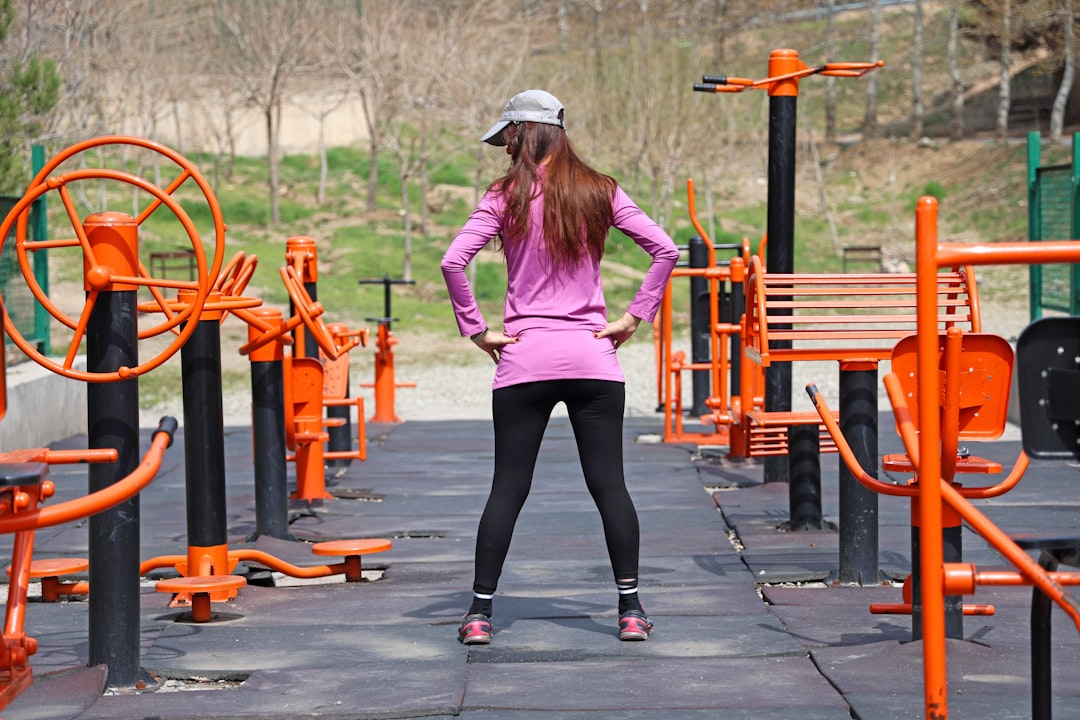
Can we talk about how different outdoor surfaces feel compared to gym flooring? Your living room carpet or yoga studio hardwood has nothing on the variety of terrains you’ll encounter outside. Grass, dirt trails, paved paths, sand, gravel—each demands something different from your footwear.
For the first month of outdoor workouts, I stubbornly stuck with my indoor training shoes. The result? Fascia pain in my feet from uneven terrain, slippery soles on morning dew, and a spectacular wipeout on a wet park bench during step-ups. Not my finest moment.
I’ve since learned that outdoor cross-training shoes need specific features: deeper tread for traction on varied surfaces, reinforced toes for rocky trails, and quick-drying materials for those days when you get caught in rain or work up a serious sweat. Some even have drainage systems, which sounds excessive until you’re doing lunges on wet grass and feel every squishy step.
My current rotation includes three different shoes for different outdoor workouts: minimalist shoes for yoga and bodyweight training on grass (great for foot strength), cushioned cross-trainers for HIIT and plyometric work on harder surfaces, and trail shoes for outdoor running and hiking-style workouts. It sounds excessive, but the right footwear has literally eliminated the joint pain I was experiencing from trying to make one shoe work everywhere.
Explore minimalist barefoot shoes for building foot strength and ground connection during outdoor workouts.
Browse women’s outdoor cross-training shoes designed for varied terrain and weather conditions.

Sun Protection: Non-Negotiable Gear
I’ll admit it—I’m a smartwatch addict. I love tracking my heart rate, monitoring my zones, and geeking out on performance data afterward. But I’ve had to rethink which technology actually makes sense for outdoor workouts.
First reality check: phone screens are nearly unreadable in direct sunlight. I spent weeks squinting at my phone between sets, trying to follow workout apps or check my timing. Not only was it frustrating, but I was also constantly worried about dropping it on concrete or getting sand in the charging port.
The solution? Strategic tech minimalism. I now use my smartwatch for most tracking (heart rate, intervals, timing), and leave my phone safely in a shaded spot unless I specifically need it for something. For guided workouts, I downloaded everything ahead of time and use a small, shade-creating tablet stand—sounds excessive until you’re trying to follow a yoga flow while your phone keeps going into auto-brightness overdrive.
Portable speakers have become another non-negotiable for me. The right soundtrack can transform an outdoor workout from pleasant to genuinely motivating. I look for waterproof or water-resistant options (because surprise spring showers happen), battery life that lasts at least 6 hours, and compact designs that won’t dominate my gear bag. Some even have built-in microphones, so I can take calls between sets without fumbling with my phone.
Shop waterproof portable speakers designed for outdoor use and unexpected weather.

The Tech Question: What Belongs Outside?
I’ll say something controversial: I think sun protection counts as fitness gear. Not an accessory, not an afterthought—actual equipment that affects your performance and safety. Here’s why I changed my thinking.
Last June, I did a sunrise HIIT session without thinking about sun exposure. By 8 AM, I was regretting everything. Not just because of the mild sunburn (which was annoying enough), but because the heat and glare affected my performance. I was squinting, I was fatiguing faster, and I cut my workout short by 15 minutes because I felt awful.
Smart outdoor athletes treat sun protection as performance equipment. I now use a three-part system: UPF-rated clothing for longer sessions, broad-spectrum sunscreen for exposed skin, and polarized sunglasses for eye protection. The difference in my endurance and comfort is measurable—no joke.
My favorite discovery? UPF-rated fitness clothing. Unlike regular fabric that can let UV rays through (especially when wet or stretched), these pieces have a tight weave or special treatments that consistently block UV radiation. I have a long-sleeve lightweight shirt that’s become my outdoor workout MVP—I can wear it in 80-degree weather without overheating, and I never have to worry about reapplying sunscreen to my torso.
For shorter sessions or when I want to show more skin, I’m religious about sunscreen application. The key detail nobody mentions: you need water-resistant formulas for serious outdoor sweating. Regular sunscreen drips into your eyes mid-workout, and let me tell you from experience, that burns like nothing else.
Shop water-resistant sport sunscreen that stays put during intense outdoor sweat sessions.

Recovery on the Go
Here’s something I didn’t anticipate: outdoor workouts hit your body differently. The uneven terrain, wind resistance, and varied temperatures create different muscular demands than perfectly controlled indoor environments. After my first week of outdoor training, I was sore in places I didn’t know existed.
My recovery kit now travels with me. Portable massage guns have become essential—I keep a compact version in my gear bag for post-workout rollout right there in the park. The weird looks from other park-goers? Worth it for how much faster I recover between sessions.
Stretching has also taken on new importance. Without the controlled environment of indoor workouts, my muscles work differently during outdoor sessions. I now dedicate at least 10 minutes post-workout to dynamic stretching, often incorporating park features (benches for hip flexor stretches, trees for balance work). It’s transformed my recovery time and dramatically reduced next-day soreness.
Browse portable massage guns for on-the-go recovery after intense outdoor training sessions.
For cooling down after intense sessions in the heat, I’ve started carrying cooling towels. You soak them in water, wring them out, and they stay chilled for up to two hours through evaporative cooling. They sound gimmicky until you’re overheating after a brutal HIIT session in the sun—then they feel like absolute heaven.
Shop evaporative cooling towels that provide instant relief during hot weather workouts.
Storage and Transport: The Practical Stuff
Here’s the unglamorous truth about outdoor fitness: logistics matter. I spent my first outdoor season constantly forgetting things, arriving at the park without essential gear, or struggling to carry everything comfortably. The workout itself might be glorious, but the getting there and back was pure stress.
This year, I invested in proper gear storage, and it’s been game-changing. A dedicated fitness backpack with separate compartments for wet/dry items, insulated pockets for water bottles, and external loops for mat storage means I can grab and go without the mental load of remembering everything. Some even have built-in cooler pockets for those scorching July days when cold water feels like a luxury.
For shorter sessions or when I want to travel light, I use a versatile tote with waterproof lining. It holds my mat, resistance bands, water bottle, phone, and keys, plus has pockets for smaller items like sunscreen and emergency cash. The waterproof lining is crucial—morning dew and sweat can soak through regular bags and ruin everything inside.
Speaking of keys, I’ve finally solved the annoying problem of what to do with them during workouts. A combination lock with a resettable code lets me secure my bag to park fixtures without worrying about theft while I’m in the middle of a flow session. It sounds paranoid until you’ve had your bag disappear mid-workout (yes, this actually happened to me last summer).
Explore fitness gear bags designed to organize and protect your outdoor workout equipment.
Making It Work With Your Budget
I’ll be real with you: building a comprehensive outdoor gear collection isn’t cheap. When I first started, I looked at the price tags and felt discouraged. But here’s what I’ve learned after a year of gradual building: you don’t need everything at once.
Start with the non-negotiables: a good mat, proper hydration, and sun protection. That’s maybe $150-200 for quality options that will last multiple seasons. Once you’re consistently working out outdoors (give it 4-6 weeks), add based on your actual needs and preferences.
I’ve also discovered the magic of secondhand gear. High-end fitness equipment often shows up gently used on resale platforms at half the retail price. I’ve found premium resistance bands, expensive mats, and even tech gear this way. Just sanitize thoroughly before using, and skip anything with too much wear (resistance bands in particular should be inspected carefully for cracks or weak points).
Another budget hack: repurpose items you already own. That regular beach umbrella? Perfect for shade during yoga flows. The backpack from your travel days? Might work for fitness gear with some organization. Not everything needs to be fitness-specific if it gets the job done safely.
The Bottom Line: Your Outdoor Fitness Journey
After a year of trial, error, and eventual success, I can honestly say that moving my workouts outside has transformed my relationship with fitness. There’s joy in training to bird songs instead of playlists, peace in feeling grass under bare feet, and satisfaction in adapting to whatever weather spring throws at you.
The right gear makes all the difference—not by doing the work for you, but by removing friction and frustration so you can focus on what matters: movement, strength, and the incredible feeling of being active in fresh air and natural light.
Start small, stay consistent, and don’t be afraid to experiment until you find what works for your specific outdoor routine. The park, trail, or beach will be there waiting—and with the right preparation, you’ll be ready to make the most of every warm-weather workout.