Six months ago, my nightstand looked like a small electronics store. A fitness watch, a sleep tracking mat, a heart rate strap for training, a separate HRV logger, and a recovery scoring band that I wore on my wrist. Each device did one job reasonably well, and together they painted a complete picture of my health — at the cost of about $2,000 and a nightly ritual of charging, syncing, and calibrating that took longer than brushing my teeth.
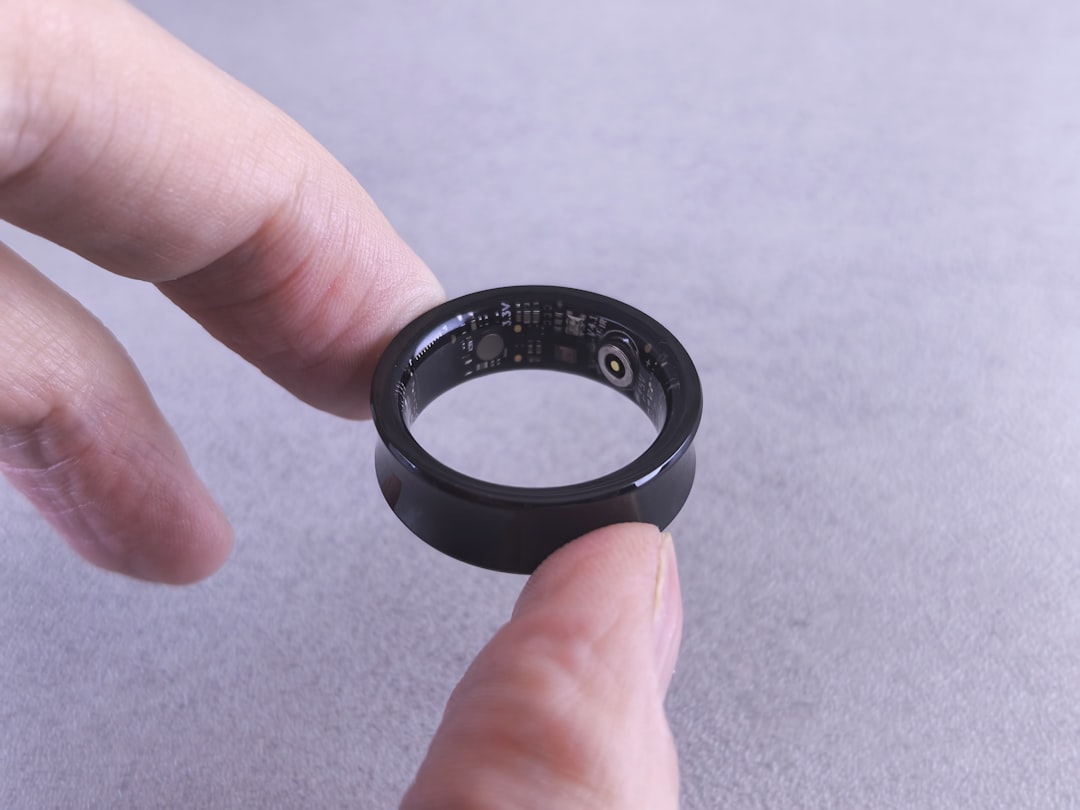
Then a five-gram piece of titanium showed up in a tiny box and quietly made all of them obsolete.
I have spent the better part of the last decade testing every wearable that crosses my desk. As someone who nearly made an Olympic team in the heptathlon, I am obsessive about data — heart rate variability, sleep architecture, recovery scores, training load. If a device promises to measure something about my body, I will wear it, sleep in it, and squat with it on. So when smart rings started gaining real traction last year, I ordered one of each major model, sized them properly, and committed to living with them through training cycles, travel, and everything in between.
What I discovered surprised me. The ring did not just replace my other devices — it outperformed them in ways I did not expect, while exposing some honest limitations that the marketing materials conveniently leave out.
The Nightstand Drawer Test
Here is what ended up in my drawer within the first month of wearing a smart ring consistently: my chest strap heart rate monitor, my sleep tracking mat, my dedicated HRV logger, and — most surprisingly — my everyday fitness smartwatch, which I now only wear during structured interval sessions. The ring handled sleep tracking more accurately than the mat under my mattress, delivered resting heart rate and HRV readings that matched my chest strap within a beat or two per minute, and gave me recovery scores that were at least as actionable as the dedicated band I had been wearing for two years.
The reason comes down to anatomy. Your finger arteries are closer to the skin surface than your wrist vessels, which means photoplethysmography — the optical sensing technology that shines light through your skin to measure blood flow — gets a cleaner signal from a ring than from a watch clasp. This is not marketing spin. It is basic physiology, and the data reflects it. I cross-referenced my ring’s overnight heart rate readings against the three fitness trackers I wore simultaneously earlier this year, and the ring consistently produced tighter, more consistent heart rate patterns during deep sleep.

Why Your Finger Outperforms Your Wrist
The vascular anatomy of your finger gives smart rings a structural advantage that no software update can fix on a wrist-worn device. The digital arteries run close to the surface, the skin is typically thinner, and there is less interference from wrist movement, sweat accumulation, and strap looseness. During sleep specifically — when most recovery measurement happens — a ring stays locked in place while watches shift around, creating gaps between sensor and skin that corrupt data.
I noticed this most dramatically in my heart rate variability tracking. HRV is the gold-standard metric for autonomic nervous system recovery, and it requires incredibly precise inter-beat interval measurements. When I compared my ring’s overnight HRV against a chest strap during the same nights, the correlation was remarkably strong — usually within five percent. My watch, by contrast, would occasionally throw out HRV numbers that were clearly artifacts, especially on nights when I slept on my left side with the watch pressed against the mattress.
If you want to go deeper on why these metrics matter, my deep dive into biological age tracking breaks down how sleep quality and HRV directly influence longevity scores.
The Contenders Worth Your Finger
Not all smart rings are created equal, and after months of testing, the market has separated into clear tiers. Here is what I found living with the major players.
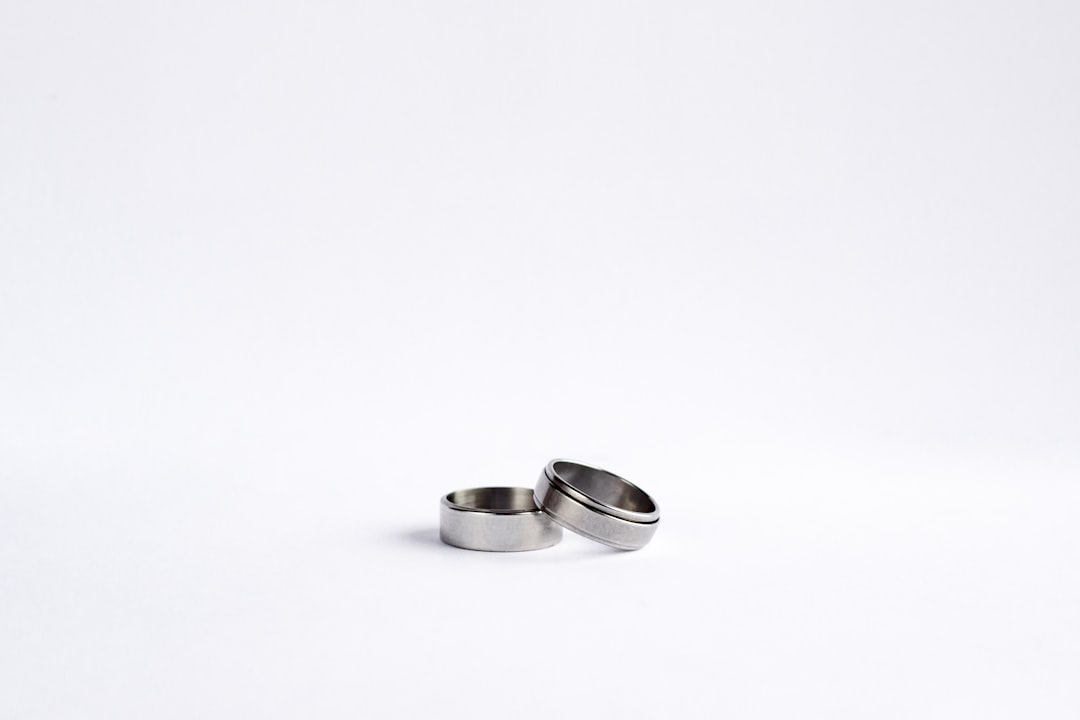
The Gold Standard: The Oura Ring 5 remains the benchmark. Oura’s newest generation is billed as the world’s smallest smart ring, and wearing it feels closer to wearing a wedding band than a piece of technology. The sensors have been upgraded with improved green and red LED arrays, infrared sensing for blood oxygen estimation, and a new sensor fusion engine that combines temperature, movement, and cardiac data into a single recovery score. The app experience is polished, the AI advisor actually provides useful insights instead of generic platitudes, and battery life sits comfortably around seven days. The catch is the $5.99 monthly membership, which unlocks the full feature set. Without it, you lose access to detailed trends, AI insights, and much of what makes the ring worth wearing.
If you are considering an Oura — and this is critical — start with the sizing kit. Oura uses its own proprietary sizing that does not correspond to standard jewelry ring sizes, and a loose ring produces terrible data. I cannot stress this enough: the sizing kit is not optional. It is the difference between accurate health insights and expensive jewelry.
The Samsung Challenger: The Samsung Galaxy Ring is the first credible threat to Oura’s dominance, and for one compelling reason: no subscription. Samsung packs in sleep tracking, recovery scoring, energy scoring, and women’s health tracking without a recurring fee, which makes the total cost of ownership significantly lower over a two-year period. The titanium build feels premium, battery life hits seven days reliably, and integration with Samsung Health and Galaxy AI features is seamless if you are already in the Samsung ecosystem. The downside is that you need a Samsung phone — there is no iPhone support, and the ring loses much of its intelligence outside the Samsung walled garden.
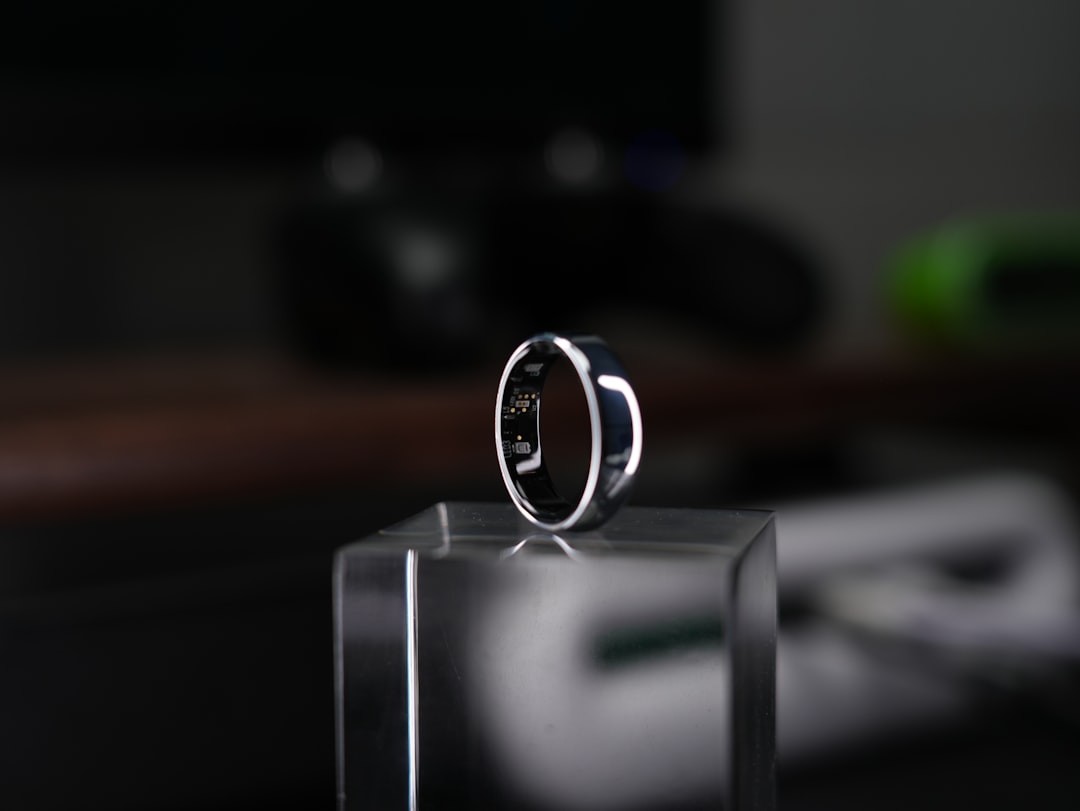
The Budget Disruptors: If you want smart ring technology without the premium price tag, the landscape has shifted dramatically. The RingConn Gen 2 stands out as the first ring with sleep apnea monitoring capabilities, a staggering 12-day battery life, and zero app subscription fees. For athletes who want recovery tracking without ongoing costs, this is the ring I recommend most often to my coaching clients. The RingConn Gen 2 Air variant takes the same core technology and makes it ultra-thin — we are talking about a ring that is genuinely indistinguishable from a regular piece of jewelry.
For those who want a no-frills entry point, the COLMI R02 delivers heart rate, blood oxygen, sleep monitoring, and basic fitness tracking with a charging case included — all for under $80. Is it as accurate as Oura? No. Is it good enough to give you meaningful trends and actionable data? Absolutely, and for many people, that is all you need.
What a Ring Catches That Your Watch Misses
During my testing period, the smart ring consistently caught patterns that my watch either missed entirely or measured so poorly that the data was misleading. The biggest one was sleep architecture — the breakdown of light, deep, and REM sleep stages. My ring’s sleep staging aligned far more closely with how I actually felt waking up, while my watch would occasionally tell me I had a great night of sleep after a restless evening of tossing and turning.

Temperature tracking was another standout. The ring’s skin temperature sensor detected a 0.4 degree Fahrenheit shift during the second half of my menstrual cycle — a pattern that aligned perfectly with the luteal phase temperature rise. My watch barely registered the change because wrist temperature is more affected by ambient conditions and blood flow variations from movement. This makes smart rings particularly powerful for women’s health tracking, and I now recommend them to every female athlete I coach. For more on wearable health tracking specifically for women, my piece on recovery tools that actually work covers complementary technologies that pair beautifully with ring data.
Recovery scoring also felt more nuanced. Rather than a single number, the ring apps I tested break recovery into contributing factors — resting heart rate, HRV, sleep quality, body temperature, and previous day’s activity load — so you can see exactly which variable dragged your score down. When my readiness was low, it was usually because of poor sleep efficiency rather than training load, which is an insight my watch never surfaced with the same clarity.
The Subscription Question
This is where the smart ring market gets genuinely complicated, and it is worth thinking through carefully before buying. Oura’s model requires a monthly membership to unlock the full experience. Samsung and RingConn do not. COLMI does not. So while Oura’s hardware might be the best, the total cost of ownership over two years is significantly higher.
My honest take after living with both models: the subscription is worth it if you actually use the data. If you are someone who checks the app every morning, adjusts your training based on recovery scores, and values the AI insights — Oura’s ecosystem delivers enough value to justify the cost. If you just want to see your sleep score and resting heart rate, save your money and go with a no-subscription alternative.
Sizing Is Everything
I am going to say this louder for the people in the back: if you do not size your smart ring correctly, none of the technology inside it matters. A loose ring produces garbage data. A too-tight ring restricts blood flow and skews readings. Every major manufacturer uses a different sizing system, and none of them correspond exactly to standard jewelry sizes.
The Oura Ring 5 sizing kit and the Oura Ring 4 sizing kit both come with plastic try-on rings in every size. You wear each one for a day to see how it feels during typing, exercise, and sleep, then order the size that feels invisible on your hand. Both kits give you credit toward your ring purchase, so they are effectively free — but you must order one before committing.
For other brands, check if they offer a sizing kit. Samsung includes a sizing tool with their ring purchase, and RingConn provides printable sizing guides. COLMI uses standard US ring sizes, so you can visit any jeweler for a quick measurement.
The Honest Gaps
Smart rings are not perfect, and pretending otherwise does nobody any favors. Here is what they still cannot do well:
Real-time workout tracking: Rings are terrible at tracking heart rate during intense exercise because your fingers move too much and blood flow shifts dramatically during gripping, lifting, or high-intensity intervals. For structured workouts, I still put on a chest strap or watch. The ring shines at rest and recovery measurement, not active training data.
Display and notifications: No screen means no quick glances at your steps, no notification triage, no on-wrist coaching. If you rely on your watch for productivity as much as health, a ring alone will not replace it.
GPS and route tracking: Rings do not have GPS. For outdoor athletes who need route mapping, pace data, and navigation, you will still need a watch or phone alongside your ring.
Durability concerns: Even titanium rings scratch. If you lift weights, climb, or work with your hands, consider silicone ring protectors that stretch over the smart ring during workouts. These are cheap insurance for an expensive piece of technology, and I keep a pack in my gym bag at all times.
Building a Smarter Setup
The most effective approach I have found is not replacing everything with a ring — it is building a complementary setup that plays to each device’s strengths. The ring handles overnight recovery, sleep architecture, HRV trends, and passive health monitoring. A watch handles active workout tracking, GPS, and notifications. Together, they cover the full spectrum of health data without redundancy.
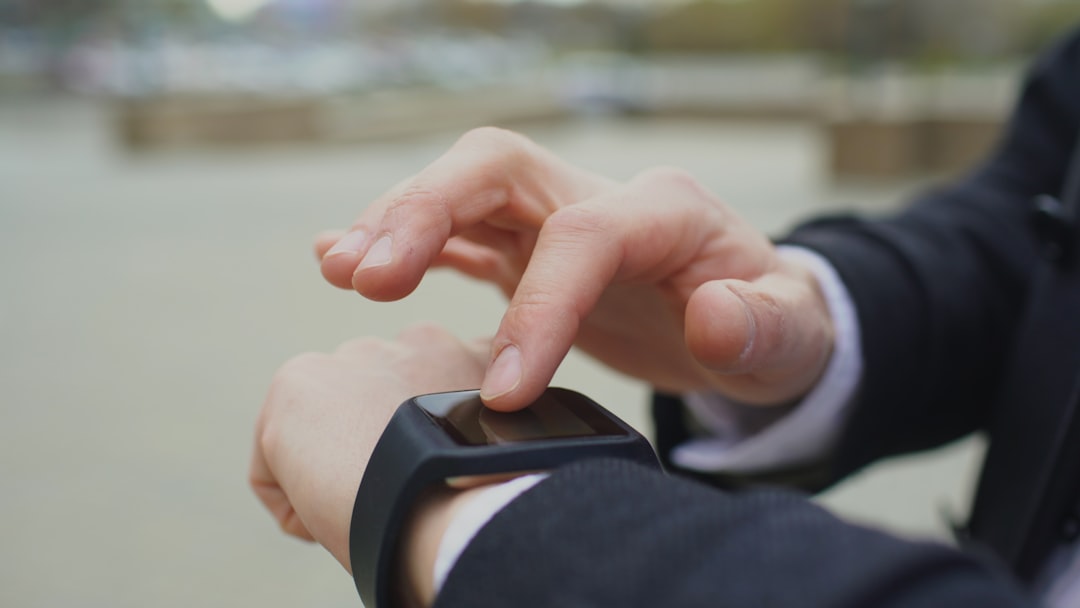
This is the setup I now recommend to all my coaching clients, and it is what I use personally. During the day, my watch tracks my training sessions and keeps me connected. At night, the ring takes over — monitoring sleep, recovery, and the metrics that actually predict how I will feel and perform the next day. I no longer wake up to a watch buzzing with sleep stage data that I distrust. Instead, my morning begins with a quick glance at my ring app, a recovery score I trust, and a training plan I can adjust based on what my body actually needs.
If you want to take your recovery setup even further, the charging solution matters more than you might think. A portable wireless charging case gives you up to 15 full charges on the go, which is essential for travel — because the one downside of ring ownership is that forgetting your tiny charger at home means wearing a very expensive piece of dead jewelry until you get back.
For those just starting out, my recommendation is simple. If budget is no object and you want the best overall experience, get the Oura Ring 5, spring for the membership, and commit to checking the app daily for at least 60 days. If you want excellent tracking without ongoing costs, the RingConn Gen 2 is the smartest purchase you can make. And if you just want to dip your toe into wearable health tracking without a major investment, grab a COLMI R02, wear it for a month, and see whether the data changes your behavior.
Because ultimately, that is the real test. The best wearable is not the one with the most sensors or the sleekest design. It is the one that makes you change a habit — go to bed earlier, skip the hard session when your body needs rest, drink more water, take a walk after dinner. A smart ring will not fix your health by itself, but it might be the first device that finally shows you the data you needed to start making better decisions. And sometimes, five grams of titanium is all it takes.