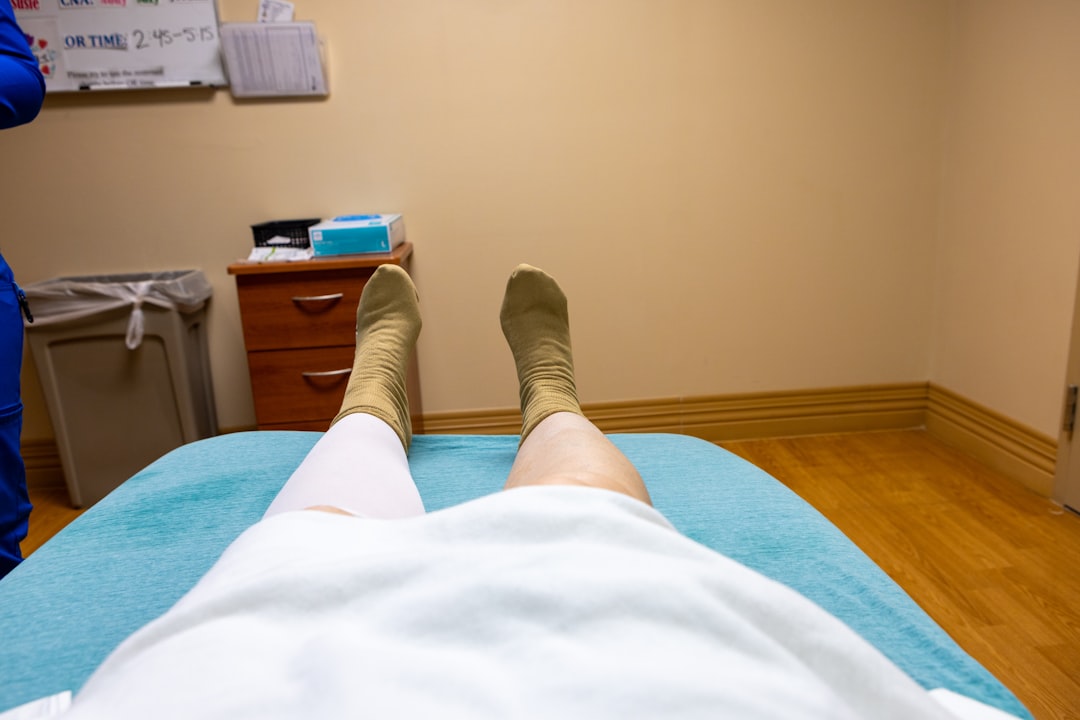
I’ll be honest — the first time someone handed me a pair of inflatable recovery boots at a triathlon expo, I laughed. They looked like something out of a sci-fi movie, these bulky sleeves that zip up both legs and start rhythmically squeezing like a blood pressure cuff on steroids. But I’d just finished a brutal track session — eight 400-meter repeats at race pace — and my quads were screaming. So I zipped in, hit the power button, and sat there for twenty minutes while the boots did their thing.
By the time I unzipped and stood up, I was converted. My legs felt lighter than they had any right to. The heavy, sluggish feeling that usually haunted me for the rest of the afternoon? Gone. I walked back to my car feeling like I’d barely trained at all.
That was three years ago. Since then, compression recovery boots have gone from niche wellness gadget to mainstream recovery staple, showing up in professional training rooms, physical therapy clinics, and home gyms across the country. The market has exploded with options — from premium FDA-cleared systems to budget-friendly alternatives that deliver surprising value. I’ve spent the last several months testing the ones that matter, and I’m going to break down exactly what’s worth your money and what you can skip.

What Compression Boots Actually Do (Beyond the Buzzwords)
Let’s get something straight before we dive into specific products. Compression boots aren’t magic. They don’t heal injuries or replace sleep or make up for poor programming. What they do is apply sequential pneumatic compression — meaning they squeeze your legs in a coordinated pattern starting from your feet and moving upward, mimicking the natural muscle pump that clears metabolic waste from your tissues.
Think about what happens after a hard session. Your muscles are loaded with fluid, inflammation markers are elevated, and blood flow to damaged tissue is working overtime. Compression therapy accelerates that clearance process. Studies have shown measurable reductions in delayed-onset muscle soreness (DOMS), improved perceived recovery, and faster return to baseline performance metrics. It’s not placebo — though I’ll admit the ritual of sitting still for twenty minutes probably doesn’t hurt either.
The key variables that separate good boots from gimmicks are pressure range (measured in mmHg), chamber sequencing logic, coverage area, and build quality. A $150 pair that delivers consistent 30-80 mmHg across four or five chambers is genuinely useful. A poorly designed $400 pair that applies uneven pressure or has weak chambers at the calf? Not so much.

The Premium Contenders Worth the Splurge
If you’ve spent any time researching recovery gear, two names dominate every conversation: Hyperice Normatec and Therabody JetBoots. There’s a reason for that — both companies have invested heavily in the engineering behind their compression patterns, and it shows in the results.
The Hyperice Normatec 3 remains the gold standard that other brands are measured against. What sets it apart is the proprietary ZoneBoost technology, which applies differential pressure across five distinct zones — more air time where your muscles need it most. The Normatec pulse pattern genuinely feels different from competitors. It’s less mechanical, more fluid, like a massage therapist working systematically rather than a machine simply inflating and deflating. I’ve used mine after everything from long runs to heavy squat sessions, and the consistency is impressive. The companion app lets you customize session length and intensity, though honestly, I usually just hit the default and zone out.
Therabody’s answer is the JetBoots Prime, and it brings something to the table that Normatec doesn’t: true wireless freedom. No hoses, no control unit tethered to your hip. Everything is built into the boots themselves, which means you can walk around your house between sessions without tripping over cables. The Prime offers four pressure levels and FDA clearance, which matters more than you might think — it means the device has been vetted for safety and efficacy, not just slapped together in a factory. For athletes who want premium recovery without the tether, these are a serious contender.
And then there’s the JetBoots PRO Plus, which takes everything great about the Prime and adds vibration therapy and red light integration. Yes, it’s expensive. But if you’re the type who already uses a red light panel for recovery, having that modality built directly into your compression system is genuinely convenient. The vibration feature targets muscle spindle activation, which can help release tension in tight areas that compression alone might not fully address.
Mid-Range Options That Punch Above Their Weight
Not everyone needs — or can justify — spending $700 to $1,200 on recovery equipment. Here’s where the conversation gets interesting, because the mid-range market has matured significantly. You no longer have to sacrifice core functionality to save money.
The QUINEAR Leg Recovery Compression System is the budget pick I recommend most often. At roughly a quarter of the Normatec price, it delivers genuine sequential compression across multiple chambers with adjustable intensity. Is it as refined? No. The compressor is louder, the materials aren’t as premium, and the app ecosystem is nonexistent. But if you’re an athlete who wants the physiological benefits without financing the purchase, QUINEAR gets you there. The medium size fits most users, but if you’re taller or have larger thighs, the large variant is worth the few extra dollars for proper coverage.
I’ve also been impressed with the Musugy Sequential Compression Massager, which offers six compression modes and nine intensity levels — more granularity than you typically find at this price. The boots cover the full leg from foot to thigh, and the sequential patterning is legitimately effective. For runners, CrossFit athletes, and anyone dealing with heavy training volume, this is a smart entry point.
Another solid option is the SAN HIMA Air Compression system. It doesn’t have the polish of premium brands, but the compression is consistent, the sizing runs true, and the six-mode system gives you enough variety to find a pattern that works for your body.

When You Don’t Need Full Boots (But Still Want Compression Benefits)
Here’s a confession: I don’t always break out the full boots. Sometimes I need targeted compression that’s portable, discreet, and doesn’t require sitting still for thirty minutes. On those days — especially during travel or between training sessions — I reach for simpler tools.
Graduated compression socks are the unsung hero of recovery. The FITRELL 20-30mmHg Compression Socks are my go-to for long flights and race-day travel. They deliver medical-grade pressure that keeps blood pooling at bay, reduce swelling, and help you step off a plane feeling like a human instead of a stuffed sausage. At twenty bucks for three pairs, it’s the highest ROI recovery investment you can make.
For targeted calf and foot work, the LINGTENG Air Compression Leg Massager is a compact alternative that focuses on the lower leg. It’s not a full-thigh system, but if your primary complaint is calf heaviness or foot fatigue, this covers the area effectively. I keep one in my gym bag for post-workout sessions when I don’t have time for the full boot setup.
And if you’re dealing with tension that compression alone won’t release — think tight IT bands, knotted glutes, or that stubborn spot between your shoulder blades — a solid percussion massager like the TOLOCO Deep Tissue Massage Gun complements compression therapy beautifully. I use both in sequence: boots for systemic flush, massage gun for targeted release. The combination has cut my post-workout recovery time nearly in half.

Building Your Recovery Stack Without Going Broke
The mistake I see most often — and one I made myself early on — is treating recovery gear as an all-or-nothing proposition. You don’t need every device on the market. You need a thoughtful combination that addresses your specific recovery bottlenecks.
Here’s what I’d recommend based on where you are in your training journey:
- Just starting out: Compression socks, a quality foam roller, and consistent sleep hygiene. Total investment: under $60. This covers 80% of what fancy equipment does for someone training three to four times per week.
- Serious amateur (5-6 sessions/week): Add a mid-range compression boot system like QUINEAR or Musugy, plus a vibrating foam roller for myofascial work. You’re now addressing both systemic recovery and tissue quality without premium pricing.
- Competitive or high-volume athlete: This is where premium systems like Normatec 3 or JetBoots PRO Plus earn their keep. When you’re training twice a day or managing heavy competition loads, the engineering differences in pressure delivery and chamber sequencing genuinely matter.
And don’t forget the modalities that cost nothing but discipline. Contrast therapy — alternating hot and cold exposure — pairs beautifully with compression. I’ll often do a ten-minute cold shower, then strap into my boots while my core temperature normalizes. The vascular response from contrast exposure amplifies the circulatory benefits of compression. Similarly, if you’re already exploring EMS recovery for neuromuscular work, compression boots fill a complementary role by handling the vascular side of the equation.
The Tracking Question: Should You Measure Recovery?
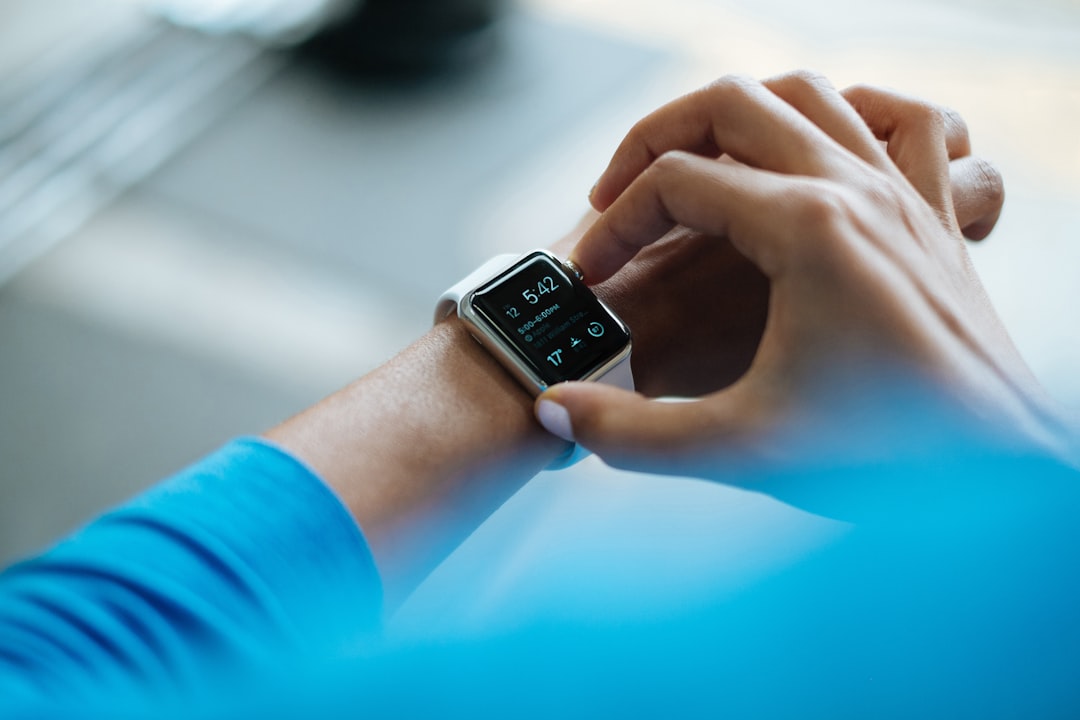
One thing I’ve learned from years of testing recovery protocols is that subjective feeling matters — but data keeps you honest. When I started tracking HRV (heart rate variability) alongside my recovery routines, patterns emerged that I’d never have noticed otherwise. On days when I used compression boots after intense sessions, my next-morning HRV was consistently 8-12% higher than on non-compression recovery days.
This isn’t a controlled study, and I’m not claiming compression boots are the sole variable. But the correlation was strong enough — and consistent enough across three months of tracking — that I stopped viewing compression as a luxury and started treating it as a non-negotiable part of my post-workout protocol.
That said, I’d caution against becoming so data-dependent that you lose the ability to listen to your body. Some of my best recovery decisions have come from simply paying attention to how my legs feel walking up the stairs. The boots, the tracking, the modalities — they’re all tools. You’re still the operator.

The Bottom Line on Compression Recovery Boots
If you’ve been on the fence about compression boots, here’s my honest take: they’re one of the few recovery tools where the hype is actually backed by experience. The right pair will genuinely reduce soreness, improve your between-session recovery, and help you show up to your next workout feeling fresher. The wrong pair — or the right pair used inconsistently — will gather dust in a closet.
My recommendation? Start with your budget and training volume. If you’re training hard five or more days a week, invest in a mid-range system first. If it becomes part of your routine and you find yourself reaching for it consistently, that’s your signal that upgrading to a premium system will be worth it. The QUINEAR system and Musugy boots are excellent proving grounds. If you already know you’re committed and want the best experience from day one, the Normatec 3 and Therabody JetBoots Prime are the benchmarks everything else is measured against.
Recovery isn’t where you cut corners. But it’s also not where you throw money without a plan. Find the tool that fits your training, use it consistently, and let the results speak for themselves. Your legs will thank you — mine certainly did.



2 Comments on “The Recovery Tool I Swore I Didn’t Need — Until My Legs Proved Me Wrong”