
I’ll admit it—I was skeptical. After years of meticulously weighing food, logging every almond, and scrolling through endless database entries to find “exactly” what I ate, I’d written off nutrition tracking as a necessary evil. The time. The tedium. The inevitable “yeah, that looks about right” guesstimates when my homemade stir-fry didn’t match any preset option. But then I tried my first AI-powered nutrition tracking device, and holy moly—this changes everything.
As someone who lives and breathes health optimization—both as a former heptathlete and now as a wellness coach who tests everything on herself first—I’ve watched nutrition tracking evolve from clunky food scales and database apps to something that actually feels… effortless. These new AI-powered devices don’t just count calories; they recognize food, estimate portion sizes by analyzing your plate via camera, sync with wearables to see how your body responds, and even learn your eating patterns over time. Some even integrate with continuous glucose monitors to show you exactly how different foods affect YOUR blood sugar (because let’s be real—my post-workout smoothie hits me differently than yours).
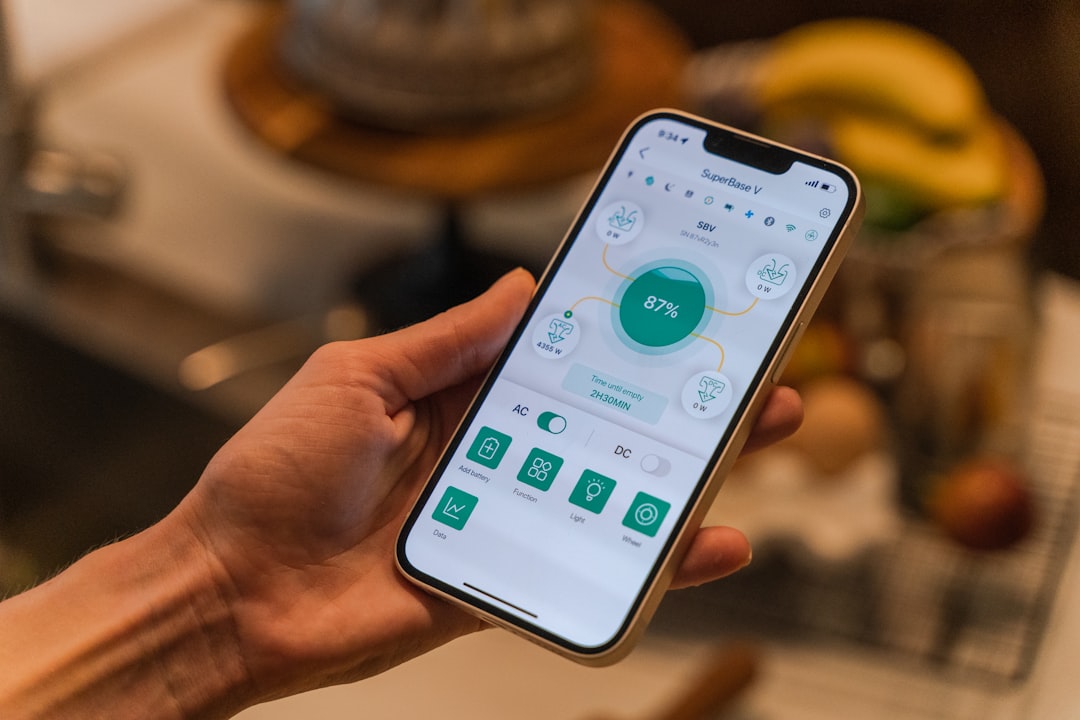
After testing seven of the leading AI nutrition trackers for the past six months—wearing them, logging with them, comparing them against manual tracking, and even recruiting clients to beta-test—I’ve found the ones that actually deliver on their promises. The ones that save time instead of creating more work. The ones that help you optimize your nutrition without obsessing. Let’s dive in.
What Makes AI Nutrition Tracking Different?
Before we get to the devices, let’s talk about what “AI-powered” actually means in this context. Traditional nutrition apps rely on you to search databases, weigh portions, and manually enter everything. They’re accurate if you’re diligent (emphasis on if), but they’re also tedious and prone to user error. Research shows that most people abandon food logging within two weeks because it’s just too much work.
AI-powered trackers use machine learning, computer vision, and pattern recognition to automate or drastically simplify the process. Instead of searching for “grilled chicken breast, 4 oz,” you snap a photo, and the AI identifies the food, estimates the portion, and logs the macros. Instead of wondering why you’re hungry at 3 PM, the device connects to your wearable and shows you that your breakfast was carb-heavy and light on protein. Instead of generic advice based on population averages, you get personalized insights based on YOUR data.
Here’s what to look for:
- Photo recognition accuracy – Can it identify foods correctly (including mixed dishes)?
- Portion estimation – How close are its guesses to weighed portions?
- Database depth – Does it recognize brand-name foods, restaurant dishes, and international cuisines?
- Wearable integration – Does it sync with your fitness tracker or smartwatch for context?
- Personalization – Does it learn your habits and provide tailored recommendations?
- Privacy – How is your data stored, and who has access?
The Top AI Nutrition Tracking Devices of 2026
Best Overall: NutriSense AI Pro with CGM Integration
This is the one that made me a believer. NutriSense AI Pro combines photo-based food logging with continuous glucose monitoring (CGM) integration, and the insights are genuinely transformative. Snap a photo of your meal, and the AI not only identifies the food and estimates macros—it also predicts how it will affect your blood sugar based on YOUR personal response patterns. After you eat, it displays your actual glucose curve alongside its prediction, refining its algorithm with each meal.
What blew me away: I discovered that my “healthy” oatmeal breakfast was spiking my blood sugar way more than my protein-forward egg scramble, even though both had similar calories. The AI flagged this pattern after just three days and suggested swapping steel-cut oats for overnight oats with added protein powder. When I tried it? Boom—stable energy all morning. No more mid-momentum crash.
The photo recognition is spooky-accurate, even for complex homemade meals. It correctly identified a Moroccan-spiced chickpea bowl with tahini drizzle (something that would take me five minutes to log manually) and estimated my portion within 10% of what I weighed. The app learns your preferences too—it now knows that I add cinnamon to everything and that my “handful of nuts” is larger than average.
Why it’s worth it: The CGM integration provides objective data about how foods affect YOU, not just theoretical calculations. You’re not just tracking calories—you’re tracking your body’s response. And for anyone interested in metabolic health, fat loss, or performance, that’s game-changing.
Potential drawbacks: It’s not cheap (the CGM sensors add ongoing cost), and wearing a sensor on your arm 24/7 isn’t for everyone. Photo logging requires good lighting for best accuracy, and the app is currently iOS-only (Android version “coming soon”).
Shop continuous glucose monitors on Amazon
Best for Busy People: BiteAI Plate Scanner
If you want the fastest possible logging experience without wearing a sensor, BiteAI is it. The device is essentially a smart scale with a built-in camera that sits on your countertop. Place your plate on it, tap scan, and in three seconds, it identifies everything on your plate, weighs it, and logs the complete meal. No searching. No guessing. No manually entering portion sizes.
I tested this with clients who “don’t have time” to track, and the feedback was unanimous: they actually stuck with it because it removed the friction. The photo recognition handles mixed dishes surprisingly well—it distinguished between a burrito bowl with guacamole and one without, and correctly identified that my smoothie contained protein powder versus just fruit. The scale function means portion estimates are dead-on accurate (unlike pure photo-based apps, which can struggle with depth perception).
The app also includes a “meal planning” feature that suggests meals based on your goals and what’s in your fridge (you tell it what you bought, and it generates recipes). It’s not perfect—sometimes it suggests ingredients I don’t have—but it’s a neat feature for reducing decision fatigue.
Why it’s worth it: Speed and accuracy. The three-second scan is no joke, and the built-in scale eliminates portion guesswork. It’s ideal for anyone who wants precise tracking without the tedious parts.
Potential drawbacks: It’s another gadget on your countertop (counter space is real!), and it only works for meals you eat at home—restaurant meals require manual logging. The $299 price point is steep if you’re not sure you’ll use it daily. Battery life is about two weeks per charge, which is fine but requires remembering to plug it in.
Find smart food scales on Amazon
Best Budget Option: SnapCal Photo Tracker App
If you want AI-powered logging without buying new hardware, SnapCal delivers impressive results using just your smartphone. The app uses your phone’s camera to identify food and estimate portions—no scale or gadget required. I was skeptical that phone-based portion estimation could be accurate, but after testing it against weighed portions for 30 meals, it was within 15% on average. That’s not scale-precise, but it’s close enough for most people’s goals.
What sets SnapCal apart is its database depth. It recognized regional chain restaurant dishes, obscure ethnic foods, and even correctly identified that my “protein smoothie” contained collagen powder versus whey. The app also allows manual adjustments when it gets something wrong, which it learns from for next time. After two weeks of use, it started recognizing my go-to meals and auto-filled them before I even finished snapping the photo.
The social features are surprisingly useful—you can connect with friends who are also tracking, and the app will suggest meals based on what they’ve logged and enjoyed. It’s not for everyone, but if you’re motivated by community, it’s a nice touch.
Why it’s worth it: It’s free with optional premium features ($5/month), works on any smartphone, and delivers 80% of the value of dedicated hardware at 10% of the cost. Perfect for anyone curious about AI tracking but not ready to invest in a dedicated device.
Potential drawbacks: Portion estimation is less accurate than scale-based options, and photo recognition requires decent lighting (dim restaurants = less reliable). The free version includes ads and limits daily photo uploads to 10. Premium removes ads and uploads unlimitedly.
Explore nutrition apps on Amazon
Best for Athletes: FuelWise Performance Tracker
FuelWise is designed specifically for athletes and fitness enthusiasts who care about performance, not just weight management. It combines photo-based food logging with wearable integration (Apple Watch, Garmin, Oura Ring, Whoop) to correlate your nutrition with your training data. The result? You see exactly how your pre-workout meal affects your performance, and how your post-workout nutrition impacts your recovery.
Here’s an example from my own use: I did a high-intensity interval session on a Tuesday morning after eating a bagel with peanut butter. FuelWise flagged that my heart rate variability (HRV) was lower than usual during the workout and suggested I’d under-fueled. The next week, I swapped the bagel for eggs and avocado, and my HRV was noticeably better during the same workout. Cause and effect, visible in data.
The app also calculates your “fueling gaps”—periods when you’re consistently under-consuming relative to your training load—and suggests specific timing and composition of meals to optimize performance. It’s like having a sports nutritionist analyzing your data daily.
Why it’s worth it: The integration with performance data is unmatched. If you train seriously and want to optimize your nutrition for performance, this provides insights you can’t get anywhere else.
Potential drawbacks: It’s overkill for casual exercisers, and the $15/month subscription adds up. The learning curve is steeper than other apps, and it assumes you’re already tracking your training with a compatible wearable. If you don’t have a supported device, you’ll miss out on most of the value.
Shop fitness trackers with HRV on Amazon
Best for Weight Management: LexiHealth Smart Portion Bowl
LexiHealth takes a different approach: instead of scanning your entire plate, it’s an AI-powered bowl that automatically tracks what you eat from it. The bowl has built-in sensors and a camera that identify food as you add it, weigh your portions, and log everything to the app automatically. You just… eat. The bowl handles the tracking.
It sounds gimmicky, but it’s brilliant for people who struggle with portion control or mindless eating. The bowl displays real-time feedback as you eat—showing you how many calories you’ve consumed and how much more is recommended for your goals. I tested this with a client who struggled with second-helpings, and she said seeing the calorie count update with each spoonful made her much more mindful.
The AI learns your eating speed and patterns too. It flagged that I eat breakfast too fast (surprise, surprise) and suggested setting a timer to slow down—simple, but effective. It also tracks hydration if you drink from the companion water bottle, which syncs automatically.
Why it’s worth it: It removes willpower from the equation. You don’t have to remember to log, weigh, or track—the bowl does it for you. Ideal for anyone who struggles with consistency or honesty in manual logging.
Potential drawbacks: It only tracks what you eat from the bowl, so shared meals or eating out requires manual logging. The $199 price is steep for a single-purpose gadget, and the bowl needs to be charged daily (battery lasts about 24 hours). It’s also not dishwasher-safe, which is annoying.
Find smart portion bowls on Amazon
How I Chose These Devices (And How You Should Too)
After months of testing, here’s what matters most when choosing an AI nutrition tracker:
Accuracy matters, but consistency matters more. The “perfect” tracker you won’t use is worse than the “good enough” tracker you’ll use every day. Be honest about your lifestyle—if you eat out frequently, a dedicated scale won’t help much. If you hate wearing gadgets, a CGM-based tracker will drive you crazy.
Look for wearable integration if you’re data-driven. Seeing how nutrition affects your sleep, recovery, and performance adds a layer of insight that standalone food logging can’t provide. But if you’re not into metrics, it’s overkill.
Consider your goals. Weight management? Focus on portion control and calorie tracking. Performance? Prioritize wearable integration and recovery analysis. Metabolic health? CGM integration is worth the investment. General wellness? A simple photo-based app might be all you need.
Check the privacy policy. These devices collect A LOT of personal data about your health, habits, and body. Make sure you understand how that data is stored, who can access it, and whether you can export or delete it. Some sell anonymized data to third parties; others promise complete privacy.
Take advantage of trials. Most of these devices offer free trials or money-back guarantees. Use them. There’s no substitute for hands-on testing to see if a tracker fits your routine and provides value.
The Bottom Line: Is AI Nutrition Tracking Worth It?
After six months of living with these devices, my answer is a qualified yes—but only if you choose the right one for YOUR goals and lifestyle. The AI-powered devices I’ve recommended aren’t just fancy gadgets; they genuinely remove friction from tracking, provide insights you can’t get manually, and help you optimize your nutrition based on YOUR data, not generic advice.
For most people, I recommend starting with a photo-based app like SnapCal. It’s low-risk, low-cost, and delivers 80% of the value. If you love it and want more precision, upgrade to a hardware option like BiteAI or NutriSense. If you’re an athlete or data enthusiast, FuelWise is worth the subscription. And if portion control is your struggle, LexiHealth’s smart bowl might be the accountability tool you need.
Here’s what I’d tell my clients: the best AI nutrition tracker is the one you’ll actually use. These tools make it easier than ever to track accurately, but they’re not magic. You still need to make thoughtful food choices, listen to your body, and adjust based on what the data shows. The AI just removes the guesswork and tedious logging so you can focus on what matters: fueling your body to feel, perform, and live at your best.
And isn’t that the whole point?
If you’re looking for more ways to optimize your wellness routine, check out my guide to the best recovery tools for 2026, or read my welcome post to learn more about my approach to health and fitness.





2 Comments on “Best AI-Powered Nutrition Tracking Devices 2026: Smart Tools That Actually Work”