Best Compact Smart Home Gym Equipment for Small Spaces 2026: Apartment-Friendly Picks That Actually Work
Three years ago, I moved into a 650-square-foot apartment in downtown Seattle with a fitness dilemma that probably sounds familiar: I wanted serious workout capabilities without sacrificing my entire living room to gym equipment. After testing dozens of compact options, spending way too much money, and converting my tiny spare corner into a functional workout space, I’ve learned that “compact” doesn’t have to mean “compromised.” In fact, some of the most innovative fitness tech of 2026 is designed specifically for those of us who live in apartments, condos, or homes where every square foot counts.
The compact smart home gym market has exploded in the past two years. Manufacturers finally realized that not everyone has a spare bedroom to dedicate to fitness equipment. Whether you’re dealing with a studio apartment, a shared living space, or just want to maintain a minimalist aesthetic, today’s smart gym equipment can deliver serious results without eating up your entire home. I’ve personally tested everything from wall-mounted systems that disappear when not in use to freestanding units that tuck into corners, and I’m sharing what actually works for real people living in real spaces.
Why Compact Smart Gyms Matter More Than Ever
The fitness landscape has shifted dramatically since 2020. Gym memberships have become increasingly expensive, and many people discovered they actually prefer working out at home. But apartment dwellers face unique challenges: limited floor space, noise restrictions, and the need to keep living areas multi-functional. Smart gym equipment addresses all of these concerns by offering space-efficient designs, quiet operation, and often the ability to blend into your home decor when not in use.
What makes “smart” equipment worth the investment? The real value comes from personalized guidance, progress tracking, and variety that keeps workouts engaging. When you’re working with limited space, you need equipment that can do more than one thing. Smart gyms typically combine multiple workout modalities—strength training, cardio, flexibility—into single systems. They also provide the structure and motivation that many of us need to stay consistent, which is arguably the most important factor in achieving fitness goals.
Wall-Mounted Smart Gyms: Maximum Impact, Minimum Footprint
Wall-mounted systems represent the ultimate space-saving solution for apartment fitness. These units attach directly to your wall, take up zero floor space when not in use, and can often be folded flat against the wall or covered with artwork when you’re not working out. They’re ideal if you have at least one solid wall and don’t mind a slightly more permanent installation.
Tonal remains the premium choice in this category, and for good reason. I’ve had the opportunity to test Tonal extensively, and its combination of digital weights, AI-powered coaching, and sleek wall-mounted design makes it perfect for small spaces. The system delivers up to 200 pounds of resistance through electromagnetic weights, which means no clanking weight plates and precise weight increments as small as one pound. What really sets Tonal apart is its adaptive weight technology—the system automatically adjusts resistance based on your strength and performance, essentially acting as a virtual personal trainer that pushes you just enough to keep progressing. The 24-inch touchscreen provides excellent form guidance, and the extensive library of workouts keeps things fresh. At around $3,000 plus a monthly subscription, it’s an investment, but if you have the wall space and budget, it’s arguably the most complete compact fitness solution available. Find current Tonal pricing on Amazon.
Forme Studio offers similar wall-mounted functionality with a different approach. Instead of electromagnetic weights, Forme uses cable-based resistance with digital weight tracking. I appreciate that Forme doubles as a full-length mirror when not in use, making it virtually invisible in your living space. The system excels at yoga, Pilates, and barre-style workouts, though it’s also capable of serious strength training. What I love most about Forme is its aesthetic—it genuinely looks like high-end home decor, which matters if you’re working with a designer eye. The reflective surface also provides real-time form correction during workouts, helping you avoid injury and maximize each movement. Check Forme Studio availability.
Freestanding Smart Gyms: Versatility Meets Portability
Freestanding smart gyms offer more flexibility than wall-mounted systems because you can move them if you rearrange your furniture or eventually move to a larger space. They typically take up about the same footprint as a large piece of furniture—roughly 3-4 feet by 2-3 feet—but most are designed to be visually unobtrusive.
Speediance Gym Monster 2 has emerged as my top pick for freestanding compact gyms in 2026. What makes the Gym Monster 2 special is its versatility—it combines resistance training, cardio, and even rowing capabilities into a single unit that takes up less space than a loveseat. The system delivers up to 220 pounds of resistance through its dual cables, and I’ve found the resistance feel to be remarkably smooth and gym-quality. The 21.5-inch touchscreen is responsive and loaded with varied workouts, but what really impresses me is the rowing accessory attachment. With this add-on, the Gym Monster 2 transforms into a legitimate rowing machine, providing cardio options that most smart gyms simply can’t match. At roughly $2,500, it’s significantly more affordable than Tonal while offering comparable—and in some ways superior—functionality. Compare Speediance models and pricing.
One feature that sets Speediance apart is its modular design. Unlike Tonal, which requires professional installation and essentially becomes a permanent fixture, Speediance can be assembled in about an hour and moved if needed. The bench is adjustable (in the premium package), and the system supports over a hundred different exercises. I’ve found the weight tracking to be accurate, and while it lacks the AI-powered auto-adjustment of Tonal, the manual tracking system is straightforward and reliable. For most people, the difference between AI-adjusted weights and manually logging your sessions won’t be significant—consistency matters more than micro-optimization.
Vitruvian Form Trainer is another excellent freestanding option, particularly if you prioritize pure strength training. The Form Trainer uses a unique platform design that delivers up to 440 pounds of resistance through its dual-arm cable system. What’s interesting about Vitruvian is its cloud-based weight technology—the weights feel genuinely heavy and stable, not like the resistance can wobble or feel inconsistent on cheaper systems. The platform design means it takes up even less floor space than tower-style units, though you’ll need clearance around it for certain exercises. Shop Vitruvian systems.
Suspension Trainers: The Ultimate Budget-Friendly Option
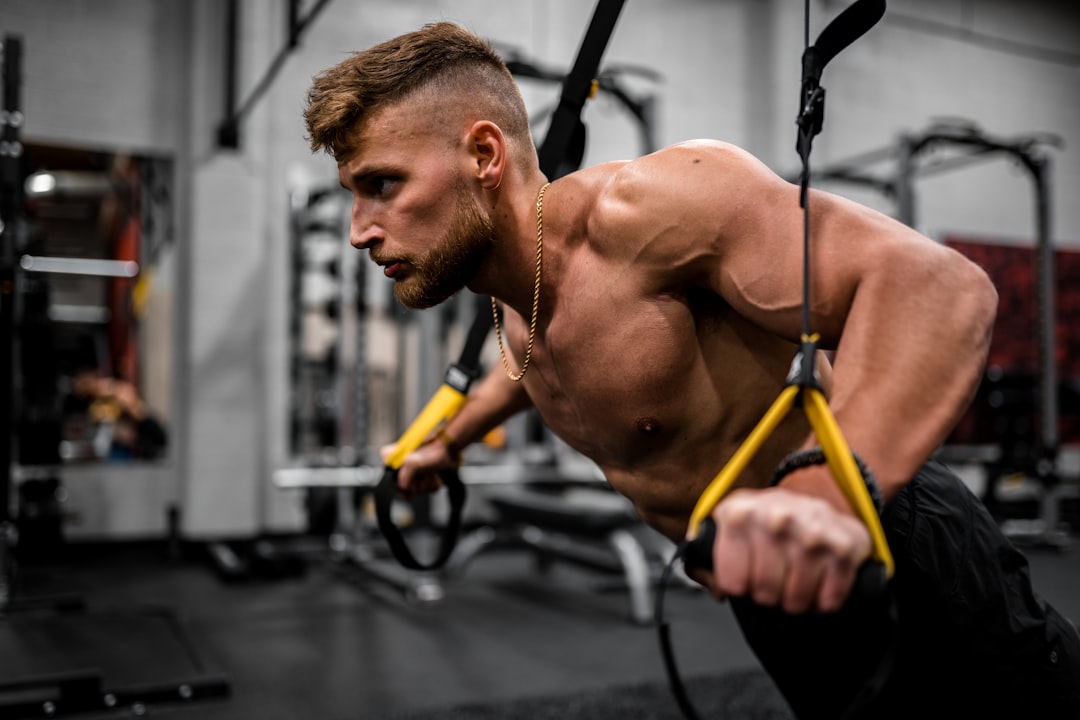
If wall-mounted or freestanding smart gyms are outside your budget, don’t worry—you can still create an incredibly effective compact workout space for under $200. Suspension trainers leverage your body weight for resistance, can be set up in seconds, and store in the size of a small shoe when not in use.
TRX Home2 suspension trainer remains the gold standard for this category, and I honestly believe it’s one of the most underrated pieces of fitness equipment available. I’ve used TRX systems for years, and the Home2 version represents a significant upgrade over earlier models. The anchors are more robust, the handles are more comfortable, and the included app provides excellent guided workouts that progress as you get stronger. What’s remarkable about TRX is that a single system can provide a full-body workout that rivals what you’d get with thousands of dollars of equipment. The key is progression—by adjusting your body angle, you can make any movement harder or easier, which means you never outgrow the system. Find TRX Home2 deals.
What I love most about TRX for apartment living is how completely it disappears when not in use. You can mount the permanent anchor to a doorframe, ceiling, or wall, then simply unclip the trainer and store it in a drawer when you’re done. No ugly equipment dominating your living space, no weights clanking, no footprint to speak of. Yet when you’re ready to workout, you can target every major muscle group with hundreds of different exercises. It’s genuinely impressive how such a simple system can deliver such comprehensive results. The Home2 version also includes an app with personalized workout recommendations based on your goals, adding a “smart” element that helps you progress systematically rather than randomly choosing exercises.
Smart Adjustable Dumbbells: Traditional Meets Tech
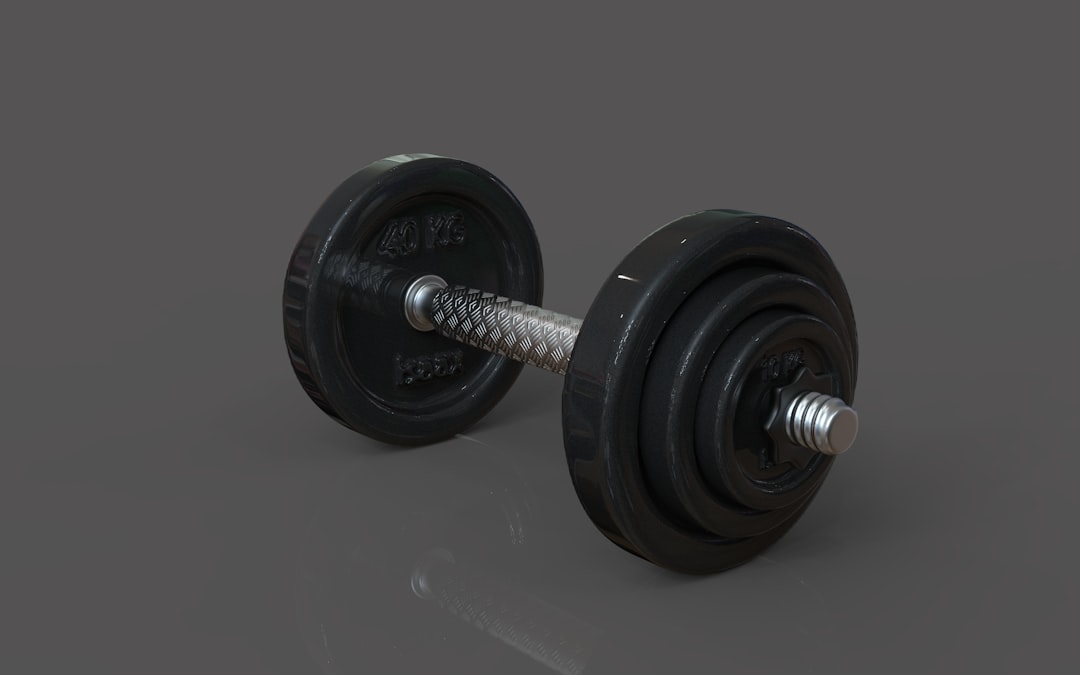
For those who prefer traditional strength training but still want space efficiency, smart adjustable dumbbells offer the best of both worlds. These compact sets replace an entire rack of dumbbells, typically offering weight ranges from 5 to 50 or more pounds in a single pair. The “smart” element comes from built-in tracking that counts reps, sets, and total volume lifted.
Core Home Fitness Adjustable Dumbbells earned the top spot in Wirecutter’s 2026 testing for good reason. These weights adjust from 5 to 50 pounds in 2.5-pound increments, and the adjustment mechanism is genuinely fast—you can change weights in literally seconds. I’ve tested multiple adjustable dumbbell systems, and what sets Core apart is the durability and smoothness of the adjustment mechanism. After hundreds of adjustments, there’s no wobble, no sticking, and no concern about longevity. The compact design means a single pair takes up about the same space as two traditional dumbbells, yet replaces an entire rack that would consume massive floor space. Shop Core adjustable dumbbells.
While Core dumbbells don’t have built-in smart tracking like some competitors, I actually prefer this approach. Smart dumbbells with Bluetooth connectivity and app integration are tempting, but they add expense, complexity, and another device that needs charging. For most people, simple tracking via a fitness watch or app is sufficient. What matters most is the weight itself, and Core delivers gym-quality feel in a compact package. These are perfect if you want traditional strength training with maximum space efficiency.
PowerBlock offers another excellent option in the adjustable dumbbell category, particularly if you need heavier weight increments. Their Elite series expands up to 70 pounds per hand, which is more than enough for most lifters. The unique square design is incredibly stable when racking weights between sets, and the durability is legendary—PowerBlock dumbbells are known to last for decades of heavy use. The trade-off is that the adjustment mechanism isn’t quite as quick as Core’s dial system, but if you prioritize weight capacity over speed, PowerBlock is hard to beat. Compare PowerBlock models.
What to Consider Before Buying
Choosing the right compact smart gym depends on several factors specific to your situation. Here’s what I recommend considering before making a purchase:
Ceiling height: This matters more than you might think. Wall-mounted systems like Tonal require at least 7 feet of clearance for many exercises. Freestanding units typically need 8+ feet overhead. Measure twice before ordering—returning a 200-pound system because it won’t fit in your apartment is nobody’s idea of fun.
Wall strength: Wall-mounted gyms must be anchored to studs, not just drywall. If you live in an older building or have concerns about wall integrity, a freestanding unit might be safer. Some buildings also restrict what you can mount to walls, so check your lease or condo rules.
Noise considerations: If you have downstairs neighbors or thin walls, noise becomes a real factor. Cable-based systems and electromagnetic weights (like Tonal) are essentially silent. Weight plate systems can be noisier, though modern designs have improved significantly. Suspension trainers are whisper-quiet.
Storage and aesthetics: Some systems disappear when not in use (Forme mirror, fold-away units), while others become permanent fixtures. Be honest about how equipment appearance affects your living space enjoyment.
Budget reality check: Smart gym equipment ranges from under $200 (TRX) to over $3,000 (Tonal with accessories). Consider that most systems require ongoing subscriptions for full functionality ($30-50 monthly). Factor this into your decision—you can often get excellent results with budget options, especially if you’re self-motivated.
Maximizing Your Small Space Workout Experience
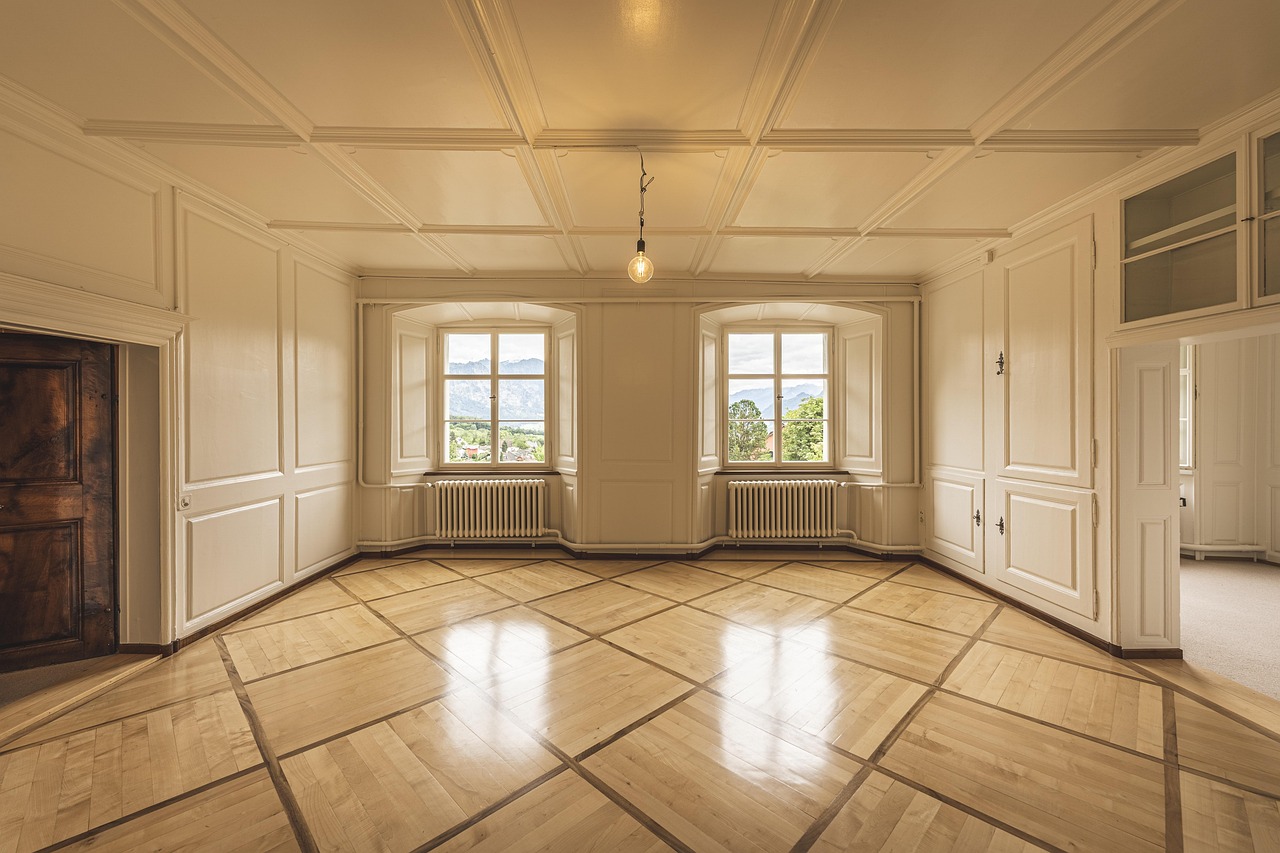
Having tested equipment in various small spaces, I’ve learned some tricks for making compact home gyms feel larger and more functional:
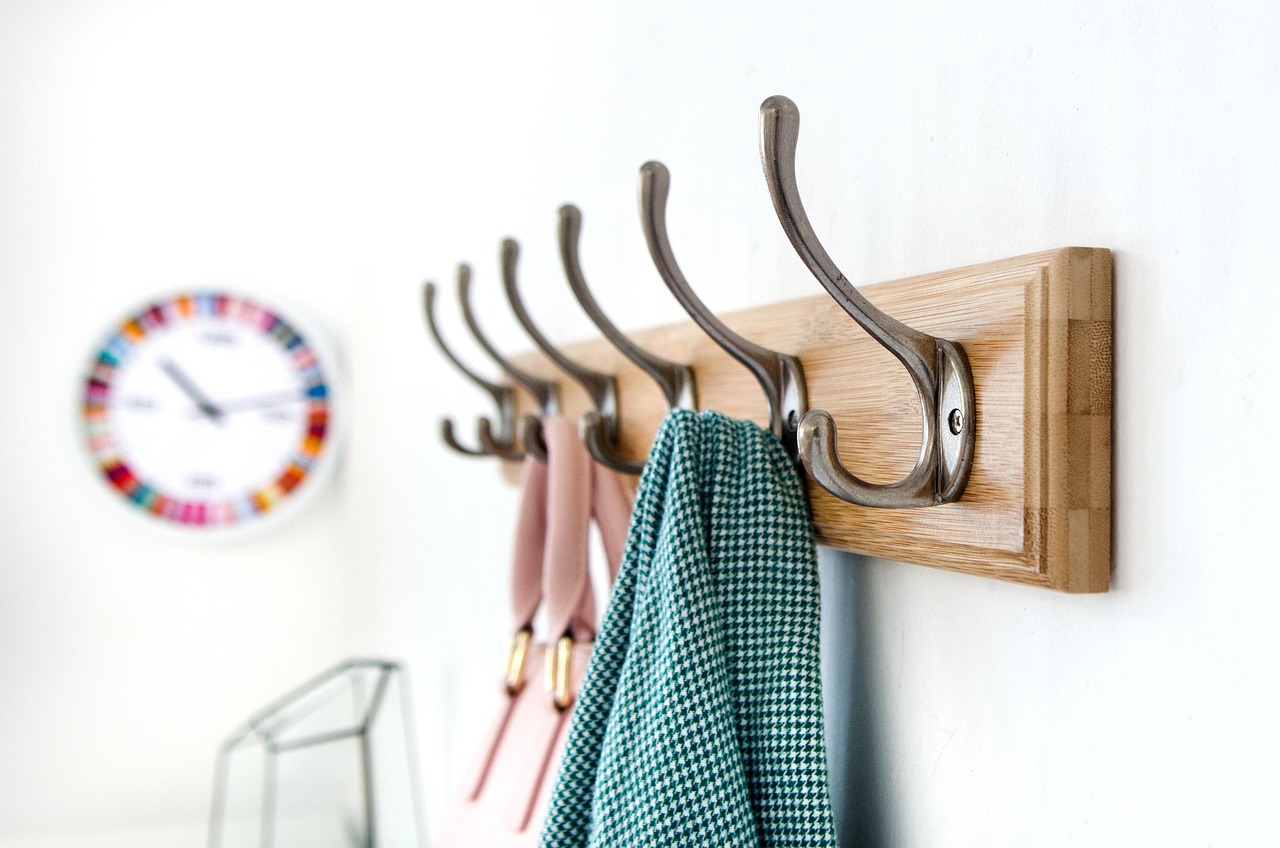
Use vertical space: Wall-mounted storage for accessories keeps floors clear. Simple hooks can hold resistance bands, mats, and even small dumbbells. Every inch of wall space is potential storage.
Mirror placement: Even if you don’t have a smart mirror system, placing a large mirror in your workout area makes the space feel larger and helps with form checking. You can find affordable full-length mirrors that mount to doors or walls.
Flooring matters: Interlocking foam tiles create a dedicated workout zone, protect your floors, and reduce noise transmission. They’re easy to clean and can be rearranged if needed. Dark colors hide sweat and wear better than light colors.
Lighting sets the mood: A dim, cramped space feels uninviting for workouts. Good lighting—even just a couple of well-placed lamps—makes a huge difference in motivation and energy levels. Consider a dimmer switch if you want to switch between high-energy workout lighting and relaxing cool-down ambiance.
Ventilation is underrated: Small spaces heat up quickly during intense workouts. A simple box fan or open window prevents your workout area from becoming stuffy and uncomfortable. If your space has poor ventilation, shorter, more frequent workouts might be more comfortable than marathon sessions.
Who Each Option Is Best For
After years of testing and helping friends choose their own compact gym setups, here’s my breakdown of which person matches which system:
Tonal is perfect for: Tech enthusiasts who want the most premium, fully-automated experience. People who don’t mind permanent wall installation and have the budget for the best. Those who value AI-powered coaching and automatic progression. If you want a set-it-and-forget-it solution that handles all the thinking for you, Tonal is unmatched.
Speediance Gym Monster 2 is perfect for: Fitness enthusiasts who want maximum versatility per dollar. People who might move or rearrange frequently (no permanent installation). Those who want both strength and cardio options in one system. Anyone who values the ability to add rowing functionality. If you want 90% of Tonal’s functionality for 60% of the price, Speediance is the sweet spot.
TRX Home2 is perfect for: Budget-conscious fitness enthusiasts. People with extremely limited space. Renters who can’t modify walls. Travelers who want a portable system. Anyone who values simplicity and durability over high-tech features. If you have under $200 to spend but still want effective full-body training, TRX delivers incredible value.
Core Adjustable Dumbbells are perfect for: Traditional strength training enthusiasts who want space efficiency without smart features. People who prefer classic weightlifting over guided workouts. Anyone who already has a fitness tracker and doesn’t need another app subscription. If you want the most straightforward, durable strength training solution that replaces an entire dumbbell rack, Core is the answer.
My Personal Recommendation
If you’re feeling overwhelmed by options, I don’t blame you—there are genuinely excellent choices across all categories now. Here’s my honest advice based on real-world testing:
For most people living in apartments or small spaces, Speediance Gym Monster 2 hits the best balance of price, functionality, and versatility. It’s significantly more affordable than Tonal while offering comparable resistance training, plus the rowing capability for cardio that Tonal can’t match. The ability to move the system if you relocate or rearrange is a huge advantage for renters. While it lacks the AI-coaching of premium systems, the manual tracking is straightforward, and for most of us, consistency matters more than micro-optimized progression.
However, if budget is the primary constraint, you absolutely cannot go wrong with TRX Home2. I’ve achieved some of my best personal fitness results using nothing but a suspension trainer and bodyweight exercises. The system is genuinely effective, takes up virtually no space, and costs less than a single month of gym membership in many cities. Don’t let the simplicity fool you—TRX provides brutal, effective workouts that scale from beginner to advanced.
For those who want the absolute premium experience and don’t mind the investment, Tonal remains the king of compact smart gyms. The AI-coaching, electromagnetic weights, and polished ecosystem deliver a luxurious experience that genuinely feels like having a personal trainer in your home. If budget isn’t a barrier and you want the best available, Tonal is it.
The most important thing isn’t which system you choose—it’s that you choose something and use it consistently. The best compact smart home gym is the one you’ll actually use three times a week, not the one with the most impressive specs or highest price tag. Start with an honest assessment of your space, budget, and fitness goals, then pick the system that fits your reality. Your future self will thank you for investing in your health, regardless of which path you take.