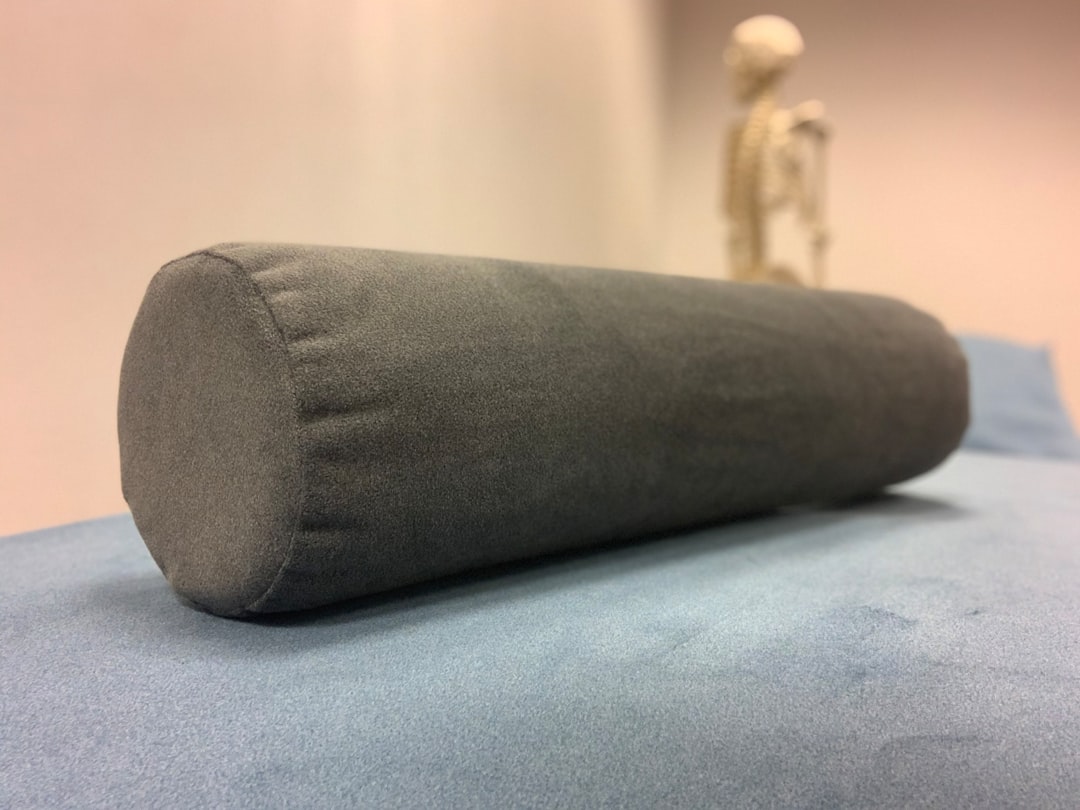
I used to think foam rolling was something you did when you had extra time at the gym — a luxury, not a necessity. Then I started training for the heptathlon qualifiers, and my coach handed me a black foam cylinder that looked like a pool noodle on steroids. “Ten minutes, every day,” she said. “No exceptions.” I rolled my eyes. I rolled my IT band. I nearly cried. And then, about three weeks later, I realized my knees didn’t ache during hurdle drills anymore. That was the moment I became a foam rolling evangelist, and I haven’t looked back since.
If you’ve ever walked past those colorful cylinders at the gym and wondered whether they actually do anything — or if you’ve bought one and it’s currently gathering dust in your closet — this one’s for you. Let’s talk about what foam rolling really does, what the science says, and how to pick the right one for your body and your goals.
What Foam Rolling Actually Does to Your Body
The technical term is self-myofascial release, which sounds way more intimidating than it is. Your muscles are wrapped in a thin layer of connective tissue called fascia, and when you train hard, sit too long, or just live life with less-than-perfect posture, that fascia can get tight, knotted, and sticky. Foam rolling applies pressure to those areas, essentially giving yourself a deep tissue massage without the spa price tag.
When you compress a muscle against a foam roller, several things happen simultaneously. Blood flow increases to the area, which delivers oxygen and nutrients while flushing out metabolic waste. The pressure stimulates receptors in your muscle tissue that signal your nervous system to reduce tension. Over time, regular rolling can improve the suppleness of your fascia, making your muscles more pliable and resilient.
A high-density foam roller provides the firm pressure most athletes need to break up stubborn adhesions, while softer options work well for beginners who are still building tolerance.
The Science Behind the Squeeze
Here’s where it gets interesting — and where a lot of fitness myths get busted. For years, people claimed foam rolling “lengthened” muscles or broke up scar tissue. The reality is a bit more nuanced. Research published in the Journal of Athletic Training found that foam rolling after exercise significantly reduced perceived soreness and improved range of motion compared to passive recovery. Another study in the International Journal of Sports Physical Therapy showed that just 90 seconds of foam rolling improved hip flexor range of motion by an average of 10 degrees.
The mechanism isn’t about physically stretching tissue — it’s about neuromodulation. Your nervous system responds to sustained pressure by dialing down muscle tone, which creates the feeling of release and increased flexibility. That’s why consistency matters more than intensity. Rolling gently for a few minutes every day outperforms one brutal session a week where you’re grimacing through pain.
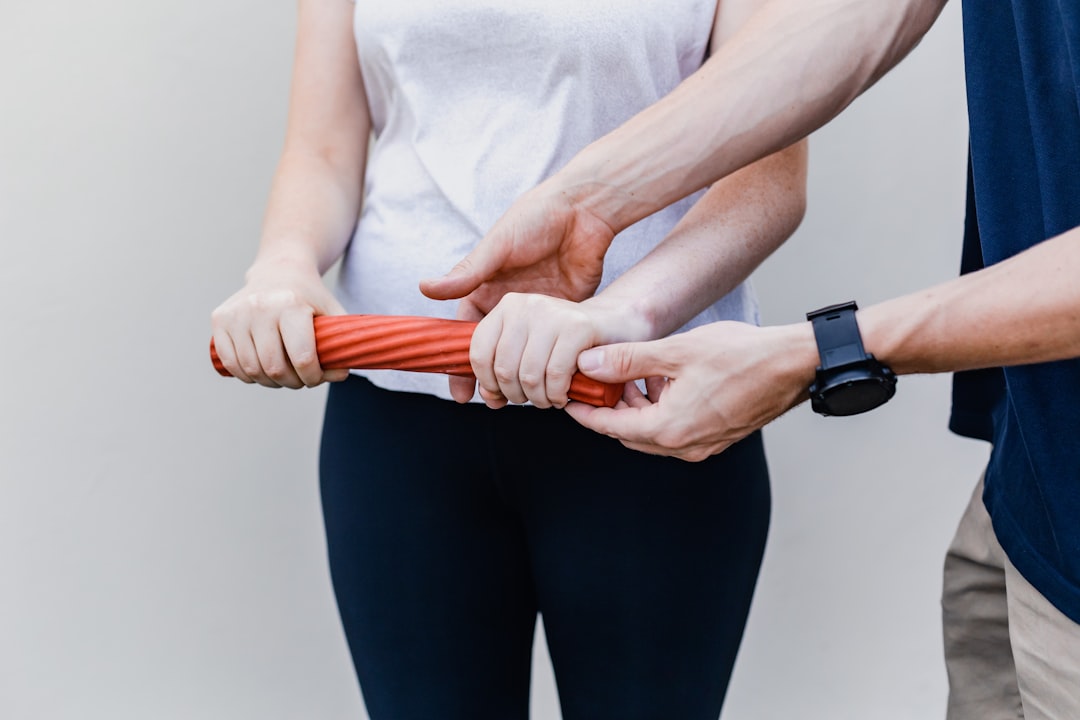
Who Actually Needs a Foam Roller?
Short answer: almost everyone. Long answer: let me break it down by the types of people I coach and what rolling does for each.
The desk worker. If you sit eight hours a day, your hip flexors are chronically shortened, your thoracic spine is stiff, and your glutes are essentially asleep. A few minutes of rolling your quads, thoracic spine, and glutes can undo hours of postural damage. I wrote about this in detail when I tackled how desk jobs destroy your shoulders and the gear that fixes them, and foam rolling was one of the top recommendations.
The runner. IT band syndrome, tight calves, cranky hip flexors — sound familiar? Rolling these areas before and after runs can reduce injury risk and improve stride mechanics. I recommend rolling your calves, quads, and IT band for about 60 seconds each before every run as part of a dynamic warm-up.
The strength athlete. Heavy lifting creates microtrauma in muscle fibers, which is how we get stronger — but the recovery process can leave you stiff and sore. Foam rolling between training sessions accelerates blood flow to damaged tissue and helps maintain mobility even when you’re training hard. Pair it with a good vibration foam roller and you’ve got a recovery combo that rivals professional bodywork.
The weekend warrior. You know who you are — sitting all week, then going full send on Saturday morning. Foam rolling Friday night and Sunday evening can be the difference between feeling great on Monday and walking like you rode a horse for twelve hours.
How to Choose the Right Foam Roller
Walking into a sporting goods store and staring at the foam roller wall is overwhelming. Trust me, I’ve been there. Here’s a simple framework for picking the right one.
Density: The Most Important Factor
Foam rollers generally come in three densities: soft, medium, and firm. Soft rollers (usually EVA foam) are great for beginners, people with lower pain tolerance, or anyone working on sensitive areas like the neck and lower back. Medium-density rollers are the sweet spot for most people — firm enough to create real change but not so intense that you dread using them. Firm rollers (typically EPP or molded polyethylene) are for experienced users who want deep, targeted pressure.
If you’re just starting out, grab a medium-density 18-inch roller and see how your body responds. You can always upgrade to something firmer later.
Texture: Smooth vs. Textured
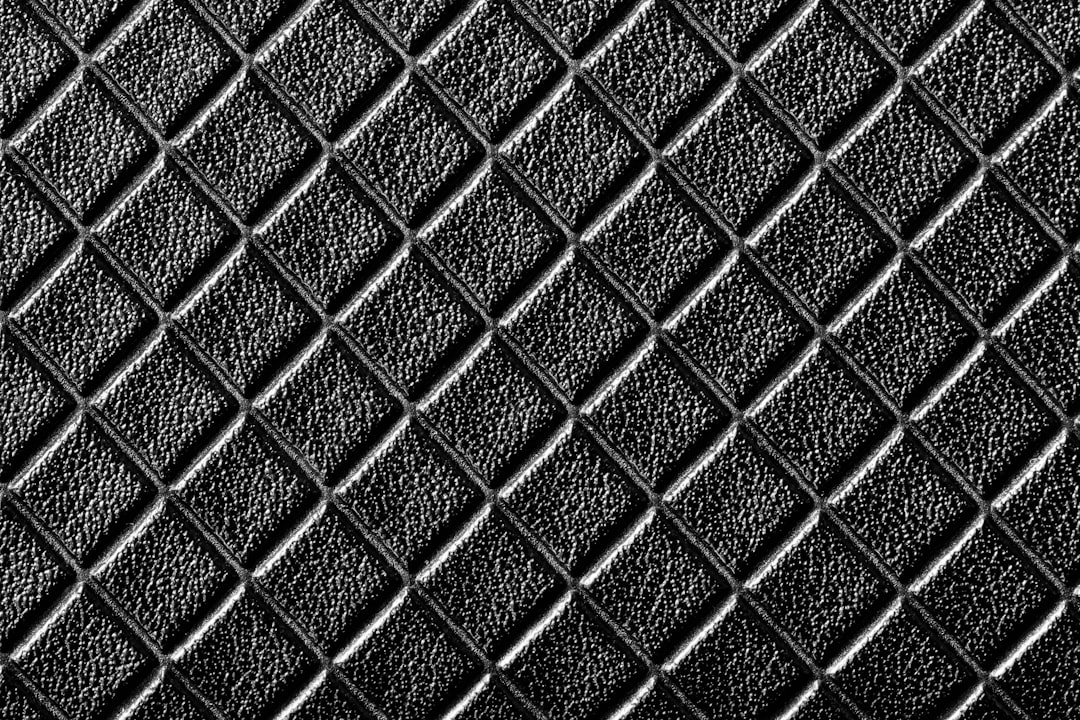
Smooth rollers provide even pressure across a broad area, which is ideal for large muscle groups like your quads and back. Textured rollers — with ridges, knobs, or grid patterns — mimic the feeling of a massage therapist’s hands and are excellent for targeting specific knots. The TriggerPoint GRID is probably the most popular textured roller on the market, and for good reason. Its multi-density surface lets you dial in exactly the amount of pressure you want depending on which zone you’re rolling over.
Size Matters More Than You Think
Long rollers (36 inches) are versatile — you can roll your entire back, use them for core exercises, and they’re stable enough for beginners to balance on. Short rollers (12-18 inches) are portable and great for travel or targeting specific areas like calves and IT bands. If you’re only buying one, go with the 36-inch version. You can always add a compact travel roller later.

The Five Moves That Changed My Recovery
I’ve been foam rolling for over a decade, and these five moves are the ones I come back to every single week. They target the areas that get tightest from training, sitting, and just existing in the modern world.
1. Thoracic Spine Extension. Lie back with the roller positioned perpendicular across your mid-back, hands behind your head. Slowly roll from your mid-back to your upper back, pausing on any stiff segments. This one move can dramatically improve your posture and shoulder mobility. I do it every morning before my workout and it takes about two minutes.
2. IT Band Sweep. Yes, I know — rolling the IT band is controversial. Some practitioners say you can’t actually release the IT band itself because it’s a thick tendon. But rolling the tissue around it (your TFL, glutes, and lateral quad) can provide significant relief. Lie on your side with the roller just below your hip and slowly roll down to just above the knee. If it’s too intense, shift more weight onto your supporting leg.
3. Quad Smash. Forearm plank position with the roller under your thighs. Roll from hip to knee, pausing on any tender spots. This is especially important if you’re a runner or cyclist — your quads take a beating and rarely get the recovery attention they deserve.
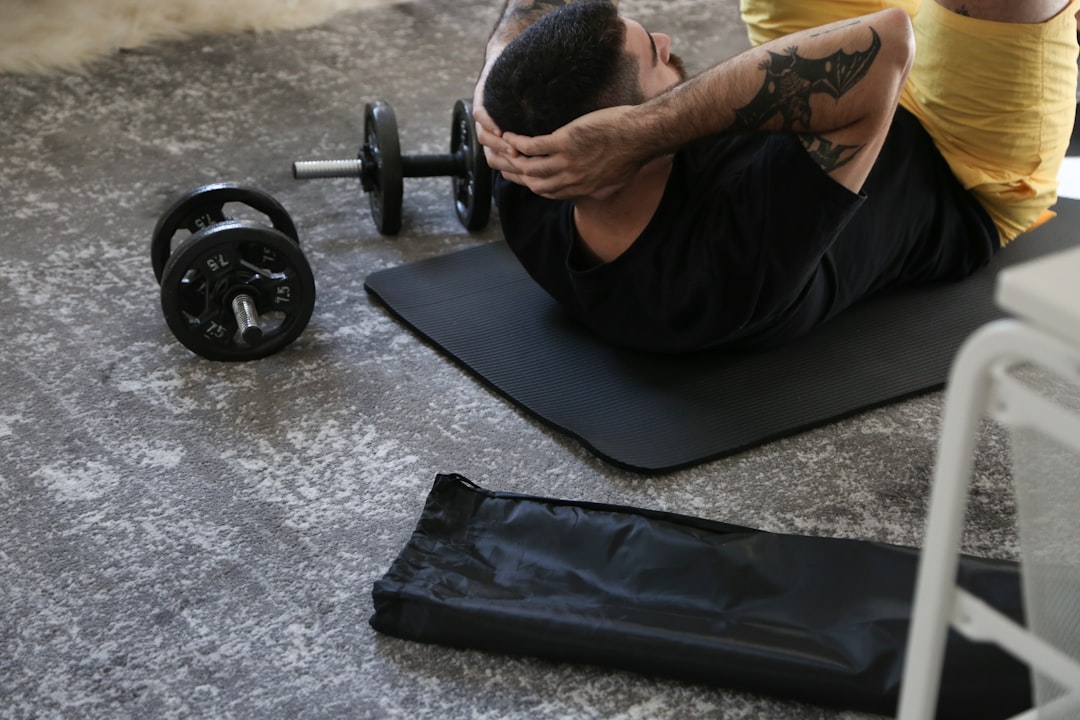
4. Calf Release. Sit with the roller under your calves, hands behind you for support. Roll from ankle to knee. For extra pressure, cross one leg over the other. This move single-handedly fixed my chronic calf tightness that had been plaguing me since my track days.
5. Glute Piñata. Sit on the roller with one ankle crossed over the opposite knee. Lean into the crossed-leg side and roll around the glute area. When you find a knot (and you will), hold pressure on it for 20-30 seconds while breathing deeply. This pairs beautifully with the recovery work I described in my piece on swapping my cool-down for a vibration plate.
When and How Often to Roll
The beauty of foam rolling is its flexibility — pun absolutely intended. Here’s the framework I give my clients:
Pre-workout: Roll for 5-10 minutes as part of your warm-up. Focus on the muscle groups you’re about to train. Keep the pace moderate — you’re preparing tissue, not trying to release deep knots. Think of it as waking up your muscles and increasing blood flow before you load them.
Post-workout: Roll for 10-15 minutes after training, spending extra time on any areas that feel particularly tight or sore. This is when you can go deeper and hold pressure on trigger points longer. Research shows post-exercise rolling can reduce delayed-onset muscle soreness by up to 40%.
Rest days: Even on days when you’re not training, a quick 5-minute rolling session keeps tissue healthy and prevents stiffness from accumulating. I keep a foam roller with a carry strap in my living room and roll while watching TV. It’s become as automatic as brushing my teeth.
Common Mistakes That Sabotage Your Rolling
After years of coaching people through foam rolling, I see the same mistakes over and over. Here are the big ones to avoid.
Rolling too fast. If you’re zipping back and forth like you’re rolling out pizza dough, you’re wasting your time. Slow down. Spend 30-60 seconds on each muscle group, pausing on tender spots. The neurological response that reduces muscle tension requires sustained pressure, not speed.
Rolling directly on joints or bones. The roller should stay on muscle tissue, never on your lower back (lumbar spine), knees, or neck. If you need to release your lower back, use a tennis ball or lacrosse ball instead — these smaller tools let you target muscles without putting dangerous pressure on your spine.
Holding your breath. I know it hurts. But holding your breath increases muscle tension, which is literally the opposite of what we’re trying to achieve. Exhale slowly as you roll over tight areas. Your muscles will release faster when you breathe through the discomfort.
Only rolling when something hurts. Preventive rolling is dramatically more effective than reactive rolling. Don’t wait until you’re limping to break out the roller. Daily maintenance takes five minutes and prevents the kind of tightness that leads to injury.
Beyond the Basic Roller: Upgrading Your Recovery
Once you’ve mastered basic foam rolling, there’s a whole world of recovery tools that complement your practice. Massage balls and lacrosse balls are incredible for targeted trigger point work — especially in your glutes, shoulders, and feet. Foam roller sticks (also called muscle roller sticks) are perfect for travel and targeting your calves and IT band with controlled pressure.
Vibrating foam rollers add another dimension entirely. The combination of pressure and vibration has been shown to increase range of motion more than static rolling alone, and many of my clients find the vibration makes the experience more comfortable, especially on sensitive areas. If you’re serious about recovery — and after reading this far, I suspect you are — a rechargeable vibrating foam roller is worth the investment.
For those dealing with chronic tightness or coming back from injury, combining foam rolling with other recovery modalities can accelerate results. I’ve had great success pairing rolling with the recovery protocols I outlined in my article on infrared sauna vs cold plunge for recovery — the combination of heat therapy followed by targeted rolling is incredibly effective for stubborn muscle tension.
My Honest Take After a Decade of Rolling
Here’s the thing nobody tells you about foam rolling: it’s not glamorous. It’s not Instagram-worthy. It’s a $20 cylinder that you lie on and grimace while your IT band screams at you. But it works. It has kept me training consistently through injuries, age, and the general wear-and-tear of an active life. My body moves better at 42 than it did at 32, and foam rolling is a significant part of that equation.
Start simple. Get a medium-density roller, commit to five minutes a day for two weeks, and see how your body feels. I’m willing to bet you’ll notice the difference — in your workouts, your posture, and how you feel getting out of bed in the morning. Your future self will thank you. And if you want to explore the full range of options, foam roller recovery kits bundle everything you need in one package.
Now if you’ll excuse me, my calves are calling.




3 Comments on “The $20 Recovery Tool I’ve Used Every Day for a Decade — and Why Your Body Is Begging You to Start”