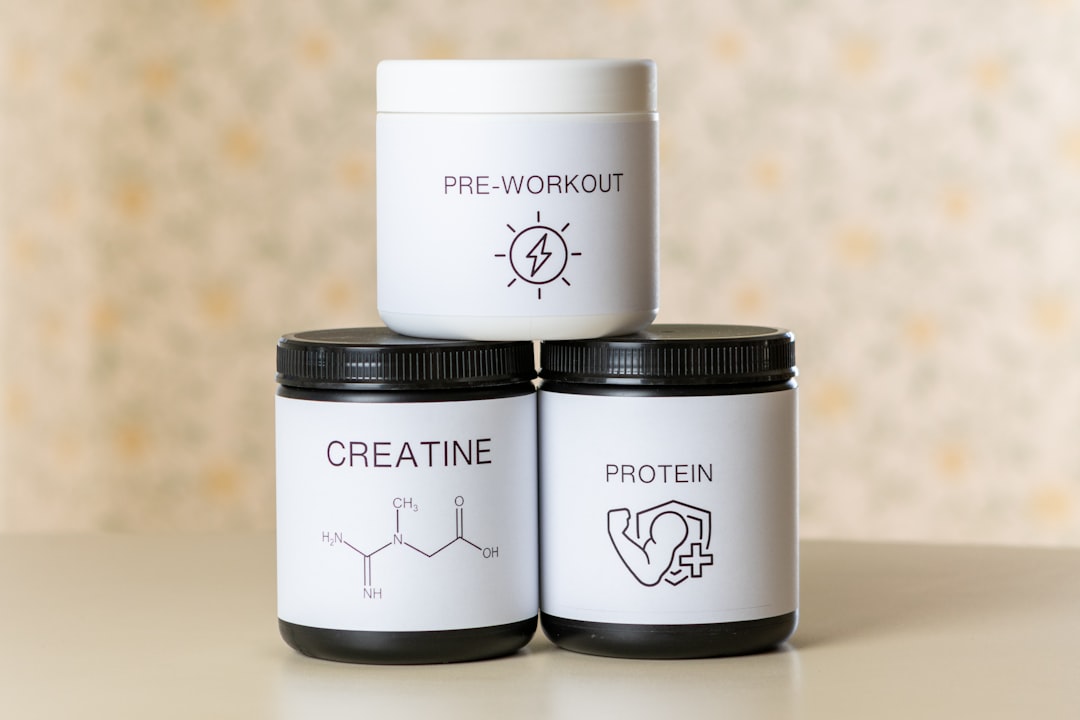
My Protein Powder Journey: From Skeptic to Informed Consumer
I’ll be honest—when I first started exploring protein powders back in my early fitness days, I was completely overwhelmed. Walking into supplement stores felt like entering a maze of neon tubs with wild promises and ingredients I couldn’t pronounce. Fast forward to 2026, and the protein powder landscape has both evolved dramatically and become even more confusing. After years of personal experimentation, countless hours of research, and more than a few unpleasant-tasting shakes, I’ve learned what actually matters when choosing a protein powder that supports your goals without compromising your health.
What drove me to really understand this space wasn’t just building muscle—it was the realization that not all protein powders are created equal. Recent Consumer Reports investigations (yes, they’re still doing the important work in 2026) found elevated levels of lead and other heavy metals in some popular protein powders. That’s not exactly what you want in your post-workout recovery shake. This discovery completely changed how I approach protein supplementation, and I want to share what I’ve learned so you can make informed choices without the trial and error I went through.
Understanding the Protein Powder Landscape in 2026
Gone are the days when your only option was a generic tub of whey protein that tasted like chalk mixed with artificial sweetener. Today’s market offers whey isolate, whey concentrate, casein, pea protein, hemp protein, rice protein, and various blends that claim to offer the best of all worlds. The key is understanding which type aligns with your goals, dietary restrictions, and digestive system.
Whey protein still reigns supreme for muscle building due to its complete amino acid profile and rapid absorption—research consistently shows it’s superior for maintaining lean body mass when combined with resistance training. But not everyone tolerates dairy well, and that’s where the plant-based revolution has genuinely delivered. Modern plant proteins have evolved beyond the gritty, earthy concoctions of years past, with some brands now achieving mixability and taste that rival their whey counterparts. If you’re looking to expand your home setup beyond supplements, adjustable dumbbells and resistance bands complement protein supplementation perfectly for building lean muscle.
The Red Flags: What I’ve Learned to Avoid
Here’s where I want to save you some money and potential health issues. After diving deep into ingredient lists and third-party testing results, I’ve identified several dealbreakers that immediately rule out a protein powder for me. First up: proprietary blends. If a company won’t tell you exactly how much of each ingredient is in their product, that’s a massive red flag. Transparency matters, especially when you’re putting something into your body every single day.
Artificial sweeteners are another major consideration for many people. In various fitness communities, I’ve read countless stories from people who experience digestive issues, headaches, or worse from artificial sweeteners—some even reporting vomiting after consumption. If you’re sensitive to these ingredients (and many people are without realizing it), you’ll want to stick with natural sweeteners or unflavored options that you can customize yourself.
Then there’s the heavy metal issue that Consumer Reports uncovered. This isn’t fear-mongering; it’s a documented problem with some protein powders, particularly plant-based ones that absorb heavy metals from soil. The solution? Look for brands that conduct third-party testing and publicly share the results. It’s not foolproof, but it significantly reduces your risk of consuming contaminated products.
My Top Picks: What I Actually Use and Recommend
After testing dozens of options (my kitchen cabinet has looked like a protein powder graveyard at times), here are the categories that matter most and the specific recommendations I keep coming back to. I’m not just regurgitating marketing claims here—these are powders I’ve personally used, tracked results with, and continue to purchase.
Best Overall Whey: Transparent Labs 100% Grass-Fed Whey Protein Isolate
This powder consistently tops recommendation lists from registered dietitians and fitness experts for good reason. The grass-fed designation means you’re avoiding hormones and antibiotics often found in conventional whey production. More importantly, the isolate processing removes most lactose, making it easier to digest even for people with mild dairy sensitivity. At about 26 grams of protein per serving with minimal additives, it delivers exactly what you need without the junk you don’t. You can find grass-fed whey protein isolate options across various price points, but Transparent Labs remains my go-to for purity and taste. The chocolate and vanilla flavors are genuinely enjoyable—something I never thought I’d say about protein powder after some early experiences with brands I won’t name.
Best Plant-Based Option: Nested Naturals Pea Protein Isolate
For those avoiding dairy, pea protein has emerged as the frontrunner in the plant-based space. What I love about this particular option is that it doesn’t try to mimic whey’s exact amino acid profile by using a dozen different plant sources—sometimes simple is better. Pea protein provides a complete protein profile on its own, and this version manages to achieve smooth mixability without the grittiness that plagued early plant proteins. The pea protein powder category has expanded dramatically in recent years, with brands competing on taste and texture rather than just marketing claims. The vanilla flavor blends beautifully into smoothies, and I’ve found it particularly gentle on my digestive system compared to some multi-plant blends that left me feeling bloated.
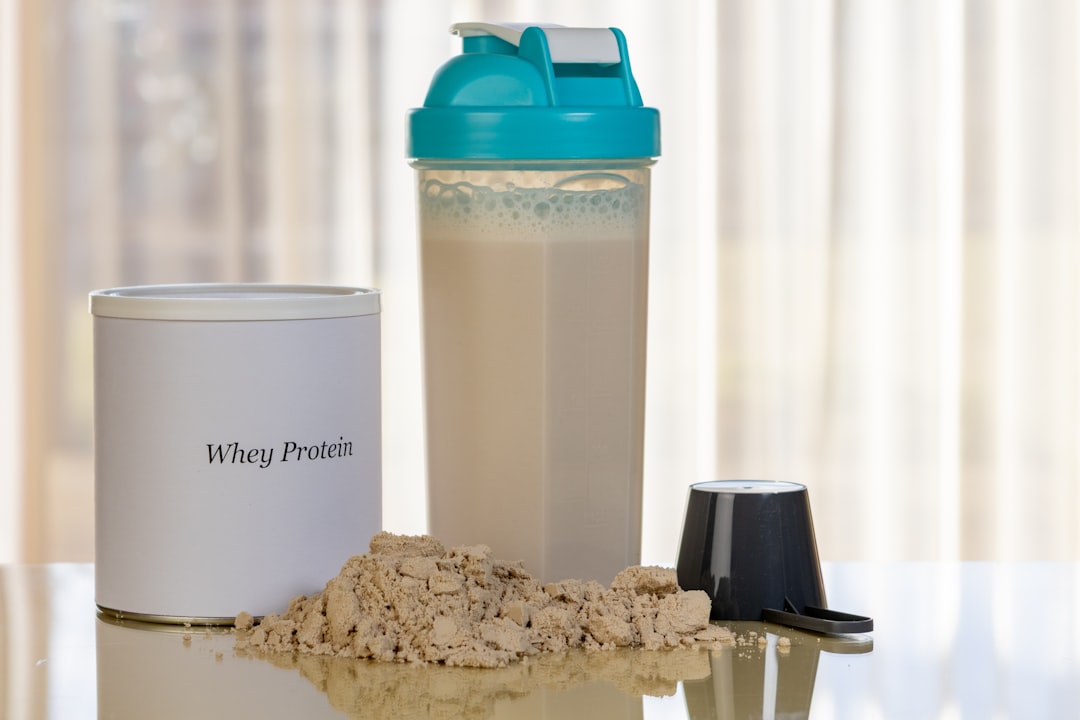
Budget-Friendly Pick That Doesn’t Compromise Quality
I know not everyone can justify spending premium prices on protein powder, and honestly, you don’t always need to. Optimum Nutrition Gold Standard Whey has been around forever (in supplement years) and remains a solid choice. It’s a whey concentrate/isolate blend rather than pure isolate, which affects the protein percentage slightly but also keeps the price down. What matters is that it consistently tests clean for contaminants and provides 24 grams of protein per serving. The flavor options are extensive, and after years of using it on and off, I can say the quality control remains reliable—which is more than I can say for some flashier newcomers.
For the Sensitive Stomach: Isopure Zero/Low Carb Unflavored
If artificial sweeteners wreck your digestive system like they do for some people I’ve talked with, unflavored whey isolate is your best friend. Isopure’s unflavored option is essentially pure protein powder with no additives—you won’t find artificial colors, sweeteners, or mysterious flavoring agents. Yes, it tastes like absolutely nothing on its own, which is exactly the point. You control the flavor by adding it to smoothies, oatmeal, or recipes. I’ve heard from people who can’t tolerate any sweeteners that this has been a game-changer for their supplement routine.
Making It Work: How I Actually Use Protein Powder
Here’s something I wish someone had told me earlier: protein powder works best as a supplement to, not a replacement for, whole food protein sources. I aim for 0.7-1 gram of protein per pound of body weight daily, but I try to get most of that from actual food—eggs, chicken, fish, legumes, and Greek yogurt. If you’re interested in tracking your protein intake more precisely, AI-powered nutrition tracking devices can help you hit your targets consistently. Protein powder fills in the gaps, particularly around workouts when convenience matters. Most protein powder scoops are standardized to about 25-30 grams, which makes portion control straightforward once you know your daily targets.

My go-to post-workout shake couldn’t be simpler: one scoop of protein powder, a banana for quick carbs, a handful of spinach (you won’t taste it, I promise), and either water or almond milk depending on my calorie needs for the day. This combination provides protein for muscle repair, carbohydrates to replenish glycogen stores, and micronutrients from the spinach. A good shaker bottle makes mixing convenient whether you’re at the gym or on the go. It’s become such a routine that my body practically expects it after hard training sessions.
Timing-wise, I’ve found that consuming protein within 30-60 minutes after resistance training does make a noticeable difference in recovery—less soreness the next day and better strength gains over time. Combining proper protein intake with targeted recovery tools can significantly enhance your results. That said, I don’t stress about hitting an exact “anabolic window.” Life happens, and sometimes post-workout nutrition happens two hours later. The key is consistency over time rather than perfection in any single day.
Beyond the Shake: Creative Ways to Use Protein Powder
If you’re bored with the standard shake routine, you’re not alone—I’ve been there. One of my favorite discoveries is using protein powder in baking. It actually works surprisingly well in recipes like protein pancakes, muffins, and even energy bites. The key is choosing a flavor that complements your recipe and not going overboard—typically replacing 20-30% of the flour in a recipe with protein powder maintains good texture while boosting protein content.
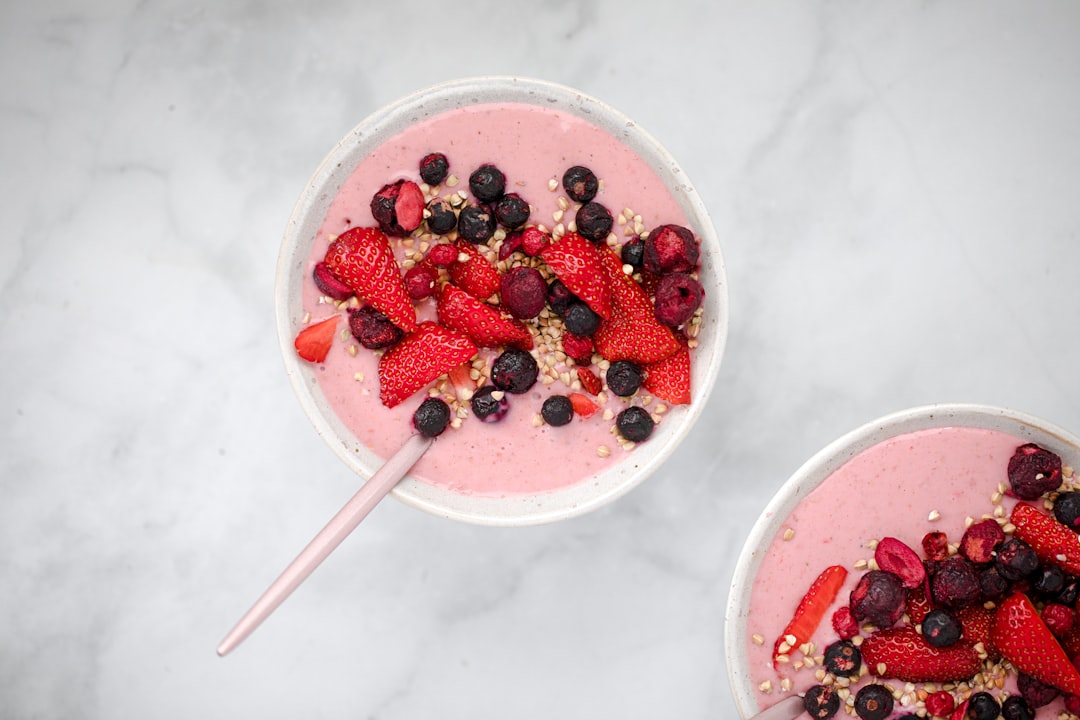
Oatmeal is another winner. I stir in a scoop of unflavored or vanilla protein powder after cooking my oats, which not only increases the protein content but also creates a creamier texture. Top with some berries and nuts, and you have a balanced breakfast that keeps me full for hours. It’s become my go-to before busy mornings when I know I won’t have time for a mid-morning snack.
The Bottom Line: Choosing What’s Right for YOU
Here’s the truth that took me way too long to learn: the “best” protein powder is the one that fits your goals, dietary needs, budget, and taste preferences. The most expensive, hyped powder won’t do you any good if you can’t stomach the taste or it doesn’t agree with your digestive system. I’ve wasted money on plenty of “top-rated” products that I ended up forcing myself to finish just because I’d paid for them.
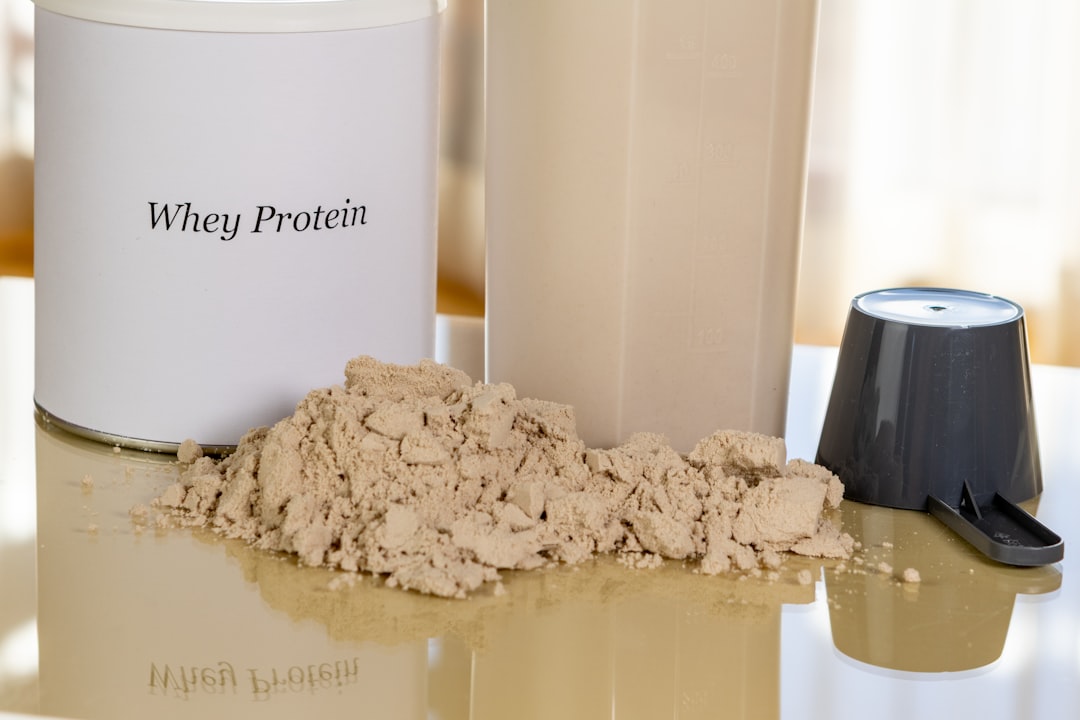
Start by identifying your non-negotiables: must be plant-based? Can’t do artificial sweeteners? Need it to mix easily with water? Once you know your dealbreakers, the field narrows considerably. Then it comes down to taste and mixability—both highly subjective but crucial for long-term adherence. I recommend buying the smallest available size first to test these factors before committing to a massive tub.
Quality testing matters, but don’t assume expensive equals better. Some premium brands charge a premium for marketing rather than superior ingredients. Conversely, some budget third-party tested protein powders prioritize transparency and quality control. Third-party testing certifications (like NSF or Informed Choice) provide some assurance, but they’re not perfect—some quality brands opt out of these programs due to cost while still maintaining rigorous internal testing standards.
When Protein Powder Might NOT Be the Answer
Before I wrap this up, I want to acknowledge that protein powder isn’t always necessary. If you’re getting adequate protein from whole foods and meeting your fitness goals without supplementation, there’s no requirement to add powder to your routine. I’ve gone through periods where I stopped using it entirely, particularly when I had more time for meal prep and could easily hit my protein targets through food alone.
Additionally, if you’re dealing with kidney issues or have been advised by a healthcare provider to limit protein intake, supplements require medical guidance—no exceptions. The same goes for pregnant or nursing individuals. And honestly, if you’re barely exercising, throwing money at protein powder won’t magically transform your physique. Foundation first, supplements second.
My Final Take: Balance Over Hype
The protein powder industry will always have a new “breakthrough” product claiming to revolutionize your results. Some of these innovations are genuinely useful, while others are marketing fluff dressed up in pseudo-science. What I’ve learned after years in this space is that consistency with a quality product beats constantly chasing the latest hyped ingredient.
Focus on the fundamentals: adequate total protein intake, whole food sources when possible, and a protein powder that you actually enjoy using without digestive distress. The rest is noise. Whether you choose whey, plant-based, budget, or premium options matters less than finding something sustainable for your lifestyle and goals.
After all this time and experimentation, I still use protein powder regularly—but I no longer stress about having the “perfect” product. I rotate between a few trusted options, listen to my body, and adjust based on my current training phase and nutritional needs. That balance, combined with solid training and recovery practices, is what actually drives results. The powder is just support for the hard work.





2 Comments on “Best Protein Powder 2026: My Journey Through the Crowded, Sometimes Sketchy World of Protein Supplements”