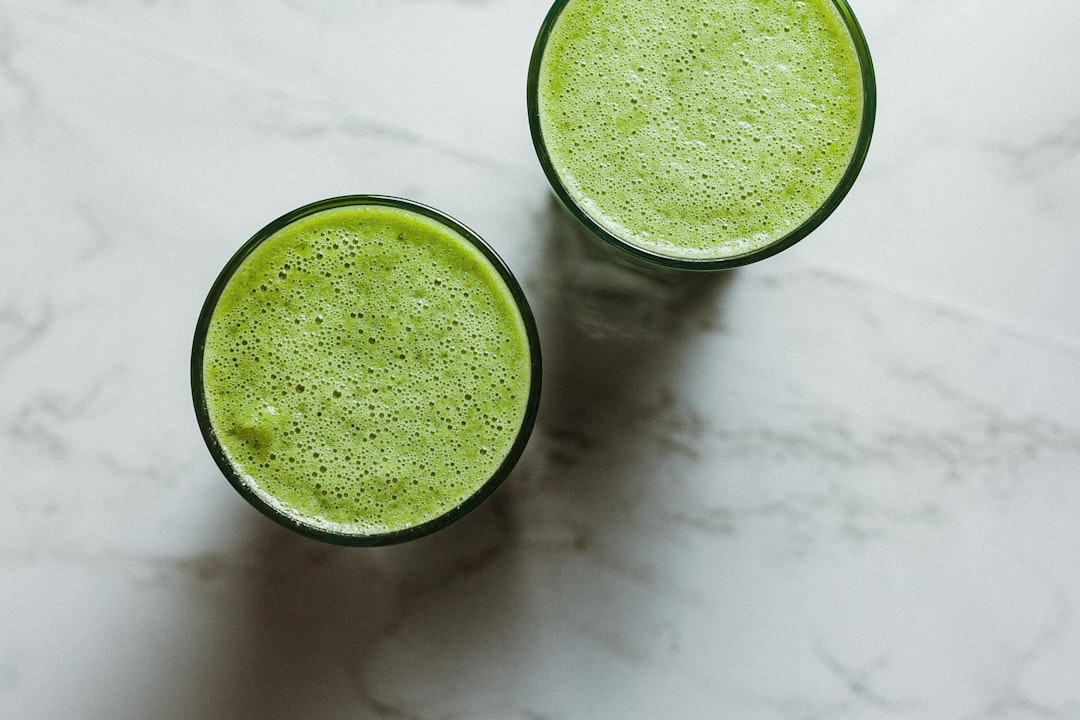
I remember the first time someone handed me a glass of something called a “daily greens drink.” It was at a wellness expo in Austin, the liquid was a shade of green that doesn’t exist outside a chemistry lab, and the taste was exactly what you’d expect from grinding up lawn clippings with a vitamin. I smiled, said “delicious,” and quietly poured the rest into a potted plant when no one was looking.
That was four years ago. Today, I have a tub of greens powder sitting on my kitchen counter next to my coffee maker, and I genuinely look forward to mixing it into my morning water. What changed? Honestly, a lot. The products got better, the science got clearer, and I stopped expecting one drink to solve my entire nutritional life. But I also learned some things about greens powders that most marketing material conveniently skips — and that’s what I want to share with you today.
What Greens Powders Actually Are (And What They’re Not)
Let’s get something straight right away: greens powders are not a replacement for eating vegetables. I know, shocking coming from someone who sells you on wellness habits for a living. But I’ve seen too many people treat these powders like a hall pass to skip the produce aisle entirely, and that’s not how this works.
Most greens powders are dehydrated, ground-up blends of things like spinach, kale, spirulina, chlorella, wheatgrass, barley grass, and sometimes fruits, adaptogens, probiotics, and digestive enzymes. The better ones use cold-drying techniques that preserve more of the nutrients. The cheaper ones use heat processing that can degrade some of the very compounds you’re paying for. If you’re in the market, it’s worth checking out organic greens powder blends on Amazon and reading the ingredient lists carefully.
What they can do is fill in nutritional gaps on days when your vegetable intake is less than stellar. Think of them as insurance, not a replacement. I travel a lot for coaching events and volunteer work, and there are days when airport food is the only option. On those days, my greens drink is a nutritional bridge that keeps me from feeling completely run down.
The 60-Day Experiment That Changed My Mind
Last January, I decided to run a proper experiment on myself. I picked a well-reviewed greens powder — I went with one that had third-party testing and a transparent ingredient list — and committed to drinking it every single morning for 60 days. No multivitamin, no other supplements except my usual protein powder. I wanted to see what would happen in isolation.
The first week was uneventful. I mixed a scoop into cold water, choked it down, and went about my day. By week two, I noticed something subtle: my afternoon energy crash wasn’t hitting as hard. You know that 2 PM wall where you start questioning every life choice that led you to a desk? It just… softened. Not gone, but quieter.
By the end of the first month, the most noticeable change was in my digestion. Without getting too personal, things were more regular, less bloated, and my stomach felt calmer after meals. The probiotics and digestive enzymes in my particular blend were likely the heroes here. If digestive health is a priority for you, greens powders with added probiotics and enzymes are worth looking at specifically.
The Ingredient Label: What to Actually Look For
After testing several brands and reading more ingredient labels than I care to count, here’s what I’ve learned separates the worthwhile greens powders from the overpriced fairy dust.
Serving size matters more than ingredient count. Some brands brag about having 75+ ingredients, but when you check the serving size, the actual amount of each ingredient is laughably small. It’s like claiming a restaurant has 75 dishes when each one is a single bite. Look for products that list meaningful amounts of their key ingredients — at least a gram each of the primary greens.
Third-party testing is non-negotiable. The supplement industry is loosely regulated, and greens powders are no exception. Brands that pay for independent testing from organizations like NSF or Informed Sport are telling you they stand behind what’s in the tub. If a brand doesn’t mention testing anywhere on their site or packaging, that’s a red flag.
Watch out for proprietary blends. If you see “Superfood Proprietary Blend — 8,000mg” but no breakdown of what’s in it, that’s a problem. You deserve to know what you’re putting in your body. Some of my favorite options are among the best-rated transparent-label greens powders available online.
How I Actually Drink Mine (And Three Ways You Might Like Better)
Straight up in water is how most people start, and honestly, it’s how I still take mine most mornings. But I’ve picked up a few tricks along the way that make the experience significantly more pleasant, especially if you’re sensitive to the earthy taste.

My go-to method: one scoop in 12 ounces of cold water, stirred vigorously with a shaker bottle with a mixing ball. The ball makes a huge difference in dissolving the powder evenly — no clumps, no gritty surprises at the bottom. I drink it while my coffee brews, so the whole routine takes about 90 seconds.
If plain water isn’t your thing, try blending it into a smoothie. A banana, a handful of frozen berries, a scoop of greens powder, and almond milk will completely mask the vegetal flavor. This is also a great approach if you want to add unflavored collagen peptides to the mix for a joint-supporting, skin-loving double punch. I do this version on weekend mornings when I have a few extra minutes.

A third option that surprised me: mixing greens powder into cold-pressed juice. Not the sugary stuff from the grocery store — real, cold-pressed green juice. The flavors actually complement each other, and you get a concentrated hit of nutrients that feels almost decadent. If you want to make your own juices at home, a quality cold-press juicer is a worthwhile investment for anyone serious about daily nutrition.
What the Science Says (And What It Doesn’t)
Here’s where I need to be honest with you, because wellness journalism that only highlights positive findings isn’t journalism — it’s marketing. The scientific evidence on greens powders is mixed, and anyone who tells you otherwise is selling you something.
The good: several studies have shown that regular consumption of greens powders can increase blood levels of antioxidants and certain vitamins. One study published in the Journal of the International Society of Sports Nutrition found that participants who took a greens supplement daily for 90 days had measurable improvements in energy and reductions in oxidative stress markers. Not bad for something that takes 90 seconds to prepare.

The caveat: most of these studies are small, many are funded by the companies that make the products, and none of them show results that rival simply eating more vegetables. If you’re currently eating five to seven servings of vegetables a day — and I mean actually eating them, not counting the lettuce on your sandwich — a greens powder probably won’t change your life. But if you’re like most Americans getting two to three servings on a good day, it’s a reasonable addition.
For anyone wanting to dive deeper into supplement quality, I’d recommend bookmarking trusted supplement reference guides and looking for brands that invest in peer-reviewed research rather than just influencer marketing.
Who Should Consider Adding Greens Powder to Their Routine
After my experiment and conversations with dozens of clients who’ve tried various brands, I’ve developed a pretty clear picture of who benefits most from daily greens. Frequent travelers who can’t always access fresh produce — you know who you are, eating airport salads that cost $14 and taste like regret. Busy parents who are surviving on toddler leftovers and coffee until 3 PM. Athletes pushing high training volumes who need every nutritional edge they can get.

And honestly, anyone who simply wants a low-effort nutritional safety net. There’s no shame in admitting that some days you’re not going to eat a balanced meal. Having a greens habit means those days don’t leave you completely depleted.
If you’re already someone who has a supplement routine that works, adding a greens powder can fill in micronutrient gaps that pills miss. Whole-food-based nutrition hits differently than isolated vitamins, and your body can tell the difference.
On the flip side, if you have a history of kidney issues, are on blood thinners, or have been told to avoid high-potassium foods, talk to your doctor first. Greens powders are concentrated, and those concentrations can interact with certain medications and conditions. I always tell my clients: just like with any supplement, do your homework before adding something new to your body.
The Cost Question: Are You Just Making Expensive Pee?
Let’s talk money, because greens powders aren’t cheap. Most quality brands run between $1.50 and $3.00 per serving, which adds up to $45–$90 a month. That’s not trivial, and I understand the hesitation.
Here’s how I think about it: I spend more than that on coffee each month, and coffee doesn’t give me vitamins, minerals, antioxidants, probiotics, and adaptogens. If it replaces a daily multivitamin (which it roughly does, nutrient-wise), the cost comparison becomes more reasonable. You can browse value-sized greens powder options to find something that fits your budget.
The “expensive pee” concern is real for water-soluble vitamins like C and B-complex — your body does excrete what it doesn’t need. But the phytonutrients, antioxidants, and compounds like chlorophyll and lutein aren’t just passing through. They’re doing work in your cells that you can feel over time, even if the effect is subtle.
My Honest Take After Four Years
Greens powders are not magic. They will not give you abs, cure your fatigue, or make you love kale. What they will do is give your body a consistent infusion of nutrients that most of us are falling short on, in a format that takes almost zero effort and fits into even the busiest mornings.
I still eat vegetables every day — lots of them, because I actually love real food and nothing replaces the fiber, satiety, and satisfaction of a well-cooked meal. But my morning greens drink has become as automatic as brushing my teeth, and on the days I skip it, I notice the difference by midafternoon.
If you’ve been curious about greens powders, start with a reputable brand, commit to 30 days, and pay attention to how you feel. Not just energy levels, but digestion, skin clarity, sleep quality, and that general sense of “I’m not running on fumes.” You might be surprised at what a scoop of green dust can do when you give it a real chance.
And if you want to read about how I built my entire morning supplement routine, check out this piece on the 15 minutes that changed how my body feels all day. The greens drink is just one piece of that puzzle, but it’s the one I’d keep if I had to choose just one.





One comment on “I Ditched My Multivitamin for a Daily Greens Drink — Here’s What 60 Days Actually Taught Me”