I’ll be honest — when I first heard that researchers were using something as simple as how fast you can stand up from a chair to predict lifespan, I rolled my eyes so hard I nearly pulled something. I’ve spent my career in exercise physiology, competed at the highest levels of track and field, and the idea that a 30-second test could tell me more about my longevity than a blood panel felt reductive at best.
But then the studies kept coming. A massive 2026 meta-analysis published in the British Journal of Sports Medicine looked at data from thousands of adults and concluded that simple field-based strength tests — particularly grip strength and the sit-to-stand — have prognostic value that rivals traditional cardiovascular markers. Another study of over 5,000 women found that grip strength and chair-rise speed were strongly linked to lower mortality risk over eight years of follow-up. These aren’t fringe findings anymore. They’re mainstream science.
So I did what any self-respecting wellness coach would do: I tested myself on every single one, roped in a few willing (and some unwilling) friends, and went down the rabbit hole of what these biomarkers actually mean for how we train, recover, and age. Here’s what I found — and how you can test yourself at home with minimal equipment.
Test One: Grip Strength — The Handshake That Predicts Your Future
If there’s one test that longevity researchers keep coming back to, it’s grip strength. Studies have shown that it predicts mortality better than systolic blood pressure, which is a sentence I had to read three times before it sank in. Your grip is a window into your overall muscular health, nerve function, and even nutritional status. When grip declines, it’s often an early warning system that something deeper is going wrong.
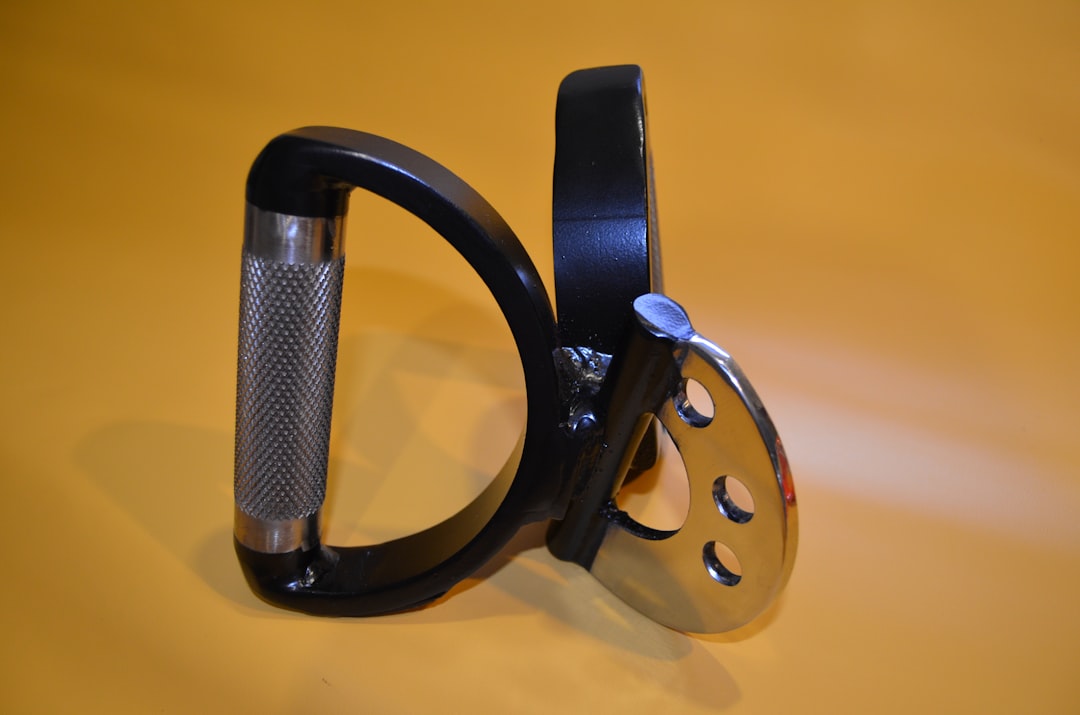
Here’s how to test it: You’ll need a hand grip dynamometer (they’re surprisingly affordable and honestly fun to have around). Stand with your arm at your side, elbow at 90 degrees, and squeeze as hard as you can. Do three attempts per hand and take your best score.
For reference, research suggests that women in their 30s and 40s should aim for at least 27-30 kg on their dominant hand, and men should be north of 40-45 kg. I hit 38 kg on my right hand — solid for a woman my age, but honestly lower than I expected given my training background. Turns out, years of typing articles and gripping steering wheels doesn’t exactly build crushing grip strength.
Want to improve yours? Dead hangs from a doorway pull-up bar, farmer’s carries with heavy dumbbells, and plate pinches are my three go-to exercises. I started doing three 30-second dead hangs every morning before my workout, and within six weeks my score climbed to 42 kg. Small investment, measurable return.
Test Two: The 30-Second Sit-to-Stand — Rise and Shine, Literally
This is the test that kicked off the whole longevity-testing trend in 2026, and for good reason. A study published in JMIR Aging expanded on earlier findings by showing that sit-to-stand performance doesn’t just predict mortality — it forecasts your future physical function, independence, and quality of life. The beauty of this test is that it requires zero equipment beyond a standard chair.
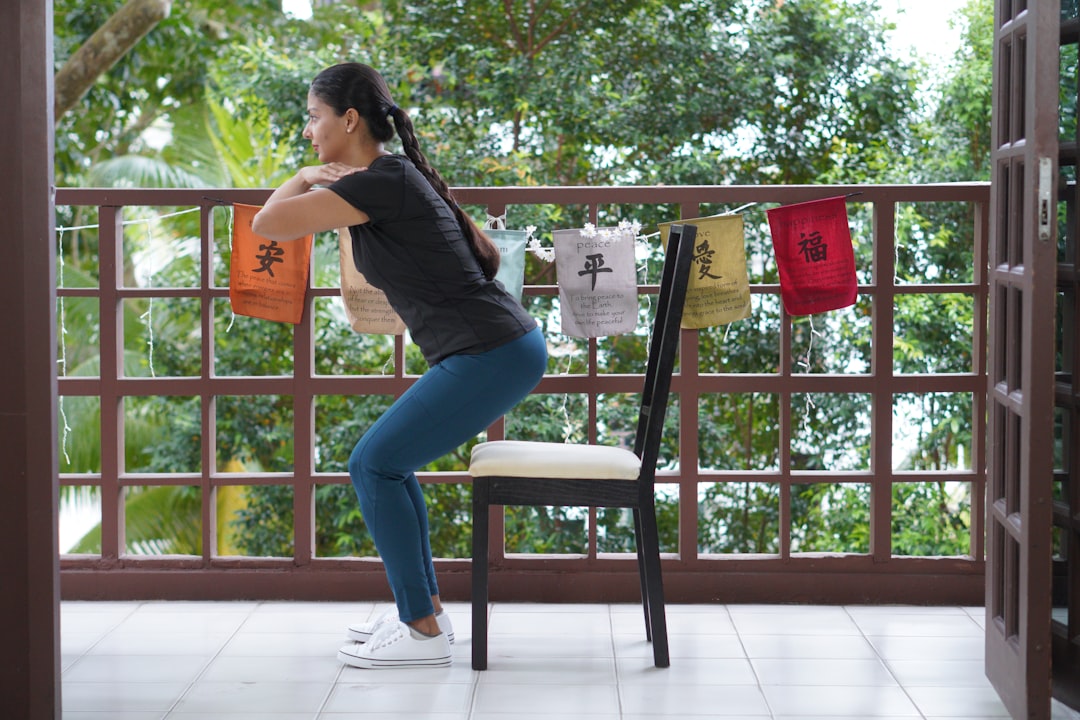
Here’s the protocol: Sit in a chair with your arms crossed over your chest. On “go,” stand up fully and sit back down as many times as you can in 30 seconds. No using your hands for momentum. Count each full stand.
For adults under 60, you should be hitting at least 15-19 repetitions. Over 60, the target is 12-15. I managed 21 reps, which I was pretty pleased about until my 72-year-old neighbor Dottie casually cranked out 19 while holding a cup of coffee. She does water aerobics three times a week and has legs that could kick down a door. I aspire to be Dottie.
If your score is lower than you’d like, the fix is straightforward: step-ups, bodyweight squats, and chair squats with a resistance band around your thighs will build the quad and glute power you need. Three sets of 15, three times a week, and you’ll see your number climb within a month.
Test Three: The 10-Second Balance Challenge — Standing on One Leg Says More Than You Think
This one humbled me more than any other test on this list. Balance is one of those things you don’t think about until it starts to go, and by then you’re playing catch-up. Research from the British Journal of Sports Medicine found that people over 50 who couldn’t stand on one leg for 10 seconds had nearly double the risk of death within seven years compared to those who could. Let that sink in — a 10-second balance test, double the mortality risk.
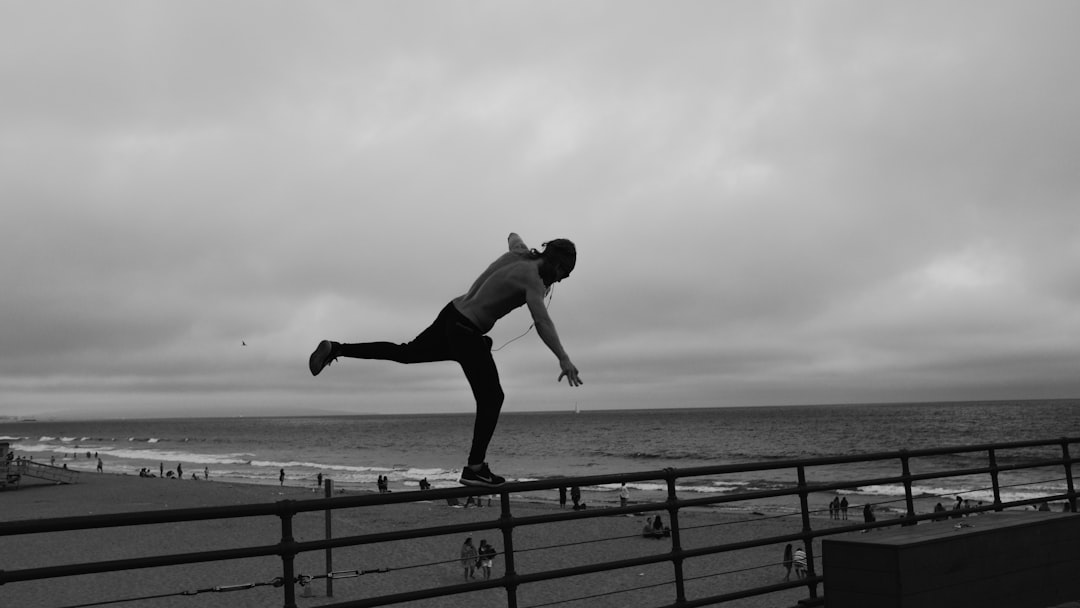
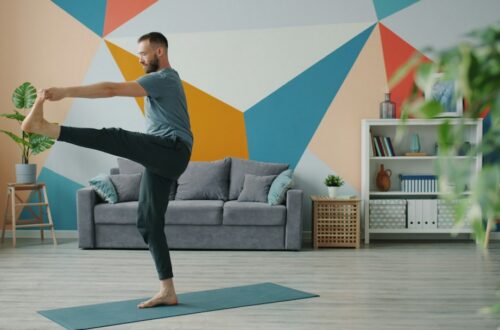
The test is exactly what it sounds like: Stand barefoot on one leg, hands on your hips, eyes open. Start a timer. If your raised foot touches the ground, your hands leave your hips, or you hop more than necessary to maintain position, the test is over.
I assumed I’d ace this one given my athletic background. I managed 14 seconds on my left leg and… 7 seconds on my right. Turns out, decades of favoring my left takeoff leg in track had created a significant imbalance I’d never noticed. Now I brush my teeth standing on one leg (alternating legs each night), and after two months I’m up to 22 seconds on both sides.
Beyond toothbrushing balance, I recommend incorporating wobble board training into your warm-ups and adding single-leg Romanian deadlifts to your strength routine. These build proprioception — your body’s internal GPS system — which declines with age unless you actively train it.
Test Four: Gait Speed — How Fast You Walk When Nobody’s Watching
Gait speed — basically, how fast you walk at your natural pace — is sometimes called the “sixth vital sign” by geriatricians, and the data backs that label up. Multiple longitudinal studies have found that every 0.1 meter-per-second increase in walking speed is associated with a roughly 10-12% reduction in mortality risk. It’s that sensitive an indicator.
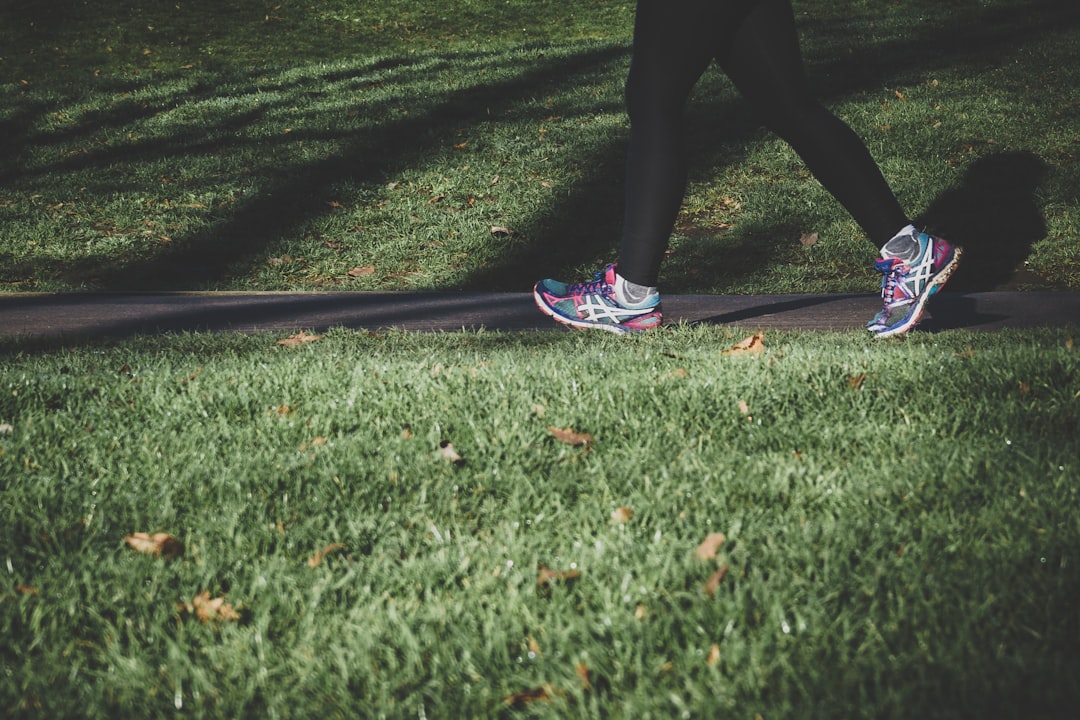
To test yourself, you’ll need a flat hallway or sidewalk and a stopwatch. Mark out 4 meters (about 13 feet). Walk at your normal, comfortable pace — not racing, not strolling. Time how long it takes to cover the distance, then divide 4 by your time in seconds to get your speed in meters per second.
Healthy adults under 60 should be walking at around 1.2 to 1.4 meters per second. I clocked in at 1.36 m/s, which felt about right — I’ve always been a fast walker. My husband, who lumbers along like he’s sightseeing at a museum, scored 1.08 m/s. He wasn’t thrilled when I told him what the research says about that number.
Improving gait speed isn’t about power-walking everywhere like you’re late for a flight. It’s about maintaining lower-body strength, ankle mobility, and overall cardiovascular fitness. Walking pads are fantastic for sneaking in extra steps during the workday, and I’m a big fan of interval walking — alternating one minute of brisk walking with two minutes of normal pace for 20-30 minutes. It builds the aerobic base and leg power that translate directly into a faster natural gait.
Test Five: The Plank Hold — Core Endurance as a Longevity Marker
Alright, I need to be upfront: the plank doesn’t have the same decades-long research backing as grip strength or gait speed when it comes to mortality prediction. But core endurance is increasingly recognized as a proxy for musculoskeletal health, postural integrity, and functional capacity — all of which are linked to longevity outcomes. And practically speaking, a strong core is what keeps you moving well, recovering from stumbles, and staying active into your later decades.
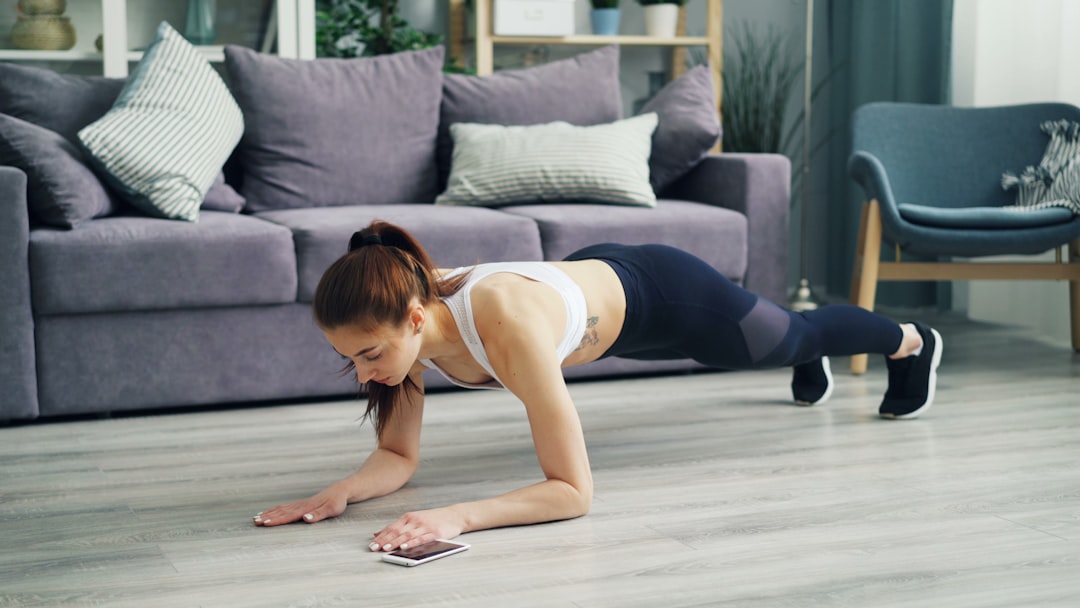
The test: Get into a forearm plank position with your body in a straight line from head to heels. Hold as long as you can with good form — no sagging hips, no hiking your rear into the air. Have someone watch or set up your phone to record.
For adults under 50, the general benchmark is 60-90 seconds with solid form. Over 50, 45-60 seconds is respectable. I held for 94 seconds, which I’ll admit involved some serious mental bargaining around the 70-second mark. My core has always been one of my stronger areas thanks to years of track conditioning, but I’ve noticed it’s one of those things that slips fast if you don’t maintain it.
If you want to build your plank time (and you should), start with a good yoga mat to protect your forearms, and try progressive overload: add 5 seconds every three days. Complement your planks with dead bugs, bird dogs, and Pallof presses using a cable resistance band anchored to a door. Your core will thank you — and so will your future self.
Putting It All Together: My Longevity Dashboard
After running all five tests, I created a little spreadsheet I call my “longevity dashboard” — a snapshot of where I am today so I can track changes over time. Here’s the thing that really struck me: my scores were highest on the tests I’d been inadvertently training for (gait speed, plank) and lowest on the ones I’d neglected (right-leg balance, grip strength). It reinforced something I’ve believed for years but sometimes forget to practice — variety in your training isn’t just more interesting, it’s essential for covering your bases.
I’m not suggesting you become obsessed with these numbers. That would be the opposite of healthy. But testing yourself once or twice a year gives you data points that are genuinely useful — early warnings that something might be slipping before it becomes a real problem. Think of it like checking your tire pressure. It takes two minutes, it’s not particularly exciting, but it can save you from a blowout down the road.
What I love about these five tests is that they’re all things you can do at home, for free or nearly free, and they collectively paint a picture of your physical resilience that no single lab test can match. They measure strength, power, balance, coordination, and endurance — the five pillars of functional fitness that determine how well you move through the world, not just how long you exist in it.
If you’re looking to build a home testing kit, I’d start with a dynamometer for grip, a basic stopwatch, and maybe a foam balance pad for progressing your single-leg work once the floor version gets too easy. Total investment: under $60. Compare that to the cost of a single doctor’s visit, and these tests start looking like the best preventive health bargain around.
My plan going forward is to retest every six months, right around the time change when I’m already recalibrating my routines. I’ve even talked my parents into doing the sit-to-stand and balance tests — my dad beat me on sit-to-stand by two reps, which he will absolutely not let me forget. But that’s kind of the point, isn’t it? These tests aren’t about perfection. They’re about paying attention, staying honest with yourself, and making sure the body you’re living in stays ready for whatever comes next.
Because here’s what I know from two decades of coaching: the people who age best aren’t the ones with the most expensive supplements or the fanciest gadgets. They’re the ones who built a wellness routine they could actually sustain, who kept moving in diverse ways, and who paid attention to the small signals their bodies were sending. If you want to take that further, adding targeted recovery work like vibration plate training can complement these tests beautifully — helping you bounce back faster and maintain the muscle quality these biomarkers are measuring.
So grab a chair, a timer, and maybe a dynamometer — and let me know how you score. I have a feeling you’ll be surprised by which tests are your strongest and which ones reveal blind spots you didn’t know you had. That awareness? That’s where the real wellness journey begins.



One comment on “Five Physical Tests That Predict How Long You’ll Live — and How I Scored on Every Single One”