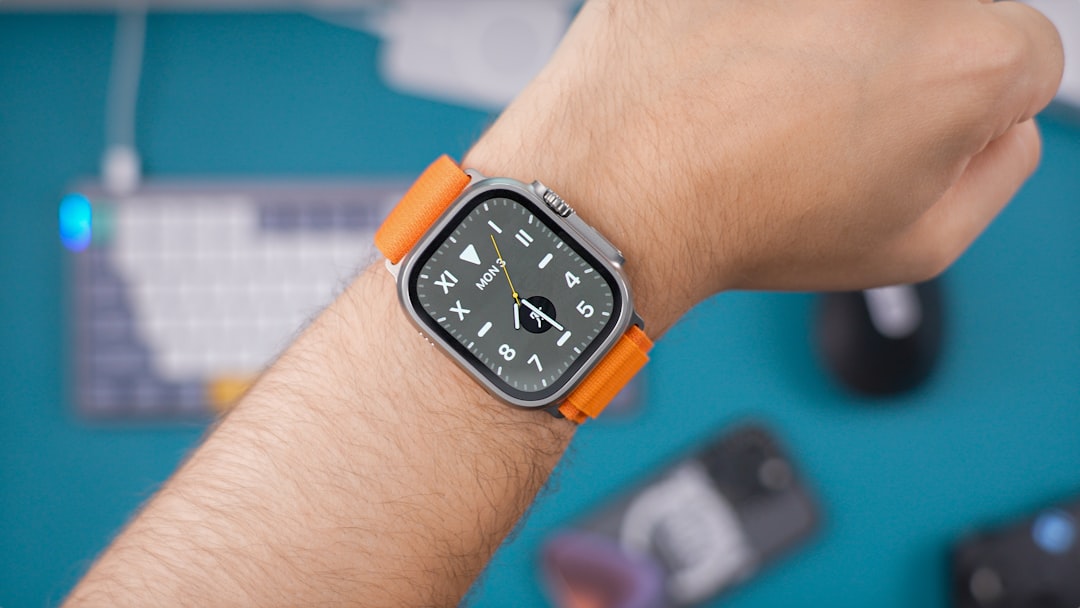
The text came in at 3:14 a.m. My client Dana — 48, marathoner, more disciplined than half the college athletes I’ve coached — had woken up soaked for the fourth night that week. Her smartwatch, meanwhile, insisted she’d logged “excellent sleep, 96% recovery.” She sent me a screenshot with three words: “Make this make sense.” I stared at it for a long moment, because I’ve lived some version of that same mismatch myself. For years, the wearable industry built its algorithms around bodies that run like metronomes — predictable cycles, stable temperatures, textbook sleep architecture. Then perimenopause arrives and quietly…
-
-
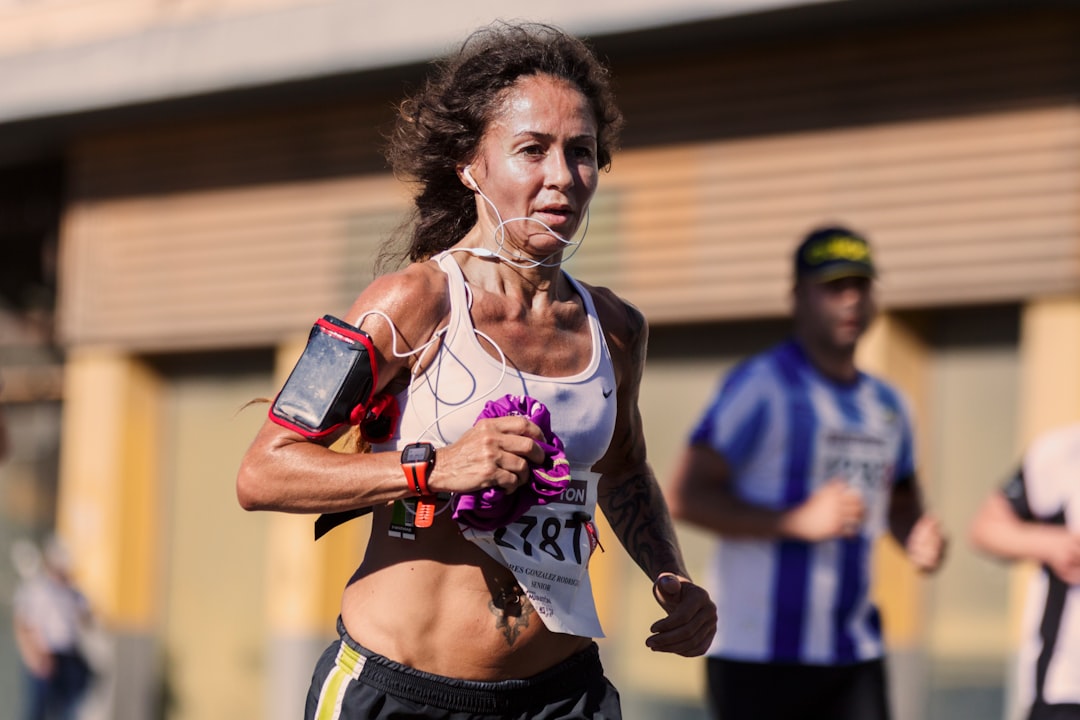
There’s a specific moment I replay for every athlete who asks me whether their watch is good enough for heart rate training. It’s 6:14 on a Tuesday morning, I’m ninety seconds into the third round of rope slams, and I glance at my wrist: 132 beats per minute. Meanwhile, the elastic band strapped around my chest says 174. One of them is lying, and my legs already know which one. That gap — forty-two beats at the exact moment the data mattered most — is what kicked off a month-long experiment my team and I now call the dual-wear project.…
-
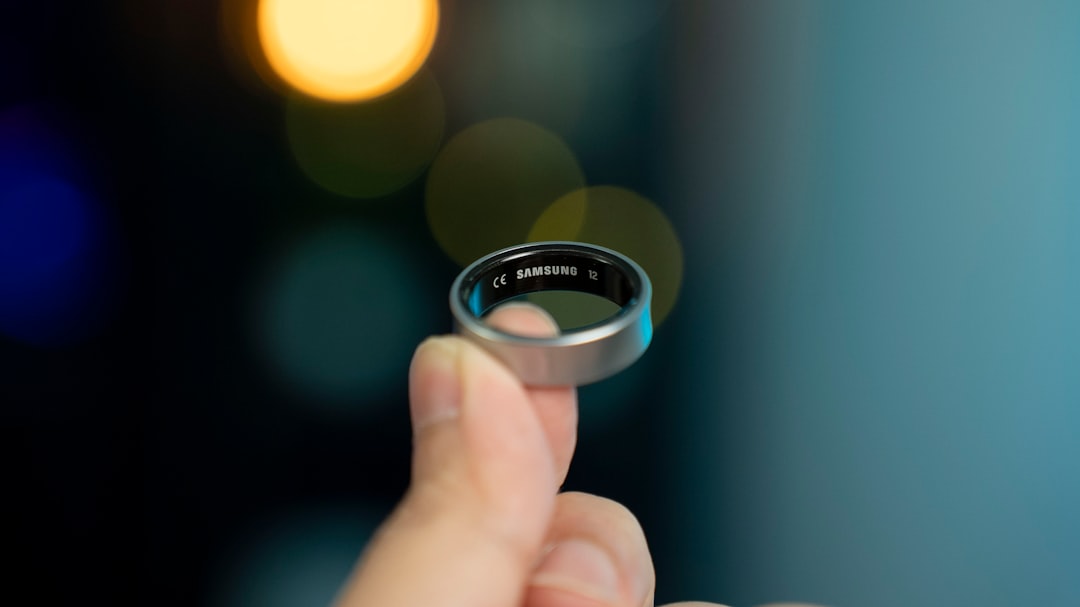
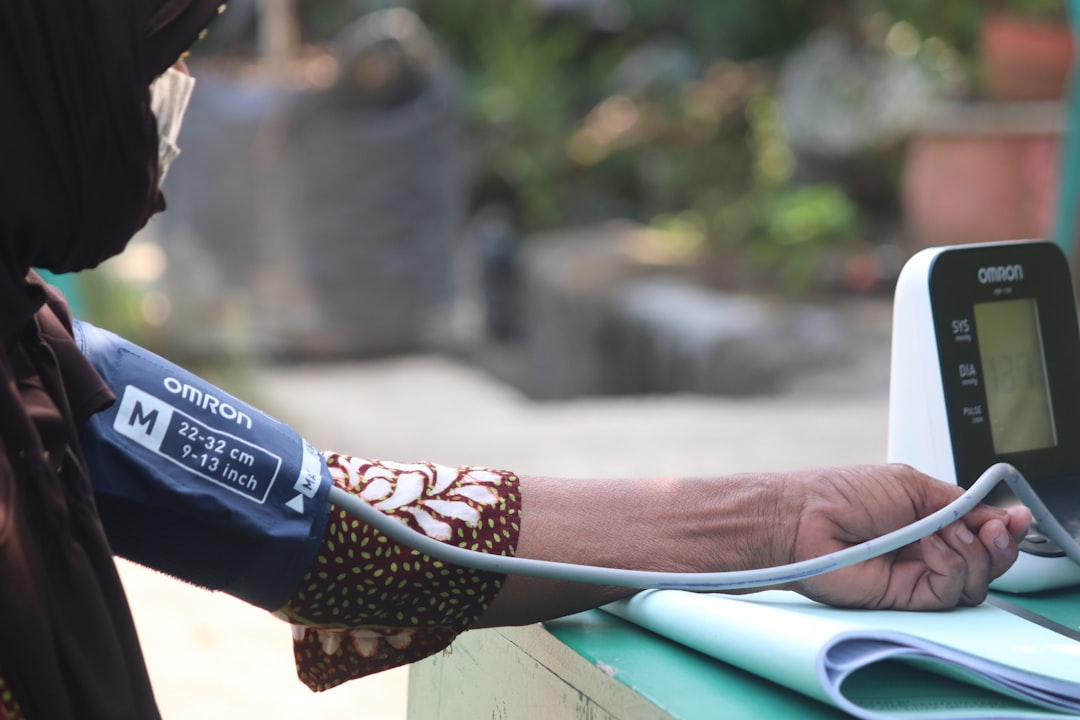
My smart ring tracks my sleep stages, my continuous glucose monitor watches my metabolic response to a sweet potato, and my watch nudges me when my heart rate variability dips. I love all of it. And yet the single most predictive number for my long-term health — the one my doctor actually leans forward for — is completely invisible to every gadget I own. Blood pressure. It took an annual physical, a slightly elevated reading in a freezing exam room, and a nurse who said “you always spike in here” for me to finally close that gap at home. Six…
-
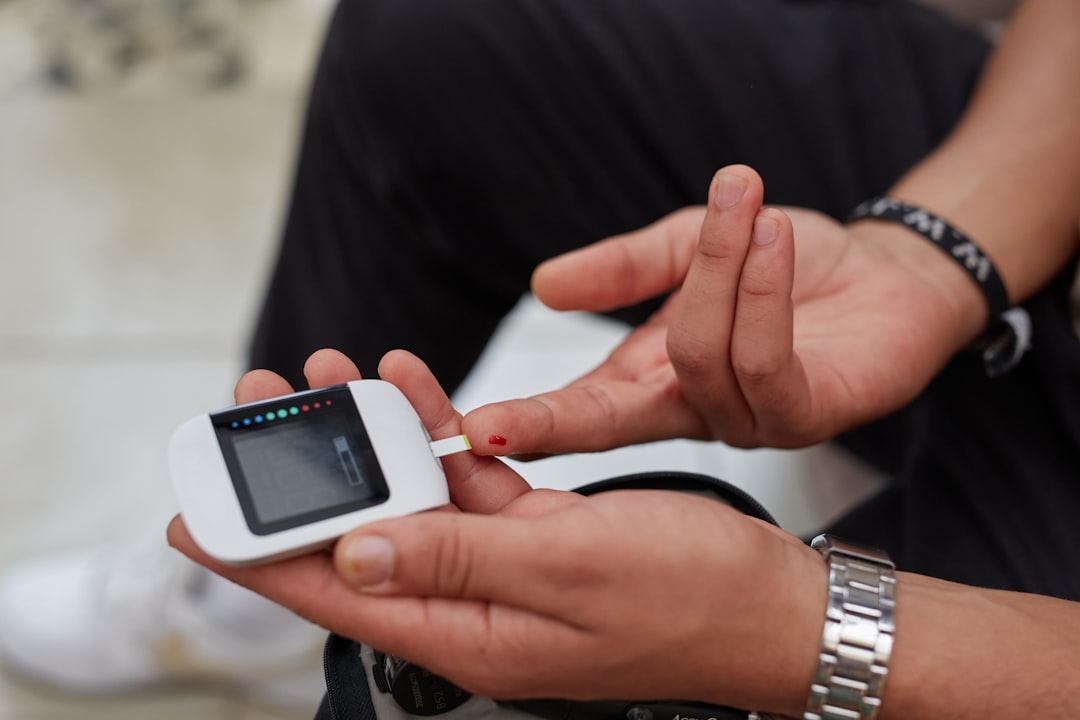
Let me tell you about the moment everything I thought I knew about my nutrition fell apart. It was a Tuesday morning, and I’d just eaten my “perfect” pre-workout breakfast — Greek yogurt, a banana, and a drizzle of honey. Within forty minutes, the little graph on my phone was showing a spike so steep it looked like a mountain range. My blood glucose had shot past 160 mg/dL and was crashing just as fast. I felt it too — that mid-workout energy crash I’d been blaming on poor sleep for months. The tiny device responsible for this revelation? A…