I stood in the supplement aisle of my local health food store, holding a tub of protein powder that cost more than my favorite running shoes. Sixty-two dollars. For powder. The label promised “ultra-premium cross-flow micro-filtered whey isolate” with words I couldn’t pronounce, and I bought it because I assumed expensive meant better. Three weeks later, my shakes tasted like sweetened cardboard and my recovery felt no different than it did with the cheap stuff I’d used in college.
That was the moment I decided to get systematic. As someone who’s spent two decades in the fitness world — narrowly missing an Olympic qualifying spot in the heptathlon, then coaching hundreds of clients — I should have known better. But even coaches fall for premium marketing. So I committed to a 12-week experiment: rotating through eight different protein powders, tracking everything from mixability and taste to recovery quality, muscle soreness, and honestly, just how enjoyable my morning shake was. What I found completely changed how I shop for supplements.
The Price-Doesn’t-Equal-Quality Revelation
Here’s what most people (including pre-experiment me) don’t realize: the supplement industry has some of the most aggressive markups in the wellness space. A study published in the Journal of the International Society of Sports Nutrition found that many mid-tier and budget protein powders deliver nearly identical amino acid profiles to their luxury counterparts. The protein itself — whether whey concentrate, isolate, or plant-based — is a commodity. What you’re often paying for with premium brands is packaging, marketing, and proprietary “blends” that sound impressive but amount to trace amounts of added ingredients.
Now, that’s not to say all protein powders are created equal. There are genuinely important differences in protein source, processing methods, third-party testing, and additive quality. But the gap between a $25 tub and a $60 tub is rarely as wide as the price tags suggest.
What I Tested and How I Ranked Them
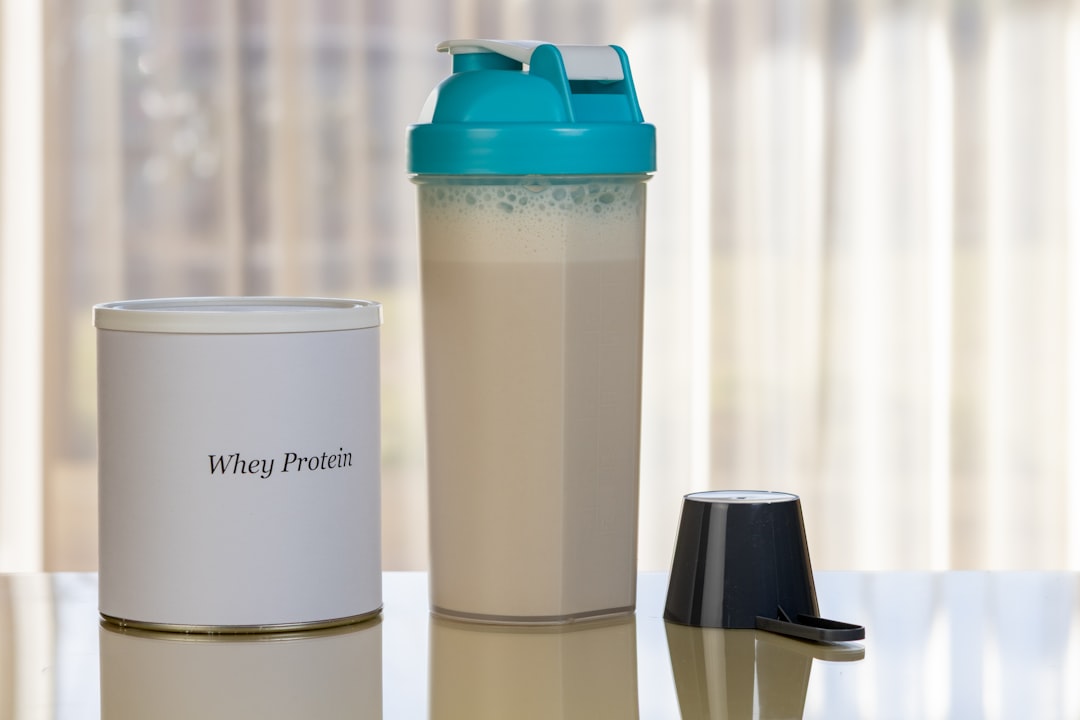
I established a scoring system across five categories, each rated from 1-10: taste, mixability (no clumps, no grit), ingredient transparency, protein-per-serving efficiency, and how I felt during the two weeks I used each one (recovery quality, digestion, energy). I controlled my training volume, sleep, and overall nutrition so the only variable was the powder itself.
My testing roster included budget staples like Optimum Nutrition Gold Standard Whey and MyProtein Impact Whey, mid-tier options like Dymatize ISO100 and Ghost Whey, and premium brands like Transparent Labs Grass-Fed Whey and Naked Nutrition’s Grass-Fed Whey. I also tested Legion Athletics Whey+ as a mid-range option with a strong reputation in the coaching community. Each got two weeks, consumed post-workout, five times per week.
The results? My top performer cost $28. The $62 tub finished fifth.
The Winner: Why Budget Won My Heart
Optimum Nutrition’s Gold Standard Whey has been the best-selling protein powder on the planet for years, and after this experiment, I understand why. At roughly $28-32 for a 2-pound tub (often less if you catch a sale), it delivers 24 grams of protein per scoop with a complete amino acid profile, mixes in about ten seconds of shaking, and tastes genuinely good. Not “good for protein powder” — actually good. The double rich chocolate flavor reminded me of a fast-food milkshake I’d never admit to craving.
But beyond taste, what impressed me was consistency. Every single workout during those two weeks, I recovered well. Delayed onset muscle soreness (DOMS) after my heaviest squat sessions felt manageable. My digestion was completely fine — no bloating, no weird aftertaste that lingered for hours. For a product at this price point, that’s remarkable value.
I’ve since recommended Gold Standard to dozens of my coaching clients, and the feedback has been universally positive. When you find something that works and doesn’t break the bank, you stick with it. I’ve also found that pairing it with the right shaker bottle makes a real difference — a good blender bottle eliminates the clumping that cheaper shakers leave behind.
The Premium Contenders: What You Get for Triple the Price
Let me be fair to the expensive stuff. Transparent Labs Grass-Fed Whey and Naked Nutrition both offer genuinely cleaner ingredient profiles. Transparent Labs uses whey from grass-fed cows, contains zero artificial sweeteners, and discloses every single ingredient with full transparency. Naked Nutrition’s whey has exactly one ingredient: whey protein concentrate from grass-fed cows. That’s it.
If you’re someone who experiences digestive issues with conventional whey, or if you’re deeply committed to clean sourcing and minimal processing, these premium options genuinely justify their price. Transparent Labs ran me about $59 per tub, and Naked Nutrition came in around $55. Both mixed reasonably well, though Naked’s unflavored version required some creativity (blend it with frozen fruit and almond milk) to be palatable.
But here’s my honest take after 12 weeks: for the vast majority of active people, the recovery and performance benefits of a $55-60 premium tub over a $28 budget tub are marginal at best. If budget isn’t a concern, go clean. But if you’re choosing between a premium protein and a budget protein plus actually investing in other areas of your wellness — like better sleep, a quality collagen supplement, or recovery tools — the budget protein plus the extra investment wins every time.
The Isolate Question: Is Hydrolyzed Worth It?
One category that confused me for years was protein isolates and hydrolysates. These are further-processed forms of whey that strip away more lactose and fat, theoretically making them faster-absorbing and easier to digest. Dymatize ISO100 is the standout here — a hydrolyzed whey isolate that’s virtually lactose-free and mixes so smoothly you’d think it was dissolved water.
For lactose-sensitive individuals, ISO100 is genuinely worth the premium (around $45-50 per tub). I tested it during a week of particularly heavy training, and the faster absorption seemed to make a modest difference in next-day soreness. But here’s the catch — unless you have specific digestive concerns or you’re an elite athlete optimizing every possible variable, standard whey concentrate (which is what Gold Standard uses) absorbs plenty fast. Your muscles aren’t sitting around waiting for hydrolyzed peptides while ignoring the concentrate you just drank.
My advice: try the cheaper concentrate first. If you experience bloating or GI discomfort, then graduate to an isolate. Don’t start at the top of the price ladder.

Plant-Based Protein: Separating Gritty from Great
I’ll be honest — I went into the plant-based testing skeptical. My previous experiences with vegan protein powders involved drinking something that felt like sweetened sand. But the category has improved dramatically, and two options genuinely impressed me.
Vega’s plant-based protein has been reformulated multiple times, and the current version is smooth, well-flavored, and mixes cleanly. At around $40 per tub, it’s pricier than whey but delivers 20 grams of protein from pea, hemp, and pumpkin sources with a complete amino acid profile. The vanilla flavor blended beautifully with frozen bananas and oat milk.
For those wanting organic certification, Garden of Life Raw Organic Protein is another strong contender. It includes probiotics and enzymes, which some of my clients with sensitive stomachs have found helpful. The texture is slightly grainier than Vega, but mix it in a smoothie and you won’t notice.
The Collagen Conversation: Not a Replacement, an Addition
One thing I want to address separately because it comes up constantly with my clients: collagen protein. Products like Vital Proteins Collagen Peptides are everywhere right now, and while collagen is fantastic for joint health, skin elasticity, and connective tissue support, it is not a complete protein. It lacks tryptophan, one of the nine essential amino acids your body can’t produce on its own.
So please: don’t replace your whey or plant-based protein entirely with collagen. Instead, add it alongside your regular protein. I take a scoop of collagen in my morning coffee (it dissolves completely tasteless) and a whey shake post-workout. That combination has noticeably improved my joint comfort during heavy training phases. I’ve written about how this fits into a broader supplement approach — colostrum earned a permanent spot in my stack for similar recovery reasons.
My Decision Framework: How to Choose Without Overthinking It
After 12 weeks and eight products, I developed a simple framework I now use with every coaching client:
1. Start with whey concentrate. It’s the most cost-effective, well-researched option. Gold Standard or MyProtein are excellent starting points. You’ll get 24+ grams of complete protein per scoop for under a dollar per serving.
2. Switch to isolate only if you have GI issues. If whey concentrate makes you bloated or uncomfortable, try ISO100 or another hydrolyzed isolate. The extra processing removes most lactose.
3. Go plant-based if you’re vegan or dairy-sensitive. Vega and Garden of Life are the best I’ve tested. Expect to pay slightly more and accept marginally grittier texture.
4. Add collagen as a supplement, not a replacement. Vital Proteins dissolved in any beverage gives you joint and skin benefits without competing with your primary protein source.
5. Ignore the marketing arms race. Proprietary enzyme blends, “enhanced with BCAAs” (whey already contains BCAAs), and celebrity endorsements don’t translate to better results.
That’s it. Five steps. No $62 tubs required.
The Bigger Picture: Protein Timing and Total Daily Intake
Here’s something the protein powder industry doesn’t want you to know: the specific powder you choose matters far less than your total daily protein intake. If you’re eating 0.7-1.0 grams of protein per pound of bodyweight daily (from whole foods plus supplements), your body will recover and build muscle effectively regardless of whether your shake costs $25 or $60.
I’ve seen clients get so caught up in choosing the “perfect” protein powder that they neglect their overall nutrition. A consistent training routine, adequate sleep, proper hydration, and a solid overall diet will outweigh any marginal benefit from a premium protein. I talk about this holistic approach in my piece about training through summer without burning out — your recovery ecosystem matters more than any single supplement.
That said, protein powder is genuinely one of the most convenient and cost-effective ways to hit your daily targets. I drink a shake within 30 minutes of finishing my workout — not because the “anabolic window” is as narrow as supplement companies claim, but because it’s an easy habit that ensures I’m fueling recovery. And when I’m making high-protein desserts in my Ninja Creami, a good unflavored or vanilla powder becomes a kitchen staple.
Final Verdict: The $25 Tub Stays
Twelve weeks. Eight protein powders. Hundreds of shakes. And the winner, by a comfortable margin, costs less than a pair of movie tickets. Optimum Nutrition Gold Standard Whey earned its permanent spot in my pantry through consistent quality, excellent taste, mixability that never let me down, and a price that lets me invest in other areas of my wellness without compromise.
That’s not to say the premium options are bad. Transparent Labs, Naked Nutrition, and Dymatize all make excellent products that serve specific needs. But for most active people who want reliable, affordable, effective protein supplementation, the budget tier delivers everything you need. I’ve used the money I saved to invest in recovery tools and better food quality — both of which have had a measurably bigger impact on my performance than any premium protein ever did.
If there’s one thing my 20 years in fitness has taught me, it’s that consistency beats optimization. The best protein powder is the one you’ll actually use, day after day, without resenting the price tag. Find one that tastes good, mixes clean, fits your budget, and move on with your life. Your muscles will thank you — and so will your wallet.





2 Comments on “Why I Dumped My $60 Protein Powder for a $25 Tub — and What 12 Weeks of Testing Taught Me”