
I’ll be honest with you — for years, my supplement situation was a disaster. I had bottles scattered across the kitchen counter, others crammed into a bathroom cabinet, and a few random ones I’d shoved in my gym bag. I’d remember to take my vitamin D sometimes, my magnesium occasionally, and my omega-3s… well, let’s just say those fish oil capsules spent more time collecting dust than actually supporting my health. If you’ve ever stared at a cluttered row of supplement bottles wondering where to even begin, you’re in good company.
The truth is, building a daily supplement routine that sticks isn’t about willpower. It’s about systems. And after years of coaching clients through this exact struggle — and finally getting my own act together — I’ve learned that the right combination of knowledge, timing, and organizational tools can transform a chaotic mess into a seamless habit that takes less than five minutes a day. Let me walk you through exactly how to do it.
Why Most Supplement Routines Fail Before They Start
Here’s what I see over and over again: someone gets motivated, buys six different supplements, and tries to remember all of them every single day through sheer mental effort. Two weeks later, they’ve missed more doses than they’ve taken and the whole thing feels like a failure. Sound familiar?

The research on habit formation is crystal clear — when a behavior requires multiple decisions throughout the day (“Did I take my vitamin D yet? Should I take magnesium now or later?”), your failure rate skyrockets. A 2024 study published in the Journal of Behavioral Medicine found that people who organized their supplements into a single, predictable routine were three times more likely to maintain consistency after 90 days compared to those who took supplements ad hoc throughout the day.
The fix isn’t more discipline. It’s removing the decision fatigue. When your supplements are pre-sorted, your timing is locked to an existing habit, and everything has its place, taking them becomes as automatic as brushing your teeth. That’s the goal, and everything I’m about to share is designed to get you there.
Building Your Foundation: What You Actually Need
Before we talk about organizers and timing, let’s get real about what belongs in your stack. I’ve tested more supplements than I care to admit, and the noise in this space is deafening. Every influencer has a “must-have” list, and it’s tempting to just buy everything and hope for the best. But a smart supplement routine starts with covering your basics — the nutrients most people are genuinely deficient in — and then layering in targeted additions based on your specific goals.

For most active adults, the foundation looks something like this: a high-quality multivitamin designed for active adults to fill dietary gaps, vitamin D3 (especially if you live anywhere that gets real winters), omega-3 fatty acids for heart and brain health, and magnesium for muscle recovery and sleep support. These four address the most common deficiencies I see in my clients, regardless of how clean their diet is.
From there, you layer in based on your goals. Training hard? Creatine monohydrate and protein powder are evidence-backed staples — and if you’re still sorting through the overwhelming number of options, I broke down everything I learned in my complete protein powder guide. Struggling with sleep? Magnesium glycinate and ashwagandha have solid research behind them. Wanting better joint support? Collagen peptides and turmeric extract are worth considering. But here’s the key — add one new supplement at a time, give it two to three weeks, and then evaluate before adding another. Throwing everything in at once tells you nothing about what’s actually working.
The Timing Blueprint: When to Take What
This is where most people trip up, and honestly, where I used to get confused too. Taking the wrong supplement at the wrong time isn’t dangerous, but it can mean you’re absorbing a fraction of what you paid for. After digging through the research and experimenting on myself, here’s the timing framework I use and recommend to all my clients.
Morning (with breakfast): Your B-vitamins, vitamin D, and any energy-supporting supplements like CoQ10. These are best absorbed with dietary fat, so taking them alongside eggs, avocado toast, or a protein smoothie is ideal. This is also when I take my omega-3 fish oil, since fat-soluble vitamins need dietary fat for proper absorption.
Pre-workout (30-60 minutes before training): Creatine, beta-alanine, or any performance-focused supplements. I keep this simple — creatine monohydrate is the only one with truly overwhelming evidence, and the brand barely matters as long as it’s Creapure-certified. If you’re curious about dosing, 3-5 grams daily is the sweet spot for most people.
Evening (with dinner): Magnesium glycinate or magnesium citrate. Taking magnesium in the evening supports muscle recovery overnight and can improve sleep quality. I’ve noticed a real difference in how rested I feel since I moved my magnesium from morning to evening — and my clients report the same thing consistently.
Before bed: Any sleep-supporting supplements like ashwagandha, L-theanine, or melatonin (if you use it). These work best on a relatively empty stomach, about 30-60 minutes before you plan to sleep. Just don’t fall into the trap of thinking more supplements equal better sleep — sometimes the best thing you can do is put your phone away and focus on actual recovery habits.
The Game-Changing Tool Nobody Talks About
Okay, here’s where things get practical in a way that genuinely changed my life. For years, I tried to remember my supplements by keeping all the bottles lined up on the counter. Every morning I’d open three or four bottles, take what I needed, and hope I didn’t forget anything. It was messy, inefficient, and honestly kind of embarrassing when people came over.
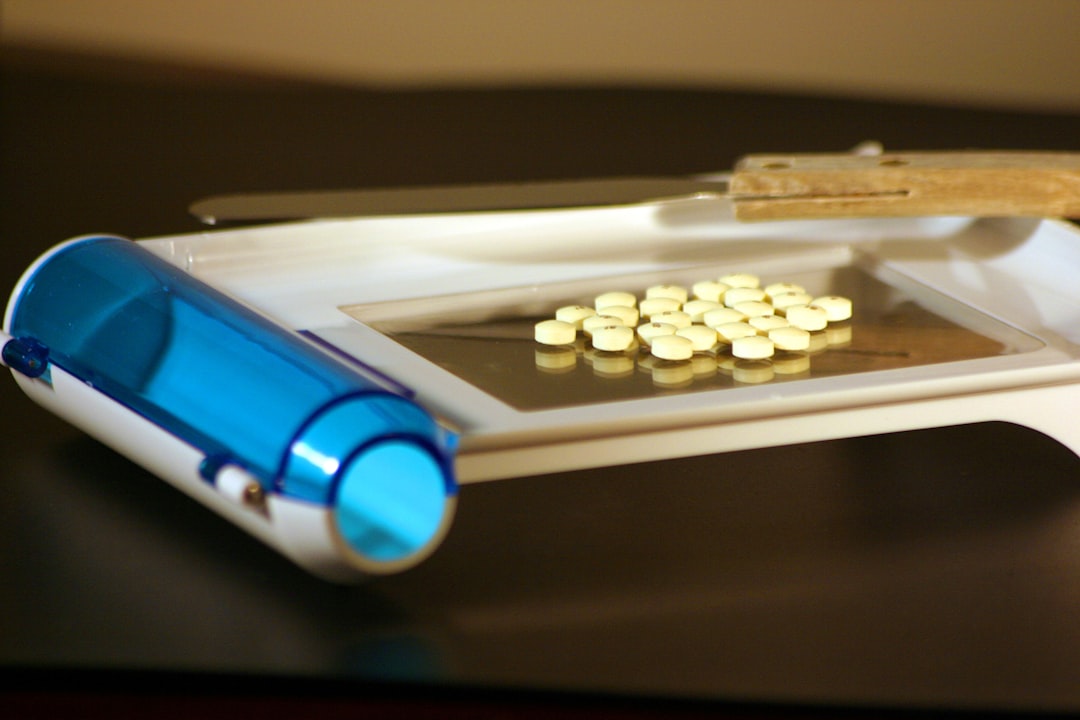
Then I invested in a proper weekly pill organizer with large compartments, and I’m not exaggerating when I say it was a total paradigm shift. Every Sunday, I spend about ten minutes sorting my supplements for the entire week. Morning doses in the AM slots, evening doses in the PM slots. Done. No more opening bottles every day, no more wondering if I already took something, no more counter clutter. Just grab and go.
If you take supplements multiple times a day, look for an organizer with four daily compartments — morning, noon, evening, and bedtime. The Auvon weekly pill organizer is the one I personally use, and it has individual latching lids that stay secure even when tossed in a gym bag. For travel, a compact travel pill case that fits in your carry-on is essential. I’ve learned the hard way that supplements don’t do you any good sitting on your kitchen counter while you’re in a hotel room three states away.
And if you want to go next-level — or if you’re managing supplements for an aging parent — the Hero Smart Pill Dispenser is the only smart option I’ve found that actually lives up to the hype. It sorts, schedules, and reminds you to take the right supplements at the right time, and it connects to an app that tracks your adherence. It’s an investment, but for anyone who struggles with consistency, it can be genuinely transformative.
Staying Hydrated: The Missing Piece of Every Supplement Routine
Here’s something most people don’t realize: many supplements require adequate hydration to be properly absorbed and processed by your body. Creatine pulls water into your muscles. Magnesium needs water for proper utilization. Even your basic multivitamin dissolves and absorbs more efficiently when you’re well-hydrated. Yet I can’t tell you how many clients I’ve worked with who meticulously organized their supplements but drank maybe two glasses of water a day.

I’m a huge believer in making hydration just as systematic as your supplement routine. A water bottle with time markers is one of the simplest, most effective tools I’ve found for this. It gives you visual benchmarks throughout the day so you’re not just guessing. And if you want to get really dialed in, I did a whole deep-dive on smart water bottles with hydration tracking that automatically log your intake and remind you to drink.
The general rule I follow and recommend is at least half your body weight in ounces of water daily — more on training days, more in hot weather, and more when you’re taking supplements that increase your body’s water demands. So if you weigh 160 pounds, you’re aiming for a minimum of 80 ounces. It sounds like a lot, but when you spread it across the day with a good bottle, it becomes second nature.
Tracking What Works: Don’t Guess, Measure
One of the biggest mistakes I see — and one I definitely made myself — is starting a supplement routine and just hoping you’ll “feel different” after a few weeks. The problem is, subtle improvements in energy, recovery, and sleep quality are hard to notice subjectively. You might be sleeping 20% better and not even realize it because the change was gradual.
This is where a simple tracking system pays dividends. I’m not talking about anything complicated — just a basic note on your phone or a dedicated habit-tracking app where you log what you’re taking, when you started, and any observations about how you feel. After 30 days, look back and see if there are patterns. Did your sleep improve when you added magnesium? Did your training recovery get better after starting creatine? Did your afternoon energy crash disappear after adding B-vitamins?
Blood work is the gold standard, and I recommend getting a basic panel done before starting any supplement routine and again after 90 days. This gives you objective data on whether your vitamin D levels actually improved, whether your omega-3 index moved in the right direction, and whether you need to adjust anything. It takes the guesswork out entirely, and honestly, there’s something deeply satisfying about seeing hard numbers confirm that your routine is working.
If you want to go deeper, some of the AI-powered nutrition tracking devices I reviewed recently can help you monitor how your dietary intake aligns with your supplementation, filling in the gaps between what you eat and what your body actually needs.
Storage Mistakes That Are Ruining Your Supplements
Quick question — where are your supplements right now? If they’re sitting on a sunny windowsill, next to your stove, or in a steamy bathroom cabinet, you might be degrading their potency without even knowing it. Heat, moisture, and light are the three enemies of supplement stability, and I’ve seen people unknowingly waste hundreds of dollars by storing them improperly.

Keep your supplements in a cool, dry place — a kitchen cabinet away from the stove, a dedicated drawer, or even a supplement storage container with airtight compartments. Most supplements are stable at room temperature, but “room temperature” means below about 77°F, not the 95°F your kitchen hits when you’re cooking dinner with the oven on.
Probiotics are the main exception — many strains require refrigeration to maintain viability. Check the label, and if it says “refrigerate after opening,” actually do it. I keep mine in a designated spot in the fridge door alongside my collagen peptides powder, which also keeps better chilled. Building this into your routine means you’re more likely to remember both.
My Exact Morning Supplement Workflow
I want to leave you with something concrete — my actual, real-life supplement workflow that I’ve refined over the past several years. It’s not fancy, it’s not complicated, and that’s exactly the point. The best routine is the one you’ll actually do every single day.
I wake up around 5:45 AM and head straight to the kitchen. While my coffee brews, I open the AM compartment of my weekly organizer and take my multivitamin, vitamin D3, omega-3, and CoQ10 with a full glass of water. Total time: about 30 seconds. I prep my pre-workout creatine in a shaker bottle while I’m at it, so it’s ready to grab when I head to the gym an hour later.
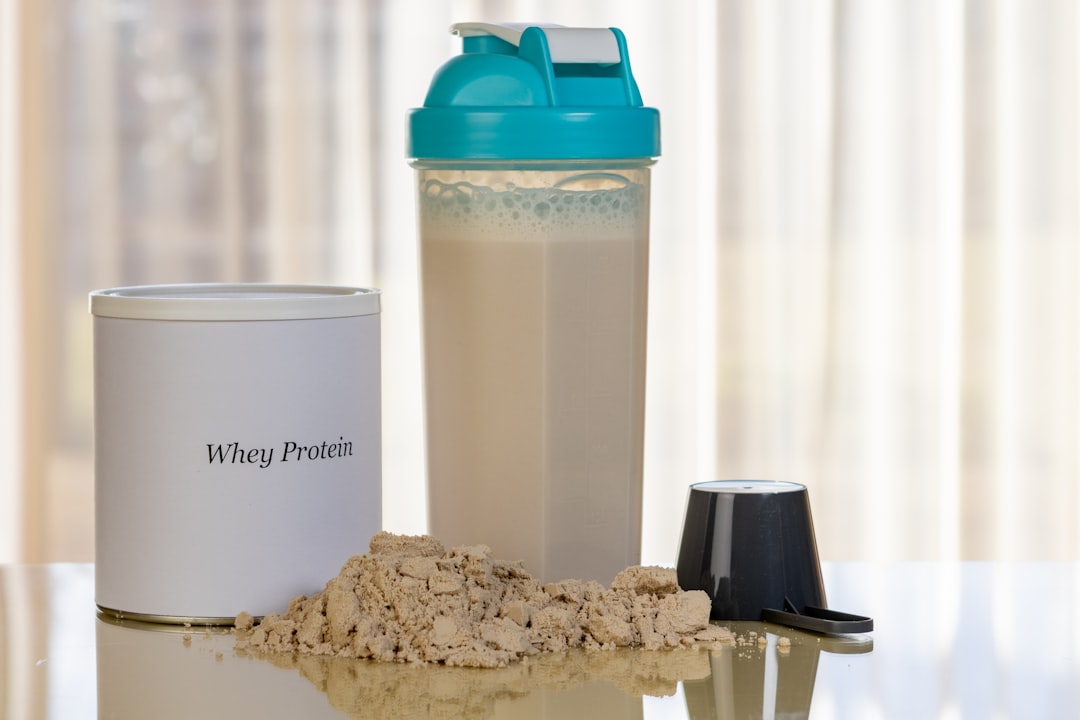
After my morning training session, I have my protein shake with grass-fed whey protein isolate and a tablespoon of collagen peptides blended in. Post-workout nutrition is something I covered extensively when I explored whether protein powder or whole food builds more muscle, and the short answer is that timing matters less than hitting your daily protein target — but getting 25-40 grams of high-quality protein within a couple hours of training is a solid practice.
Evening rolls around, and after dinner, I take my magnesium glycinate from the PM compartment. That’s it. The whole supplement portion of my day takes less than two minutes total, spread across three natural touchpoints — morning, post-workout, and evening — that were already part of my routine. No extra alarms, no mental gymnastics, no counter full of bottles. Just a system that runs on autopilot.
Start Small, Stay Consistent, Level Up Gradually
If you take nothing else away from this, let it be this: start with three supplements maximum, organize them into a weekly dispenser, tie them to existing habits, and do that consistently for 30 days before adding anything else. Most people try to overhaul their entire supplement game overnight, get overwhelmed, and abandon the whole thing within two weeks. The tortoise approach — building one layer at a time — is what actually produces lasting results.
Your health is a long game, and your supplement routine should be too. Invest in a solid organizer, track how you feel, stay hydrated, and remember that consistency beats perfection every single time. Now go sort those bottles into something that actually works — your future self will thank you.





3 Comments on “Your Daily Supplement Routine, Simplified: How to Build a Wellness Stack That Actually Sticks”