
I held out for years. Every time a client asked me about creatine, I’d give them the same cautious answer: “It’s great for athletes, but let’s focus on the basics first.” Translation? I hadn’t done my homework. I’d absorbed the same myths everyone else had — that creatine makes you bloated, that it’s only for bodybuilders, that women don’t really need it. Then I actually read the research, and everything changed. Now I take it daily, and I recommend it to almost every woman I coach. Here’s why I stopped side-eyeing one of the most studied supplements on the planet and started treating it like the essential it actually is.
The Myth That Kept Me (and Millions of Women) Away
Let’s be honest about what most of us picture when we hear “creatine”: a guy in a cutoff tank mixing a gritty powder in a shaker bottle between bench press sets. That image is so baked into fitness culture that it’s easy to assume the supplement itself is designed exclusively for that world. But creatine isn’t a novelty chemical cooked up in a lab. It’s a compound your body already produces naturally — your liver, kidneys, and pancreas make about one to two grams of it every single day. You also get it from food, primarily red meat and fish. Supplementing simply tops off your body’s stores, the same way filling up your gas tank doesn’t change your car — it just lets you drive farther.
The bloating concern? Mostly myth. Some people retain a small amount of water initially, but it’s intracellular (inside the muscle cells, where you want it), not the puffy-under-the-skin kind. And the “bulking” fear? Creatine doesn’t build tissue on its own. It gives your muscles more fuel for high-intensity effort, which means you can push a little harder, recover a little faster, and over time, get stronger. If your workouts consist of yoga and walking, you’ll get lean, sculpted strength — not bulk. I’ve been taking it for eight months and my jeans fit the same. My deadlift, however, went up 20 pounds.
If you’re already thinking about building a solid supplement foundation, I covered how to build a wellness stack that actually sticks in a previous piece — creatine fits perfectly into that framework.
What the 2026 Research Actually Shows
This is where things get genuinely exciting. For a long time, creatine research was almost exclusively conducted on young male athletes, which meant women were left to extrapolate and guess. That gap is closing fast, and the new data is compelling.
A landmark 2026 randomized controlled trial specifically examined creatine supplementation in perimenopausal and menopausal women — a population that’s been historically ignored in sports nutrition research. The results were striking: participants who supplemented with creatine showed improved reaction time, a 16.4 percent increase in frontal brain creatine levels, and measurable reductions in mood swing severity. Let me say that again for the women in the back: better brain function and mood stability from a supplement that costs about fifteen cents a day.
Separate research published in the journal Nutrients confirmed what many coaches had observed anecdotally — creatine supplementation in women consistently improves muscle strength, exercise performance, and body composition when combined with resistance training. But the bonus findings are what caught my attention: cognitive benefits during sleep deprivation, reduced mental fatigue, and even preliminary evidence suggesting protective effects against age-related muscle loss in postmenopausal women.
The safety profile is equally reassuring. Creatine monohydrate has been studied in over 500 human trials. It’s classified as safe by the International Society of Sports Nutrition, and long-term studies tracking users for up to five years have found zero adverse effects on kidney or liver function in healthy individuals. If you have pre-existing kidney issues, talk to your doctor — but for the vast majority of women, this is about as low-risk as supplementation gets.
Why Women May Actually Benefit MORE Than Men
Here’s something I didn’t expect to learn: women naturally store less creatine in their muscles than men, largely because we have less total muscle mass and lower dietary intake (especially if you eat less red meat). We also lose muscle faster as we age, and hormonal shifts during perimenopause and menopause accelerate that decline. This means the relative benefit of topping off our creatine stores is potentially greater for women than for men.
Think of it like this: if your gas tank is three-quarters full, topping it off gives you a small boost. If it’s hovering around half, filling it up makes a much bigger difference. For many women — especially those over 35, those who eat mostly plant-based, and those navigating hormonal transitions — creatine supplementation is filling a gap that diet alone can’t easily close.
I’ve written before about how protein intake drives muscle growth, and creatine works synergistically with that. Together, adequate protein and creatine create the ideal environment for building and maintaining lean muscle — something that becomes increasingly important for women as estrogen levels decline and our bodies become less efficient at preserving muscle tissue.
How I Take It (And What I Recommend)
You don’t need a loading phase. I know the bottle says to take 20 grams a day for the first week, and technically that saturates your muscles faster. But it also increases the likelihood of stomach discomfort and — you guessed it — water retention that spooks people into quitting. I skipped the loading phase entirely and took 3 to 5 grams daily. It took about three weeks to feel the full effect instead of one, but the process was smooth and side-effect free.
Timing doesn’t matter nearly as much as consistency. Some people swear by taking it post-workout. Others mix it into their morning smoothie. I put mine in my water bottle during my afternoon training session because that’s what I’ll actually remember to do. The research shows that as long as you take it every day, the timing is largely irrelevant. Find the routine that sticks, and stick with it.
One thing worth considering: creatine monohydrate powder is all you need. Skip the ethyl ester, the hydrochloride, the buffered versions — they’re more expensive and the evidence doesn’t support them being more effective. Plain creatine monohydrate is the most studied, most proven, and most affordable form. Mix it into water, juice, a smoothie, or even your coffee (it’s virtually tasteless). I use a basic shaker bottle and it dissolves in seconds.
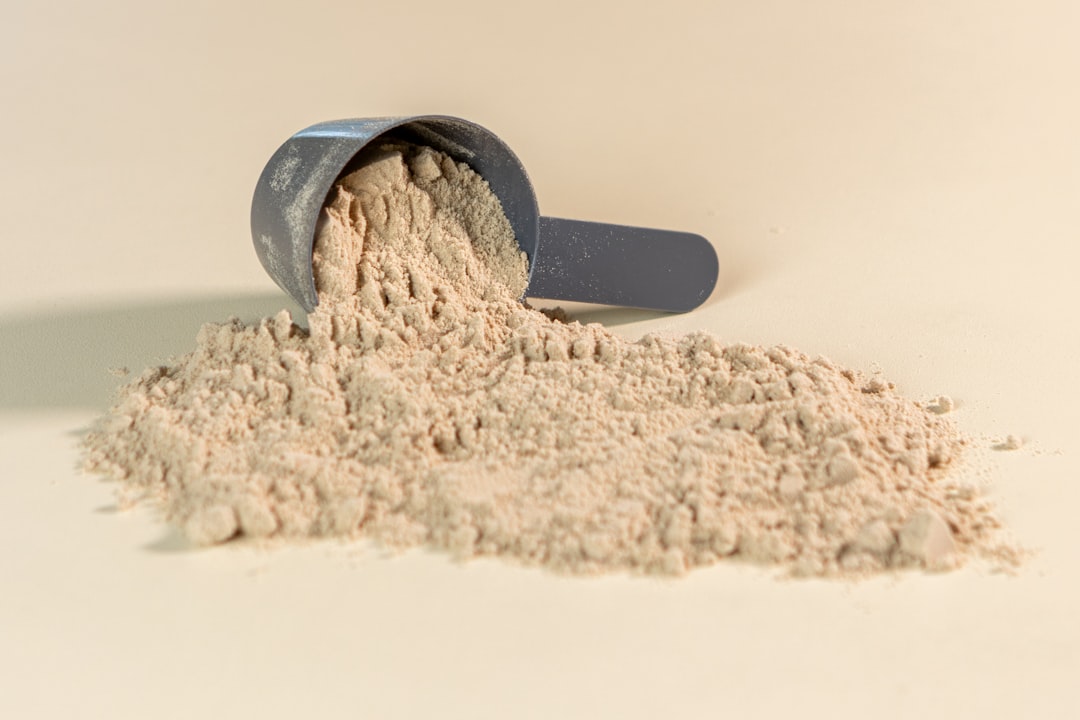
If powder isn’t your thing, creatine gummies have gotten surprisingly good, though you’ll pay more per serving.
The Cognitive Bonus Nobody Talks About

I started taking creatine for the physical benefits — better training output, faster recovery between sets, more power in my sprint intervals. But the thing that made me a true believer was the mental clarity. Within a few weeks, I noticed I wasn’t hitting that mid-afternoon brain fog wall that used to send me reaching for a second (or third) coffee. My focus during long coaching sessions felt sharper. I was forgetting fewer little things.
This isn’t placebo. Your brain uses creatine for energy the same way your muscles do, and it’s particularly concentrated in areas responsible for memory, attention, and executive function. Studies show creatine supplementation can improve cognitive performance during stressful conditions — sleep deprivation, intense mental workload, and even the “brain fog” many women experience during perimenopause. For me, it was like someone turned up the contrast on my mental screen just a little bit. Not dramatic. But noticeable. I keep mine in a daily supplement organizer right next to my coffee maker so I never forget — consistency is where the real benefits show up.
There’s also emerging research connecting creatine to mood regulation. A 2025 meta-analysis found a small but statistically significant association between creatine supplementation and reduced symptoms of depression, particularly in women. The mechanism isn’t fully understood yet, but researchers suspect it relates to improved energy availability in brain cells that produce and regulate serotonin and dopamine. I’m not calling creatine an antidepressant — but I am saying that brain health is whole-body health, and this supplement supports more than just your muscles.
Who Should Seriously Consider It

After coaching dozens of women through their first creatine experience, I’ve noticed it makes the biggest difference for three groups:
Women over 35. This is when natural muscle loss starts to accelerate and hormonal shifts begin affecting energy, recovery, and cognitive sharpness. Creatine addresses all three. I’ve had clients in their late 30s and 40s tell me they feel like they got their 20-something energy back after about a month of consistent supplementation combined with strength training. If you’re building a home gym routine, pairing creatine with adjustable dumbbells and a solid training plan is one of the highest-leverage investments you can make in your long-term health.
Plant-based and low-meat eaters. Since the richest dietary sources of creatine are red meat and fish, women who eat mostly plant-based or vegetarian diets tend to have lower baseline creatine stores. For this group, supplementation isn’t just a performance enhancer — it’s filling a genuine nutritional gap. I wrote about how functional mushrooms became part of my daily routine, and creatine fits into a similar category of “things I was skeptical about until I actually tried them.”

Perimenopausal and menopausal women. The 2026 research is especially promising here. Hormonal transitions affect everything from bone density to sleep quality to mood stability, and creatine appears to support several of those systems simultaneously. If you’re navigating this phase and feeling like your usual recovery tools aren’t cutting it anymore, this is worth a serious conversation with your healthcare provider.
Pairing Creatine With the Right Gear and Habits
Supplements work best when they’re part of a system, not a standalone fix. Here’s how I’ve integrated creatine into my daily wellness architecture:
Morning: Hydration first — I use a water bottle with hydration tracking to make sure I’m getting at least 16 ounces before anything else. Dehydration undermines everything creatine does for your muscles and brain.
Training sessions: Creatine goes into my water bottle during my afternoon workout. I keep resistance bands and my adjustable dumbbells in my home gym setup, and I pair strength training with adequate protein intake to maximize the synergistic effect. If you’re curious about how protein and creatine work together for muscle building, I broke down the protein powder vs. whole food debate in detail.
Recovery: Creatine supports faster ATP resynthesis between training sessions, but I still rely on active recovery, adequate sleep, and my foam roller to keep my body moving well. I’ve found that since starting creatine, the DOMS (delayed onset muscle soreness) that used to sideline me for two days after heavy leg sessions now barely registers. That alone has been worth the fifteen cents a day.
What I Wish Someone Had Told Me Sooner

The biggest barrier between women and creatine isn’t science — it’s storytelling. For decades, the supplement industry marketed creatine almost exclusively to young men with images of extreme muscularity, and women internalized the message that it wasn’t for us. Meanwhile, the research was quietly showing that we might benefit from it even more than the audience it was being sold to.
I wasted years recommending “safe” alternatives that were less effective because I hadn’t challenged my own assumptions. That’s on me. But it’s also on the industry for treating half the population as an afterthought in their marketing and research funding.
If you take nothing else from this: creatine monohydrate, 3-5 grams daily, is one of the safest and most evidence-backed supplements available to women. It supports muscle strength, cognitive function, mood stability, and healthy aging. It costs next to nothing. And the biggest side effect most women report is feeling a little stronger and a little sharper than they did before.
That’s not a sales pitch. That’s what the data shows, and it’s what I’ve experienced firsthand. Do your own research, talk to your doctor if you have concerns, but don’t let outdated myths keep you from one of the most effective tools in the wellness toolkit. I sure wish I hadn’t.




2 Comments on “The Supplement Nobody Told Women About: Why I Stopped Side-Eyeing Creatine and Started Taking It Every Day”