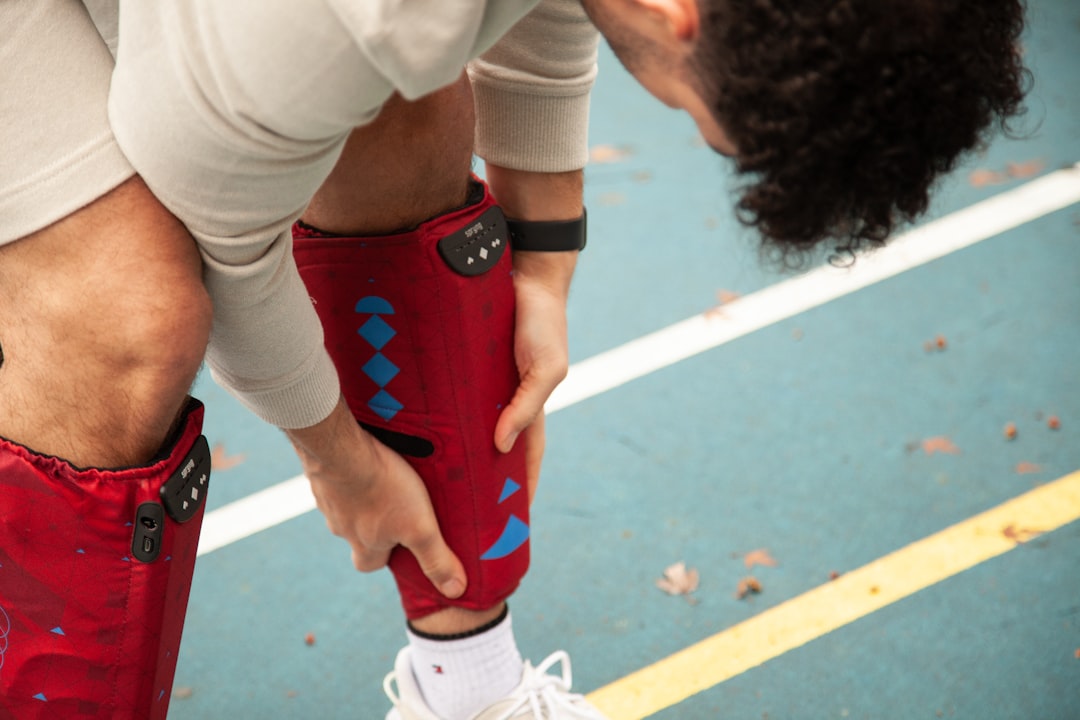
There’s a moment after a brutal leg day when you sit down and your quads whisper a protest so loud it drowns out every other thought in your head. You know the one. That slow, creeping stiffness that starts in your hamstrings and works its way down to your calves like someone’s tightening invisible screws, one joint at a time. For the better part of my career, I managed that feeling with foam rollers, lacrosse balls, and a stubbornness that bordered on self-punishment. But two months ago, I zipped myself into a pair of pneumatic compression boots for the first time, and let me tell you — my entire recovery philosophy got an upgrade.
I’d been skeptical for years. Every time I saw an athlete lounging on a training room floor with what looked like oversized space boots inflating and deflating around their legs, I rolled my eyes. Another expensive gadget. Another recovery trend that would fade once the novelty wore off. Then my physical therapist — someone whose judgment I trust more than my own when it comes to soft tissue work — casually mentioned that every single one of her competitive athletes uses compression boots daily. That got my attention.
What Compression Boots Actually Do (And Why That Matters)
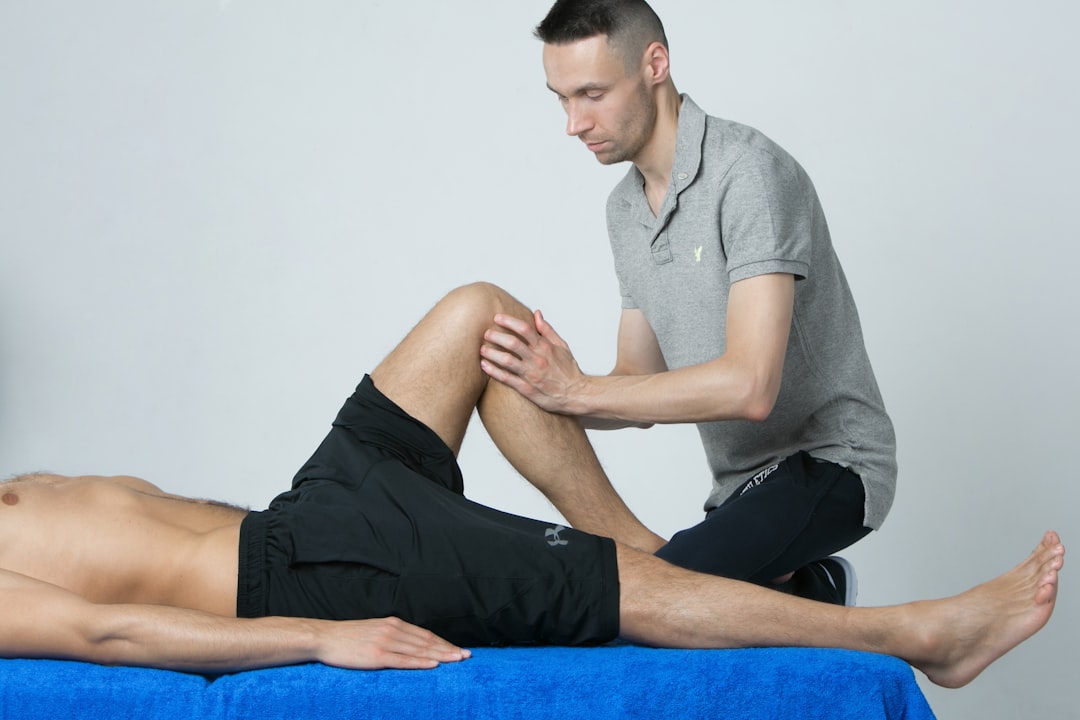
Before I get into my experience, let’s clear up the science, because there’s a lot of marketing fluff floating around. Compression boots — technically called pneumatic compression devices — use air chambers that inflate sequentially from your feet toward your hips. The idea is based on a medical technology called intermittent pneumatic compression, which hospitals have used for decades to prevent blood clots in bedridden patients. The wellness version takes that concept and applies it to athletic recovery.
Here’s what the research actually supports: the rhythmic squeezing helps move lymphatic fluid and venous blood back toward your heart, which can reduce swelling and speed up the clearance of metabolic waste products. It’s the same principle behind graduated compression socks that runners have sworn by for years, just dialed up considerably that accumulate during intense exercise. A 2025 meta-analysis published in the Journal of Sports Science and Medicine found that pneumatic compression significantly reduced perceived muscle soreness and improved range of motion recovery within 24 to 48 hours post-exercise compared to passive rest alone. Not magic. Not a miracle. But a measurable, repeatable benefit that compounds over time.
The key word there is “perceived.” Compression boots won’t magically repair microtears in your muscle fibers. What they do is manage the symptoms of delayed-onset muscle soreness (DOMS) and create a physiological environment where your body can recover more efficiently. For athletes and fitness enthusiasts who train hard multiple days in a row, that difference is substantial. If you’re shopping around, you can browse pneumatic compression boots here to get a sense of the current market.
My 60-Day Experiment: The Setup
I decided to commit to 60 days of daily compression boot sessions. My protocol was straightforward: 20 to 30 minutes per session, usually in the evening while I caught up on reading or watched something. I used a mid-range wireless model with four pressure zones and adjustable intensity levels. I wanted something representative of what most people would actually buy — not the $1,200 clinical-grade units and not the bargain-bin knockoffs either.
For context, my training load during this period was intense. I was running three days a week (tempo runs, intervals, and a long run), lifting heavy twice a week, and teaching a Saturday morning HIIT class at the YMCA. My weekly volume hovered around eight to ten hours of structured exercise. This is the kind of schedule where recovery isn’t optional — it’s the difference between progressing and breaking down.
Week One: Surrendering to the Squeeze
The first time I zipped into the boots, I set the pressure to level two out of seven. Within about thirty seconds, I watched my calves disappear under an air pocket that squeezed with surprising firmness. It wasn’t painful, but it was definitely more intense than I expected. The sequential inflation felt like someone was methodically kneading every ounce of tension out of my legs, starting at the ankle and working upward. By minute ten, I noticed something unexpected: my entire nervous system started to relax. The rhythmic compression had a meditative quality that I wasn’t prepared for. I’ve started recommending that people pair their compression sessions with a leg elevation pillow for even better results — stacking recovery modalities multiplies the benefits.
By the end of week one, I’d already adjusted to level three and was genuinely looking forward to my evening sessions. My legs felt lighter during morning runs, and that heavy, leaden sensation that usually crept in by Thursday was noticeably absent. Was it a placebo? Possibly. But I was paying close enough attention to know that something was different.
The Real Test: Back-to-Back Training Days
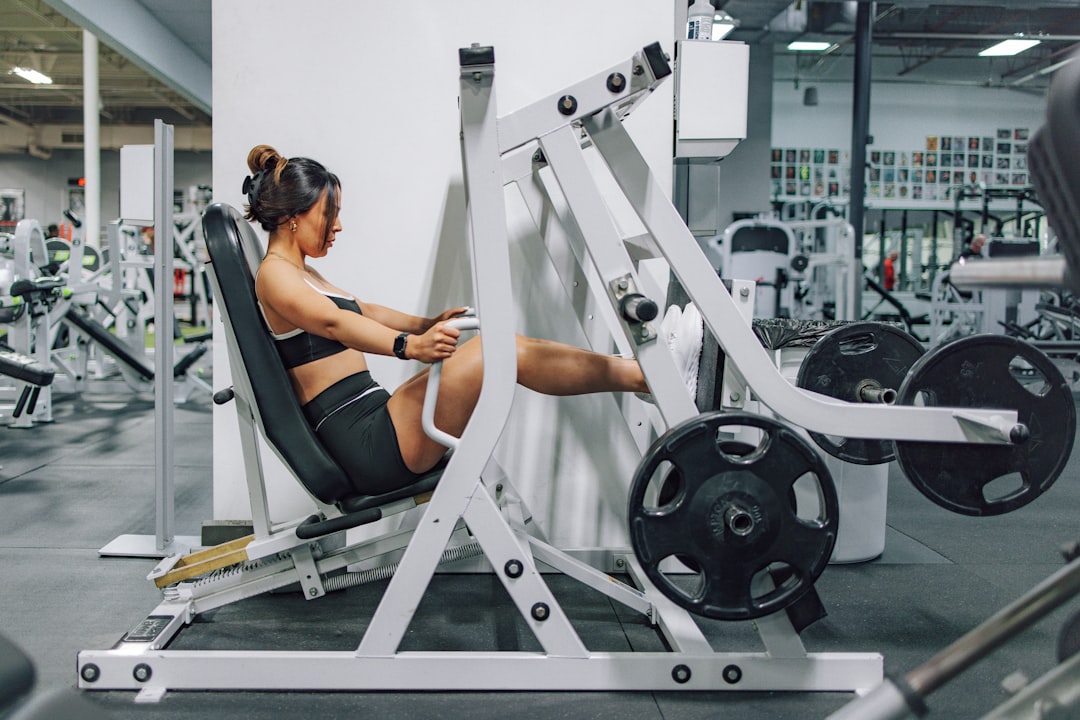
Here’s where compression boots earned their spot in my recovery toolkit. During week three, I had a brutal training block — a heavy squat session on Tuesday followed by a hill repeat running workout on Wednesday and then another lifting session on Thursday. Under normal circumstances, my legs would have been shouting at me by Thursday afternoon. Instead, I woke up Thursday feeling surprisingly fresh. Not 100%, maybe 85%. But 85% after three consecutive hard days is something I hadn’t experienced without serious manual therapy.
I started paying attention to objective markers, too. My resting heart rate, which I track with my usual recovery stack, was consistently two to four beats lower on mornings after a compression session. My sleep quality scores improved modestly. And my perceived exertion during workouts dropped — the same interval pace felt easier, the same weight on the barbell felt more manageable. If you’re looking to build out your own recovery setup, there are plenty of compression therapy recovery devices worth exploring.
The Brands Worth Knowing
After spending two months in one pair of boots and researching the landscape extensively, here’s my honest breakdown of the major players. Therabody JetBoots Prime sits in the mid-range at around $550. They’re wireless, relatively lightweight, and Therabody’s app integration gives you guided recovery programs that adjust pressure based on activity type. The build quality is solid, and the four compression zones cover the essentials. For most people, this is the sweet spot of price-to-performance.
Hyperice Normatec 3 Legs remains the gold standard, but you’ll pay for it — typically $700 to $800 depending on the model. The seven-level compression system is smoother and more graduated than anything else I’ve tried. The ZoneBoost feature lets you target specific areas (hello, perpetually tight calves), and the battery life is genuinely impressive. If you’re a serious athlete training five or more days a week, the Normatec system justifies the investment. You can compare Normatec models and pricing here.
On the more affordable end, brands like FitPulse and QUINEAR offer wireless compression boots in the $150 to $250 range. Are they as refined as the premium options? No. The compression isn’t quite as smooth, the materials aren’t as durable, and the battery life tends to be shorter. But if you’re just dipping your toe into compression therapy and don’t want to spend half your mortgage payment, these budget-friendly compression boots still deliver meaningful recovery benefits. I recommended a pair to a client who runs recreationally, and she texted me two weeks later asking why she hadn’t bought them sooner.
Who Actually Needs Compression Boots?
This is the question I get asked most often, and my answer surprises people. You don’t need to be a competitive athlete to benefit from compression boots. If you train hard three or more days a week — whether that’s running, CrossFit, heavy lifting, or even vigorous hiking — compression boots can meaningfully improve how your legs feel between sessions. They’re particularly valuable for anyone dealing with chronic lower-leg tightness, recurring shin splints, or that persistent heavy-leg feeling that creeps in during high-volume training blocks.
They’re also a game-changer for people who sit at a desk all day and then try to squeeze in an intense workout. I’ve started telling my desk-bound clients that a circulation booster for legs — whether that’s compression boots or a simpler electric massager — should be on their short list of wellness investments. That combination — prolonged sitting followed by explosive movement — is a recipe for poor circulation, tight hip flexors, and sluggish recovery. Twenty minutes in compression boots after a workout does more for blood flow in your lower extremities than an hour of sitting with your legs up. If desk-job fitness is your reality, consider pairing compression boots with a walking pad for a complete movement and recovery strategy.

What They Won’t Do
I believe in honest reviews, so here’s what compression boots won’t do. They won’t replace stretching, mobility work, or proper warm-ups. They won’t fix training errors — if you’re overtraining and under-eating, no amount of pneumatic compression will bail you out. They won’t improve your cardiovascular fitness or make you stronger directly. And despite what some marketing materials suggest, they’re not a substitute for active recovery. Think of them as one tool in a well-stocked recovery toolkit, not the toolkit itself.
I also want to be transparent about the time commitment. Twenty to thirty minutes a day sounds manageable, but it adds up. During my 60-day experiment, I spent roughly 25 hours total in those boots. That’s time I wasn’t spending on other things. For some people, that’s meditative downtime they welcome. For others, it’s a chore. Know which camp you fall into before making the investment. You can also pair your sessions with other recovery practices — I started using percussive massage tools on my upper body while the boots worked on my legs, which made the time feel doubly productive.
The Bottom Line After 60 Days
Would I buy compression boots with my own money? Yes. Without hesitation. After my experiment ended, I kept using them daily — which, frankly, is the most honest endorsement I can give. They’ve become as non-negotiable as my post-workout protein shake. My legs recover faster, my training quality has improved, and that deep-tissue fatigue that used to accumulate over the course of a hard training week simply doesn’t build up the way it used to.

If you’re on a tight budget, start with an affordable pair and see if compression therapy works for you. The physiological mechanism is the same regardless of the brand — sequential pneumatic compression moves fluid. The premium options just do it more smoothly, quietly, and with better app integration. If you’re already investing in quality recovery tools, compression boots deserve a spot on your list right alongside your massage gun and foam roller.
And if you’ve been on the fence like I was for years? Consider this your permission to stop rolling your eyes and start squeezing your legs. Sometimes the trends are trends for a reason. Just make sure you’re buying from a reputable brand with a solid return policy, because once you commit to daily use, you’ll want something that holds up. Browse top-rated wireless compression boots here to find the right fit for your recovery routine and budget.
Your legs carry you through every workout, every run, every moment you choose to move instead of sit. They deserve better than an occasional foam roll and a hope-for-the-best attitude. Treat them right, and they’ll return the favor — mile after mile, rep after rep.



4 Comments on “I Spent Two Months Living in Compression Boots — Here’s Whether They Actually Fix Your Legs”