I’ll be honest — when my physical therapist first suggested I try a vibration plate for recovery, I gave her the same look I give people who tell me celery juice cures everything. Polite skepticism with a side of “sure, Jan.” I’d spent my entire athletic career recovering the old-fashioned way: foam rolling until I cried, ice baths that made me question my life choices, and compression boots that made me look like a NASA astronaut training for Mars. Passive recovery? Standing on a vibrating platform? That sounded about as effective as wishing my DOMS away.
Thirty days later, I’m eating those words with a side of humble pie. What I discovered surprised me more than my first cold plunge — and that’s saying something. Vibration plates have quietly become one of the most researched, most effective recovery tools that most people still aren’t using. I dove into the science, tested the top models, and tracked every measurable outcome from muscle soreness to sleep quality. Here’s everything I wish I’d known before stepping on one for the first time.
What a Vibration Plate Actually Does to Your Muscles
Before we get into my experiment, let’s talk about what’s happening beneath the surface — because the science here is genuinely fascinating. Whole-body vibration (WBV) therapy works by transmitting rapid, low-amplitude vibrations through a platform into your body. These vibrations cause your muscles to contract and relax at incredibly high frequencies — typically 15 to 50 times per second. That’s not a metaphor. Your muscles are literally firing reflexively hundreds of times per minute without you consciously doing anything.
What this means for recovery is surprisingly significant. Those rapid micro-contractions increase local blood flow dramatically, which accelerates the delivery of oxygen and nutrients to damaged muscle tissue while simultaneously flushing metabolic waste products like lactic acid. Research published in the Journal of Athletic Training has shown that WBV can reduce delayed-onset muscle soreness by up to 30% when used after intense exercise. That’s not nothing — especially when you consider that the alternative is just waiting around hurting.
But here’s the part that hooked me: vibration therapy also stimulates your lymphatic system. Your lymphatic network is essentially your body’s waste disposal system, but unlike your cardiovascular system, it doesn’t have a pump. It relies on movement — muscle contractions and physical activity — to keep lymph fluid circulating. The rapid muscle contractions from a vibration plate create a pumping effect that helps clear inflammation and cellular debris from exercised muscles faster than passive rest alone. Think of it as power-washing your recovery pipeline.
The 30-Day Protocol I Followed

I designed a structured experiment to give vibration plates a fair shake. For 30 consecutive days, I replaced my traditional post-workout stretching routine with a targeted vibration plate protocol. Each session lasted 10 to 15 minutes, and I used different positions depending on what I’d trained that day. After leg day, I stood on the plate in a shallow squat with my calves and quads engaged. After upper body sessions, I placed my forearms on the platform in a plank variation. On rest days, I did a gentle 10-minute session focusing on hip mobility and hamstring lengthening.
I tracked subjective soreness on a 1-to-10 scale each morning, measured my sleep quality using my wearable, and recorded flexibility improvements with a standard sit-and-reach test. I also paid attention to how my body felt during subsequent workouts — was I still carrying fatigue from the previous session, or did I feel genuinely recovered? The results painted a picture I wasn’t expecting.
The Results: What Actually Changed
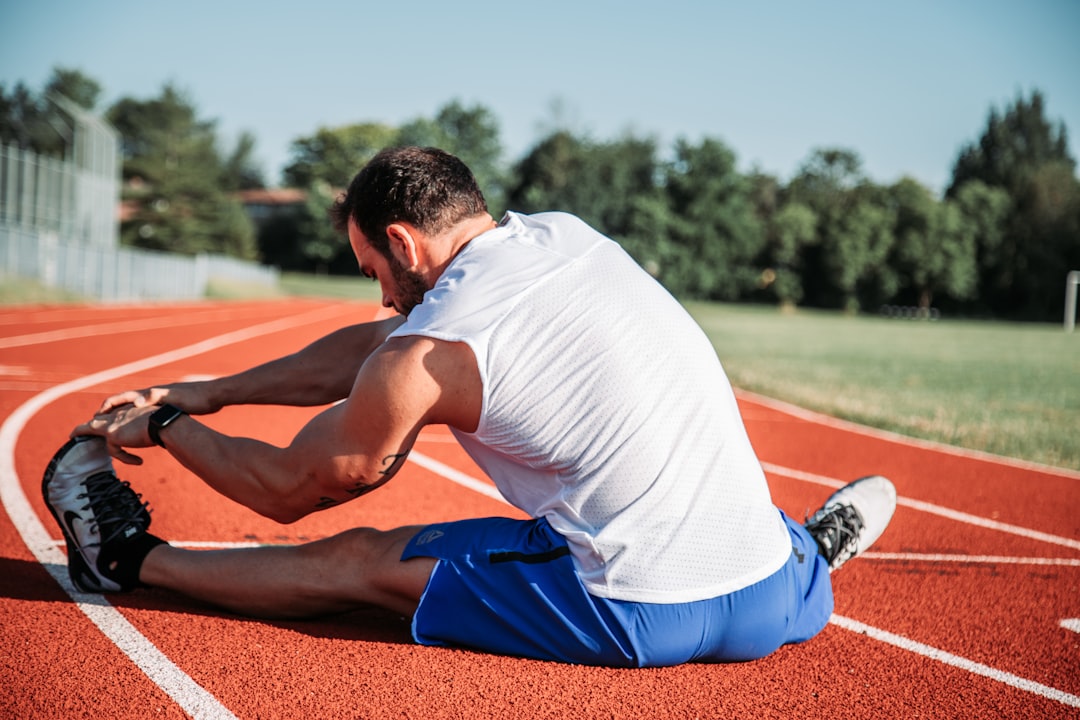
Let me start with the number that made me a believer: my average post-workout soreness dropped from a 6.4 out of 10 to a 3.8 over the 30 days. That’s a 40% reduction in perceived muscle soreness, and it didn’t take weeks to kick in — I noticed a meaningful difference by day four. The day after my heaviest squat session of the month, normally a day when descending stairs becomes an exercise in creative problem-solving, I walked down to my kitchen feeling merely stiff instead of destroyed. That alone was worth the price of admission.
My flexibility improved measurably too. My sit-and-reach score went from 18.3 centimeters to 22.7 — a gain I’d normally expect from weeks of dedicated stretching, not from standing on a vibrating platform for ten minutes after workouts. The mechanism makes sense when you think about it: vibration stimulates Golgi tendon organs and muscle spindles, which triggers a relaxation response in tight tissue. It’s essentially assisted stretching powered by your own nervous system.
The sleep data was the unexpected bonus. My deep sleep percentage increased from an average of 18% to 23% over the month. I can’t say with certainty that the vibration plate caused this directly, but the timing correlates. The most likely explanation is that reduced muscle tension and lower systemic inflammation translated into better sleep architecture — and better sleep means better recovery, which means better workouts. It’s a virtuous cycle.
Which Vibration Plate Should You Actually Buy?
Not all vibration plates are created equal, and the differences matter enormously. There are two primary types you’ll encounter: oscillating (pivotal) and linear (vertical). Oscillating plates vibrate side to side like a seesaw, which feels more natural and is generally better for recovery and therapeutic use. Linear plates vibrate straight up and down, which delivers more intensity and is preferred for strength and power training. For recovery purposes, I strongly recommend oscillating plates — they’re gentler on your joints while still providing excellent muscle activation and blood flow benefits.
After testing several models, here’s what actually matters when choosing one. Frequency range is the big one: you want a plate that goes from about 10 Hz up to at least 40 Hz. Lower frequencies (10-20 Hz) are ideal for recovery and relaxation, mid-range (20-30 Hz) works well for circulation and warm-up, and higher frequencies (30-50 Hz) target strength and power. A plate that only offers one or two fixed speeds dramatically limits its usefulness. Models with digital controls and multiple frequency settings give you the flexibility to customize each session.
Weight capacity is another critical factor that people often overlook. If a plate is rated for 250 pounds and you’re doing exercises on it that add loading, you’re pushing the motor harder than it’s designed for, which shortens its lifespan and compromises the vibration quality. Look for a platform rated for at least 300 pounds to ensure stability and durability regardless of your body type.
Platform size matters more than you’d think too. A larger surface area lets you perform a wider variety of exercises — wide stance squats, lunges, forearm planks, seated hamstring stretches. Compact plates are fine if you only plan to stand on them, but they limit your options. I recommend a plate at least 26 inches long and 18 inches wide if you have the space.
The Recovery Routines That Made the Biggest Difference
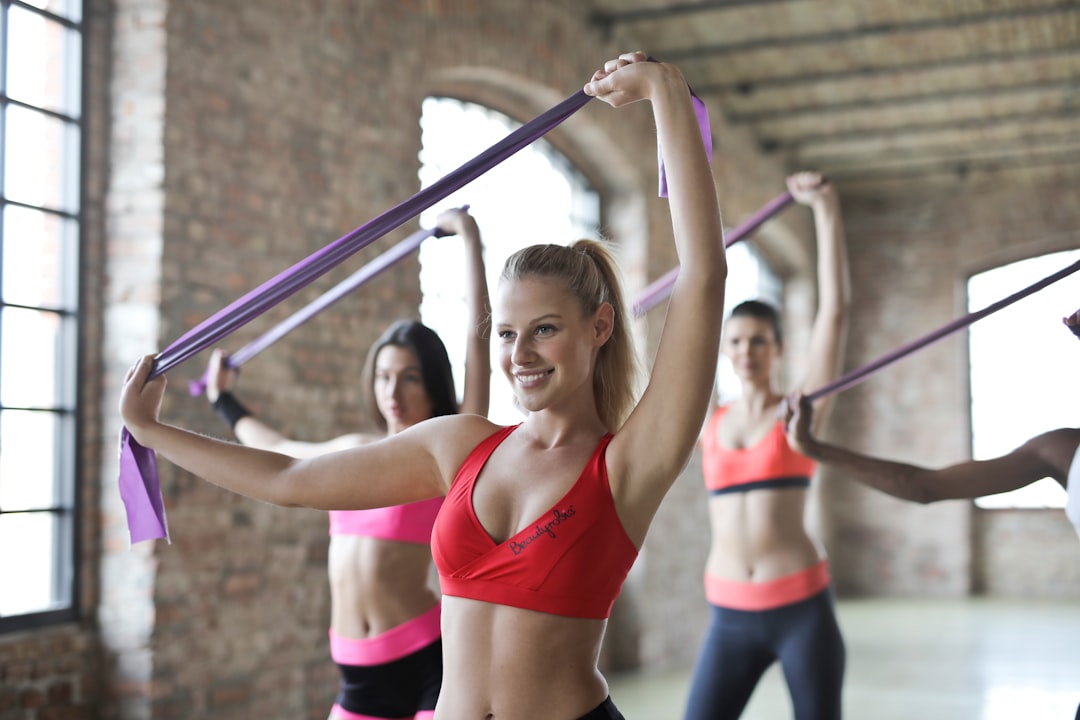
Standing on a vibration plate and zoning out will do something, but targeted positioning amplifies the results dramatically. Here are the three routines that had the most impact during my 30-day experiment, and the ones I still use every week.
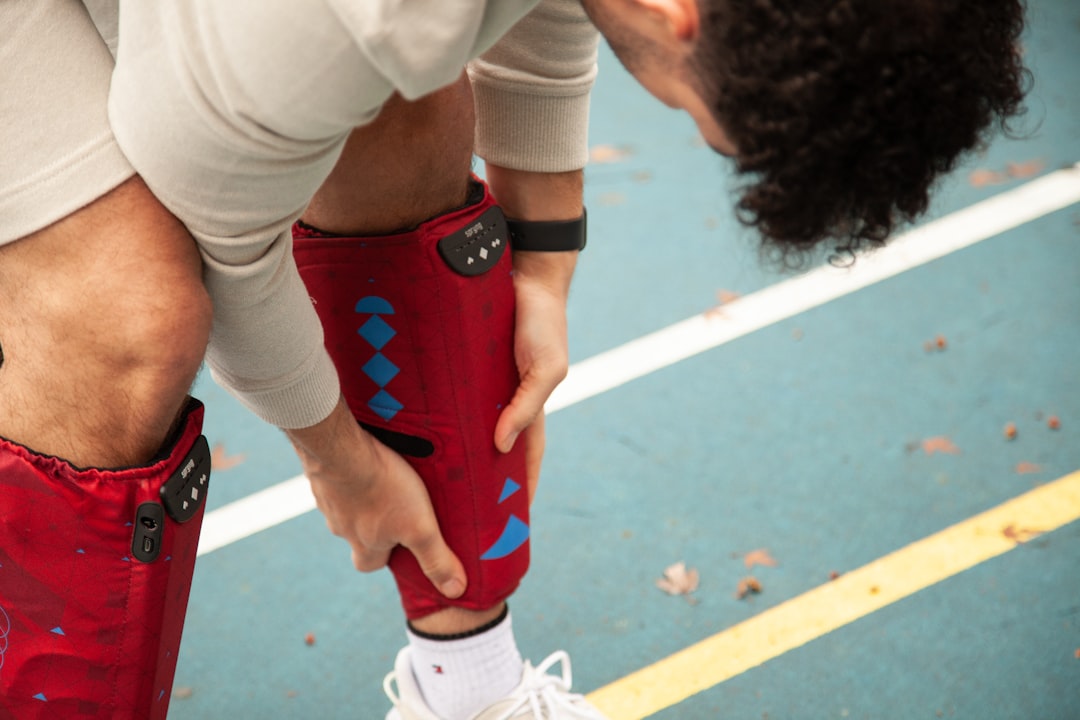
The Post-Leg-Day Flush: Stand on the plate with feet shoulder-width apart in a quarter squat. Set the frequency to 20-25 Hz. Hold for 90 seconds, then shift your weight forward onto your toes for 60 seconds to target calves, then rock back onto your heels for 60 seconds to hit the anterior tibialis. Finish with a wide-stance squat at 15 Hz for 60 seconds. Total time: about five minutes, and your legs will feel noticeably lighter afterward. I pair this with compression recovery boots on the really brutal training days — the combination is outstanding.
The Upper Body Tension Releaser: Get into a forearm plank position with your forearms on the plate and feet on the floor. Set to 15-20 Hz and hold for 60 seconds. This vibrates directly through your shoulders, chest, and upper back — areas where most of us carry chronic tension. Follow with a kneeling position, hands on the plate at 12 Hz, letting your arms act as conductors that drive vibration into your shoulders and lats. Two minutes total, and that mid-back knot you’ve been ignoring for months will start to loosen.
The Rest-Day Circulation Booster: Sit on the plate in a cross-legged position at 10-15 Hz for three minutes, then place your calves on the elevated plate while lying on your back for another three minutes at 20 Hz. This gentle session promotes lymphatic drainage and blood flow without any muscular effort whatsoever. I do this on Sunday mornings while listening to a podcast, and it’s become my favorite passive recovery ritual. For a deeper recovery protocol on heavy training weeks, I’ll follow this up with my compression boot routine — the two complement each other beautifully.
What the Marketing Won’t Tell You
Now for the part that most vibration plate manufacturers would rather I skip. These devices are not magic fat-burning machines. I’ve seen claims that standing on a vibration plate for ten minutes burns as many calories as an hour of running — that is absolute nonsense. The calorie expenditure from passive vibration use is minimal, roughly equivalent to light household chores. If your primary goal is weight loss, a vibration plate should supplement your training, not replace it.
They’re also not a substitute for actual strength training. While vibration does stimulate muscle contractions, the loading is far too low to build meaningful strength or muscle mass on its own. Some brands market their plates as complete fitness solutions, and that’s wildly overstated. Where vibration plates genuinely excel is recovery, warm-up, circulation, and mobility — and those benefits are substantial enough without the exaggerated marketing claims.
There’s also a learning curve that nobody warns you about. Your first few sessions will feel strange — your teeth might vibrate, your nose might itch, and you’ll have the peculiar sensation of your entire body buzzing for a few minutes after stepping off. This is completely normal and fades as your body adapts. Start at the lowest frequency and work your way up over the first week. Going straight to maximum intensity is a recipe for feeling seasick, as I embarrassingly discovered on day one.
Who Should (and Shouldn’t) Use One
Vibration plates are fantastic for active adults who train regularly and want to accelerate recovery, improve mobility between sessions, and reduce muscle soreness. They’re especially valuable for people who sit at desks all day — the circulation boost alone is worth it for combatting the metabolic sluggishness that comes with prolonged sitting. I’ve also recommended them to clients over 50 who want gentle, joint-friendly ways to maintain muscle tone and bone density, since WBV has been shown in clinical studies to help preserve bone mineral density in postmenopausal women.
However, vibration plates are not appropriate for everyone. If you’re pregnant, have a history of blood clots, have a pacemaker, suffer from epilepsy, or have acute herniated discs, you should avoid whole-body vibration entirely. The rapid oscillation can exacerbate these conditions. If you have any cardiovascular concerns, check with your doctor first — the increased blood flow and muscle activation does raise heart rate slightly, which is generally beneficial but needs medical clearance for certain conditions.
For runners specifically, I’ve found vibration plates particularly effective for addressing the chronic calf and Achilles tension that builds up over miles. If you’re already using a solid hydration strategy to support your training, adding vibration recovery can be the missing piece that keeps your legs feeling fresh week after week.
The Accessories Worth Adding
The vibration plate itself is the star of the show, but a few accessories make the experience significantly better. An anti-fatigue mat placed underneath the plate dampens the vibrations that transfer through your floor — your downstairs neighbors or family members will appreciate this more than you know. Without one, the plate acts like a subwoofer that makes your entire room hum.
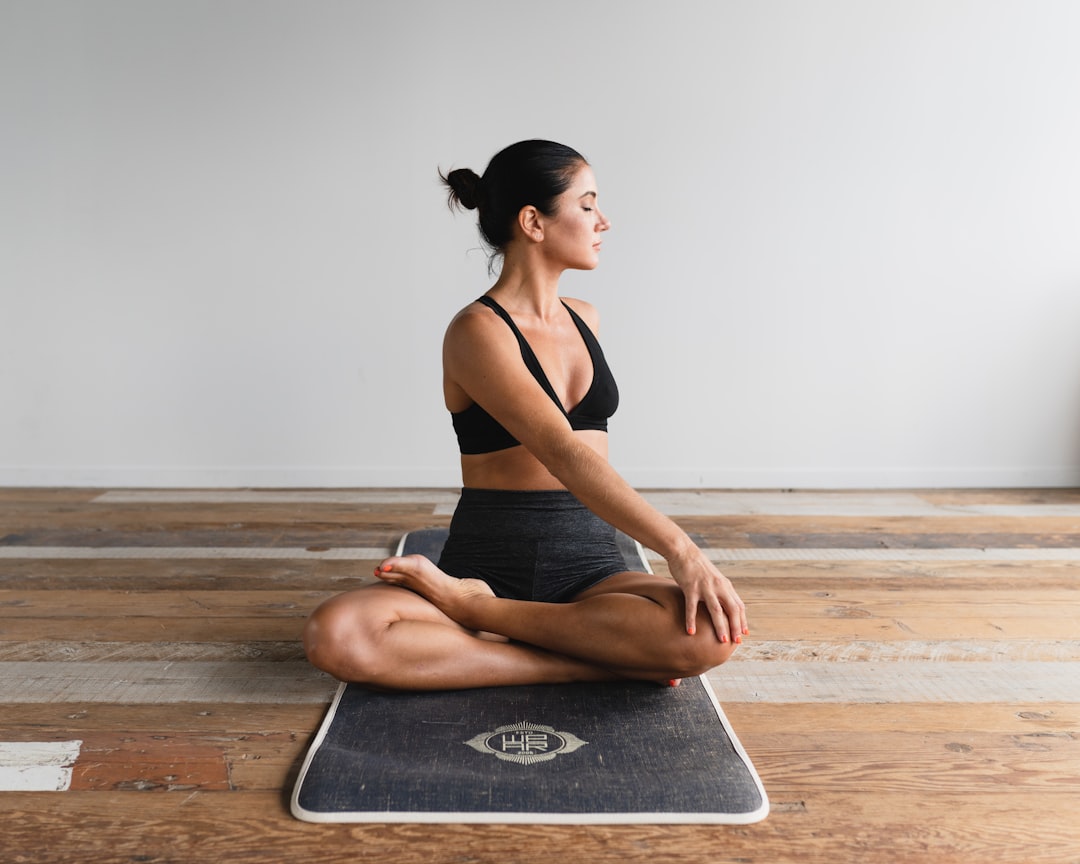
Resistance bands with handles add another dimension to plate workouts. Standing on the plate while doing banded rows, chest presses, or overhead presses at a moderate vibration frequency creates a unique combination of resistance training and muscle activation that regular standing exercises can’t replicate. The vibration destabilizes your base just enough that your stabilizer muscles fire harder to maintain form.
Finally, a high-density foam roller is the perfect companion tool. I use the plate first for the global vibration effect that increases tissue temperature and blood flow, then follow up with targeted foam rolling on any specific trouble spots. The vibration essentially “preps” the tissue so the foam roller can work more effectively with less discomfort. It’s the recovery equivalent of warming up before stretching — it just makes everything work better.
My Verdict After 30 Days
Would I recommend a vibration plate for recovery? Unequivocally yes — with realistic expectations. It’s not going to replace your foam roller, your cold plunge practice, or a good night’s sleep. But as a recovery stack addition that takes 10 minutes, requires minimal effort, and delivers measurable improvements in soreness, flexibility, and circulation, it’s earned a permanent spot in my routine. The fact that it also doubles as a warm-up tool and a gentle mobility platform makes it one of the most versatile single pieces of recovery equipment you can own.
The key is choosing the right plate for your needs and using it consistently. A mid-range oscillating model with variable frequency settings will serve most people exceptionally well — you don’t need the most expensive option on the market. If you’ve been curious about vibration plates but skeptical enough to hold off, consider this your sign to give it a real shot. Track your soreness, pay attention to how your body feels during your next workout, and let the results speak for themselves. Mine certainly did.