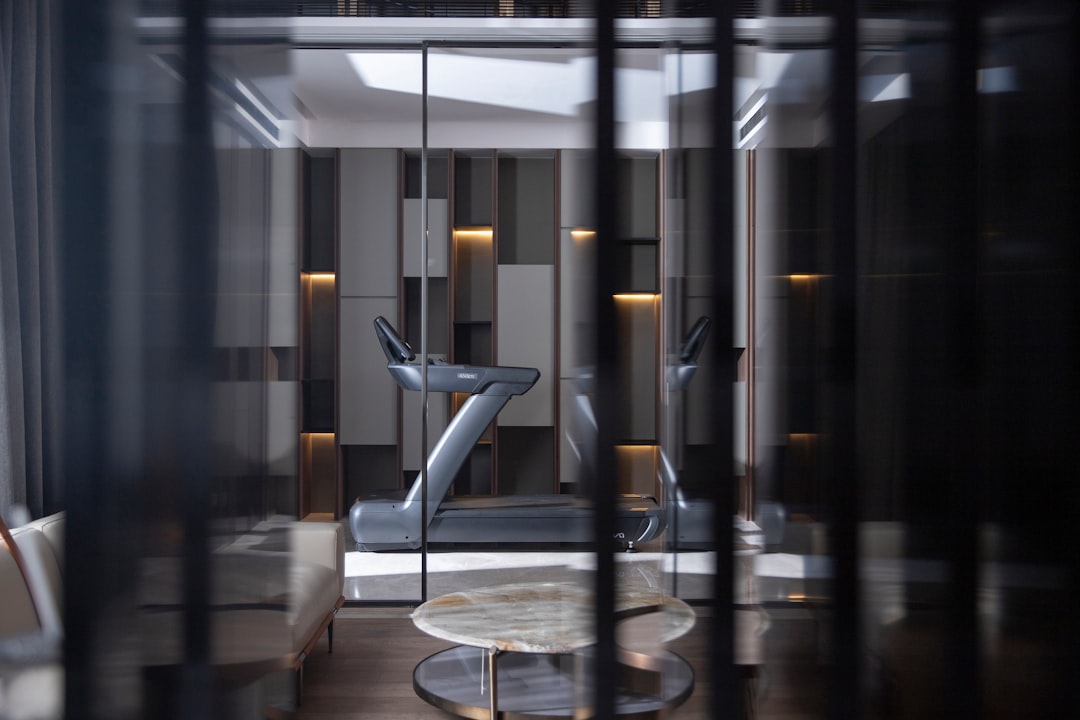
When I was competing in the heptathlon, I had access to a Division I training facility — squat racks, plyometric platforms, a mondo track, medicine ball walls, the works. So when I transitioned to coaching clients out of my own home, I felt honestly a little lost. How was I supposed to replicate seven events’ worth of training stimulus in a corner of my living room?
It took me about two years of trial and error — and more wasted money than I care to admit — before I understood something that now feels obvious. You don’t need a facility. You need a system. And a system doesn’t require square footage. It requires the right handful of tools arranged with intention.
With Amazon Prime Day arriving June 23rd through 26th, this is the window where that system becomes genuinely affordable. I’ve been watching the early deals roll in, and some of the exact gear I recommend to my coaching clients is about to drop to its lowest pricing of the year. So let me walk you through what a real training corner looks like — not a Pinterest fantasy, but the actual setup that can make you stronger, more mobile, and better conditioned without taking over your house.
The Cardio Engine: Why One Folding Piece Changes Everything
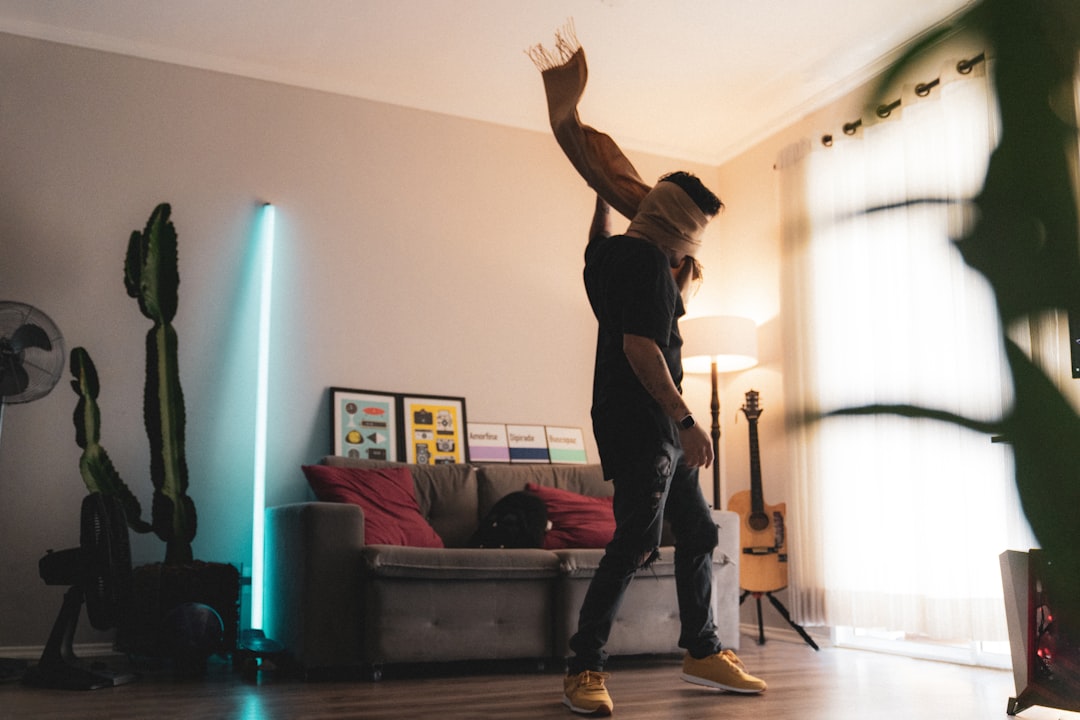
I used to tell people that if they could only buy one thing, it should be a jump rope. I still believe that — but I’ve updated my advice. A folding treadmill with incline capability gives you something a jump rope can’t: controlled, measurable progressive overload for your aerobic system. The Impremey folding treadmill I’ve been testing folds nearly flat, which matters when your “gym” shares space with your dining table.
The key is incline walking. If you set a 12% incline at 3 mph, you’re getting cardiovascular stimulus that rivals a moderate run — without the joint pounding. For clients who are rebuilding their fitness base or dealing with knee issues, this has been transformative. And on Prime Day, compact treadmills like this typically see their steepest discounts. I’d bookmark the page now and set a price alert if you can.
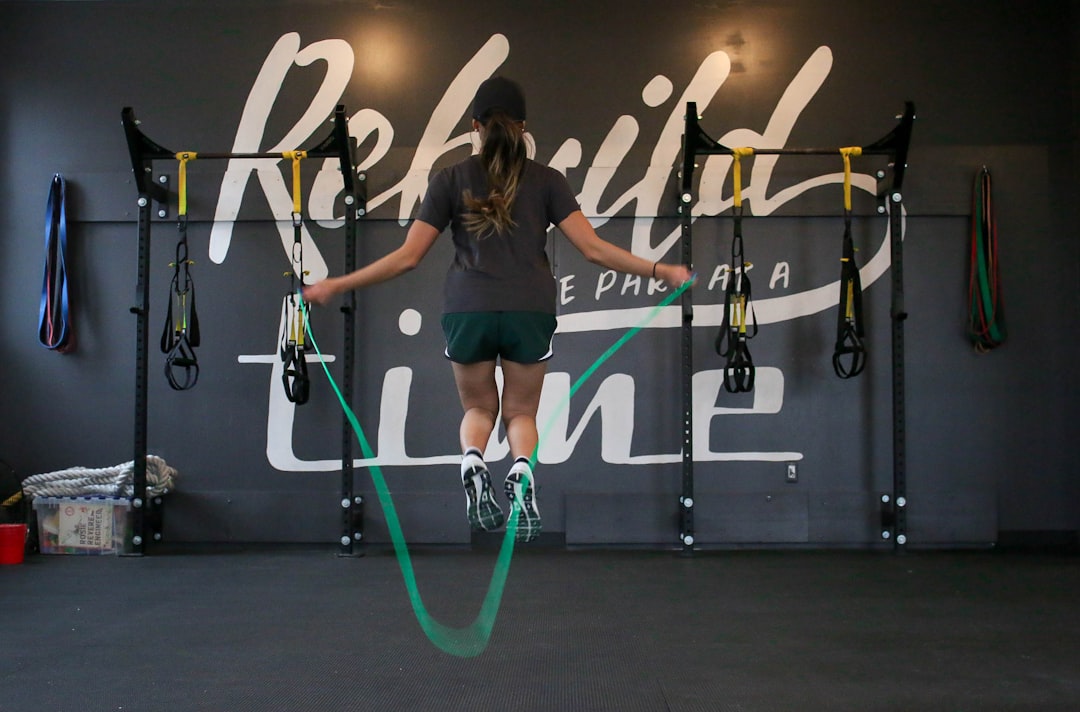
That said, don’t skip the jump rope entirely. A weighted jump rope with a built-in counter costs a fraction of any cardio machine and develops coordination, calf strength, and conditioning in a way that no treadmill can match. I keep mine hanging on a hook behind the bedroom door. Three rounds of two minutes between strength sets and your heart rate is exactly where it needs to be.
The Strength Platform: A Bench That Earns Its Footprint
Here’s where most people waste money. They buy a cheap bench that wobbles after three months, or they go overboard with a full power rack that eats half a room. The sweet spot is a multipurpose adjustable bench — something that can serve as a flat bench, an incline press station, a step-up platform, and a seat for dumbbell rows.
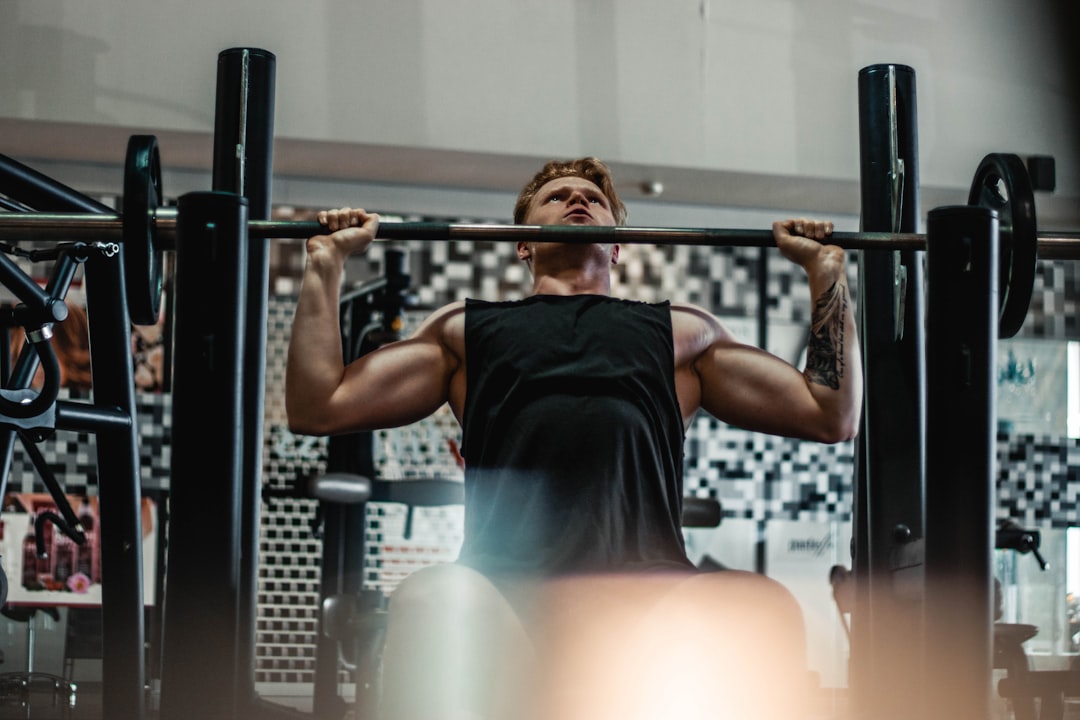
The Reebok Deck adjustable training bench is the closest thing I’ve found to a do-it-all platform that doesn’t require a dedicated room. It functions as a flat bench, an incline bench, AND a step platform — and it stores relatively compactly. For someone training in an apartment or a shared living space, this kind of versatility is non-negotiable.
Pair that bench with a set of fractional weight plates and you’ve got the foundation of a progressive strength program. I know what you’re thinking — fractional plates? The 1.25 and 2.5 pound increments seem tiny, but this is exactly how I built my clean-and-jerk from 135 to 185 pounds over a single winter. Small jumps, consistent progression, zero ego. Every plate on the bar is a conversation with your nervous system, and sometimes that conversation goes better when you speak quietly.
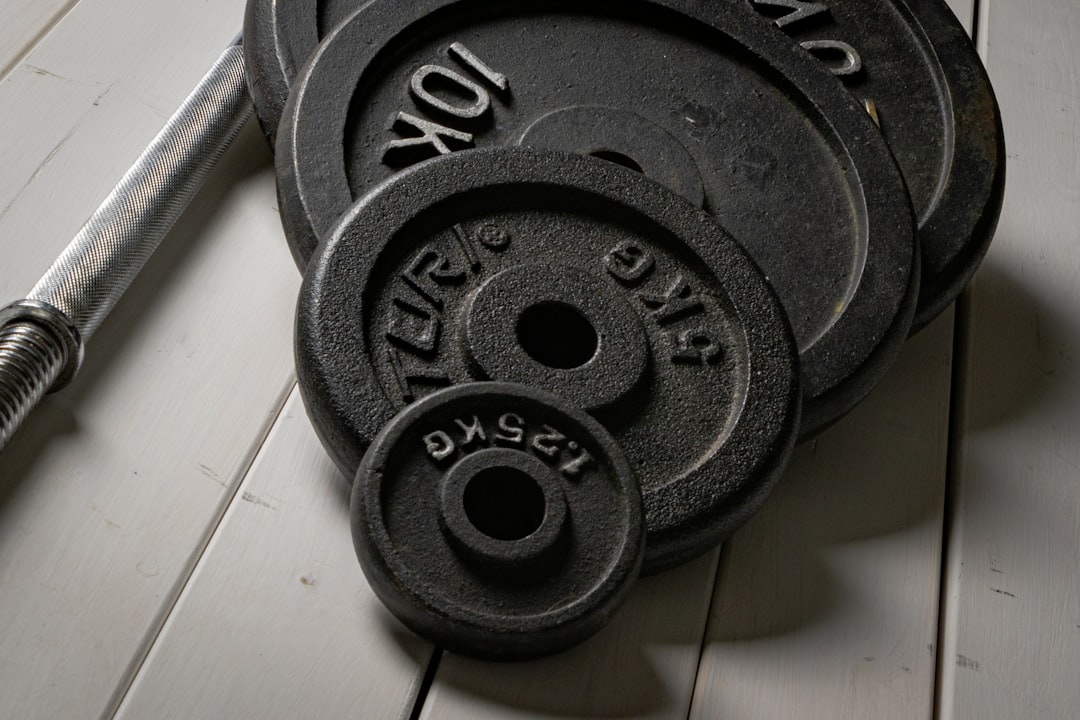
If you’re setting up on hardwood or tile, do yourself a favor and pick up a pair of weightlifting drop pads. They protect your floor, reduce noise for your neighbors, and honestly just make the whole experience feel more professional. When your environment feels legit, you train like it matters.
The Mobility and Recovery Zone: Where Most Home Setups Fail
I’ve written before about the quiet workout purchases that made a bigger difference in my training than any major equipment. The same principle applies here. Your training corner needs a mobility station just as much as it needs a strength station — maybe more, depending on how much you sit during the day.
Start with the floor. A quality mat is non-negotiable. I’ve been using the Manduka Prolite yoga mat for going on six years now, and it still grips like the day I unrolled it. At 4.7mm thick, it’s substantial enough for kneeling work and core exercises without being so cushioned that you lose stability during standing movements. This is the surface where I do my entire cool-down routine, hip mobility flows, and the kind of slow, deliberate stretching that competitive athletics taught me to respect.
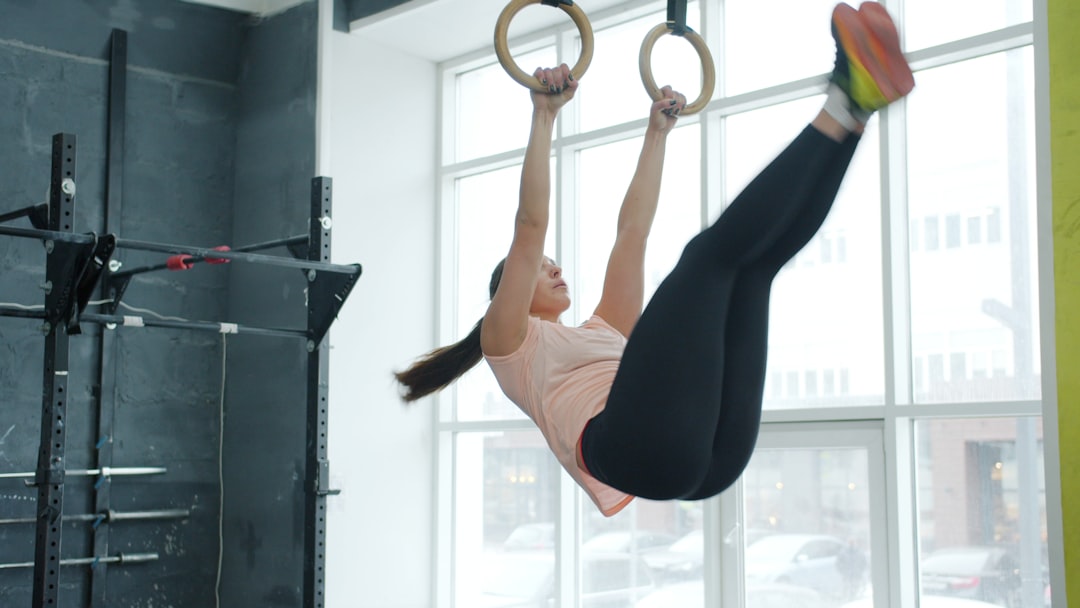
For my clients who sit at desks all day, I prescribe a daily ten-minute session with a pilates ring and resistance ball set. The inner-thigh activation, deep core engagement, and postural work you get from a pilates ring is honestly absurd for how compact the tool is. It weighs less than a paperback book and lives in my coffee table drawer. Pair it with a set of grip socks designed for barre and pilates work and you can do an entire barefoot conditioning session on your living room floor without slipping — which matters more than you’d think when you’re doing single-leg work on hardwood.
One tool I added recently that has become essential: a web slide exercise system. These are essentially furniture sliders designed for fitness — you place them under your hands or feet and do sliding plank variations, lunging slider work, and core exercises that would otherwise require a gym’s worth of equipment. They’re thirty bucks, take up zero space, and the first time you do a set of sliding mountain climbers on them, you’ll understand why every physical therapist I know keeps a pair in their bag.
The Recovery Corner: Because Training Happens Between Sessions
Every athlete learns this lesson the hard way: the workout is the stimulus. The adaptation — the actual getting stronger, faster, better — happens during recovery. And yet most home training setups completely ignore this side of the equation.
A shiatsu neck and back massager with heat is one of those recovery tools that pays for itself within the first month. I use mine for fifteen minutes every evening while I’m winding down — usually on my neck and traps, which carry all the tension from a day of coaching and training. The heat component matters because it increases blood flow to tight tissue, which accelerates the healing process. This is the kind of thing I used to get in the athletic training room at university. Now it sits on my nightstand.
For a deeper dive into building a proper recovery practice, my earlier piece on why movement variety matters more than any single workout goes into the science of how different movement patterns support joint health and long-term athletic development.
The Fuel Strategy: What You Consume Before and During
Training on empty isn’t noble — it’s just suboptimal. I learned this the hard way during my heptathlon years, when I’d occasionally skip pre-workout nutrition and watch my power numbers crater during the throwing events. Now, if I’m training before 8 AM, I drink a protein-fortified breakfast shake while I’m doing my dynamic warm-up.

Oats Overnight has become my go-to because it’s genuinely high in protein (20+ grams per serving), requires zero cooking, and I can mix it the night before and grab it on my way to the training corner. The variety pack lets me cycle through flavors so I don’t get bored, which — if you’ve ever tried to maintain a consistent morning nutrition habit — you know is the real battle.
During longer training sessions, I mix up a serving of Nutrex Research EAA Hydration powder in my water bottle. Essential amino acids plus electrolytes means I’m supporting muscle protein synthesis while maintaining hydration, which becomes critical during summer training when you’re sweating more than you realize. The fact that it actually tastes good is what keeps me consistent with it — I’ve thrown out too many tubs of unflavored BCAA powder to pretend that palatability doesn’t matter.
Putting It All Together: The Layout
Here’s what I want you to understand. Everything I’ve described above fits into a space roughly six feet wide and eight feet deep — the corner of a room, the end of a hallway, or one wall of your bedroom. Here’s how I arrange it:
Wall zone: The Web Slide system mounts on any door or wall surface. That’s your warm-up and mobility anchor.
Floor zone: Yoga mat unrolled, pilates ring and resistance ball tucked alongside it. This is your stretching, core work, and floor-based conditioning area.
Equipment zone: The Reebok Deck bench in its flat position, fractional plates stacked neatly beside it, drop pads on the floor underneath. When you need the bench for incline work or step-ups, you adjust it in five seconds.
Cardio zone: Folding treadmill against the wall, jump rope hanging from a hook. When the treadmill is folded, you barely notice it’s there.
Recovery zone: The massager lives on a shelf or nightstand. EAAs and overnight oats are in the kitchen, but they’re part of the system.
This isn’t a fantasy board. This is a real, functional training space that costs less than six months of a commercial gym membership — and with the right equipment working together, it covers the full spectrum of fitness: cardiorespiratory endurance, muscular strength, mobility, core stability, and active recovery.
The Prime Day Playbook
Since Prime Day runs June 23rd through the 26th, here’s how I’d approach it. Make your list now. Bookmark the product pages. If you already have an Amazon Prime membership, you’ll get the full promotional pricing when the deals go live — and for fitness equipment especially, the best deals tend to sell out within hours, not days.
Prioritize in this order: the bench first (it’s your foundation), then the treadmill (biggest investment but biggest impact on cardiorespiratory training), then the smaller accessories like the jump rope, mat, and fractional plates. The recovery tools — the massager, the EAAs — can be grabbed anytime during the sale window, but don’t skip them. They’re what keep you training consistently, and consistency is the only variable that actually matters long-term.
If budget is tight, start with the jump rope, the yoga mat, and the fractional plates. That’s under $100 even at full price, and with Prime Day pricing, likely closer to $60. You can build an entire progressive training program around just those three things. I did, for years, when I was first starting my coaching business and every dollar counted.
The beautiful thing about training at home is that it removes every excuse. No commute, no crowds, no waiting for equipment, no self-consciousness about being the oldest or slowest or most out-of-shape person in the room. Your corner is waiting for you. The only question is whether you’ll use it.
I missed the Olympics by less than two seconds. I think about that sometimes when I’m training in my living room at 6 AM — not with regret, but with gratitude. Because the thing I actually love isn’t competing at the highest level. It’s the daily practice of showing up for my body. And you don’t need a stadium for that. You just need six square feet and a plan.



4 Comments on “Six Square Feet and a Plan: Building an Elite Training Corner Without Remodeling Your House”