For fifteen years of competitive track and field, I had a dirty little secret: I spent more time in physical therapy than I did on the track some months. Don’t get me wrong — my PT was incredible. But at $200 a session, twice a month, I was essentially funding a small mortgage on my own connective tissue. When I transitioned out of competitive athletics and into coaching, I realized most of the people I worked with couldn’t afford that kind of investment. So I went on a mission to build a home mobility toolkit that could handle 80% of what a hands-on therapist does — for less than the cost of a single co-pay.
What follows is the seven-tool system I’ve refined over the past four years, tested on myself, my clients, and a rotating cast of willing volunteers at the YMCA where I teach weekly mobility classes. None of these tools are magic. But together, they address the three pillars of mobility that matter most: fascial release, joint range of motion, and neural activation. Skip any one pillar and you’ll hit a ceiling. Address all three and your body starts moving like it remembers what it was designed to do.
The Foam Roller: Still the Undisputed Foundation
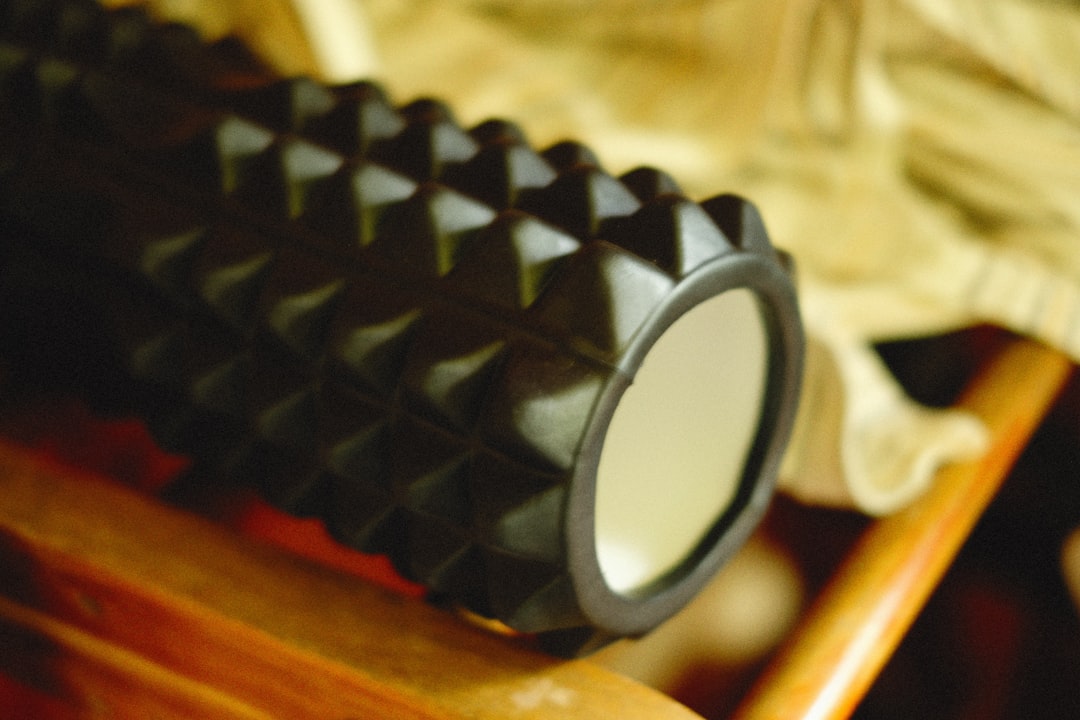
I know, I know. Foam rollers are about as exciting as a bowl of plain oatmeal. But here’s the thing — after testing every fancy vibrating, heated, textured roller on the market, my team and I keep coming back to a simple multi-density design that costs under forty bucks. The TriggerPoint Grid 1.0 has been in my gym bag since 2019, and it’s still the tool I reach for first every single morning.
The key is understanding what foam rolling actually does. It’s not “breaking up scar tissue” as the old bro-science claimed. What you’re really doing is modulating tone in the nervous system, signaling to your brain that it’s safe to reduce protective tension in a given muscle group. That’s why consistent, moderate pressure outperforms aggressive, painful rolling every time. Two minutes per muscle group, slow passes, deep breaths. That’s the protocol.
Lacrosse Balls for Targeted Release: The Tool Physical Therapists Don’t Want You to Discover
A foam roller handles broad surfaces beautifully — quads, lats, glutes, thoracic spine. But for the pinpoint work that unlocks stubborn trouble spots, nothing beats a firm ball. I spent years using actual lacrosse balls from the sporting goods store, and they work fine. But the specialized massage balls my team tested last spring have a slightly grippy surface texture that grips skin and fascia better than a smooth lacrosse ball, making a meaningful difference in how deep you can effectively work.
The spots I target most? Piriformis (sit on the ball, cross the affected leg over the other knee), the suboccipital region at the base of the skull (lie on your back, place two balls in a sock), and the plantar fascia (stand on it while brushing your teeth). Two minutes each, daily. If you want a graduated approach, the RAD Rounds three-density set lets you start soft and progress to firm as your tissue tolerance builds. I’ve had clients who couldn’t tolerate a firm ball at all in week one happily grinding away on the densest option by week three.
Percussion Therapy: Worth the Hype (If You Choose Wisely)
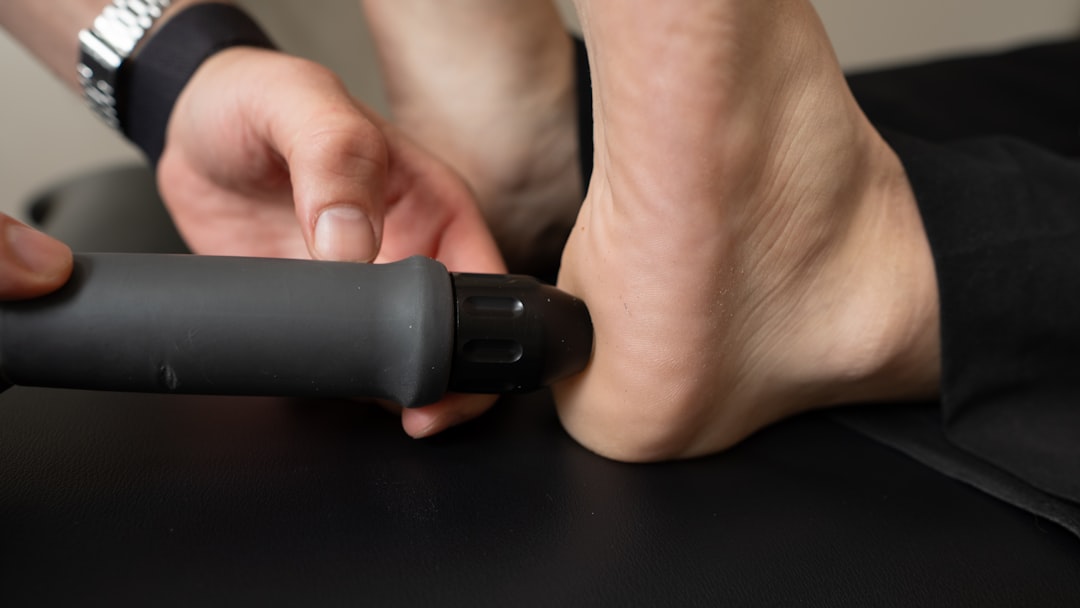
I was a percussion-massage skeptic for years. The first generation of massage guns felt like holding a jackhammer against my own thigh, and the research on their effectiveness was thin. But the technology has matured dramatically, and current models deliver genuinely useful therapeutic benefits — especially for pre-workout neural activation and rapid between-set recovery during heavy training sessions.
For most people, the TOLOCO deep tissue massage gun hits the sweet spot of power, price, and accessory variety. It has ten interchangeable heads, which sounds like overkill until you realize that the fork attachment is perfect for spine-adjacent work while the flat head is ideal for dense muscle bellies. For athletes who want thermal features — and this is where I’ve seen real innovation in 2026 — the RENPHO Active Thermacool adds both heat and cold to the percussion, which my clients report dramatically reduces delayed-onset muscle soreness when used within the first two hours post-training. I was genuinely surprised by how much the temperature element mattered. I wrote about my experiences with early percussion tools in my six-week recovery gun deep dive, and the category has only gotten stronger since then.
The Stretching Strap Your Hamstrings Have Been Begging For
Active stretching — where you’re using a tool to extend your range — is the bridge between passive flexibility and functional mobility. A stretching strap lets you apply progressive tension to tight muscle groups while controlling the angle and intensity with precision. After working through a dozen options with my Tuesday morning mobility class, we settled on OPTP’s Stretch Out Strap as the best overall choice. It’s been a clinical standard for decades, it’s made in the USA, and the numbered loops let me give my class precise instructions: “Hook your right foot through loop number four.” No guessing, no fumbling.
The hamstring sequence I use most involves lying on your back, looping the strap around the ball of your foot, and slowly straightening the leg overhead. Three sets of thirty seconds per side. Follow that with the figure-four hip stretch using the same strap, and you’ve addressed the two tightest areas in most adults in under four minutes.
Resistance Bands: Not Just for Strength Training
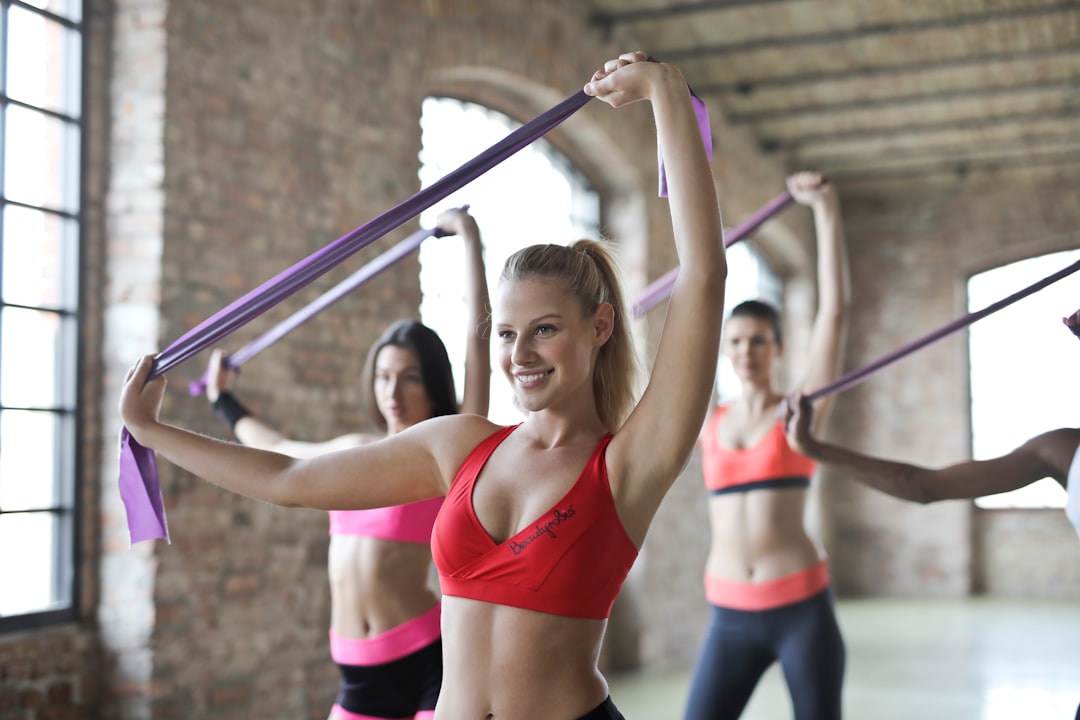
Most people think of resistance bands as a strength-training tool — and they are excellent for that. But in a mobility context, banded distraction is one of the most effective techniques for improving joint capsule range. The concept is simple: anchor a band to a sturdy point, loop it around a joint (hip, shoulder, ankle), and let the band’s tension create a gentle traction force as you move through range of motion. It feels like your joint is being given space it didn’t know it needed.
For this work, I prefer loop bands rather than tube bands with handles. The Fit Simplify loop band set offers five resistance levels, which is perfect because different joints and different bodies need dramatically different amounts of pull. A light band around the hip for a client with restricted internal rotation. A heavier band around the ankle for dorsiflexion work. For tube bands with handles — useful for upper-body mobility work like face pulls and band pull-aparts — the WHATAFIT set is a comprehensive option with door anchors and ankle straps included. If you want a deeper dive into band selection, I put together a complete resistance band buying guide earlier this year.
The Yoga Wheel: Backbends Without the Terror
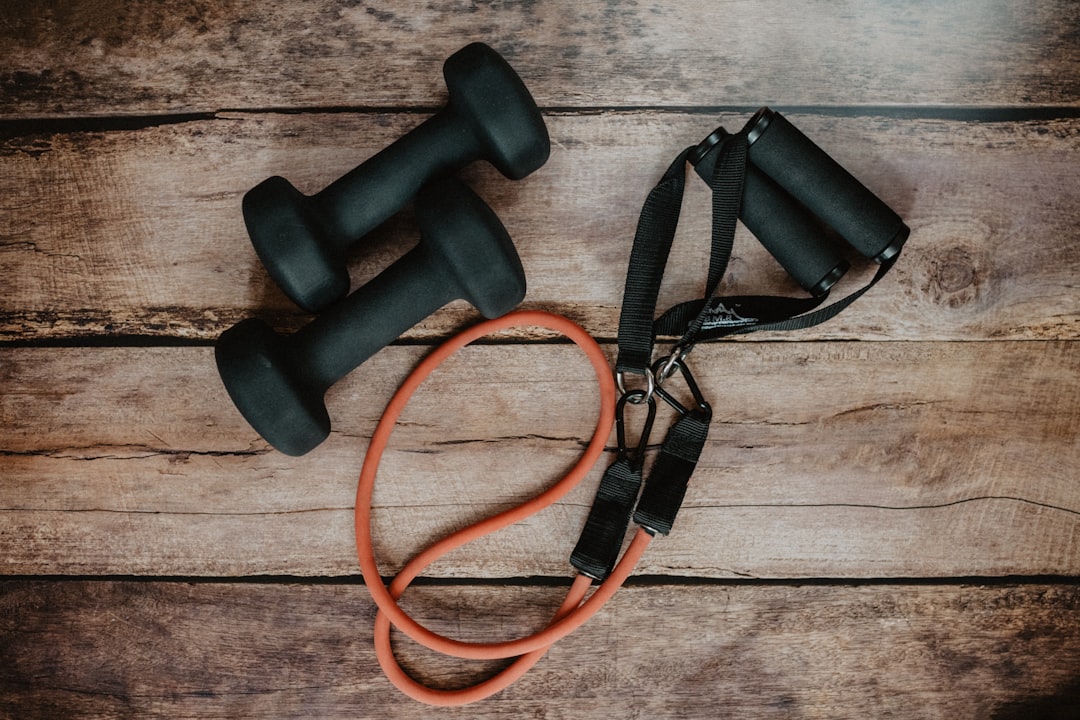
I’ll be honest — when yoga wheels first started trending, I dismissed them as Instagram props. Then I borrowed one from a friend who teaches restorative yoga, and within ten minutes of guided use, my thoracic spine moved in ways it hadn’t since my early twenties. The wheel acts as a fulcrum that supports your spine while gravity does the stretching, making deep backbends accessible even for people who can’t comfortably do a single camel pose.
The Aozora three-piece yoga wheel set gives you different sizes for different applications. The thirteen-inch wheel is your primary tool for full-spine extensions. The ten-inch works well for targeted thoracic work, and the six-inch mini is surprisingly useful for neck and forearm release. I spend five minutes with the large wheel every evening as part of my wind-down routine, and it has done more for my posture than any corrective exercise program I’ve tried. That’s saying something — I wrote an entire posture corrector guide last month and stand by every word, but the wheel is the daily practice that makes the biggest structural difference.
The Acupressure Mat: Passive Recovery While You Lie There
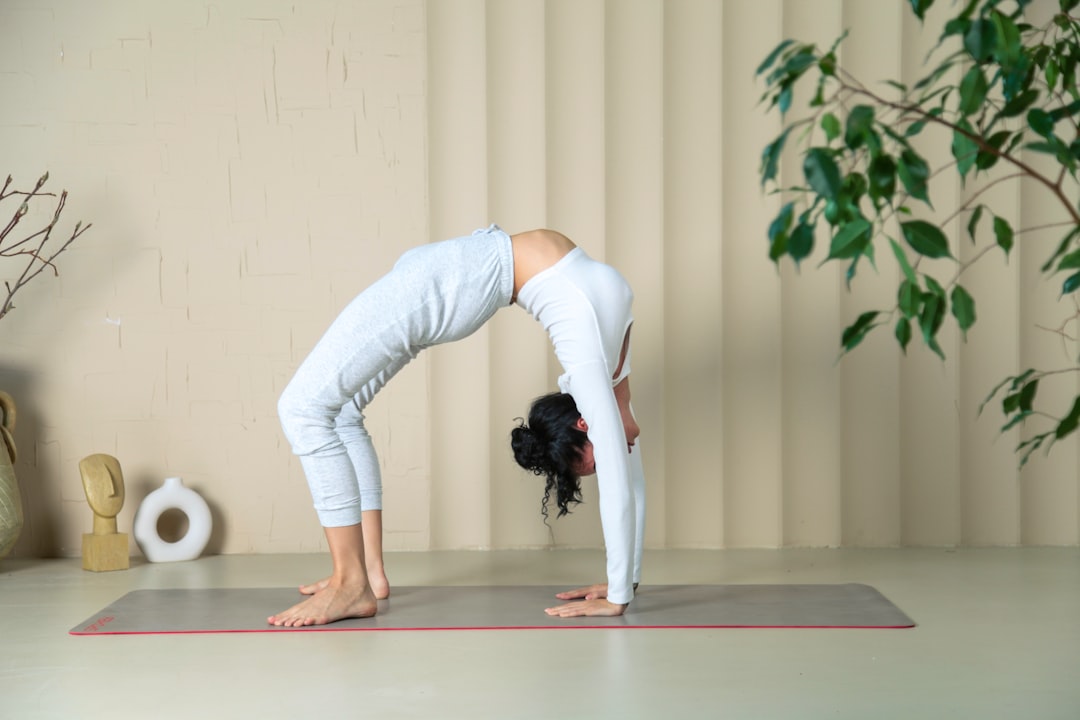
Of all the tools in this toolkit, the acupressure mat is the one that gets the most skeptical raised eyebrows when I recommend it. A mat covered in thousands of sharp plastic points doesn’t exactly scream “relaxation.” But the science here is genuinely interesting. The pressure from the points stimulates blood flow and triggers a parasympathetic nervous system response — your body interprets the initial discomfort as a signal to release endorphins and relax deeper.
The ProsourceFit acupressure mat and pillow set has been my go-to recommendation for two reasons. First, the build quality holds up over years of daily use. Second, the included neck pillow is shaped correctly — many budget mats ship with a pillow that’s either too flat or too round to properly support the cervical curve. I use mine for twenty minutes before bed, usually while listening to a meditation track. The first three minutes are always uncomfortable. By minute ten, I’m in a state of deep relaxation that honestly rivals a professional massage. For anyone dealing with stress-related tension — and who isn’t? — this is the most underrated tool in the mobility space.
Bonus Tool: The Agility Ladder for Neural Mobility
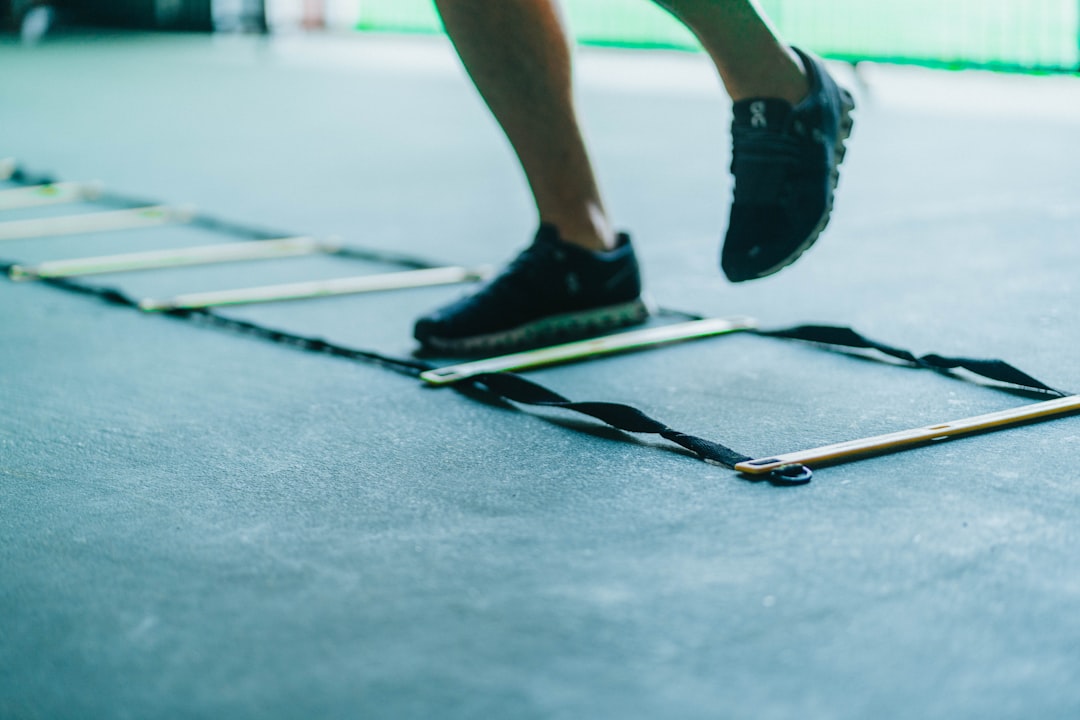
Mobility isn’t just about muscles and fascia. It’s also about how efficiently your nervous system coordinates movement. An agility ladder takes up almost no space, costs less than a movie ticket, and provides something no roller or ball can offer: dynamic neuromuscular training. Quick feet drills, lateral shuffles, in-and-out patterns — these movements light up the motor cortex, improve proprioception, and warm up the small stabilizer muscles that prevent injuries.
I spend five minutes on ladder drills before every workout, and I’ve had clients in their sixties and seventies dramatically improve their balance and confidence after just a few weeks of consistent practice. It’s the piece of the mobility puzzle that most people skip entirely, and it might be the most important one.
Building Your Own Toolkit: A Practical Roadmap
You don’t need all seven tools on day one. If budget is tight — and I completely understand if it is — start with a foam roller and a massage ball. That’s under fifty dollars total and covers the majority of your soft-tissue needs. Add a stretching strap next, then bands, then work your way up to the powered and specialty tools. The total cost of everything on this list is still less than three months of physical therapy, and these tools will last you years.
The bigger investment isn’t money. It’s consistency. Ten minutes a day, every day, will transform your mobility faster than a single hour-long session once a week. I’ve seen it happen hundreds of times with clients ranging from desk-bound professionals to masters-level athletes. The tools work. The question is whether you’ll use them.
My suggestion? Pick two tools from this list. Commit to a daily ten-minute routine for thirty days. By the end of that month, you’ll feel the difference in how you move — and more importantly, in how you feel when you wake up each morning. That’s the real metric. Not how far you can stretch or how many knots you can dig out, but whether your body feels like a place you actually want to live.



One comment on “Seven Mobility Tools That Replaced My Physical Therapist (For Under 00 Total)”