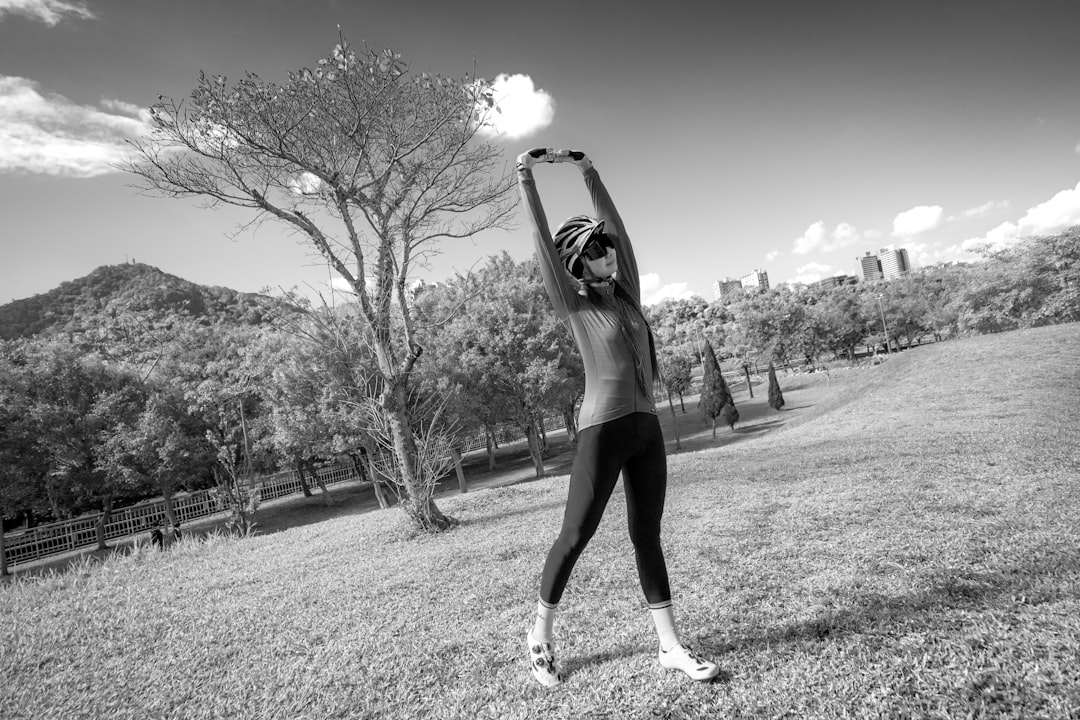
There’s a moment every athlete hits where the body stops responding to the same stimulus. You run the same route, lift the same weights, cycle through the same circuit — and somewhere around week six, progress flatlines. I remember it vividly from my heptathlon days. Seven events meant seven entirely different movement patterns, and the moment my coach narrowed my training focus to just two or three of them, something in my athleticism dimmed. It wasn’t that I got weaker. I got limited.
That lesson stuck with me long after competitive track ended. And it’s the reason I’m making the case right now — at the start of summer, with Amazon Prime Day just around the corner — that your body doesn’t need another version of the same workout. It needs variety. Real, joyful, cross-modal variety that challenges different energy systems, movement planes, and neural patterns. Think of it as a movement portfolio: the more diverse the inputs, the more resilient and capable the output.
The Science Behind Movement Variety (Why One Sport Isn’t Enough)
When researchers study cross-training, the findings are remarkably consistent. Athletes who train across multiple modalities — running, swimming, resistance work, agility drills — show fewer overuse injuries, better movement quality, and longer athletic careers than those who specialize early. A 2026 analysis of hybrid training trends noted that varied movement patterns prevent the plateaus and repetitive-stress damage that plague single-sport athletes. The body adapts to what you ask it to do. Ask it to do everything, and it builds a broader foundation of strength, mobility, and endurance.
This isn’t just about injury prevention, though that alone would justify the approach. Movement variety improves what exercise scientists call “movement literacy” — your nervous system’s library of motor patterns. The more diverse your movement diet, the more coordinated, reactive, and physically intelligent you become. It’s the difference between a body that can lift heavy in a controlled gym setting and one that can also sprint, pivot, swim, climb, and throw without falling apart.
I think about this a lot during summer. In fact, I wrote about how heat training transforms your fitness in a previous piece on summer heat acclimation — and movement variety is the perfect complement to that. The warm weather opens up options that simply don’t exist in January. You can swim in open water. You can throw a ball in the backyard. You can run trails instead of treadmills. You can do yoga on grass instead of a studio floor. Each of those activities stresses your body in fundamentally different ways, and the cumulative effect is a level of fitness that no single workout program can replicate.
Build Your Summer Movement Portfolio
Here’s where it gets practical. I’m going to walk through five distinct movement categories that should live in your summer routine — and the specific gear that makes each one better. With Prime Day arriving June 23rd, this is also the perfect window to grab equipment at promotional pricing. I’d recommend bookmarking product pages now so you’re ready when the deals go live.
1. Linear Cardio — Running Done Right
Running is the most accessible form of cardiovascular training on the planet, but doing it in worn-out shoes is a fast track to shin splints and knee pain. I’ve been testing the Nike Women’s Revolution 8 Road Running Shoes for a few weeks now, and they’ve become my go-to for both short tempo runs and longer endurance days. The cushioning hits that sweet spot — responsive enough to feel quick on the pavement, but soft enough that your joints don’t take a beating on back-to-back days.
What I appreciate about the Revolution 8 is that it doesn’t try to be everything. It’s a road shoe, pure and simple. Lightweight, breathable, and honest about its purpose. If you’ve been running in cross-trainers or worn-out lifestyle sneakers, switching to a dedicated running shoe will change your entire relationship with the activity. Your stride feels more natural, your recovery time drops, and suddenly running isn’t something you dread — it’s something you look forward to.
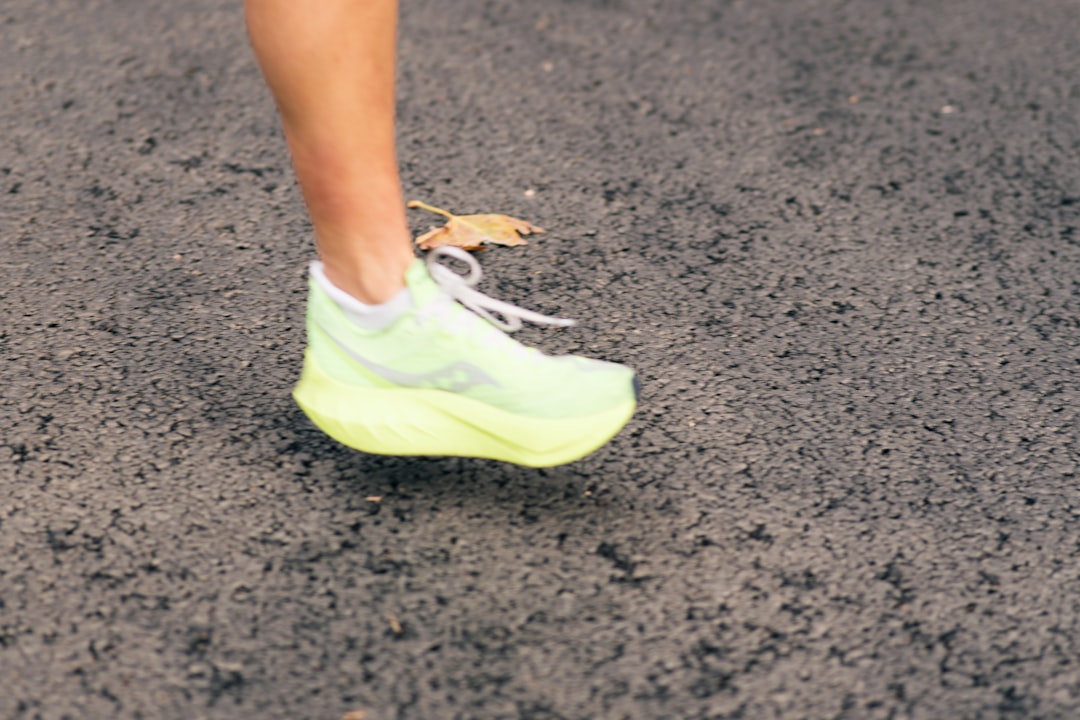
Pair those shoes with a top that actually handles summer heat. The Nike Women’s Pro Allover Mesh Short Sleeve Top has become my favorite warm-weather running piece because the mesh paneling does exactly what it promises — moves air across your skin instead of trapping it. On 85-degree evening runs, the difference between this and a standard cotton tee is night and day. You stay drier, cooler, and far less distracted by fabric clinging to you.
2. Water-Based Movement — The Ultimate Cross-Training
Swimming engages nearly every muscle group in your body while eliminating impact stress on your joints. It builds lung capacity, posterior chain strength, and shoulder mobility in ways that land-based training simply cannot match. But here’s the thing — you need to actually get in the water, not just talk about it.
A quality snorkeling gear set might seem like an odd recommendation for fitness, but hear me out. Snorkeling forces you into controlled breathing patterns — long, slow exhales through the tube — which directly trains your cardiovascular system in ways similar to high-altitude training. Plus, it transforms a pool session or beach day into genuine cross-training. You’re kicking against water resistance (building hip flexor and quad strength), rotating through your core, and sustaining a moderate heart rate for extended periods. It’s low-impact, high-reward work that doesn’t feel like exercise.
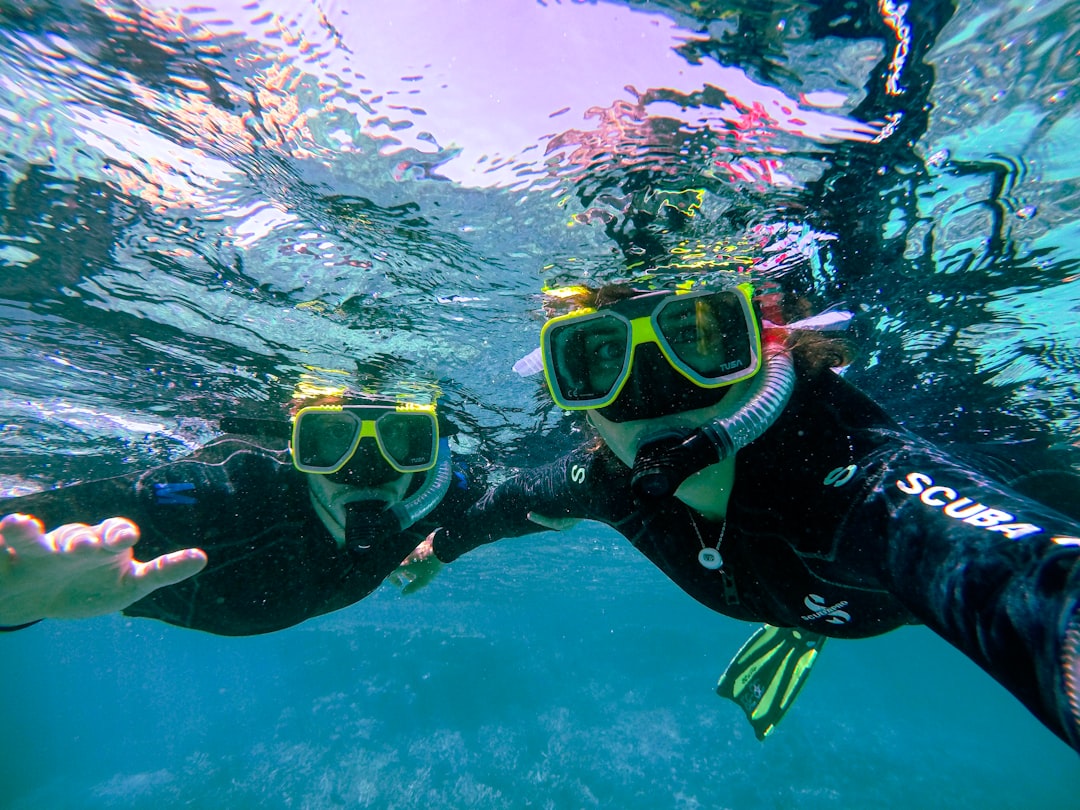
I started incorporating snorkeling into my weekly routine last summer, substituting one swim session for a guided snorkel along a local lake trail. The difference in how my body felt — particularly my shoulders, lungs, and core stability — was striking after just a few weeks. If you live near water or have travel planned this summer, this is one of the most enjoyable ways to diversify your movement intake.
3. Play-Based Movement — The Missing Variable
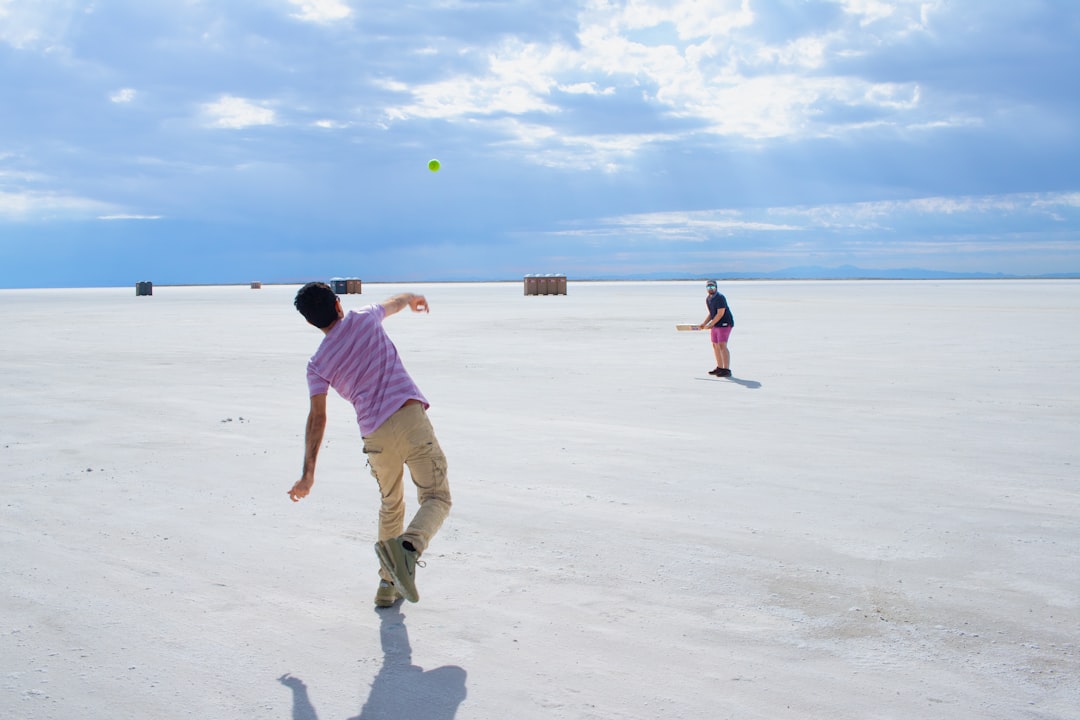
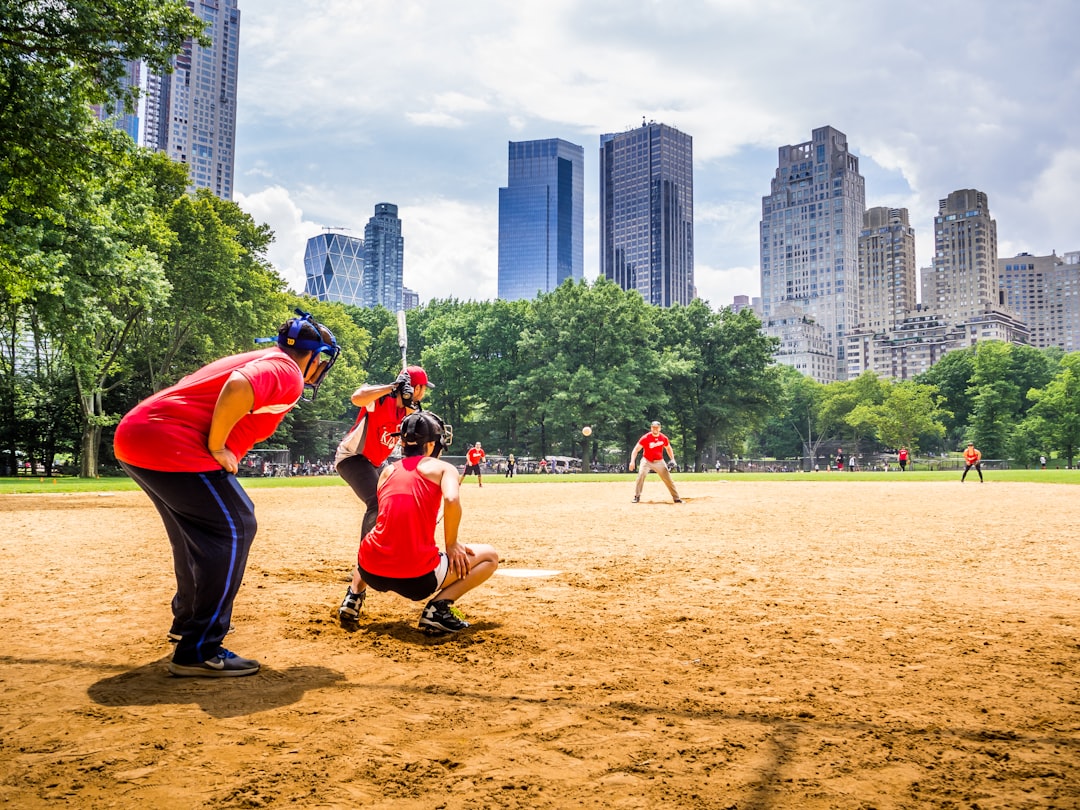
This is the category most adults completely ignore, and it might be the most important one. Play-based movement — throwing, catching, swinging, sprinting in unpredictable directions — trains your nervous system in ways that structured exercise never touches. It builds reaction time, rotational power, hand-eye coordination, and lateral agility. These are the qualities that keep you athletic, not just fit.
Last month, I brought a BLITZBALL Torpedo set to a family barbecue, and what started as a casual toss turned into a two-hour session of diving catches, sprinting routes, and rotational throwing mechanics. My obliques were sore for three days afterward — from playing. That’s the beauty of it. You’re not counting reps or watching a clock. You’re moving with intention and joy, and your body reaps the benefits without the mental fatigue of a structured workout.
If you want to add batting practice to the mix — and honestly, rotational power training is something almost every adult is deficient in — grab a set of SMUSH BALLS soft foam baseballs. They’re regulation size but made of forgiving foam, which means you can take full swings in the backyard without worrying about broken windows or bruised catchers. Swinging a bat builds rotational core strength, hip mobility, and posterior chain power that transfers directly to everyday activities like golfing, gardening, or picking up a toddler without tweaking your back.
4. Mobility and Active Recovery
Every movement portfolio needs a counterbalance to high-intensity work. This is where mobility training, yoga, and active recovery come in. I’m not talking about gentle stretching — I’m talking about deliberate, full-range movement that maintains joint health, fascial elasticity, and neuromuscular connection.
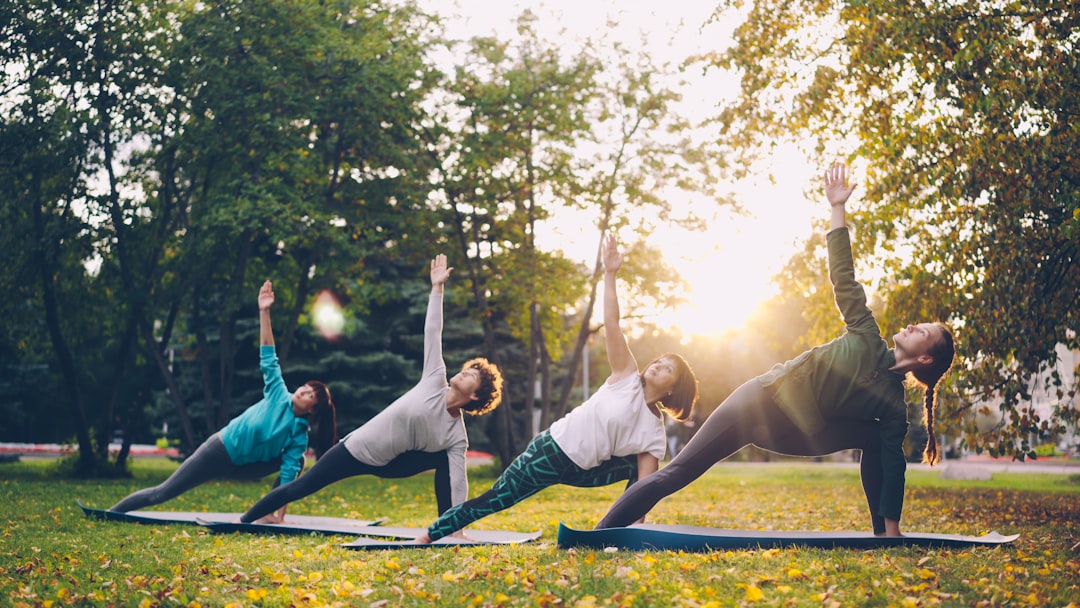
The CRZ YOGA Seamless Racerback Tank has earned a permanent spot in my rotation for these sessions. The seamless construction means no chafing during floor-based flows, and the breathable fabric handles the heat that builds during longer mobility sequences. Whether I’m doing a 20-minute hip opener sequence or an extended yoga flow on the patio, this top moves with me rather than against me.
Active recovery isn’t just about what you do during the session — it’s also about how you support your body between sessions. I’ve written before about the recovery tools I use daily, and compression wear has earned its place alongside foam rollers and mobility work in that toolkit. I’ve been wearing copper-infused compression socks on long teaching days and after hard training blocks. The graduated compression improves venous return, which means metabolic waste clears faster and fresh blood delivers repair nutrients more efficiently. Are they a miracle cure? No. But they make a measurable difference in how my legs feel the morning after a heavy training day, and the research on compression therapy for recovery is solid enough that I consider them a legitimate tool, not a gimmick.
5. Strength Training — The Anchor
Variety doesn’t mean abandoning structured strength work. It means making strength training one pillar of your program rather than the entire foundation. Two to three focused lifting sessions per week, built around compound movements, creates the structural strength that supports everything else.
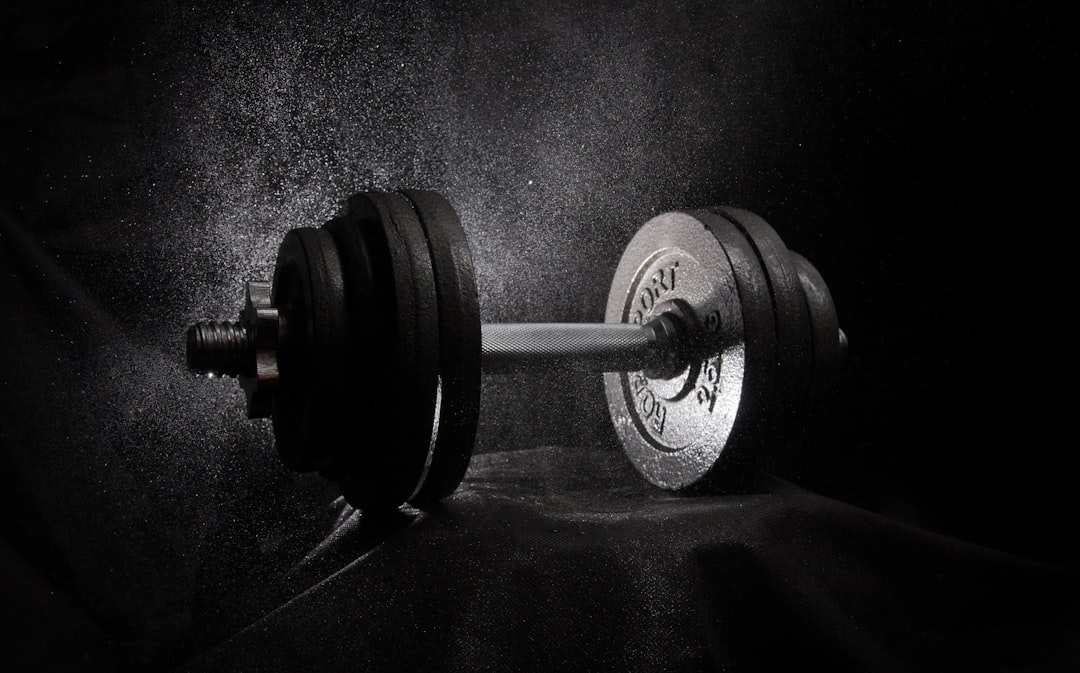
If you’re training at home or in a garage gym, simple additions can make a big difference. I’ve been using DMoose Fitness Barbell Clips for months now, and while collar selection might seem trivial, these are genuinely excellent. The quick-release mechanism is fast and secure, the anti-slip grip holds plates firmly even during dynamic movements, and the build quality feels like something that will last decades. When you’re moving heavy weight, you want to know your plates aren’t going anywhere — and these deliver that confidence without fumbling with screw-type collars that slow down your workout.
The Support Systems That Make It All Work
Beyond the gear for specific activities, there are a few universal supports that every movement portfolio benefits from. These are the things that sit in the background of your routine, quietly making everything else work better.
Hydration Infrastructure
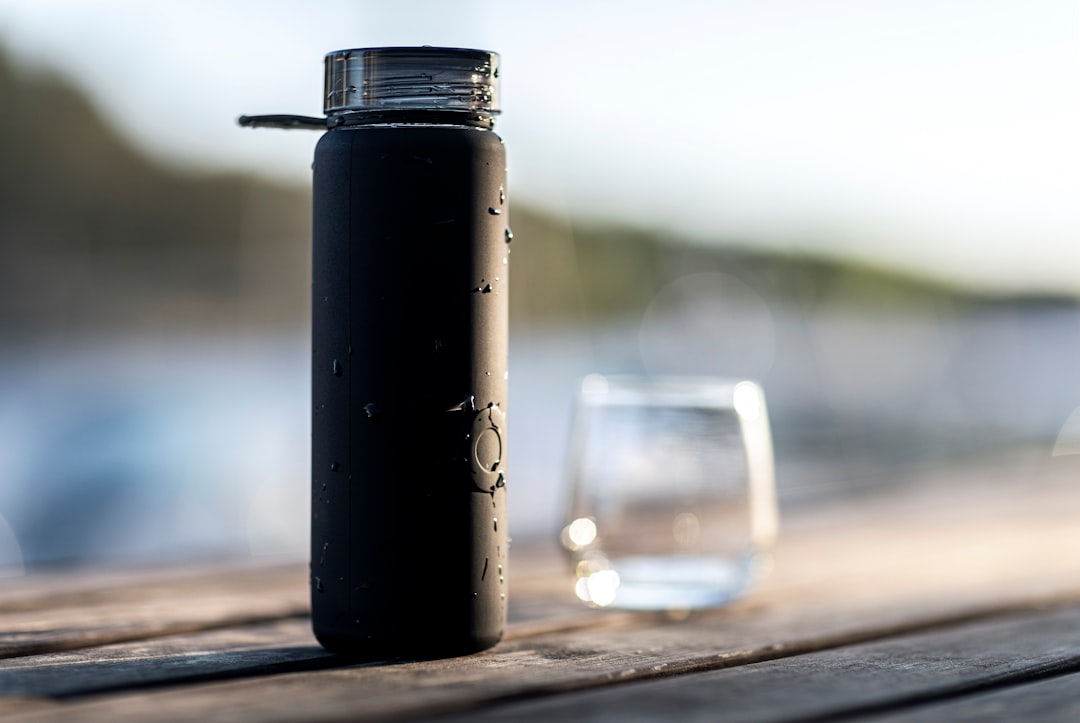
If there’s one non-negotiable in summer training, it’s hydration. Dehydration as mild as 2% of body weight measurably degrades performance, cognitive function, and recovery. I keep a YETI Rambler 18 oz Bottle within arm’s reach all day — in the gym, on the trail, at my desk, beside my bed. The vacuum insulation keeps water cold for hours, even in direct summer sun. It sounds simple, but having a bottle that actually keeps your water cold changes how much you drink. Cold water is more appealing, you drink more of it, and your hydration game improves without forcing it.
Nutritional Support
Summer means more sun exposure, which is great for natural vitamin D synthesis — but many of us still fall short, particularly if we spend most daylight hours indoors. I’ve been supplementing with Vitamin D3 + K2 gummies (10,000 IU D3 with 200mcg K2) because the D3/K2 combination is one of the most well-researched supplement pairings in modern nutrition science. Vitamin K2 directs calcium to bones and teeth where it belongs, rather than letting it deposit in arteries. The gummy format makes it consistent and easy — no pills to forget.
Air Quality and Recovery
One often-overlooked factor in training recovery is the air you breathe while sleeping. Poor indoor air quality — dust, allergens, pet dander — increases systemic inflammation and degrades sleep quality, which directly impacts recovery. I added an AromaRoom Air Purifier with True HEPA 13 filtration to my bedroom this spring, and the difference in sleep quality — particularly during high-pollen weeks — has been noticeable enough that I recommend it to every client who struggles with morning congestion or allergy-related sleep disruption.
Making It Work Together: A Sample Summer Week
Here’s how this looks in practice. This is an actual week from my current training log, combining all five movement categories:
- Monday: 4-mile road run in the Nike Revolution 8s (linear cardio)
- Tuesday: 45-minute strength session — squats, presses, rows. DMoose clips on the barbell (strength anchor)
- Wednesday: 30-minute yoga flow on the patio in the CRZ YOGA tank (mobility and active recovery)
- Thursday: Pool snorkeling session, 40 minutes (water-based movement)
- Friday: Strength session — deadlifts, pull-ups, core work (strength anchor)
- Saturday: Backyard BLITZBALL session with friends, 60-90 minutes (play-based movement)
- Sunday: Long walk, compression socks on, gentle mobility before bed (active recovery)
Notice what’s missing? There’s no day where I’m doing the same type of work two days in a row. Each session challenges a different system, which means the previous day’s system gets to recover while the next one gets stimulated. This is the fundamental principle of cross-training, and it’s why athletes who train across modalities can handle higher overall training volumes without burning out.
Why Prime Day Timing Actually Matters
I’ll be honest — I’m not someone who gets excited about shopping events. But Amazon Prime Day (running June 23–26 this year) does represent a genuine opportunity to build out your movement portfolio at a discount. The products I’ve mentioned here are all on the promotional pricing list, which means waiting until Prime Day to pull the trigger could save you 15–40% across the board.
My advice? Build your wishlist now. Figure out which movement categories are missing from your current routine, identify the gear that would unlock them, and save those product pages. When the pricing drops, you’ll be ready to move — literally and figuratively.
The bottom line is this: your body is designed for varied, diverse, joyful movement. If you found this helpful, you might also enjoy my deep dive into rucking as a summer fitness trend — it’s another excellent way to add movement variety to your weekly routine. Not just squats and treadmills. Not just yoga and walking. The full spectrum — running, swimming, throwing, lifting, stretching, playing. When you give it that variety, it responds with strength, resilience, and energy that no single workout modality can produce. I learned that lesson across seven track events, and it’s held true through every stage of life since. Summer is the easiest time of year to put it into practice. All you need is the right gear and the willingness to try something different.
Your movement portfolio starts now. Make it count.



One comment on “Beyond the Barbell: Why Movement Variety Beats Any Single Workout This Summer”