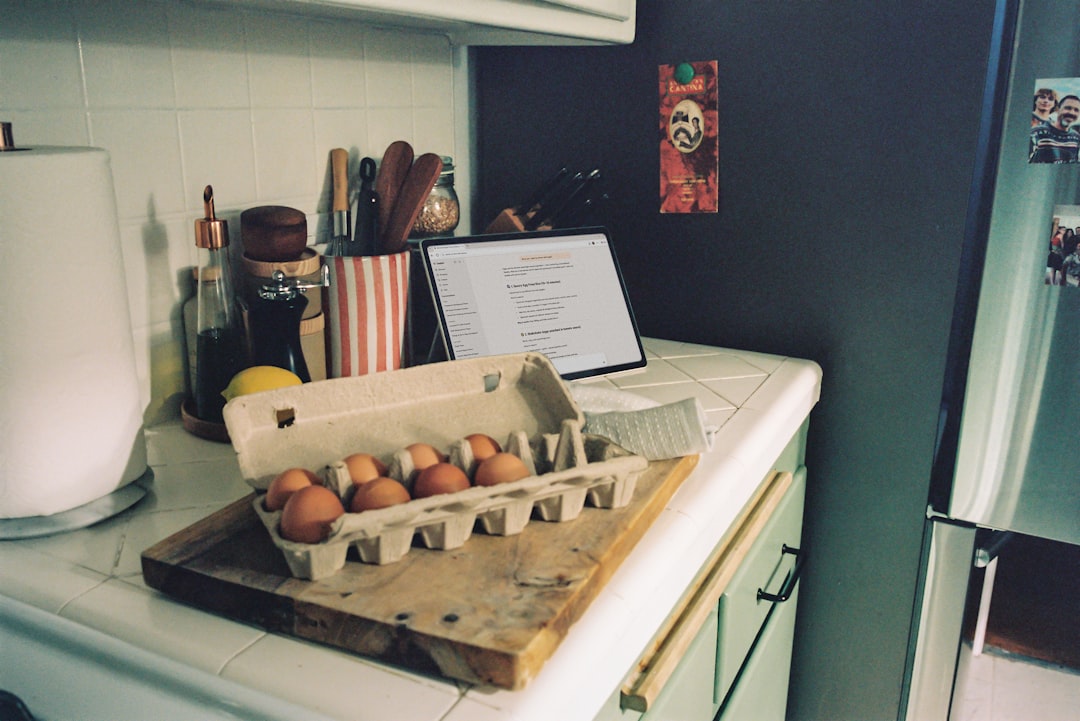
After spending countless Sunday afternoons chopping vegetables until my wrists screamed, I finally admitted something had to change. Like many of you, I’d jumped on the meal prep train with boundless enthusiasm, only to find myself drowning in Tupperware containers and dreading the hours-long kitchen marathons. The irony wasn’t lost on me—I was trying to improve my health, but the process was making me miserable. That’s when I discovered that having the right kitchen wellness tools isn’t just about convenience; it’s about making healthy eating sustainable for the long haul.
Over the past two years, I’ve tested dozens of gadgets, gizmos, and appliances that promised to revolutionize my healthy cooking routine. Some landed in the donate pile within weeks, while others have become absolute non-negotiables in my kitchen. The difference between meal prep feeling like a chore and feeling like a self-care ritual often comes down to having equipment that works with you, not against you. Let me walk you through the tools that have genuinely transformed my relationship with nutritious cooking.
Why Your Kitchen Tools Matter for Wellness Goals
Before we dive into specific products, let’s talk about why this stuff actually matters. When I first started my health journey, I thought toughing it out with dull knives and flimsy containers was part of the process—like some weird culinary hazing ritual. But here’s what I’ve learned: every friction point between you and a healthy meal is an excuse waiting to happen. That dull knife? Suddenly ordering takeout seems more appealing. Those containers that leak in your bag? Suddenly packing lunch feels like more trouble than it’s worth.
The right tools remove friction. They make chopping vegetables satisfying instead of frustrating. They make storing meals secure instead of stressful. They make blending smoothies effortless instead of a workout in itself. When your kitchen supports your goals instead of sabotaging them, consistency becomes dramatically easier. And in nutrition and wellness, consistency is absolutely everything.
The Foundation: Knives That Actually Work
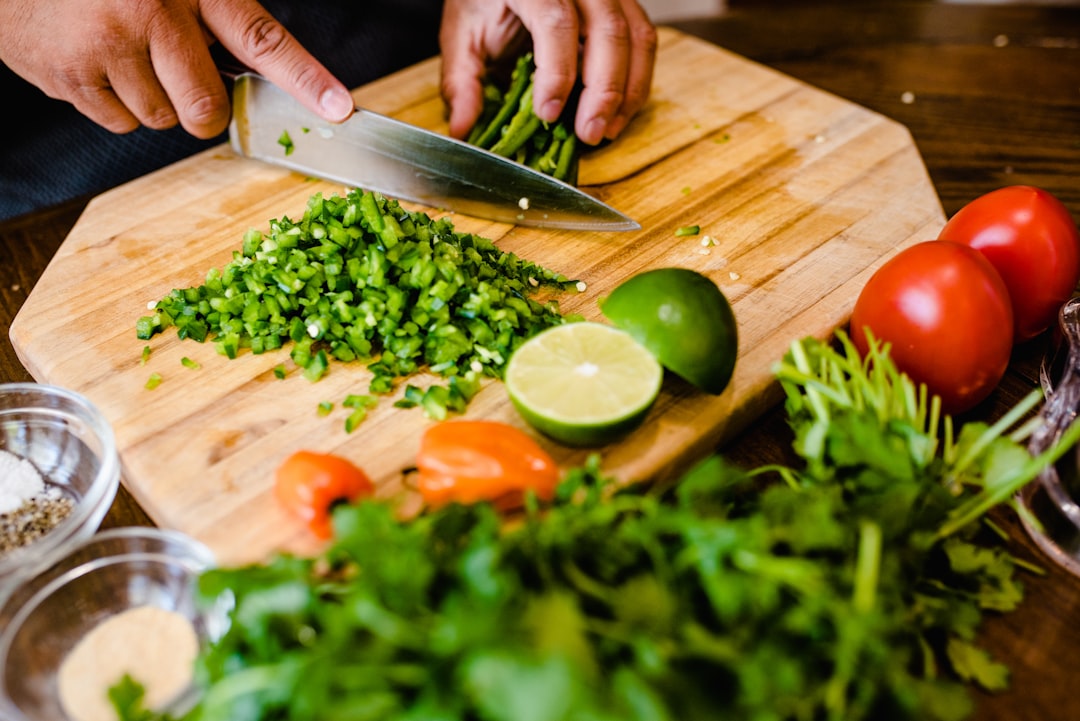
If there’s one investment that transformed my cooking experience, it’s a genuinely good knife. For years, I made do with whatever cheap set came with my apartment, constantly re-sharpening and still hacking through tomatoes like they were made of rubber. Then I invested in a high-quality chef’s knife, and it was like someone flipped a switch. Chopping went from being my most dreaded task to something I genuinely enjoy.
The difference isn’t just sharpness—it’s control. A good knife lets you work efficiently without fighting the tool. Your hand doesn’t cramp after five minutes. You can actually focus on technique instead of force. I recommend starting with an 8-inch chef’s knife as your all-purpose workhorse. It should feel balanced in your hand, not too heavy at the blade or handle. The weight should be distributed evenly, so the knife practically does the work for you.
For those who want to take their knife game further, adding a paring knife for detailed work and a serrated knife for bread and tomatoes creates a versatile trio that handles 95% of kitchen tasks. Trust me, your wrists will thank you.
Storage Solutions That Keep Food Fresh (and Your Mind Clear)
There’s a particular kind of heartbreak that comes from opening your lunch bag to discover that your beautifully prepped salad has turned into a sad, soggy mess. I’ve been there more times than I care to admit, usually at the most inconvenient moments—like right before an important meeting when I realize my lunch is now inedible. That’s why finding the right storage system wasn’t just about organization; it was about protecting my investment of time and energy.
Glass containers became my game-changer for several reasons. First, they don’t retain odors or stains, so your container doesn’t taste like last week’s garlic-heavy pasta sauce. Second, they’re microwave-safe without any concerns about chemicals leaching into your food when reheated. Third, you can see exactly what’s inside at a glance, which sounds minor but eliminates that “mystery container” anxiety in the back of the fridge.
I recommend a set with multiple sizes—small for sauces and sides, medium for individual meals, and large for batch-cooked components like grains or roasted vegetables. Look for containers with locking lids that create an actual seal. There’s nothing worse than a container that leaks dressing all over your bag, turning your backpack into a vinegar-scented disaster zone. Don’t ask me how I know.
The transparency of glass also helps with food waste reduction, which is quietly one of the biggest wellness wins you can achieve. When you can actually see what’s in your containers, you’re more likely to use it before it goes bad. Your wallet and the planet will both thank you.
Batch Cooking Appliances That Save Hours Every Week
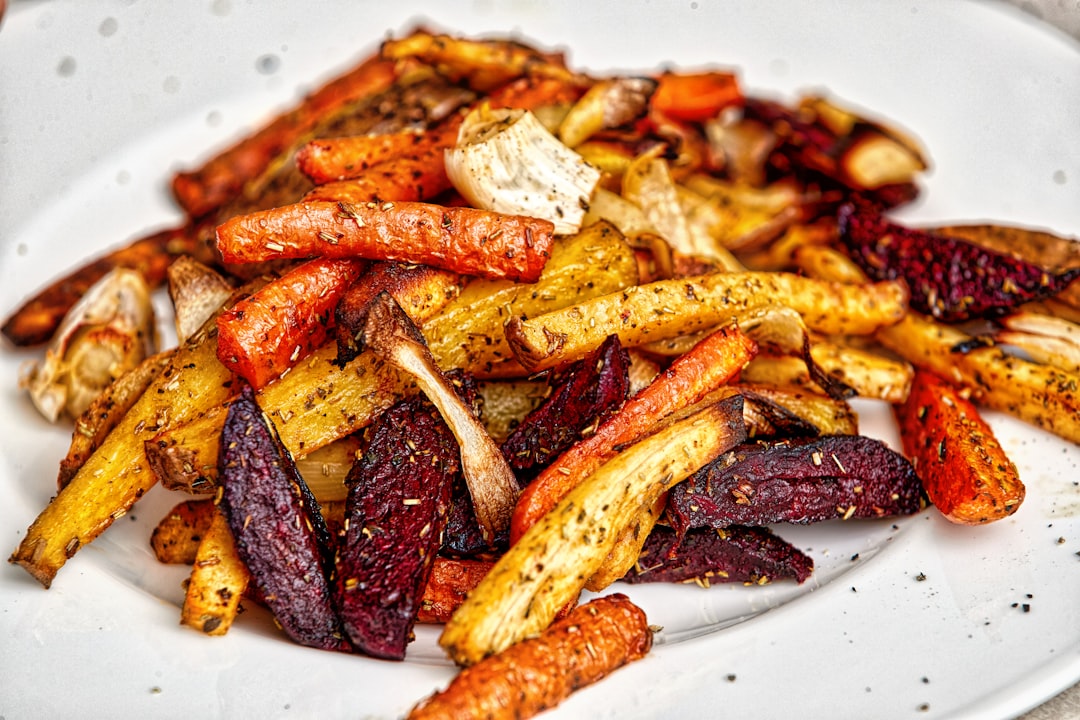
The single biggest shift in my meal prep game came when I embraced appliances that could do the work for me. My air fryer, initially purchased on a whim during a sale, has become arguably my most-used kitchen tool. It turns roasted vegetables from a 45-minute, attention-intensive endeavor into a 15-minute set-it-and-forget-it situation. Crispy chickpeas? Perfect sweet potato fries? Even roasted Brussels sprouts that actually taste good? All possible with minimal effort.
What makes the air fryer particularly powerful for meal prep is its consistency. Oven roasting can be finicky—temperatures vary, positioning matters, and things can go from perfect to burnt in minutes. The air fryer creates that perfect crispy exterior while keeping interiors tender, batch after batch. I can roast three different types of vegetables in under 20 minutes, each seasoned exactly how I like them, with practically no active cooking time.
Similarly, a high-speed blender has revolutionized my morning routine. I’m not talking about those cheap models that leave your smoothie chunky or overheat after 30 seconds. I mean a blender that can actually handle frozen fruit, leafy greens, nuts, and seeds without protest. The difference in texture and consistency is staggering. A well-blended smoothie feels like a treat, not a punishment, which makes it infinitely easier to stick to healthy breakfast habits.
For those who take their meal prep seriously, a slow cooker or Instant Pot can batch-cook proteins, grains, and soups with minimal active effort. Throw in ingredients in the morning, come home to a fully cooked meal. The time savings add up quickly, and the hands-off nature means you’re not tied to the stove for hours on end.
Prep Tools That Make Chopping Less Chore-Like
Here’s where I’ll admit something: I used to roll my eyes at vegetable choppers and spiralizers. They seemed like unnecessary gadgets for people who couldn’t be bothered to use a knife properly. Then I tried one during a particularly exhausting week when the thought of chopping another onion made me want to cry, and I completely changed my tune.
A good vegetable chopper doesn’t replace knife skills—it complements them. For high-volume chopping tasks that don’t need precision (think onions for sauce, potatoes for hash, vegetables for stock), a chopper can cut your prep time dramatically. I’m talking 75% faster in some cases. The onion-chopping alone has probably saved me hours of teary-eyed misery over the past year.
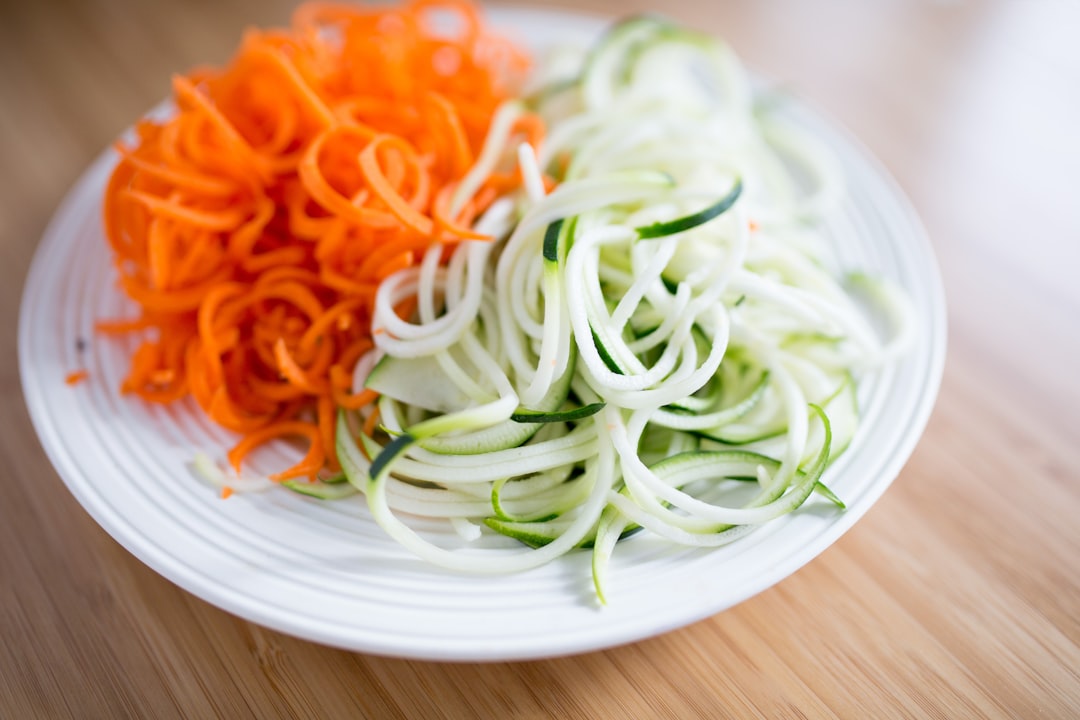
Spiralizers, while more specialized, have opened up entirely new meal possibilities. Zucchini noodles, sweet potato spirals, carrot ribbons—suddenly vegetables become pasta-like vehicles for sauces and toppings. It’s not that vegetables are trying to be pasta (they’re not, and that’s okay). It’s that spiralizing transforms textures and makes vegetables more interesting to eat. When you’re bored with salads but want something fresh, spiralized vegetables with a protein-packed sauce hits exactly the right note.
The key with prep tools is choosing quality over quantity. One or two genuinely useful tools will get far more use than a drawer full of single-purpose gadgets that gather dust. Focus on tools that solve your specific pain points, whether that’s chopping efficiency, portion control, or vegetable variety.
Measuring and Portion Control Made Simple
Here’s something nobody tells you about healthy eating: your eyes are terrible at judging portions. Mine certainly are. What looks like a reasonable tablespoon of peanut butter is often closer to three when I actually measure it. Over time, those little inaccuracies add up, whether your goal is weight loss, muscle gain, or just eating in a way that fuels you properly.
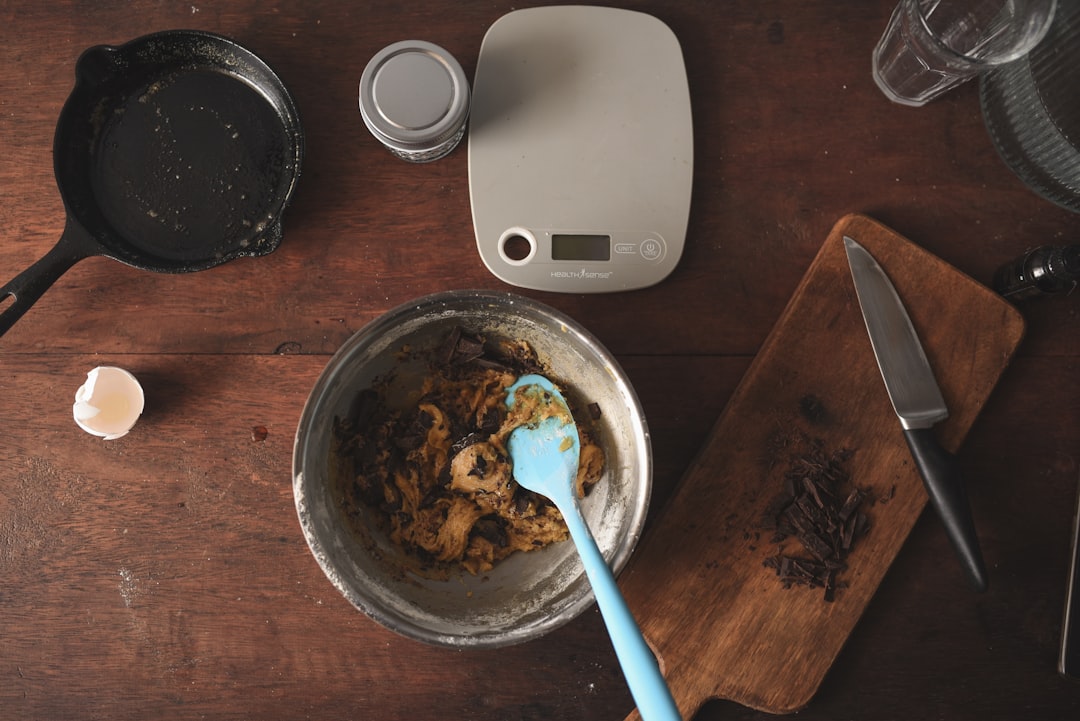
That’s why having a good kitchen scale became unexpectedly crucial for my wellness journey. It’s not about obsession or restriction—it’s about awareness. Knowing what an actual serving size looks like has been eye-opening. I’m not rigid about it—some meals are still eyeballed, and that’s fine—but having the option to measure accurately has improved my relationship with food in unexpected ways.
Measuring cups and spoons, while basic, are equally important. Baking without them is a disaster, but cooking with them creates consistency. When you find a recipe you love, measuring ensures you can recreate it exactly. There’s nothing more frustrating than nailing a dish once and never being able to replicate it because you were too casual with the measurements the first time.
For those tracking macros or calories, a digital scale is practically essential. But even if you’re not tracking in detail, understanding portion sizes helps you make informed choices. Knowledge, as they say, is power.
Cleaning and Maintenance Tools That Keep You Consistent
Here’s the unglamorous truth about meal prep: the cleanup can be just as time-consuming as the cooking itself. And if you dread the cleanup, you’ll skip the cooking. It’s that simple. Investing in tools that make cleanup faster and less miserable has been crucial for my consistency.
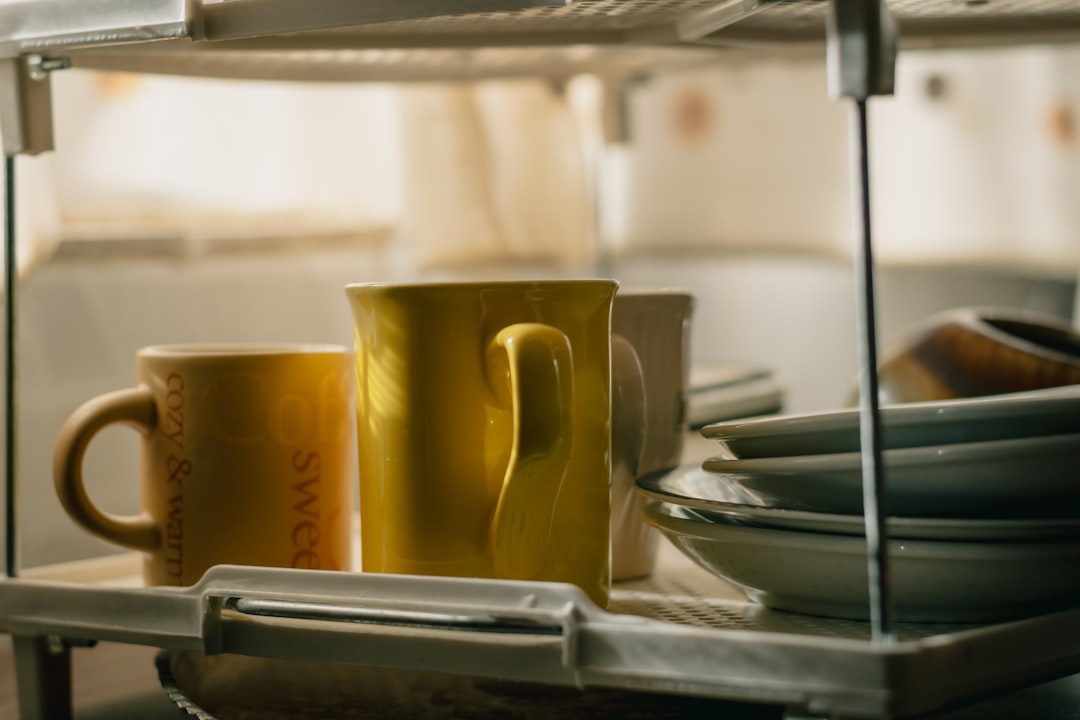
A good dish drying rack might not seem like a wellness tool, but hear me out. When your rack is well-designed, dishes dry properly without developing that musty smell or needing to be towel-dried. When containers are organized and accessible, you’re more likely to actually use them. Small frustrations compound over time, and having a rack that holds everything without tipping over or leaving water puddles on your counter matters more than you’d think.
Similarly, quality dish soap and a good sponge or brush make the actual cleaning process less awful. I know, I know—it’s just dish soap. But when you’re facing a sink full of containers after three hours of meal prep, having tools that work well makes the difference between “this is manageable” and “I’m never doing this again.”
For those who use appliances like blenders or food processors, cleaning brushes designed specifically for those tools can save massive amounts of time. A brush that actually reaches blender blades without risking your fingers is worth every penny. Same with bottle brushes for narrow containers and scrubbers with good grip for slippery containers.
Building Your Toolkit Gradually (Without Breaking the Bank)
Here’s the thing about kitchen tools: you don’t need to buy everything at once. In fact, I recommend against it. Start with the basics—a good knife, a few quality containers, maybe one appliance that addresses your biggest pain point. Use those for a few weeks and notice what else would make your life easier. Then add strategically.
This gradual approach has two benefits. First, it spreads out the cost, making high-quality tools more accessible. Second, it helps you identify what you actually need versus what seems useful in theory but doesn’t match your cooking style. I’ve definitely purchased gadgets that seemed brilliant but didn’t align with how I actually cook. Starting small and building up prevents those expensive mismatches.
Quality matters more than quantity. One excellent knife will outperform a mediocre knife set. One reliable blender will get more use than three specialized appliances you rarely pull out. Focus on tools that solve your specific problems, upgrade gradually, and don’t be afraid to invest in pieces you’ll use daily. The cost-per-use on a knife you use every single day is actually quite reasonable, even if the upfront cost feels high.
Watch for sales on higher-end items, but don’t compromise on quality for the tools you use most. Your hands, your time, and your frustration level are all worth the investment.
The Bottom Line: Tools That Support Your Wellness Journey
After years of experimentation, I’ve learned that kitchen wellness tools aren’t about having a perfect, Instagram-worthy setup. They’re about removing the friction between you and your health goals. Every time a tool makes chopping faster, storage more secure, or cleanup less dreadful, it makes choosing healthy meals that much easier.
The best toolkit is the one that matches your specific needs, cooking style, and goals. Maybe that’s a full suite of appliances and gadgets. Maybe it’s just one really good knife and some reliable containers. There’s no right answer—only what works for you and your life.
Start where you are, upgrade what causes the most frustration, and remember that every investment in your kitchen is an investment in your long-term health. The right tools won’t magically make healthy eating effortless, but they’ll make it significantly more sustainable. And sustainability is what actually creates lasting change.
Your wellness journey deserves a kitchen that supports you, not sabotages you. Choose tools that make healthy choices the easy choices, and watch how consistency follows naturally.
More Health & Wellness Resources:
- Best Recovery Tools for 2026 – Complete guide to faster muscle recovery
- AI-Powered Nutrition Tracking Devices 2026 – Smart tools that actually work
- Best GLP-1 Companion Products 2026 – Support your weight loss journey



2 Comments on “Best Kitchen Wellness Tools for Healthy Meal Prep 2026: Essential Gadgets That Make Nutritious Cooking Effortless”