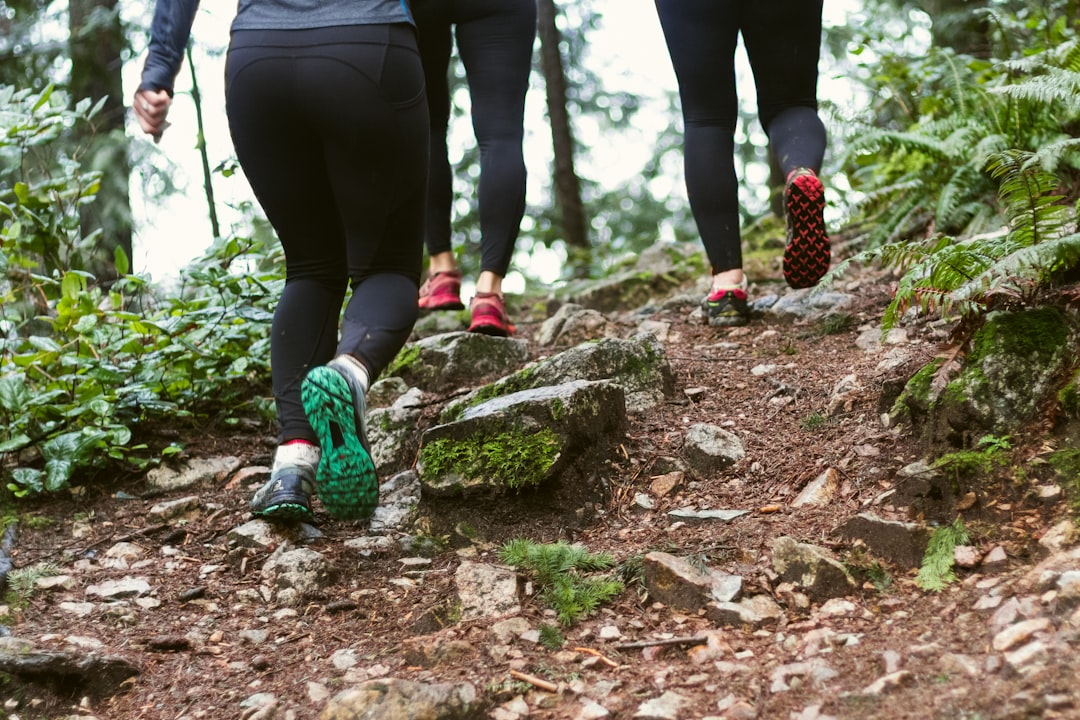
I used to think walking was the warm-up, not the workout. That was before I loaded thirty pounds onto my back and spent a Saturday morning covering five miles of trails near my house. By the time I got home, my legs were trembling, my shirt was soaked, and I felt the kind of deep satisfaction that usually follows a brutal gym session. That was my first ruck, and I haven’t looked at walking the same way since.
Rucking — the deceptively simple act of walking with a weighted backpack — has exploded in popularity this year, and for good reason. It burns two to three times more calories than regular walking, builds serious lower-body and core strength, and does it all with a fraction of the joint impact that running delivers. Military personnel have used loaded marching as a fitness cornerstone for decades, and now the rest of us are catching on. If you’ve been looking for a way to get stronger and fitter this summer without destroying your knees, this might be exactly what your routine has been missing.
Why Rucking Works So Well
The beauty of rucking lies in its elegant brutality. You’re just walking — something your body was designed to do — but the added weight transforms every step into a full-body challenge. Your glutes, hamstrings, quads, and calves all fire harder to move the load. Your core engages constantly to stabilize your spine. Even your upper back and shoulders work overtime to support the pack. It’s strength training and cardio wrapped into one low-impact package.
Research on military load carriage shows that regular weighted walking significantly increases bone density, making it one of the smartest longevity exercises you can do. Peter Attia, the longevity physician whose work I’ve followed for years, has called rucking “the most underestimated exercise for people who want to live independently at age sixty.” Those are strong words from someone who evaluates every protocol through the lens of a ten-year outcome — and it lines up with what I found when I took those five physical longevity tests earlier this spring.
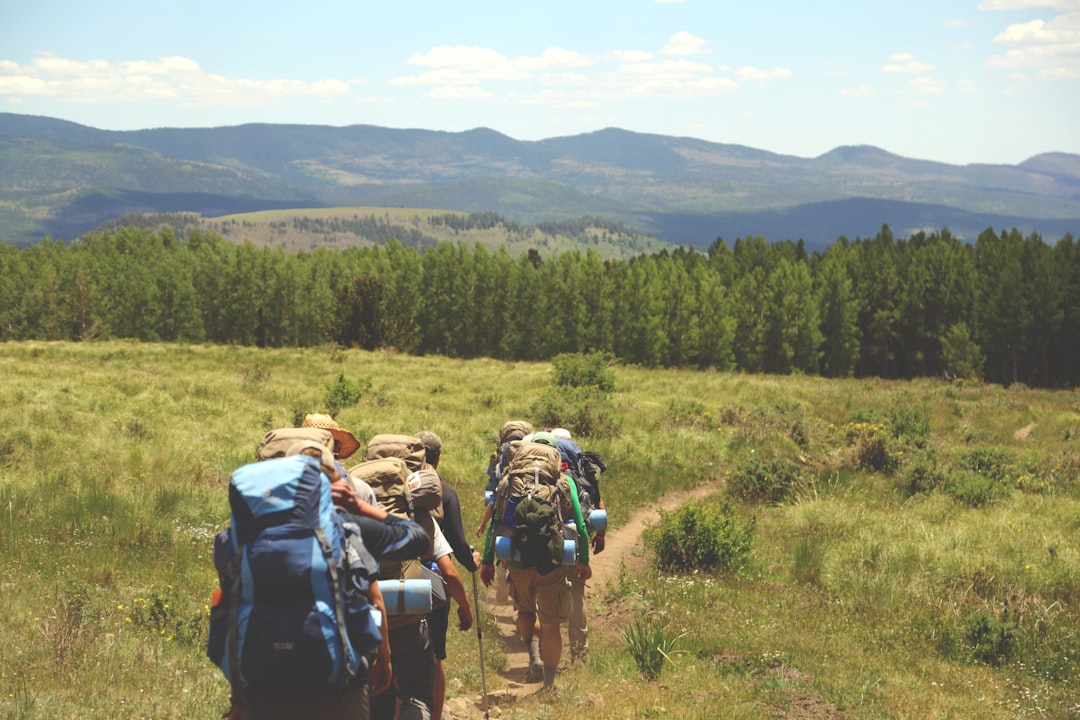
For women specifically, rucking offers something truly special: the weight-bearing stimulus that builds bone density without the high-impact forces that running places on joints. As someone who spent years sprinting and jumping on the track, I wish I had known about this sooner. My hips and knees would have thanked me. You can explore rucking backpacks and weighted vests on Amazon to see the range of options available.
Getting Started: What You Actually Need
One of the things I love most about rucking is that the barrier to entry is remarkably low. You don’t need a gym membership, expensive machines, or a perfectly programmed workout split. You need a backpack, some weight, and a pair of decent shoes. That said, having the right gear makes the experience dramatically more comfortable and effective — and keeps you from quitting after the first week because your shoulders are screaming.
The Backpack Situation
Your old college bookbag is not going to cut it. Trust me, I tried. The straps dug into my shoulders, the weight bounced against my lower back with every step, and by mile two I was fantasizing about dropping the whole thing in a ditch. A proper rucking backpack or a well-designed tactical pack distributes weight across your hips and shoulders evenly, which is the difference between an invigorating workout and a torture session.
I recommend looking at tactical rucking backpacks designed for weighted carries — they’re built to handle heavy loads, they have padded hip belts that transfer weight off your shoulders, and they last forever. Brands like GORUCK pioneered the category, but there are excellent options at every price point now.
What to Put Inside
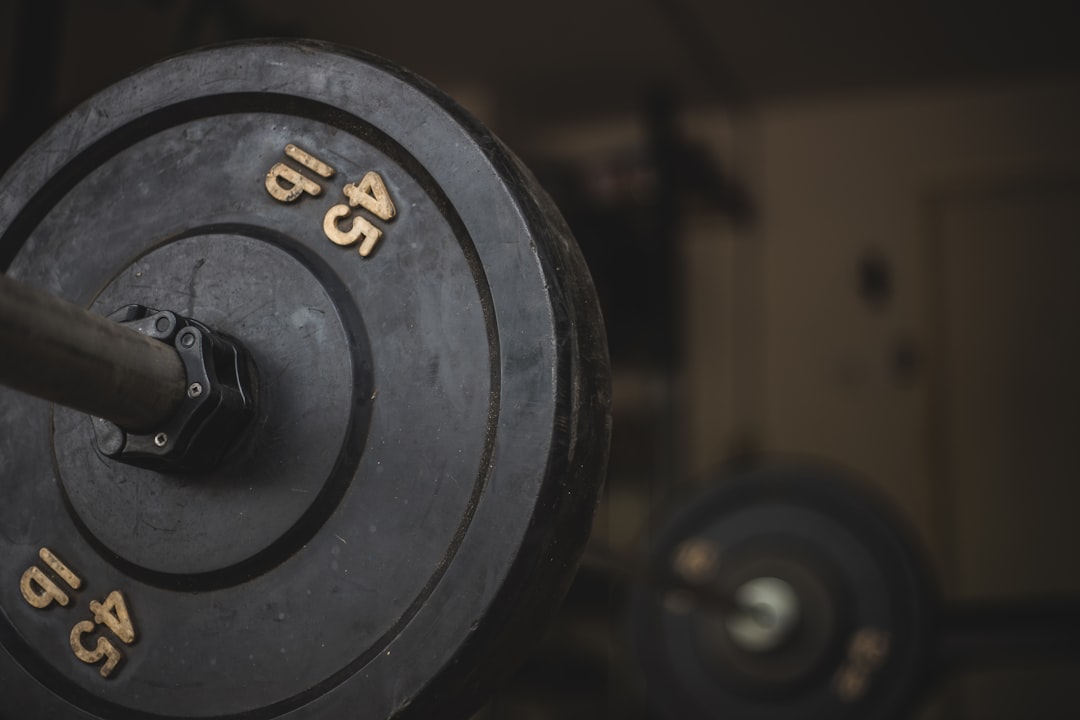
You can start with whatever you have around the house — dumbbells wrapped in a towel, bags of rice, even water bottles. But once you commit to rucking regularly, you’ll want purpose-built ruck plates. They’re slim, dense, and designed to sit flat against your back so the weight doesn’t shift around while you walk. A good starting weight is about ten percent of your body weight, working up to twenty percent over several weeks. You can find ruck plates in various sizes on Amazon to match your current fitness level.
Footwear Matters More Than You Think
When you’re carrying extra weight over distance, your feet take a beating. I learned this the hard way after a six-mile ruck in running shoes that offered zero lateral support. My arches ached for three days. Trail runners or lightweight hiking shoes with solid arch support and cushioning are your best bet. They handle varied terrain, absorb impact, and keep your feet happy mile after mile. Check out trail running shoes for rucking — the support and grip make a massive difference.

My First Month of Rucking: The Honest Breakdown
Week one was humbling. I loaded twenty pounds into my pack and set out on a three-mile loop through my neighborhood. By mile one, I was questioning my life choices. My upper back burned, my traps were on fire, and I could feel every extra pound with each step. But something interesting happened around mile two — my body started adapting. My posture found its groove, my breathing steadied, and I settled into a rhythm that felt almost meditative.
By week three, I had worked up to four miles with twenty-five pounds, and the transformation in my legs was noticeable. Stairs I used to trudge up, I bounded up. My standing posture improved because my core was getting a continuous workout just keeping me upright under the load. Even my regular gym sessions felt stronger — my squats and deadlifts had a new stability that I traced directly to the time I’d spent rucking. It reminded me of the core engagement I wrote about in my daily recovery tool piece — when your foundation is solid, everything built on top of it performs better.
Week four was when I fell in love with it. I started exploring trails I’d never bothered with before because walking them seemed too easy and running them seemed too hard. With a ruck on my back, they were perfect. I discovered a state park twenty minutes from my house that has become my Saturday morning sanctuary. There’s something deeply satisfying about covering real distance under load, through nature, with nothing but your own two feet and a pack full of iron.
The Science Behind Why You’ll Want to Keep Going
Here’s what hooked me from a physiology standpoint: rucking occupies this magical middle ground between walking and running that delivers the best of both worlds. Studies show that walking with weight equal to roughly twenty percent of your body weight burns about twice as many calories as unweighted walking at the same pace. That’s a significant bump without any additional joint stress.
But the calorie burn is almost secondary to the metabolic benefits. Weighted walking triggers a meaningful increase in growth hormone production, improves insulin sensitivity, and builds the kind of functional strength that translates directly into everyday life. Carrying groceries up three flights of stairs? Easy after a month of rucking. Helping a friend move a couch? No problem. It’s fitness that makes you more capable, not just more aesthetic.
The cardiovascular adaptation is real too. My resting heart rate dropped three beats per minute in just four weeks, and my recovery time between intervals improved noticeably. If you want to track your own progress, a heart rate monitor or fitness tracker is a great companion for rucking — you can watch your cardiovascular efficiency improve week over week.

Building Your Summer Rucking Routine
The beauty of summer is that it gives you the perfect excuse to take your workouts outside. I structure my rucking week around three sessions, and it’s been the most sustainable fitness routine I’ve ever built — and as a former heptathlete, I’ve tried a lot of routines.
On Tuesdays, I do a shorter, heavier ruck — about two and a half miles with thirty pounds. The focus here is pure strength endurance. I keep the pace moderate and concentrate on posture and core engagement. Thursdays are my distance day — four to five miles at a lighter weight, around twenty pounds. This builds aerobic capacity and gives me time to decompress mentally. Saturdays are my adventure rucks, where I explore new trails with twenty-five pounds and let the terrain dictate the intensity. Hills, gravel paths, uneven ground — it all adds challenge and keeps things interesting.
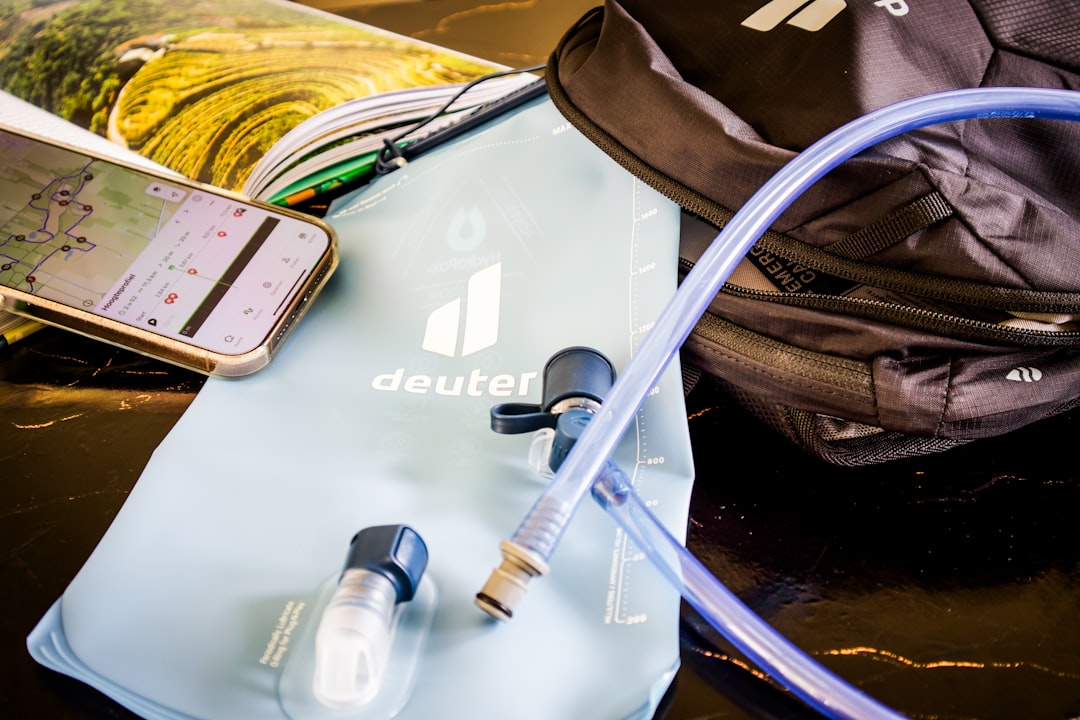
Hydration becomes critical when you’re rucking in summer heat. You’re carrying extra weight, which means your body generates more heat, and the pack itself traps sweat against your back. I always bring a hydration bladder or water bottle designed for hiking on every ruck over three miles. Dehydration will wreck your performance and your enjoyment faster than any amount of weight will.
A Simple Starter Protocol
If you’re brand new to rucking, here’s exactly how I’d have you start. Week one, grab a sturdy backpack and load it with ten percent of your body weight. Walk two miles at a brisk but comfortable pace three times that week. Don’t worry about speed — focus on keeping your chest up, shoulders back, and core engaged. If your lower back aches, lighten the load. If your shoulders hurt, adjust the straps so the weight sits higher on your back.
Each week, add either a half mile to your distance or five pounds to your pack — not both at the same time. Your body needs time to adapt to each variable independently. By week six, most people are comfortably carrying fifteen to twenty percent of their body weight for four or more miles, and the fitness gains are unmistakable. For padding and comfort during longer rucks, I added a set of shoulder strap pads that made a world of difference on longer sessions.
The Gear I Won’t Ruck Without
After months of testing, I’ve settled on a short list of gear that I consider essential for anyone serious about rucking. Beyond the backpack and weights, the items that have made the biggest difference for me are moisture-wicking shirts (cotton turns into a sponge under a ruck), quality wool socks that prevent blisters during longer sessions, and a simple waist belt phone pouch so I can access my music and tracking apps without unzipping my pack every time.
I also invested in a good pair of merino wool hiking socks after learning the hard way that regular athletic socks cause hotspots after mile three. The wool regulates temperature, wicks moisture, and provides enough cushion to keep your feet comfortable even when you’re carrying a load that makes every step deliberate. It’s a small investment that prevents a lot of misery.
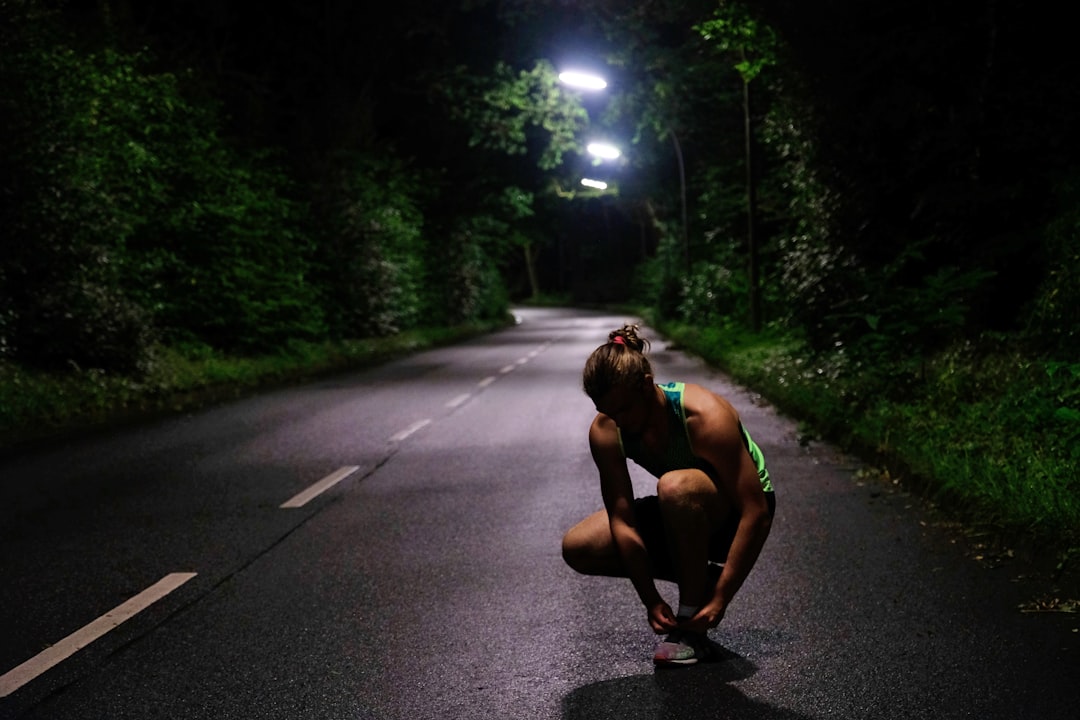
For evening rucks when the days get shorter, I clip a small LED chest light to my pack straps so cars can see me and I can see the path ahead. A rechargeable LED running light weighs almost nothing and adds a layer of safety that’s worth every ounce when you’re sharing roads or trails at dusk.
Why This Is the Summer to Start
I’ve spent my entire career chasing the most effective, sustainable ways to build fitness, and rucking has earned a permanent place in my weekly routine. It’s accessible, scalable, brutally effective, and — perhaps most importantly — genuinely enjoyable once your body adapts. There’s something primal and satisfying about covering distance under load, through real terrain, relying on nothing but your own strength and endurance.
This summer, skip the crowded gym and the monotonous treadmill. Load up a pack, find a trail, and discover what your body is truly capable of. If you need some inspiration for where to take your first ruck, check out these incredible trails in Sedona — they’d make an unforgettable first rucking destination. Your legs, your lungs, and your bones will thank you — not just this season, but for decades to come. And if you need help picking the right gear to get started, you can browse rucking starter gear on Amazon to find everything in one place. Trust me — one Saturday morning ruck is all it takes to understand why this trend isn’t slowing down.



One comment on “I Loaded 30 Pounds on My Back and Walked Five Miles — Why Rucking Is the Summer Fitness Trend Your Body Has Been Waiting For”