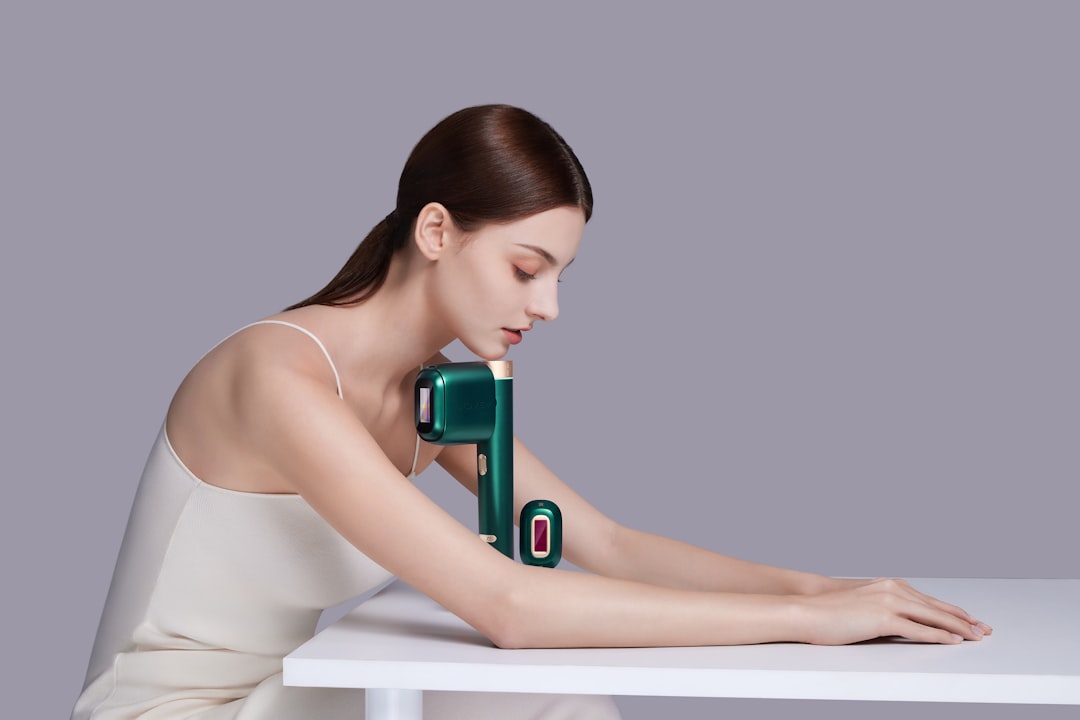
I used to be a two-device recovery person. Heating pad on the couch after heavy leg day, ice pack from the freezer wrapped in a dish towel when my knee flared up. If you’d told me a year ago that a single gadget could replace both — and deliver percussion therapy at the same time — I would have nodded politely and kept doing things the way I’d always done them.
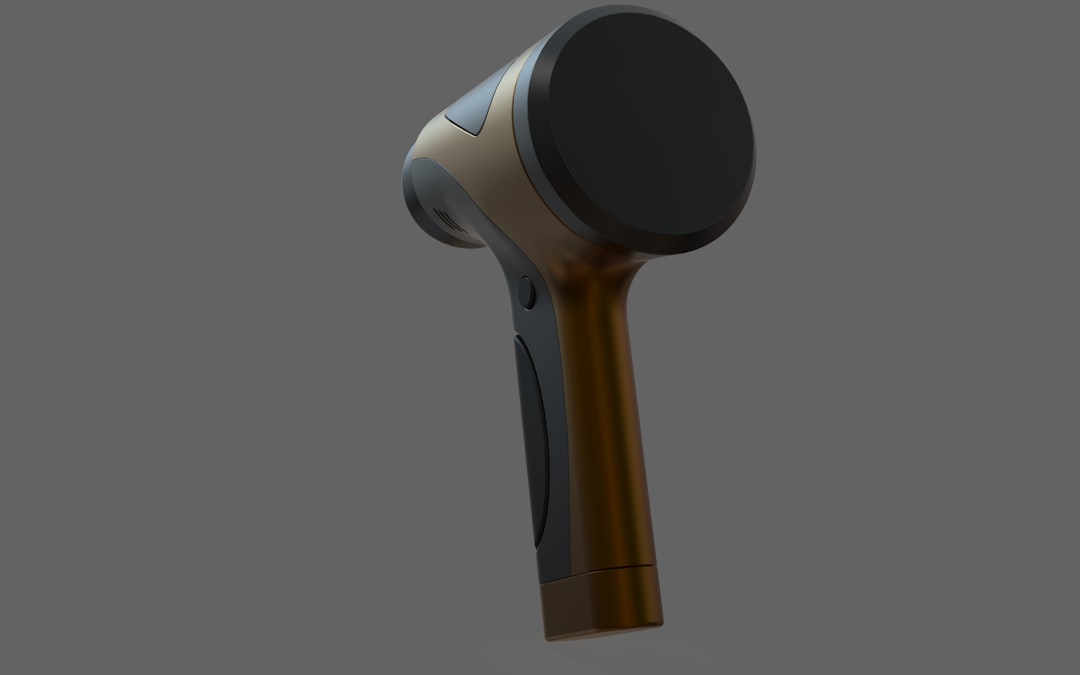
Then RENPHO released their Active Thermacool 2, and suddenly the entire hot-cold recovery category got a lot more interesting. I’m not talking about those gimmicky massage heads that claim “soothing warmth” but barely warm up. I mean a device that genuinely heats to 113°F and cools down to 46°F at the contact point, verified by actual temperature sensors — not marketing copy. That kind of thermal range, combined with serious percussion power, made me rethink everything I thought I knew about at-home recovery.
Why Thermoelectric Recovery Is the Next Big Thing
For decades, the recovery world operated on a simple principle: heat before activity, cold after. You’d spend twenty minutes with a warm towel to loosen up, then follow a hard session with an ice bath or frozen gel pack. It worked — sort of. But it required planning, patience, and honestly, a lot of stuff cluttering your bathroom cabinet. What thermoelectric technology does is collapse that entire workflow into a single device that switches between temperatures on demand.
The science behind contrast therapy — alternating between heat and cold to stimulate blood flow and reduce inflammation — has been well-established in sports medicine for years. Professional athletes have had access to contrast baths and specialized equipment for a long time. What’s changed in 2026 is that this technology has finally become portable, affordable, and genuinely effective for everyday people. You can find thermoelectric recovery devices on Amazon that deliver the kind of temperature control that used to require a full athletic training room. Whether you’re shopping for RENPHO’s latest thermoelectric models or exploring other brands, the options have expanded dramatically even in the last few months.
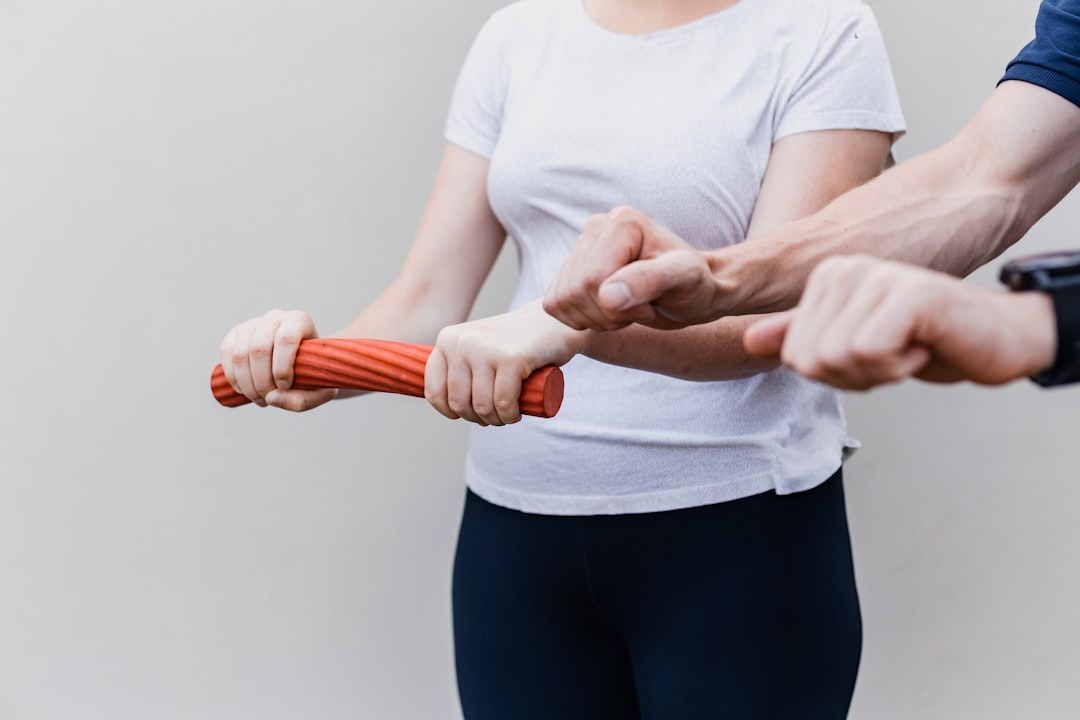
The reason this matters so much right now comes down to how we train. More people are pushing hard with hybrid programs — mixing strength, HIIT, running, and functional work — which means more cumulative stress on muscles and connective tissue. Traditional recovery tools address one piece of the puzzle. A foam roller works on tissue mobility. A standard massage gun hits percussion. An ice pack reduces inflammation. But thermoelectric devices combine multiple mechanisms simultaneously, and that synergy is where the real magic happens.
What It Actually Feels Like to Use One
I’ve been testing the RENPHO Active Thermacool 2 for about six weeks, and the first thing that surprised me was how immediate the temperature shift feels. Switch from heat to cold mode and within about fifteen seconds, the metal massage head drops to a genuine 46°F. That’s not “slightly cool.” That’s cold enough to make you flinch the first time, especially on sensitive areas like your Achilles or the IT band.
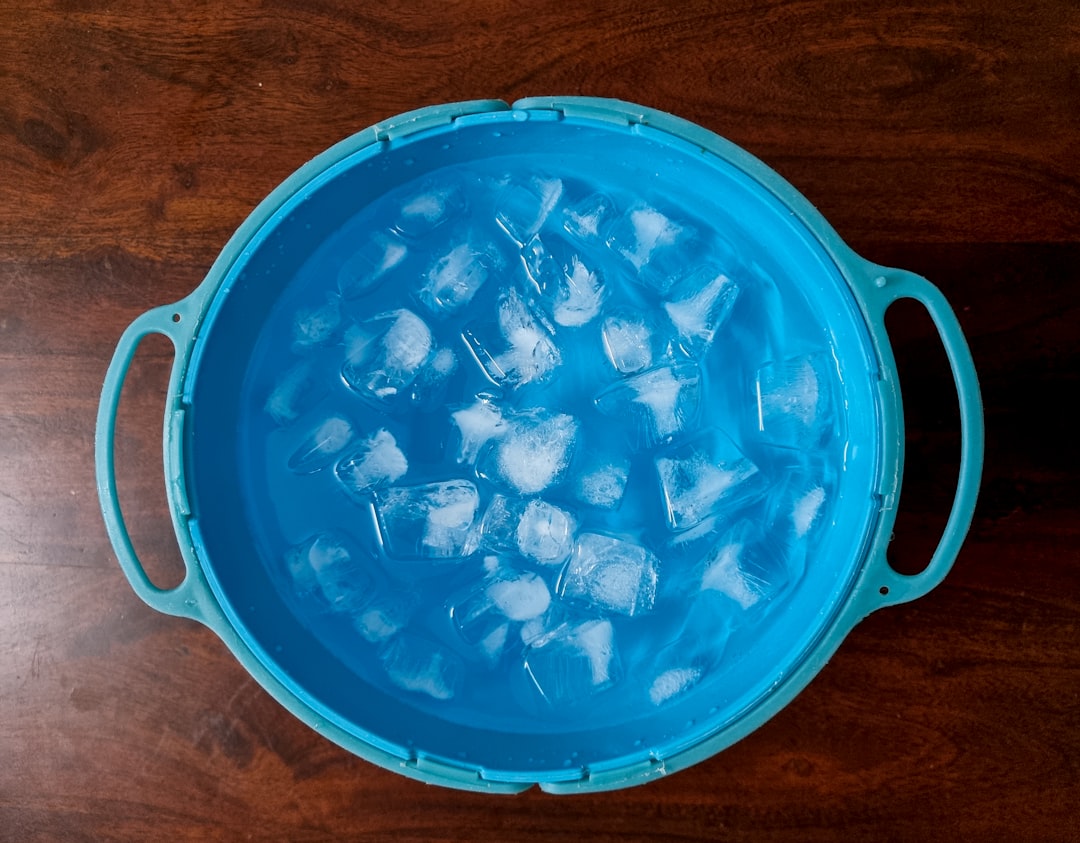
On the heat side, 113°F lands right in that therapeutic sweet spot — warm enough to increase local blood flow and relax tight fascia, but not so hot that it’s uncomfortable or risky. I’ve been using the heat setting on my hip flexors before morning runs, switching to cold percussion on my quads afterward, and the difference in how quickly my legs feel ready for the next session is noticeable. Not placebo-level noticeable. Actually noticeable.
The device earned an endorsement from the International Massage Association, which sounds impressive, but what sold me was something far more mundane: the brushless motor is genuinely quiet. I’ve used percussion devices that sound like a jackhammer and wake up everyone in the house. This one is quiet enough that I can use it while watching TV without reaching for the remote to crank up the volume. That might seem like a small thing, but when recovery becomes part of your daily routine, the noise factor matters more than you’d expect.
The Science of Combining Temperature and Percussion
Here’s what happens when you layer thermal therapy on top of percussive massage — and why it works better than either approach alone. Percussion therapy alone increases local blood flow through mechanical stimulation. It helps break up adhesions in the fascia and reduces perceived muscle soreness. Add heat, and you’re vasodilating blood vessels at the same time, which means more oxygenated blood reaching damaged tissue. Add cold, and you’re simultaneously reducing inflammation while the percussion mechanically flushes metabolic waste products out of the muscle.
This isn’t just theory. Studies published in the Journal of Sports Science and Medicine have shown that combining thermal and mechanical therapies produces greater improvements in range of motion and perceived recovery than either modality alone. The keyword there is “perceived” — how you feel matters because it influences whether you’re willing to train hard again the next day.
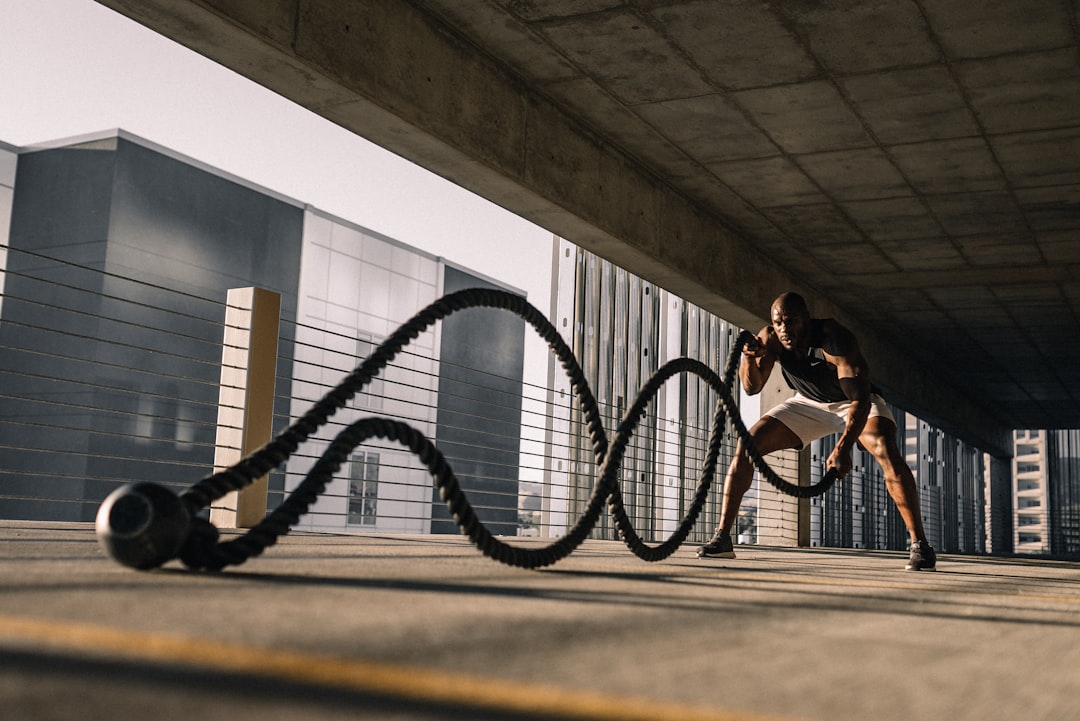
If you’re building out a more comprehensive recovery setup, I’d recommend pairing a thermoelectric device with compression therapy boots for full-leg recovery. I spent two months testing compression boots last year and wrote about it in detail — you can read my full compression boots review here. The combination of targeted percussion with temperature control for specific trouble spots, plus compression for broader lymphatic drainage, covers essentially every recovery base.
Who Should Actually Buy One
Let me be straight about who this device is not for. If you work out casually a couple of times a week and your recovery routine consists of some light stretching and a good night’s sleep, you probably don’t need a thermoelectric massage gun. A solid mid-range massage gun without temperature features will serve you just fine for a fraction of the cost.
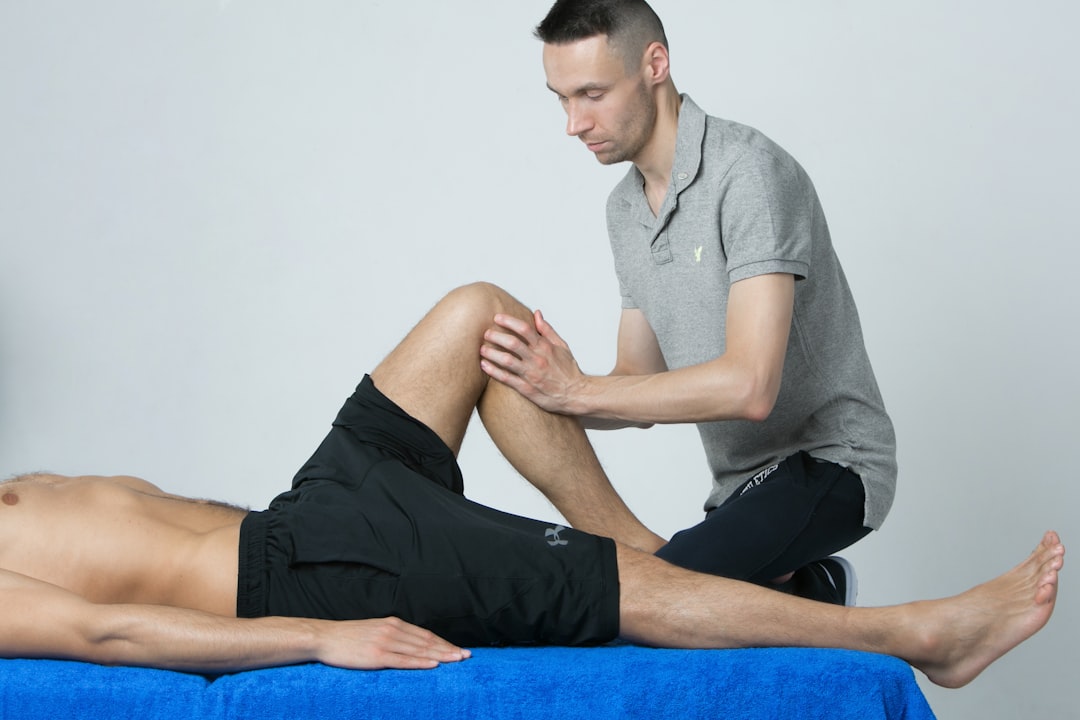
But if you’re training four or more days per week across multiple disciplines — say, lifting Monday and Wednesday, running Tuesday and Thursday, maybe a HIIT class or sports league on the weekend — the thermoelectric feature becomes genuinely valuable. The ability to warm up specific joints and muscle groups before training with heat, then immediately switch to cold percussion for post-workout recovery, eliminates the need for separate heating pads, ice packs, and a standard massage gun. It’s one device that handles the entire thermal side of your recovery — and you can browse the latest heat-and-cold recovery devices to find the right fit for your training volume.

I also think this is a game-changer for anyone dealing with chronic tightness in specific areas. My right hip flexor has been a problem since my track days — I actually started using a red light therapy panel at home for it a few months ago, which helped, but adding targeted heat percussion has taken the improvement to another level. The combination of deep tissue percussion with genuine therapeutic heat gets into areas that static heat pads simply can’t reach.
What to Look for Beyond RENPHO
RENPHO is leading this category right now, but they’re not the only player. Several other manufacturers are releasing thermoelectric recovery devices in 2026, and the market is evolving fast. When you’re comparing options, here are the features that actually matter:
Verified temperature range. Look for devices that specify temperature at the contact point, not at the internal heating element. Some cheaper devices advertise impressive temperature specs that don’t translate to what you actually feel on your skin. If a brand doesn’t specify where the temperature is measured, that’s a red flag.
Switch speed. How quickly does the device transition between heat and cold? The best thermoelectric devices switch in under twenty seconds. Cheaper models can take over a minute, which interrupts the flow of a contrast therapy session. When you’re working through a recovery routine, you don’t want to sit around waiting for the head to cool down.
Motor quality and noise level. Brushless motors are non-negotiable at this price point. They’re quieter, last longer, and deliver more consistent percussion. If you’re spending money on a premium recovery device, you should expect premium build quality. You can compare brushless massage guns across different price points to get a sense of what’s available.

Head attachments designed for temperature transfer. This is the detail most people overlook. The massage head material matters enormously for thermal conductivity. Metal heads transfer temperature efficiently. Plastic and rubber heads — which are fine for standard percussion — act as insulators and undermine the whole point of a thermoelectric device. Make sure the device comes with heads specifically designed for thermal use. Most quality devices include multiple thermal-compatible attachment heads for different muscle groups.
Building This Into Your Recovery Routine
Here’s how I’ve integrated a thermoelectric device into my weekly recovery flow. Monday and Thursday are my heavy lifting days, so those evenings I spend about ten minutes with cold percussion on whatever muscle group I hit hardest. The cold reduces acute inflammation while the percussion prevents the stiff, locked-up feeling that used to follow squat day.
Wednesday is my active recovery day — light jog, mobility work, and then I switch to heat mode on my hip flexors, hamstrings, and shoulders. The heat loosens everything up and the percussion breaks up the stubborn adhesions that have been building since my heptathlon years. It pairs beautifully with the work I’ve been doing with my high-density foam roller, which I still use for broader tissue work.
Weekends are when I do longer endurance sessions, and this is where contrast therapy really shines. I’ll start with heat percussion on my calves and quads for about five minutes to flush fresh blood into tired muscles, then switch to cold for another five to manage inflammation. The alternating temperatures create a pumping effect in the blood vessels that accelerates clearance of metabolic waste — basically, your body’s cleanup crew works faster. It’s the same principle behind the contrast between infrared sauna sessions and cold plunges, just targeted and localized to the areas that need it most.
The Bottom Line
Thermoelectric recovery devices aren’t a gimmick. They represent a genuine evolution in at-home recovery tech — the kind of step-change that happens when someone realizes two proven therapies could be combined into one more effective treatment. The temperature ranges are real, the science behind combining thermal and mechanical therapy is solid, and the practical convenience of having heat, cold, and percussion in a single device is undeniable if you’re training hard enough to need all three.
Is it essential for everyone? No. But for anyone who’s been juggling heating pads, ice packs, and a separate massage gun — or for anyone who’s been curious about contrast therapy but doesn’t have space or budget for a full cold plunge setup at home — a thermoelectric recovery device might be the single smartest recovery investment you make this year. I know it’s earned a permanent spot in my gym bag, right next to my resistance bands for pre-workout activation.
If you’re curious about other recovery technologies I’ve tested, I wrote about my experience with 90 days of daily cold plunging and the surprising lessons that came from committing to regular ice exposure. Combining cold plunge therapy with targeted thermoelectric percussion has been the most effective recovery stack I’ve ever used — and I’ve tried just about everything.



2 Comments on “One Device, Two Temperatures: Why Thermoelectric Recovery Guns Are the Smartest Purchase I’ve Made All Year”